Equipment Guides & Tips – All You Need to Know About Sports Gear
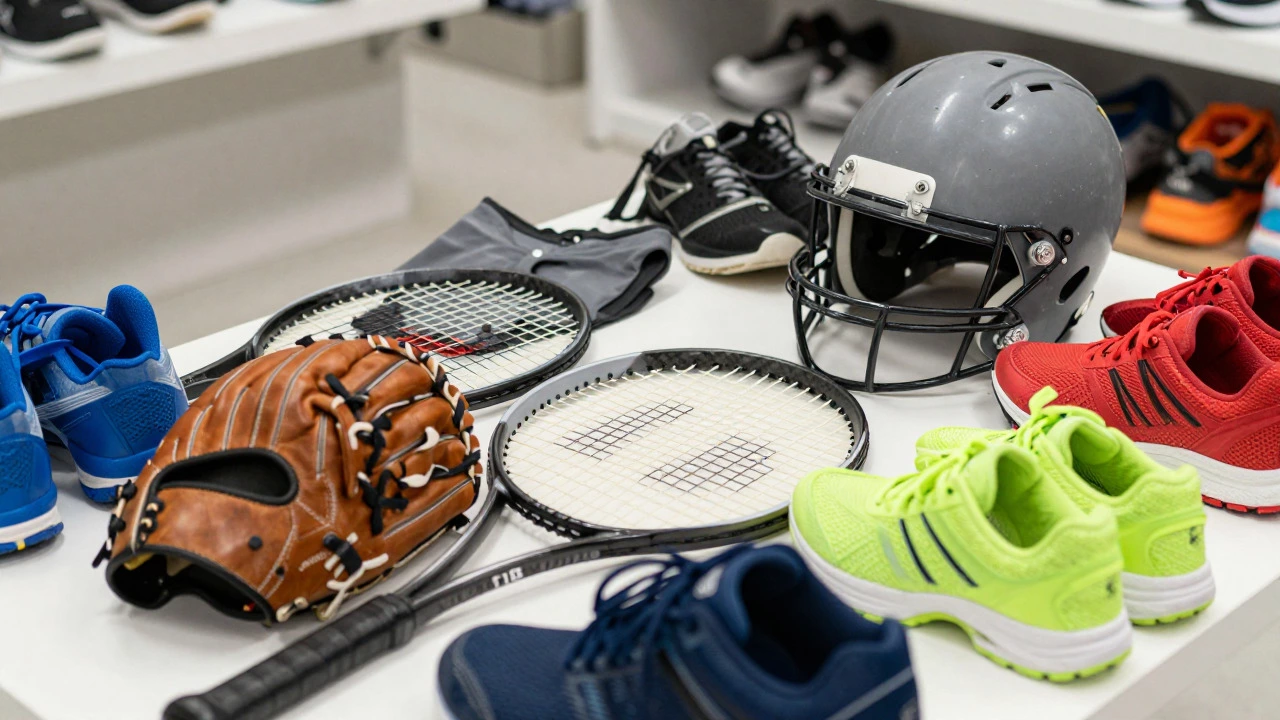
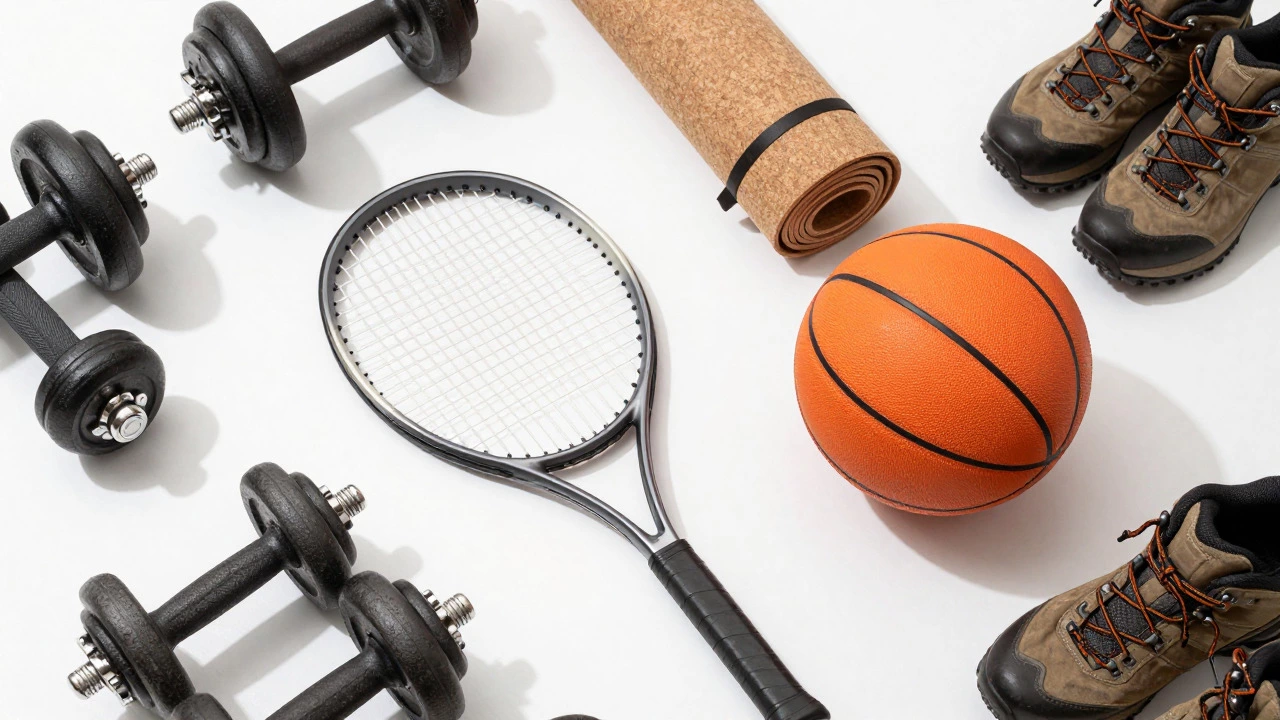
Whether you’re hitting the gym, the trail, or the pitch, the right equipment makes a huge difference. This page pulls together the most useful advice on picking, caring for, and traveling with the gear you need. Think of it as a quick‑start handbook that helps you avoid common mishaps and get the best out of every piece of equipment.
Choosing the Right Gear for Your Sport
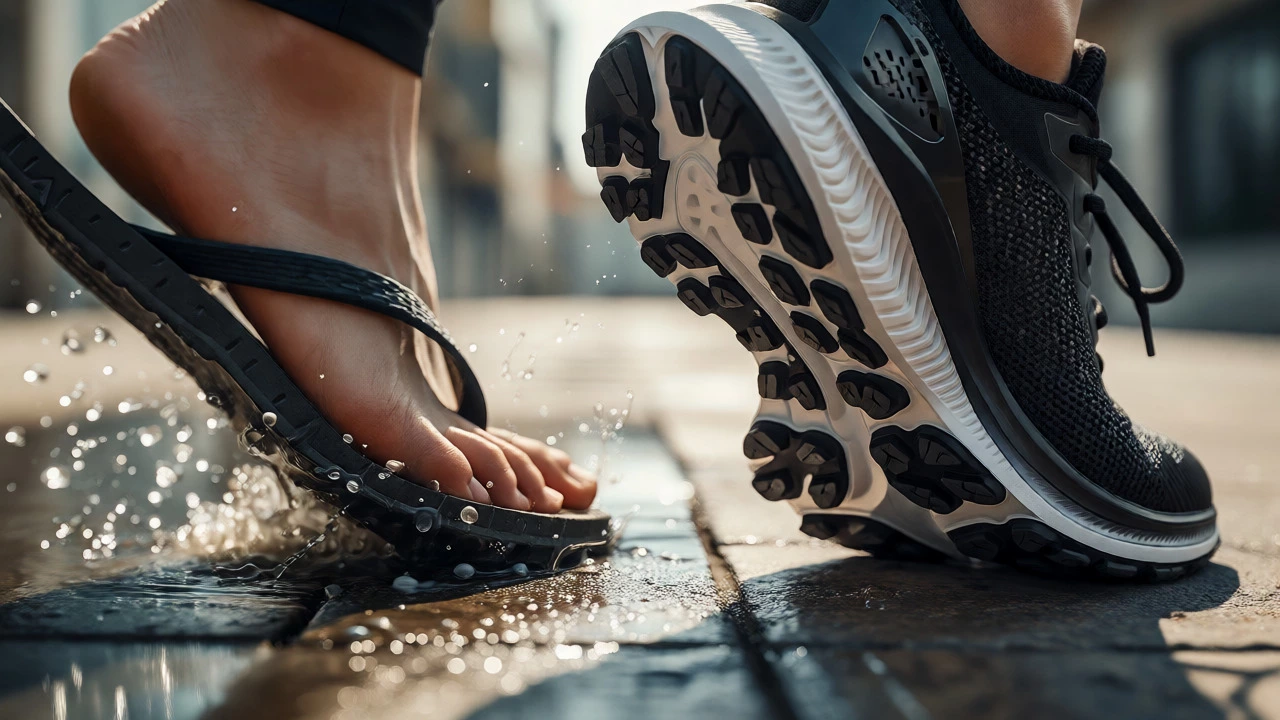
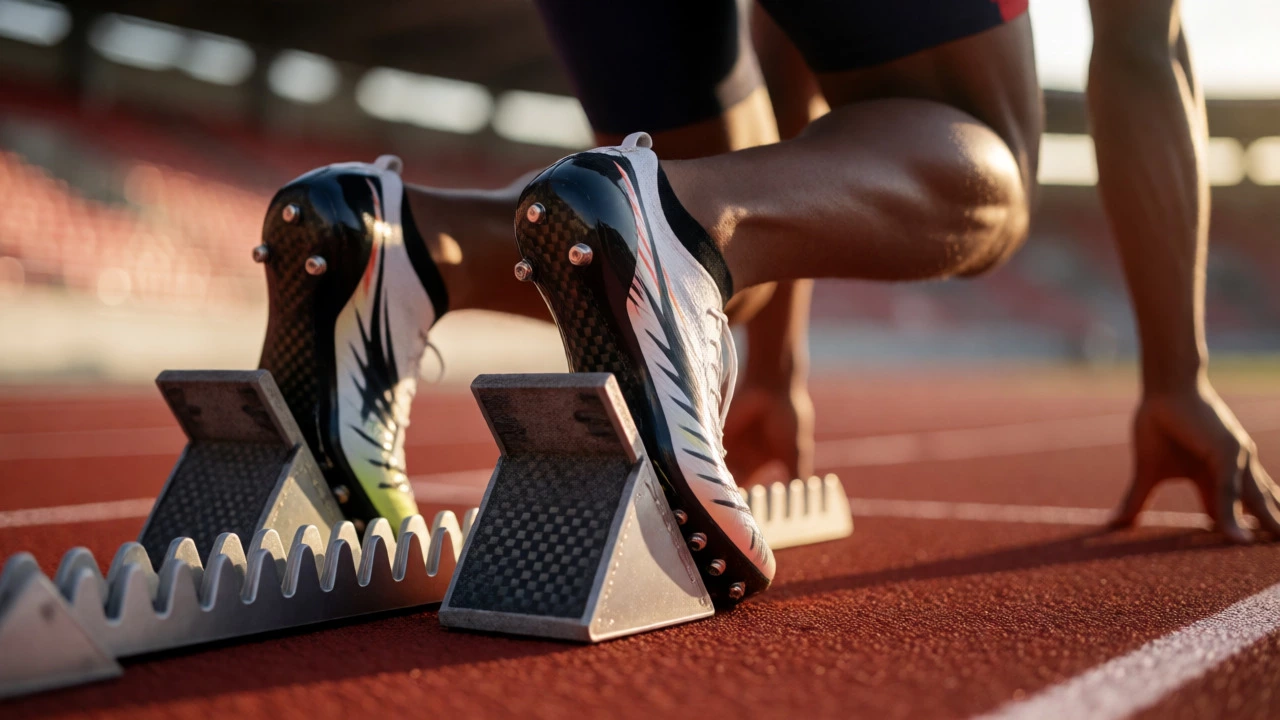
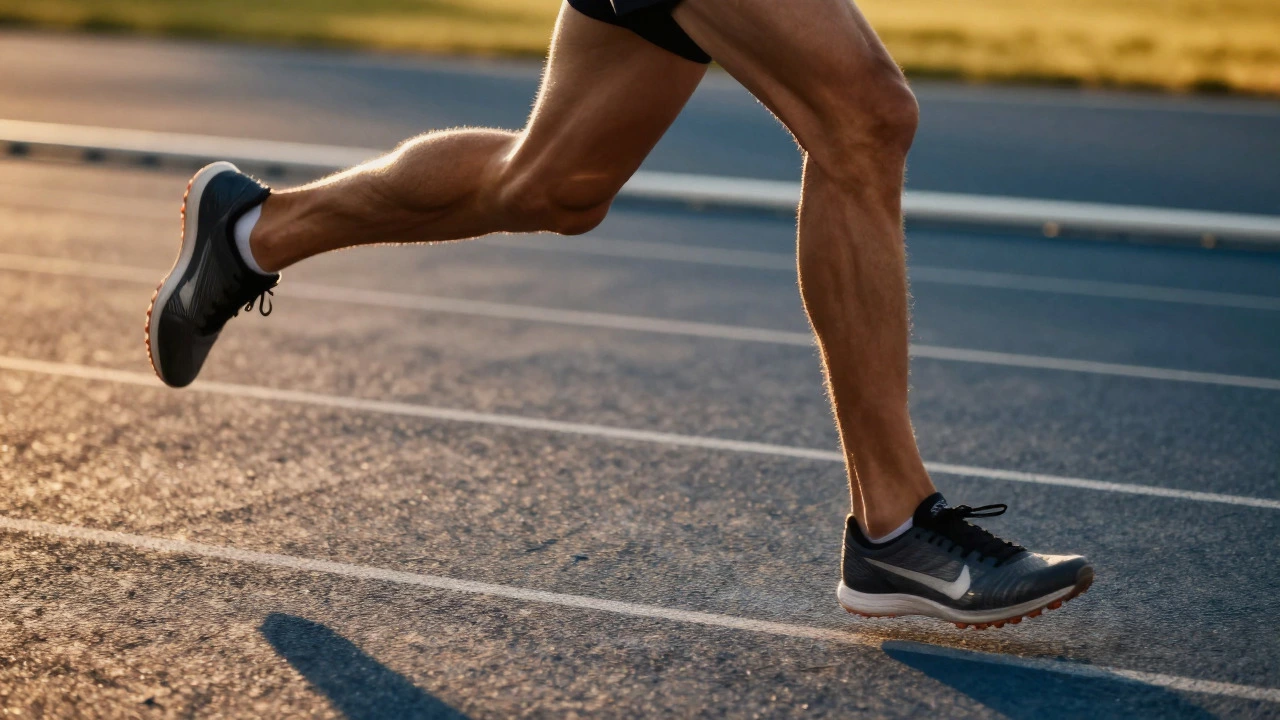
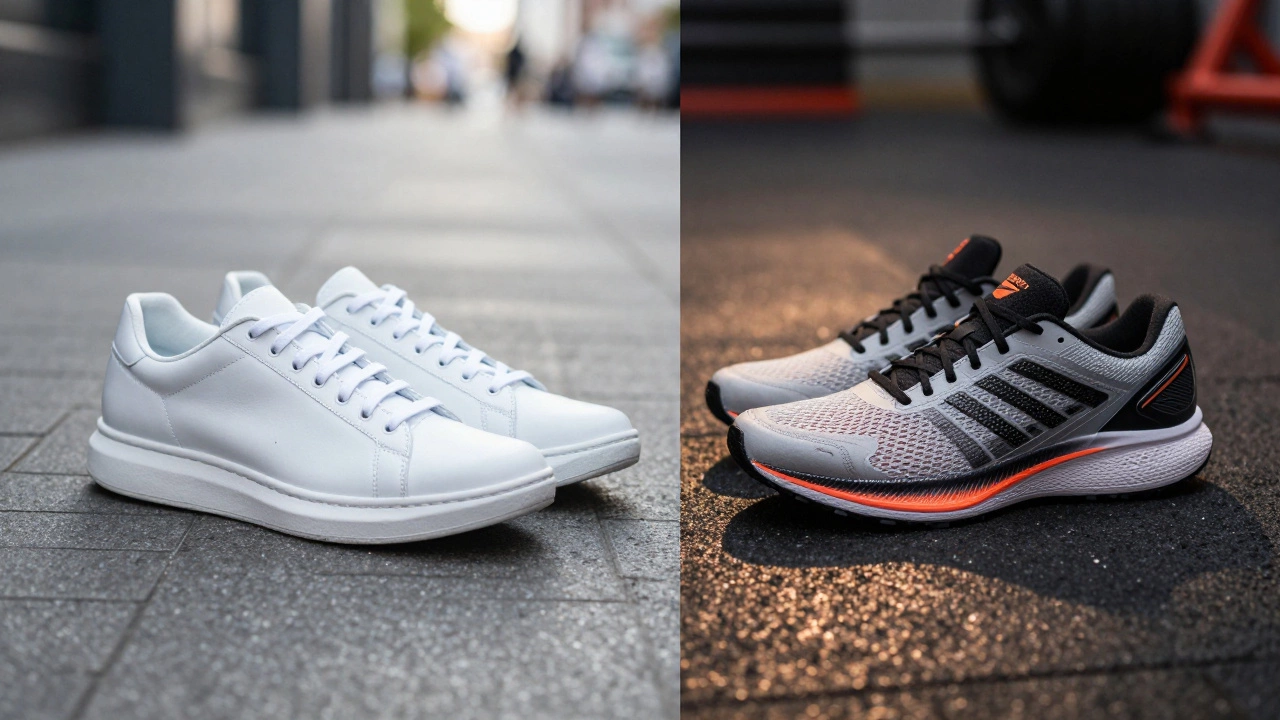
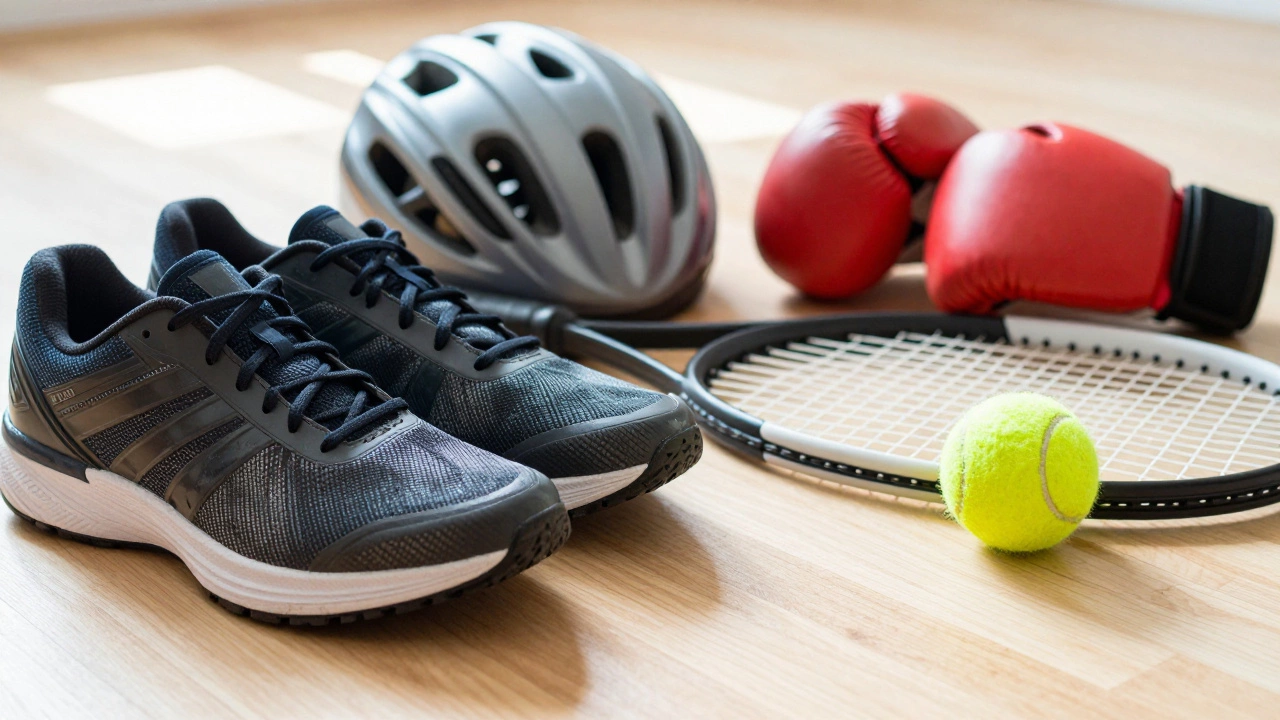
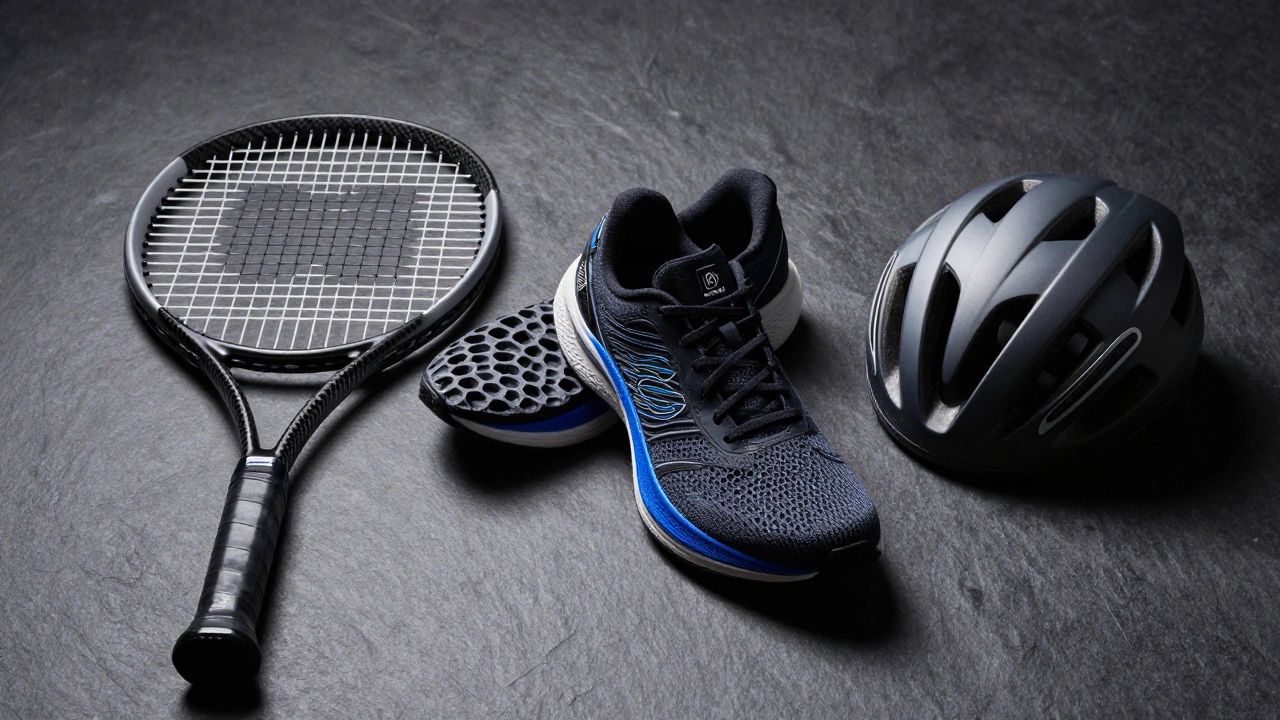
Start by listing the main actions in your sport – sprint, jump, shoot, or roll. Each action calls for a specific type of gear. For example, runners need shoes with enough cushioning and a snug fit, while cyclists look for a lightweight frame and reliable brakes. When you know the core demands, you can narrow down brands and models that actually meet those needs, rather than buying by hype alone.
Fit is everything. Even the most advanced shoe or racket won’t help if it feels uncomfortable. Try gear on in the store, move around, and notice any pressure points. If you shop online, check the return policy and read reviews that mention fit. A good rule of thumb: if you’re buying shoes, leave a thumb’s width of space at the front of the toe box.
Keeping Your Equipment Game‑Ready
Maintenance doesn’t have to be a chore. A quick wipe‑down after each session removes sweat and dirt that can break down materials. For leather balls, a light rub with a damp cloth keeps the surface supple. Metal frames, like bike or golf clubs, benefit from a dry cloth and occasional oil on moving joints.
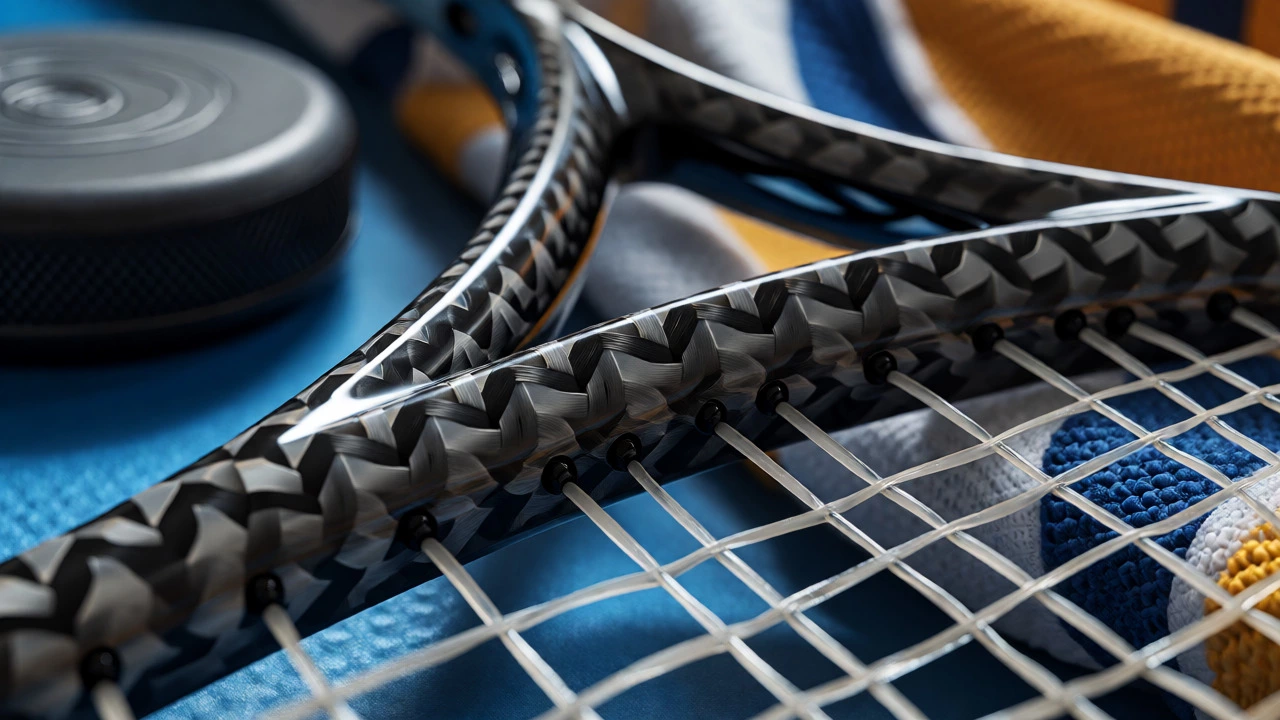
Storage matters too. Store shoes in a cool, dry place and avoid crushing them with heavy bags. Hang rackets on a wall or use a soft case to keep the strings from loosening. If you travel, pack gear in a dedicated sports bag with compartments – this protects delicate items and speeds up airport checks.
When you notice wear – a cracked sole, frayed laces, or rusted bolts – replace the part before it causes injury. Small fixes, like swapping out a shoe insole or tightening a bike seat, extend the life of the whole setup and save money in the long run.
By following these straightforward steps – matching gear to activity, checking fit, and staying on top of upkeep – you’ll feel more confident on the field, trail, or court. Ready to pick up your next piece of equipment? Browse the articles below for deeper dives into specific gear, travel tips, and expert maintenance routines.