What Are the Sports Equipment to Prevent Injury?
 Mar, 15 2026
Sports Injury Prevention Gear Calculator
How to Use This Tool
Answer three questions about your sport and injury concerns to get personalized gear recommendations. Based on the article's research, the tool will suggest equipment that meets safety standards and prevents common injuries.
Every athlete, whether you're a weekend warrior or a pro, knows the sting of an injury. A twisted ankle. A strained hamstring. A bruised rib. These aren't just setbacks-they can end seasons, derail goals, and leave you sidelined for months. The good news? A lot of these injuries are preventable. And it starts with the right gear. Not flashy, not expensive, just smart. The kind of equipment designed not to make you look cool, but to keep you in the game.
Head Protection: More Than Just a Helmet
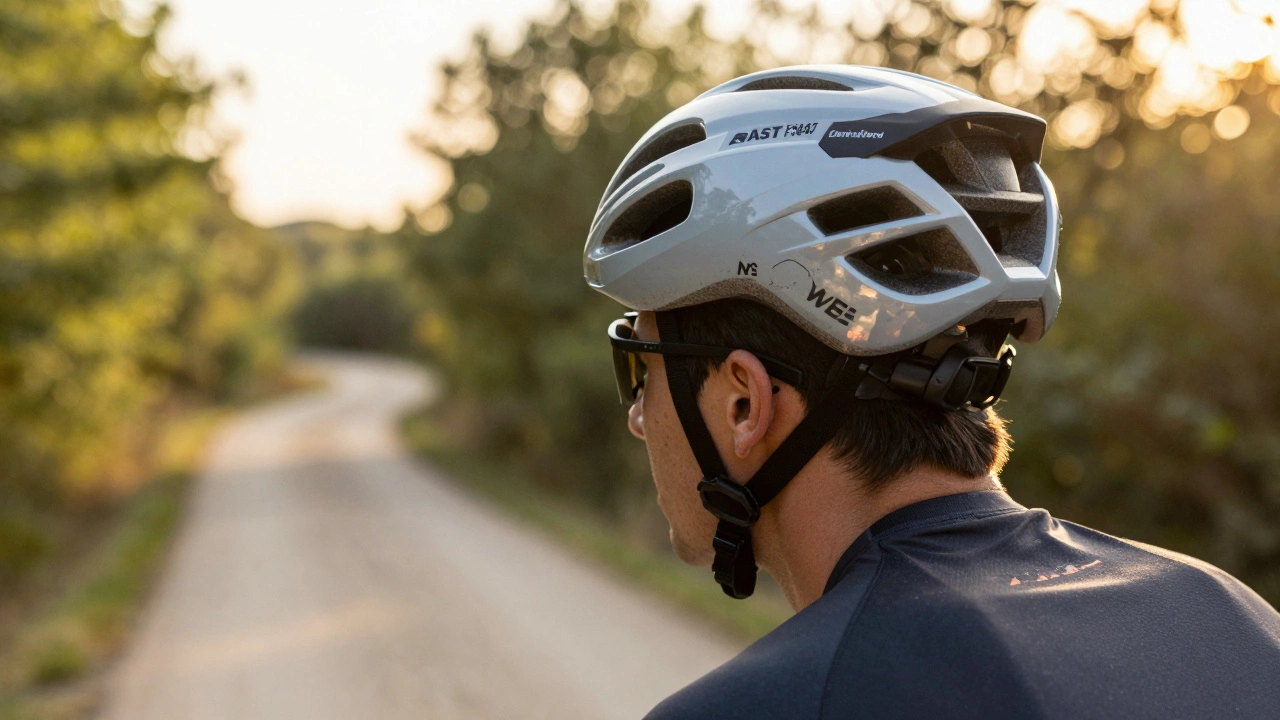
Head injuries aren't just for football players. Cyclists, skaters, even runners on uneven trails face risks. A certified helmet isn't optional-it's essential. Look for gear that meets ASTM F1447 (for cycling) or EN 1078 (European standard). These aren't just labels-they mean the helmet passed drop tests, impact absorption checks, and retention system strength tests. A helmet that fits poorly is worse than none at all. It should sit level on your head, not tilt back, and the strap should be snug enough that you can't pull it off sideways. For contact sports like rugby or lacrosse, a full-face mask or faceguard adds another layer. Studies from the Australian Institute of Sport show that proper headgear reduces concussion risk by up to 60% in high-impact sports.
Knee Support: Braces That Actually Work
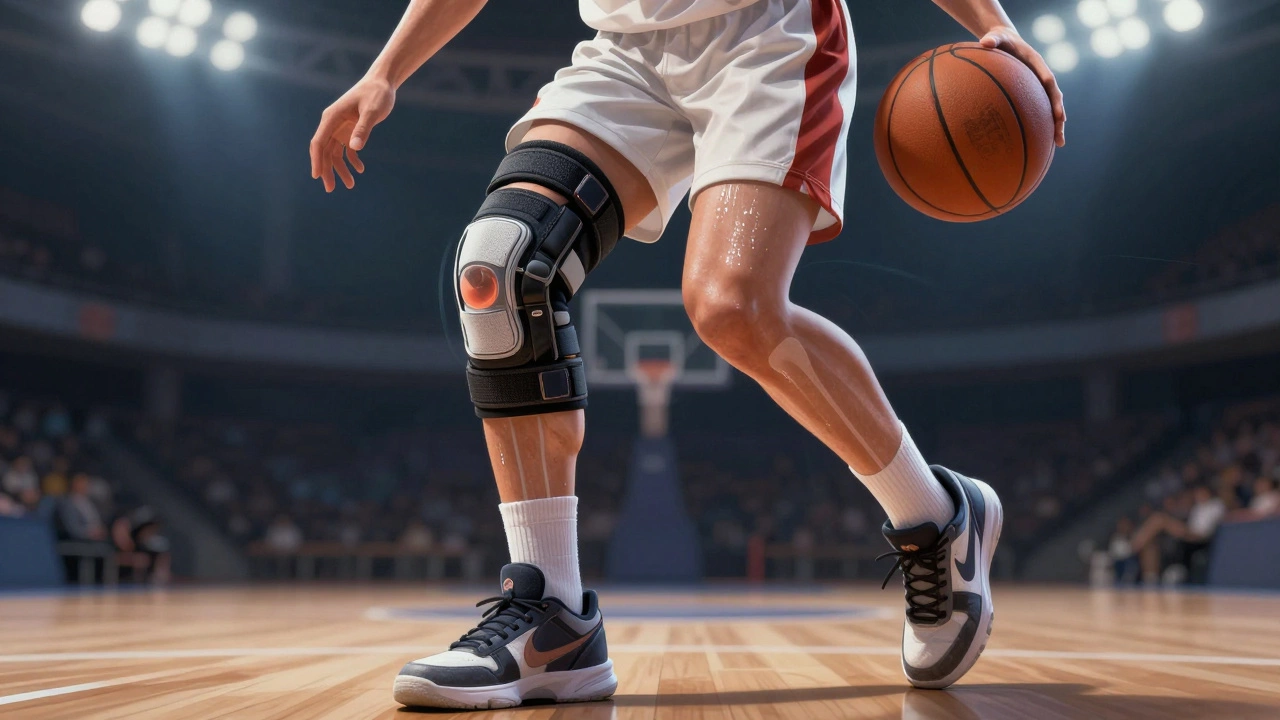
Knee injuries are among the most common in sports. ACL tears, meniscus damage, patellar tendinitis-they all start with weak or unstable joints. A hinged knee brace isn't just for post-surgery recovery. Many athletes wear them preventively, especially in sports with sudden stops and direction changes like basketball, soccer, or tennis. Look for braces with rigid side stays and adjustable straps. They don't restrict movement-they stabilize. Research from the Journal of Orthopaedic & Sports Physical Therapy found that athletes using prophylactic knee braces had 40% fewer non-contact knee injuries over a single season. Don't go for cheap, elastic sleeves. They offer compression but no real structural support. If your knee feels wobbly, it's time for a brace that actually holds.
Ankle Support: Don't Wait for the Roll
Rolling an ankle is one of the most frequent injuries in sports. It happens in a split second-on a curb, during a cut, on wet grass. Ankle braces are the quiet heroes here. Lace-up braces with rigid side panels offer the best protection. They limit harmful inversion (when your foot rolls inward) without killing mobility. For runners, a lightweight, low-profile brace like the ASO Ankle Support works well under shoes. For court sports, a rigid shell brace gives more control. Studies from the American Journal of Sports Medicine show that athletes who wore ankle braces had 70% fewer sprains than those who didn't. And no, taping doesn't last long enough. Tape loses its hold after 20 minutes of movement. A brace? It lasts the whole game.
Footwear: The Foundation of Safety
Your shoes are your first line of defense. Wearing the wrong ones is like driving a car with bald tires. Running shoes should match your foot type-neutral, overpronated, or underpronated. A gait analysis at a specialty running store can tell you what you need. For basketball, look for high-top shoes with ankle support and grippy soles. Soccer cleats? Make sure they're molded for the surface-firm ground, soft ground, artificial turf. Each has different stud patterns. Wearing the wrong cleat increases your risk of twisting your knee or ankle. Don't ignore wear and tear. Replace running shoes every 500-800 kilometers. The cushioning doesn't vanish overnight-it just stops working. And when it does, your joints pay the price.
Eye Protection: Often Overlooked, Always Critical
Think eye injuries are rare? Think again. In racquet sports alone, over 40,000 eye injuries happen each year in the U.S. alone. A tennis ball traveling at 100 km/h can rupture your retina. A hockey puck? Even worse. Polycarbonate lenses are the gold standard. They're shatterproof, lightweight, and block 99% of UV. Look for ASTM F803 certification for racquet sports. For baseball or softball, a face shield or goggles with polycarbonate lenses are mandatory for batters and infielders. Even in soccer, clear protective goggles are gaining traction, especially for players with previous eye trauma. You wouldn't drive without seatbelts. Why play without eye protection?
Body Protection: Padding Where It Matters
Padding isn't just for hockey players. In rugby, shoulder pads reduce impact from tackles. In lacrosse, rib guards protect against errant sticks. Even in volleyball, knee pads are non-negotiable. The best padding isn't bulky-it's smart. It absorbs force and redistributes it. Look for materials like EVA foam, gel inserts, or memory foam that contour to your body. For runners, compression sleeves with impact padding on the shins can help prevent shin splints. For cyclists, padded shorts aren't just for comfort-they reduce pressure on sensitive areas and prevent chafing over long rides. And don't forget your hands. Gloves with padded palms protect against falls in cycling, skateboarding, or even weightlifting.
Back and Core Support: The Hidden Link
Strong core muscles prevent injury. But sometimes, you need a little help. A lumbar support belt during heavy lifting-like in weightlifting or rowing-can reduce strain on your lower spine. It doesn't replace strength training. It just gives your back a temporary boost when you're pushing limits. For swimmers, a well-fitted rash guard reduces friction and prevents skin irritation from chlorine. For rowers, a padded seat and proper posture are just as important as the gear itself. Injury prevention isn't just about hard shells-it's about supporting the body’s natural alignment.
What Not to Skip
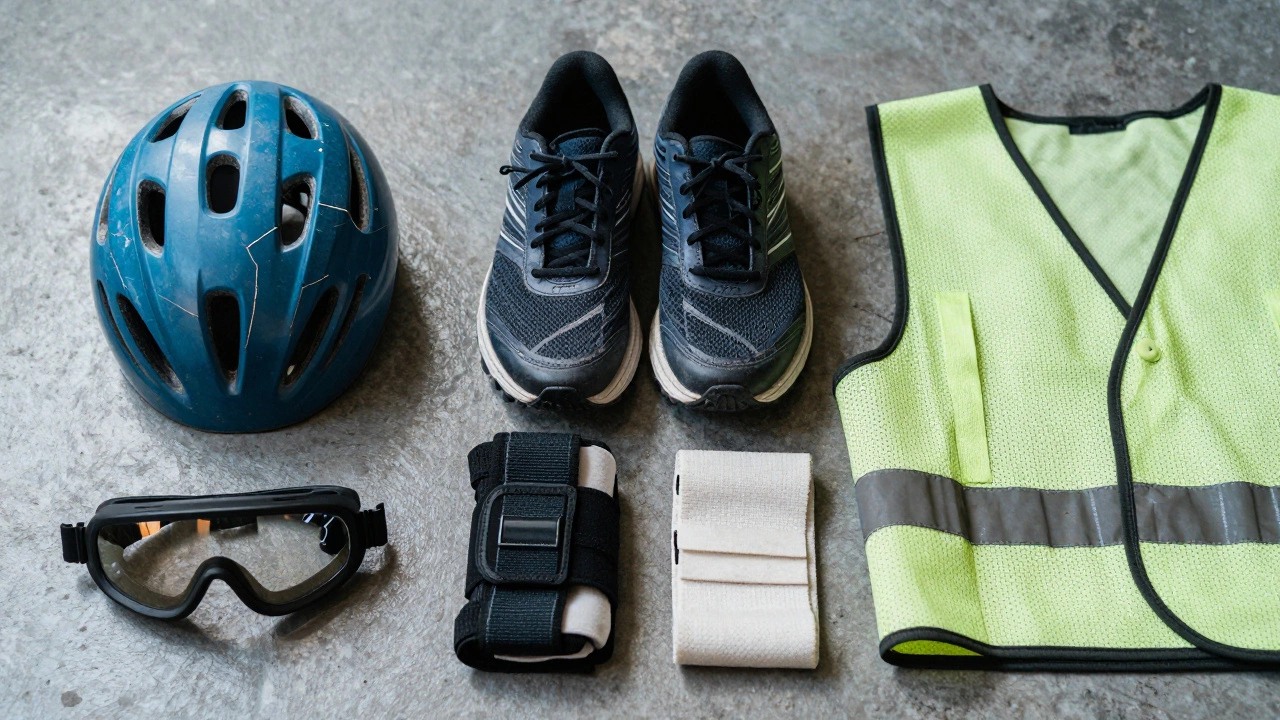
- Hydration gear: Dehydration increases muscle cramp risk. Carry a belt or bottle you can use mid-workout.
- Moisture-wicking clothing: Sweat doesn't just make you uncomfortable-it increases friction, leading to blisters and rashes.
- Reflective gear: If you run or cycle at dawn or dusk, visibility saves lives. A simple armband or vest cuts your risk of being hit by a car.
- Proper warm-up gear: A foam roller or dynamic stretching band isn't fancy, but it cuts injury risk by 30% before you even start.
Myth Busting: Gear That Doesn't Help
Not everything marketed as "injury prevention" actually works. Compression socks? Great for circulation, but no proof they prevent sprains. Wrist wraps for casual lifting? They help if you're lifting heavy, but not if you're just doing bodyweight exercises. Knee sleeves without support? They warm the joint but don't stabilize it. And don't believe the hype around "injury-proof" shoes. No shoe eliminates risk-only proper fit, function, and replacement do.
Final Rule: Fit, Function, Replace
There are three rules to remember:
- Fit: Gear that doesn't fit right is dangerous. Too loose? It moves. Too tight? It cuts off circulation.
- Function: Match the gear to the sport. A running brace won't help in the gym. A cycling helmet won't stop a baseball.
- Replace: Gear wears out. Helmets crack. Braces stretch. Shoes lose cushion. Check your equipment every season. If it looks worn or feels off, replace it.
Preventing injury isn't about avoiding sport. It's about preparing for it. The right gear doesn't make you slower. It makes you stronger, steadier, and ready to go again tomorrow.
What sports equipment is most important for preventing injuries?
The most critical pieces are properly fitted helmets, knee and ankle braces, supportive footwear, and eye protection. These directly reduce the risk of the most common and serious injuries-concussions, ACL tears, ankle sprains, and eye trauma. Each one targets a specific vulnerability in the body during movement.
Do I need to wear protective gear even if I'm just playing casually?
Yes. Most injuries happen during casual play, not competitive games. That's because people skip warm-ups, use old gear, or assume "it won't happen to me." A twisted ankle on a weekend hike or a fall while playing pickup basketball can still require surgery. Protective gear isn't just for pros-it's for anyone who moves.
How often should I replace my sports equipment?
Replace running shoes every 500-800 km. Helmets after any impact, even if there's no visible damage. Ankle and knee braces every 1-2 years, depending on use. Eye protection should be replaced if lenses scratch or the frame warps. Always check manufacturer guidelines-some gear has expiration dates stamped on them.
Are expensive brands better for injury prevention?
Not necessarily. What matters is certification and fit. A $30 ankle brace that meets ASTM standards and fits your leg properly will outperform a $150 one that doesn't. Look for certifications like ASTM, CE, or EN. Brand names matter less than whether the gear passed independent safety tests.
Can I use the same gear for multiple sports?
Only if the sports are very similar. A cycling helmet won't protect you in hockey. A running shoe won't give you traction for tennis. Some items, like moisture-wicking clothing or compression sleeves, are universal. But anything designed for impact, support, or stabilization must be sport-specific. Using the wrong gear increases your risk, not lowers it.