What Is Sports Equipment? A Complete Guide to Gear, Safety, and Performance
 May, 28 2026
Sports Equipment Categorizer & Guide
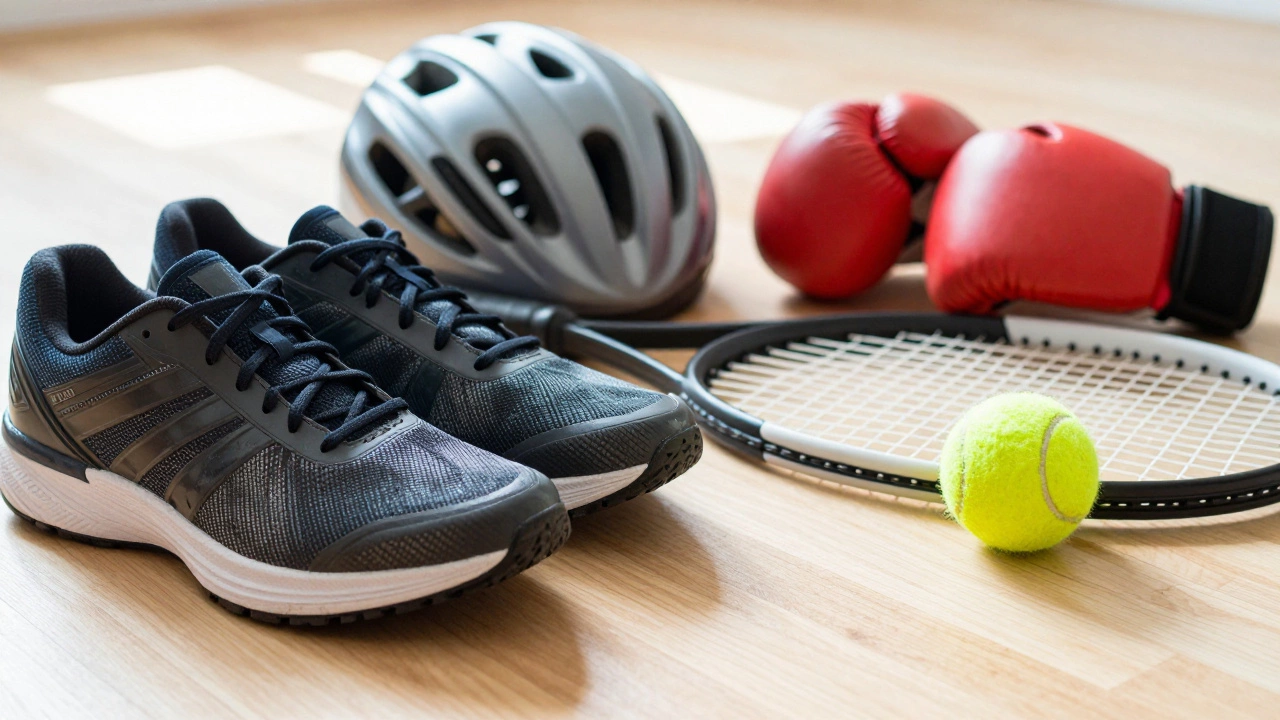
You walk into a gym, step onto a tennis court, or strap on a helmet for cycling. What do you have in common? You are using sports equipment. But what exactly does that term cover? It is not just the ball you kick or the racket you swing. It includes everything from the shoes on your feet to the protective pads on your body. Understanding this definition matters because the right gear can improve your game, while the wrong choice can lead to injury or frustration.
Whether you are a weekend warrior or a competitive athlete, knowing how to categorize, select, and maintain your gear is essential. This guide breaks down the world of sports equipment into clear categories, explains why it matters for safety and performance, and helps you make smarter buying decisions.
The Definition: More Than Just Tools
Sports equipment refers to any object, device, or apparel used to facilitate, enhance, or protect during physical activity or athletic competition. Think of it as the bridge between your body and the sport itself. Without it, many activities would be impossible or dangerously unsafe.
We generally split this broad category into three main buckets:
- Apparel: Clothing designed for movement, moisture management, and protection (e.g., compression shirts, cleats).
- Gear/Tools: The objects you interact with directly (e.g., bats, rackets, balls, weights).
- Protective Equipment: Items specifically meant to prevent injury (e.g., helmets, mouthguards, shin guards).
This distinction is crucial because each category serves a different purpose. Apparel affects comfort and biomechanics. Gear determines the mechanics of the sport. Protective equipment dictates your safety margins. Mixing them up in your mind can lead to poor purchasing choices-like buying expensive running shoes but ignoring the importance of proper socks to prevent blisters.
Performance vs. Protection: Why It Matters
Many beginners think sports equipment is optional until they get serious. That is a mistake. The impact of proper gear falls into two areas: performance enhancement and injury prevention.
Enhancing Performance
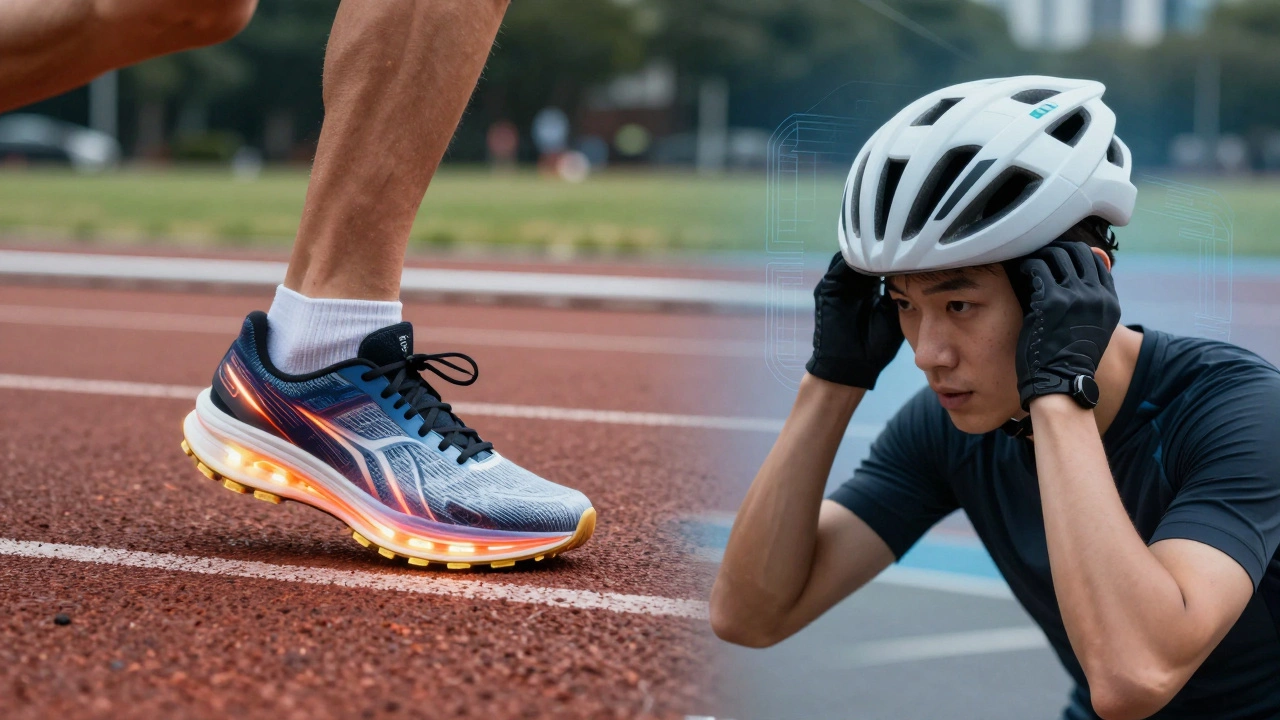
Modern sports science has turned equipment into a technology platform. Take running shoes, for example. In the past, they were just rubber soles. Today, brands like Nike and Adidas use carbon-fiber plates and specialized foam compounds to return energy to the runner. Studies show these innovations can reduce oxygen consumption by 4% or more, which translates to faster times over long distances.
In tennis, the material of a racket frame (graphite vs. aluminum) changes how much power you generate versus how much control you retain. A heavier racket provides stability against hard-hit balls, while a lighter one allows for quicker swings. Your equipment becomes an extension of your muscle memory.
Preventing Injury
On the flip side, neglecting protective equipment is risky. Consider contact sports like rugby or American football. Helmets and shoulder pads are not suggestions; they are non-negotiable barriers against concussions and fractures. Even in low-impact sports like cycling, a properly fitted helmet reduces the risk of head injury by 65-88%, according to various public health studies.
Footwear is another critical area. Running in worn-out shoes can alter your gait, leading to knee pain or plantar fasciitis. The "right" shoe depends on your foot type (flat, neutral, or high arch) and your pronation style. Ignoring this biological match turns your equipment into a liability rather than an asset.
Breaking Down Key Categories
To help you navigate the vast market, let’s look at specific examples across popular sports. This will show you how equipment varies wildly depending on the activity.
| Sport | Essential Gear | Protective Equipment | Performance Enhancers |
|---|---|---|---|
| Tennis | Racket, Balls | Sunglasses (UV protection) | Vibration dampeners, Grip tape |
| Cycling | Bike, Helmet | Knee pads, Gloves | Aero helmets, Carbon wheels |
| Running | Shoes, Shorts | Compression sleeves | GPS watches, Heart rate monitors |
| Boxing | Gloves, Bag | Mouthguard, Headgear | Hand wraps, Speed bag |
| Golf | Clubs, Balls | None (typically) | Launch monitors, Swing trainers |
Notice how some sports prioritize protection (boxing, cycling) while others focus on precision tools (golf, tennis). This highlights why you cannot apply a one-size-fits-all approach when shopping for gear.
How to Choose the Right Equipment
Walking into a sporting goods store can feel overwhelming. Shelves are stacked with options ranging from budget-friendly basics to pro-level tech. Here is a simple framework to cut through the noise.
- Define Your Level: Are you a beginner, intermediate, or advanced player? Beginners should avoid top-tier gear. It is often too specialized and expensive. Start with mid-range equipment that offers durability and decent performance without breaking the bank.
- Prioritize Fit: Ill-fitting gear is useless. Shoes must have room for toe movement but secure heels. Helmets must sit level and snug. Rackets must match your hand size and strength. Never buy based on brand loyalty alone if the fit is off.
- Check Regulations: If you plan to compete, check the rules. Some leagues have strict guidelines on racket string tension, ball pressure, or helmet certifications (like ASTM or CE standards). Buying non-compliant gear means you cannot use it in official matches.
- Consider Durability: Look at materials. Aluminum rusts and dents; graphite is light and strong but brittle. Leather lasts longer than synthetic mesh but costs more. Calculate the cost per use, not just the upfront price.
For instance, if you are starting golf, do not buy a full set of titanium drivers. Buy a used set of steel irons and a basic driver. As your swing improves, you will understand what specs (loft, shaft flexibility) actually help you. Then, upgrade strategically.
Maintenance: Making Gear Last
Buying good equipment is only half the battle. Maintaining it ensures safety and consistent performance. Neglect is the silent killer of sports gear.
- Cleaning: Sweat contains salts and acids that degrade fabrics and metals. Wipe down bikes after rides. Wash running clothes inside out to preserve elastic fibers. Clean club heads with a damp cloth to remove dirt and grass.
- Storage: Heat and humidity are enemies. Store tennis rackets away from direct sunlight to prevent glue failure. Keep leather gloves in a cool, dry place to avoid cracking. Do not leave your bike in a hot car trunk.
- Inspection: Regularly check for wear and tear. Look for frayed strings on rackets, cracked shells on helmets, or worn treads on shoes. A small crack in a helmet shell compromises its entire structural integrity-it needs replacement, not repair.
- Replacement Schedule: Most running shoes last 300-500 miles. Tennis grips last 1-2 months depending on sweat levels. Batteries in electronic gear (like GPS watches) degrade over time. Set reminders to replace consumables before they fail during activity.
Pro Tip: Keep a log of when you bought major items. This helps you track usage patterns and budget for replacements ahead of time.
Future Trends in Sports Technology
The world of sports equipment is evolving rapidly. We are moving from passive tools to active, data-driven devices. Here is what to watch for in 2026 and beyond.
Smart Integration: Sensors are becoming smaller and cheaper. Smart insoles can analyze your gait in real-time, alerting you to imbalance issues via an app. Golf clubs now have embedded sensors that measure swing speed and launch angle instantly. This data helps athletes correct form immediately, not weeks later in video analysis.
Sustainable Materials: Environmental concerns are driving innovation. Brands are experimenting with recycled ocean plastics for shoe uppers, bio-based foams for midsoles, and plant-derived leathers. This shift appeals to eco-conscious consumers and reduces the industry's carbon footprint.
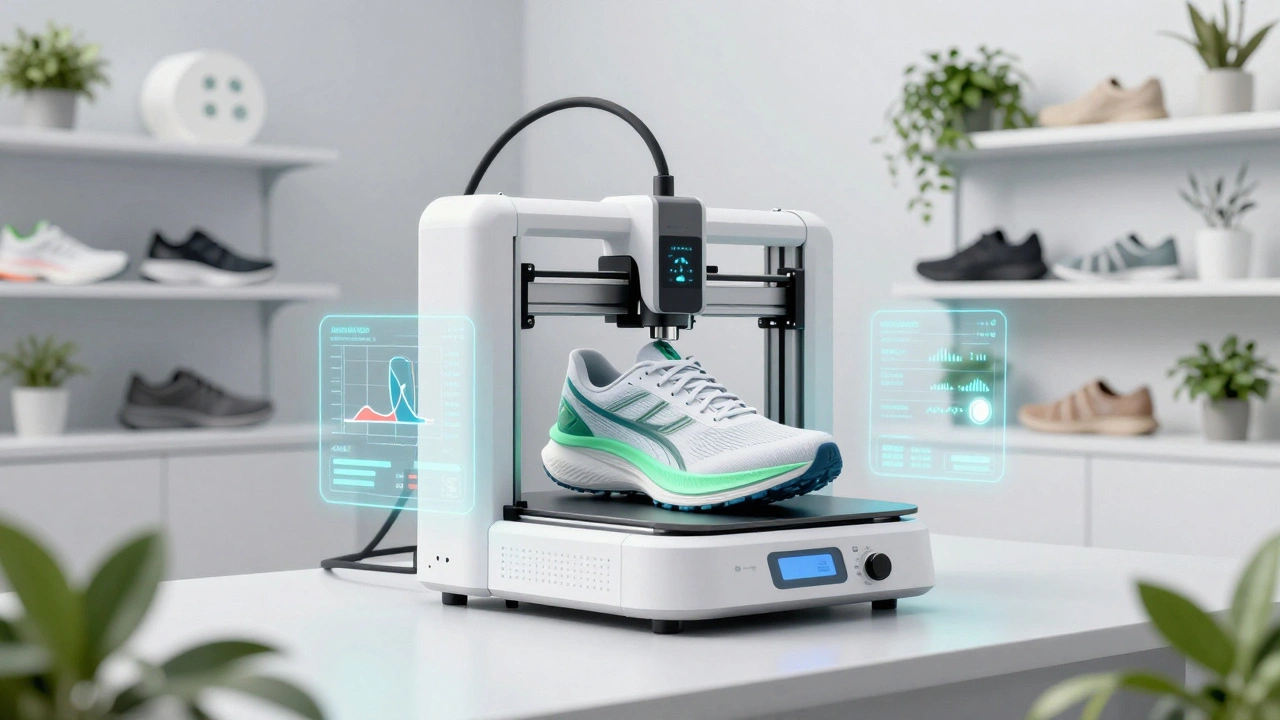
Customization: 3D printing is allowing for hyper-personalized gear. Imagine running shoes molded exactly to your foot shape, or bicycle frames optimized for your unique weight distribution and riding style. Mass customization is becoming accessible, moving beyond elite professional teams to everyday athletes.
These trends suggest that future equipment will be more adaptive, sustainable, and personalized. Staying informed helps you invest in gear that won't become obsolete quickly.
Common Mistakes to Avoid
Even experienced athletes make errors when managing their equipment. Avoid these pitfalls:
- Over-Investing Early: Spending $300 on your first pair of trail running shoes is risky if you quit after three months. Start modest.
- Ignoring Comfort for Looks: Flashy colors and trendy designs do not compensate for poor ergonomics. Function always beats fashion in sports.
- One-Size-Fits-All Mindset: Your friend’s perfect racket might destroy your wrist. Biomechanics vary greatly between individuals.
- Neglecting Accessories: Underestimating the value of quality socks, hats, or hydration packs can ruin an otherwise great workout experience.
By focusing on fit, function, and maintenance, you turn sports equipment from a mere expense into a valuable investment in your health and enjoyment.
What is the difference between sports equipment and sports apparel?
Sports apparel refers to clothing worn during physical activity, such as jerseys, shorts, and shoes. Sports equipment includes tools and devices used to play the sport, like balls, rackets, bats, and protective gear like helmets. While shoes blur the line, they are generally considered apparel due to their direct contact with the body, whereas a racket is a tool held in the hand.
Do I need expensive equipment to start a new sport?
No. Beginners should start with mid-range or even second-hand equipment. Expensive gear often offers marginal gains that only benefit advanced players who have mastered technique. Focus on getting proper fit and safety first. Upgrade as your skills improve and you identify specific needs.
How often should I replace my sports equipment?
It depends on the item and usage frequency. Running shoes typically last 300-500 miles. Tennis strings may need restringing every few months for regular players. Helmets should be replaced after any significant impact or every 3-5 years due to material degradation. Always inspect gear regularly for signs of wear, cracks, or reduced performance.
Is protective equipment really necessary for non-contact sports?
Yes. Even in non-contact sports like cycling, running, or skiing, accidents happen. Cyclists need helmets to prevent head trauma from falls. Runners may use compression gear to support muscles. Skiers require goggles and helmets. Protecting yourself from environmental hazards and accidental falls is crucial regardless of whether you collide with other players.
Can I use generic equipment for multiple sports?
Sometimes, but with limitations. Cross-training shoes can work for light gym workouts and casual jogging, but they lack the specificity of dedicated running or weightlifting shoes. Using a general-purpose racket for both tennis and badminton is possible but suboptimal due to weight and balance differences. For optimal performance and injury prevention, sport-specific gear is recommended once you commit to an activity.