Examples of Recreational Equipment: A Complete Guide to Gear for Every Hobby
 Jul, 19 2026
Recreational Equipment Selector
What is your primary interest?
Select the category that best fits your desired activity.
Athletic & Fitness
Sports, exercise, and physical performance gear.
Outdoor Adventure
Nature exploration, camping, and water sports.
Social & Creative
Board games, instruments, art, and mental leisure.
What is your experience level?
This helps us recommend gear with the right complexity and durability.
What is your budget range?
Set a realistic limit to find the best value for your money.
Your Personalized Recommendations
Based on your preferences, here are the ideal recreational equipment choices:
Imagine you have a free Saturday. You could stay on the couch, or you could grab some gear and go do something active. But what exactly counts as recreational equipment? It’s not just a basketball or a golf club. The term covers everything from the kayak you rent for a weekend trip to the chess set you keep in your living room. If it helps you enjoy your leisure time, whether through physical exertion or mental engagement, it fits the bill.
Understanding the breadth of this category helps you make better choices. Maybe you’re looking to start a new hobby but don’t know where to begin. Or perhaps you’re managing a community center budget and need to categorize purchases. By breaking down recreational equipment into specific types, we can see how different tools serve different needs-from high-intensity fitness to quiet relaxation.
The Core Categories of Recreational Gear
To make sense of the vast array of items available, it helps to group them by their primary function. Most recreational equipment falls into three main buckets: athletic performance, outdoor adventure, and social/mental leisure. Each category has distinct requirements regarding durability, safety, and cost.
Athletic gear is designed for structured play or exercise. Think of items used in organized sports like soccer, tennis, or basketball. These items often have standardized sizes and materials to ensure fair play and consistent performance. For example, a professional-grade tennis racket differs significantly from a beginner’s model in terms of weight distribution and string tension.
Outdoor adventure equipment focuses on interaction with nature. This includes hiking boots, camping tents, and fishing rods. The priority here is often weather resistance and reliability. You don’t want your tent leaking during a sudden rainstorm, so materials like ripstop nylon and waterproof coatings are standard features.
Social and mental leisure gear supports activities that are less about physical output and more about connection or cognition. Board games, musical instruments, and art supplies fall into this group. While they may seem simple, high-quality versions can enhance the experience significantly. A well-tuned guitar inspires creativity, while a durable board game withstands years of family gatherings.
| Category | Primary Goal | Key Attributes | Example Items |
|---|---|---|---|
| Athletic | Physical performance & competition | Standardized sizing, ergonomic design | Tennis rackets, soccer balls, yoga mats |
| Outdoor Adventure | Nature exploration & survival | Weather resistance, durability, portability | Camping tents, hiking backpacks, kayaks |
| Social/Mental | Connection, creativity, cognition | Aesthetic appeal, ease of use, longevity | Board games, musical instruments, paint sets |
Athletic and Fitness Equipment Examples
When people think of recreational equipment, sports gear usually comes to mind first. This category is incredibly diverse, ranging from team sports to individual fitness routines. Let’s look at some common examples and what makes them essential.
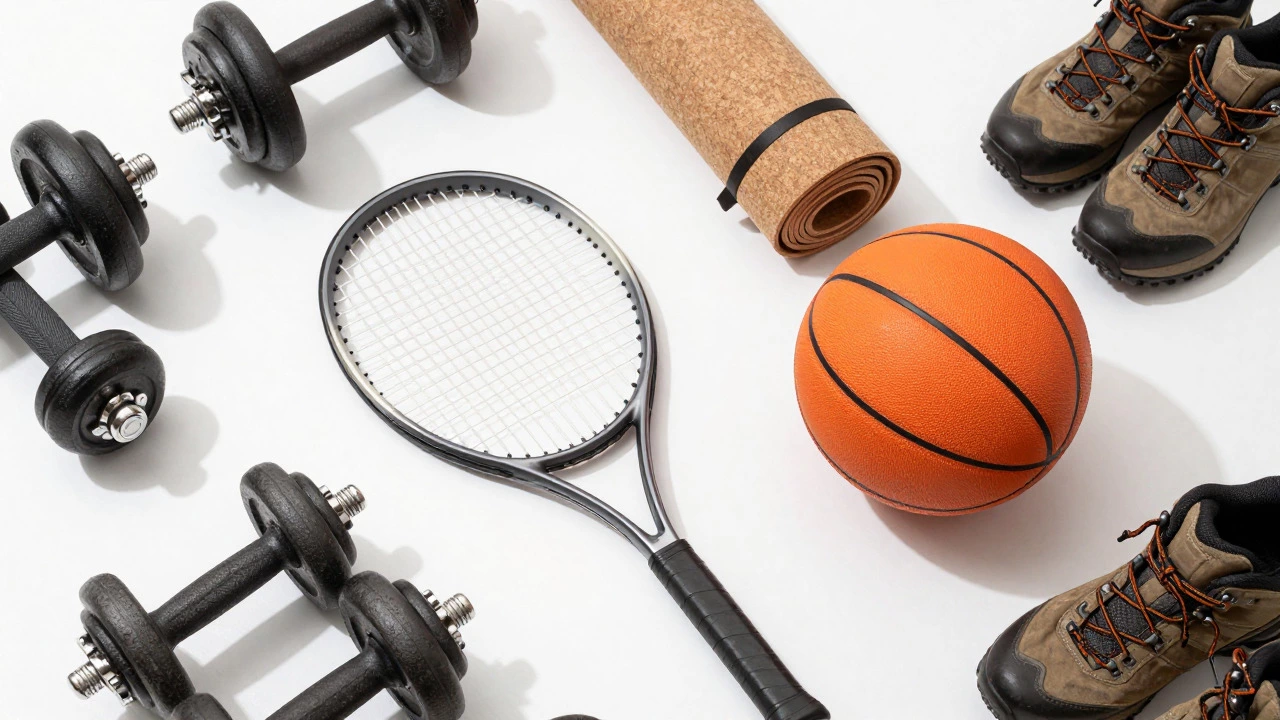
Tennis Rackets are strategic tools used to strike a ball over a net in a court-based sport. Modern rackets are typically made from graphite composites, which offer a balance of power and control. Beginners might choose a larger head size for a bigger sweet spot, while advanced players prefer smaller heads for precision. The choice of strings-nylon vs. polyester-also drastically affects spin and durability.
Basketballs are inflated spheres designed for dribbling, passing, and shooting in indoor and outdoor courts. Indoor balls are usually made of composite leather for better grip on polished wood floors. Outdoor balls use rubber compounds that withstand rough asphalt surfaces. Choosing the right ball prevents hand fatigue and improves shooting accuracy.
For those who prefer solo workouts, Yoga Mats are non-slip surfaces that provide cushioning and stability during floor exercises. Thickness matters here; a 6mm mat offers good joint protection without compromising balance. Material options include PVC, natural rubber, and cork. Cork is becoming popular for its antimicrobial properties and eco-friendly profile.
Another staple is the Dumbbell Set, which consists of adjustable weights used for strength training and muscle conditioning. Adjustable dumbbells save space compared to fixed-weight sets. They allow users to incrementally increase resistance, which is crucial for progressive overload-a key principle in building strength. Look for sets with secure locking mechanisms to prevent accidents during lifts.
Outdoor Adventure and Nature Gear
If your idea of fun involves fresh air and scenery, outdoor recreational equipment is your focus. This gear needs to handle unpredictable environments, making quality and maintenance critical factors.
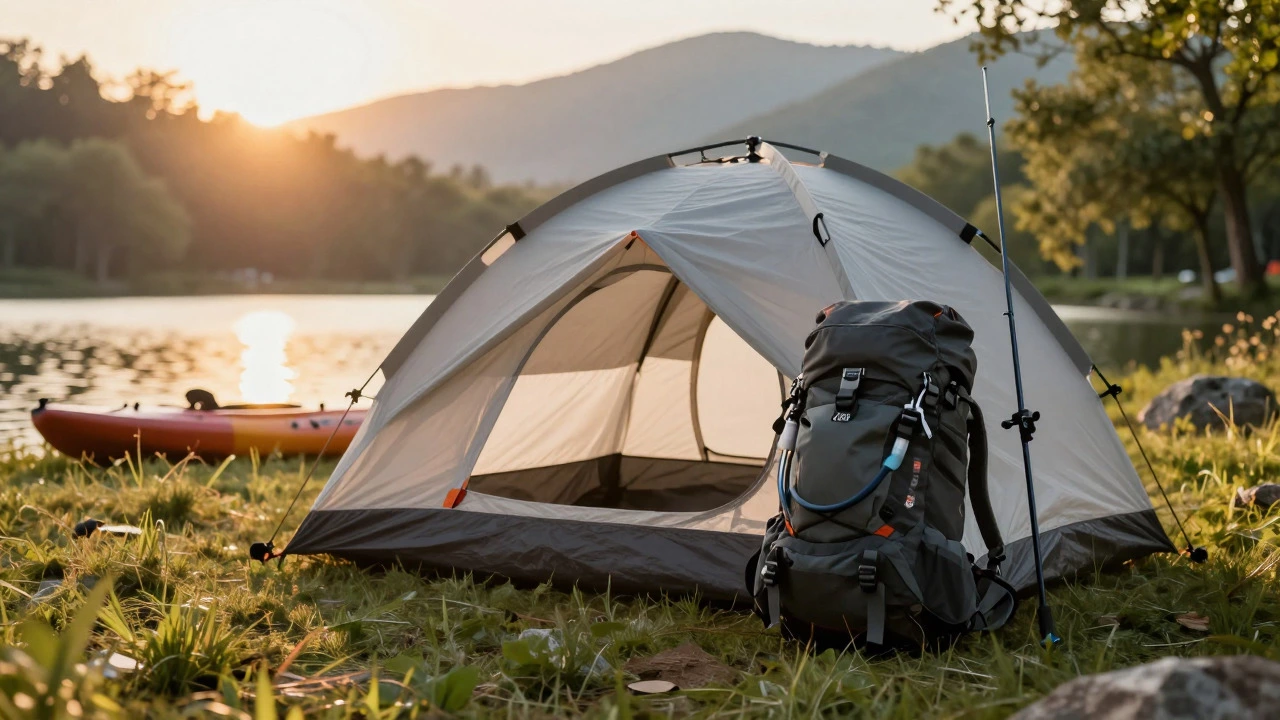
Hiking Backpacks are ergonomic bags designed to carry essentials comfortably over long distances. A good pack distributes weight across your hips, not just your shoulders. Look for internal frames and adjustable torso lengths. Hydration compatibility, allowing you to insert a water bladder with a tube, is a must-have feature for day hikes.
For water enthusiasts, Kayaks are small, narrow watercraft propelled by a double-bladed paddle. There are two main types: sit-on-top kayaks, which are stable and easy to re-enter if you capsize, and sit-inside kayaks, which offer better protection from waves and wind. Inflatable kayaks have gained popularity for their portability, allowing storage in small apartments-a big plus for city dwellers in Sydney.
Camping requires shelter, and Camping Tents are portable shelters that protect against rain, wind, and insects. Dome tents are the most common due to their stability and ease of setup. Freestanding designs mean you don’t always need stakes to pitch them, which is useful on rocky ground. Always check the denier rating of the fabric; higher numbers indicate greater tear resistance.
Fishing gear is another major subset. Fishing Rods are flexible poles used to cast lines and reel in fish. Rod action (how much it bends) and power (lifting capacity) determine suitability for different fish species. A fast-action rod bends mostly near the tip, offering sensitivity for detecting bites, while a slow-action rod bends throughout, providing a gentle fight for delicate fish.
Social, Mental, and Creative Leisure Tools
Recreation isn’t always about sweating. Many hobbies focus on mental stimulation, creativity, or social bonding. The equipment here is often overlooked but plays a vital role in enriching downtime.
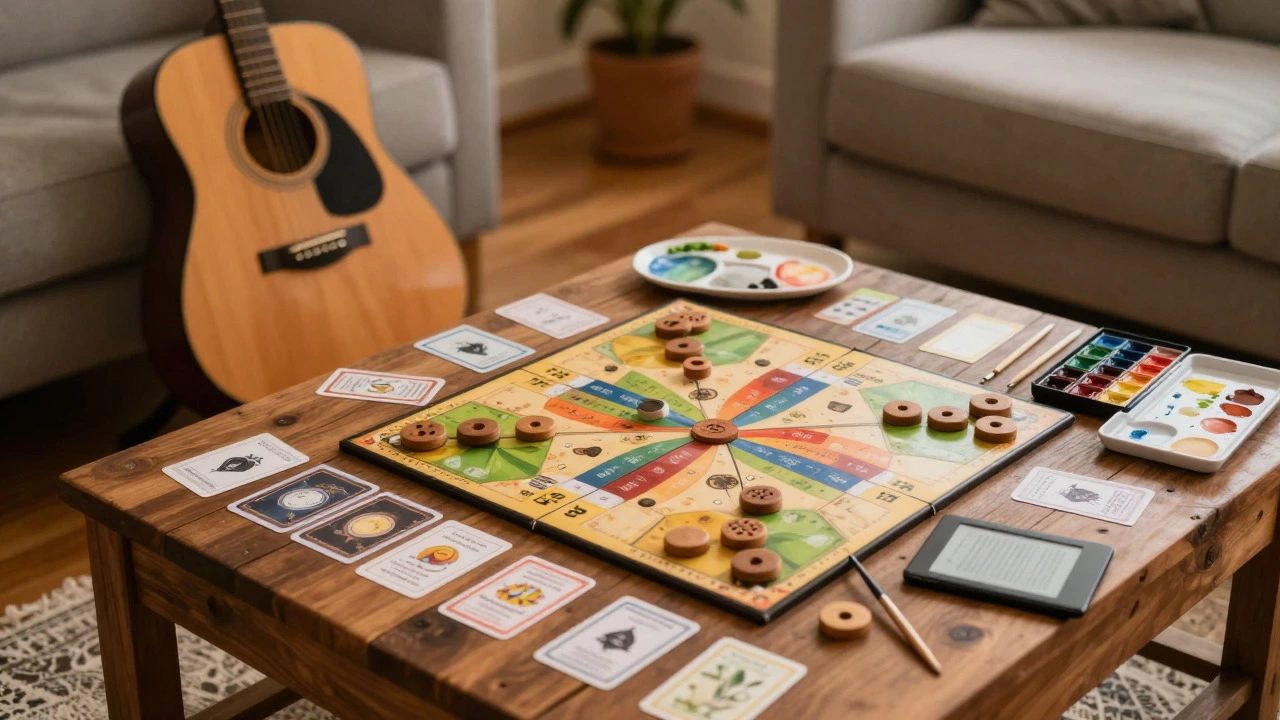
Board Games are tabletop games involving strategy, luck, or cooperation played with pieces, cards, and dice. Modern board games range from simple party games like Codenames to complex strategy titles like Catan. Quality components matter; thick cardboard meeples and wooden tokens last longer than flimsy plastic ones. Investing in a sturdy carrying case protects these investments during travel.
For creative expression, Acoustic Guitars are stringed instruments that produce sound through vibration of strings transferred to a soundboard. Beginner guitars should have low action (string height) to reduce finger pain. Spruce tops are preferred for their bright tone, while mahogany bodies offer warmth. Regular tuning and string changes keep the instrument playable and enjoyable.
Art supplies also qualify as recreational equipment. Watercolor Paint Sets contain pigments mixed with gum arabic, used for painting with water. Student-grade paints are cheaper but less vibrant, while artist-grade paints offer superior lightfastness and color intensity. Palettes with wells help manage water and pigment mixing, preventing muddy colors.
Even tech gadgets fit here. E-Readers are digital devices designed primarily for reading e-books using e-ink technology. Unlike tablets, e-ink screens reduce eye strain and mimic paper. Battery life lasting weeks makes them ideal for long trips. Waterproof models are available for beach or bath reading.
Choosing the Right Equipment for Your Needs
With so many options, how do you decide what to buy? Start by assessing your frequency of use. If you plan to hike once a year, renting gear might be smarter than buying. However, if you’re committed to a regular routine, investing in quality pays off in comfort and safety.
Consider your skill level. Beginners often benefit from versatile, forgiving equipment. A mid-range tennis racket is easier to learn on than a pro-level one. As you improve, you’ll identify specific needs that justify specialized gear.
Budget is always a factor. Set a realistic limit and prioritize items that impact safety or core enjoyment. For camping, a reliable tent is non-negotiable. For gaming, a comfortable chair enhances long sessions. Don’t overspend on accessories before mastering the basics.
Maintenance extends the life of your gear. Clean your hiking boots after each trip. Oil your wooden guitar fretboard. Store your kayak out of direct sunlight to prevent UV damage. Proper care saves money and ensures your equipment performs when you need it.
Common Mistakes to Avoid
One common error is buying too much too soon. Enthusiasm leads to impulse purchases of gear you never use. Start small. Test the waters with basic equipment before expanding your collection.
Ignoring fit is another pitfall. Shoes that pinch cause blisters. Helmets that don’t snugly fit offer false security. Always try on protective gear and footwear whenever possible. Online shopping requires careful attention to size charts and return policies.
Overlooking local conditions can lead to disappointment. In Sydney’s humid summers, breathable fabrics are essential. Heavy winter coats are useless unless you’re heading to the mountains. Tailor your choices to your environment.
Finally, neglecting safety standards. Ensure helmets meet AS/NZS certifications. Check that climbing ropes have UIAA approval. Safety gear isn’t an area to cut corners.
What is the difference between recreational equipment and sports equipment?
Sports equipment is specifically designed for competitive or structured athletic activities, often following strict regulations. Recreational equipment is a broader term that includes sports gear but also encompasses items for casual hobbies, outdoor adventures, and mental leisure activities like board games or art supplies.
Is it better to buy or rent recreational equipment?
Renting is ideal for infrequent activities or when testing a new hobby. Buying makes sense for regular use, as owning gear ensures availability, hygiene, and customization. Consider the cost per use; if you’ll use it more than five times, purchasing is usually more economical.
How do I maintain my outdoor recreational gear?
Clean gear after each use to remove dirt and moisture. Dry tents and sleeping bags completely before storing to prevent mold. Lubricate moving parts like zippers and buckles. Store items in cool, dry places away from direct sunlight to preserve materials.
What safety certifications should I look for in recreational equipment?
Look for recognized standards such as AS/NZS for Australian products, CE marking for European goods, or UIAA for climbing gear. Helmets should meet specific impact resistance standards. Checking for these labels ensures the equipment has undergone rigorous safety testing.
Can children use adult-sized recreational equipment?
Generally, no. Adult equipment is heavier and sized for larger bodies, which can hinder technique and increase injury risk. Children’s gear is designed with lighter materials and appropriate dimensions. Using properly sized equipment promotes better skill development and safety.
Where can I find affordable recreational equipment?
Check second-hand markets, online marketplaces, and outlet stores. Seasonal sales offer discounts on previous year’s models. Local community centers sometimes lend gear for free or low cost. Prioritize condition over brand name when buying used.
Does recreational equipment expire?
Yes, especially items exposed to stress or UV light. Climbing ropes degrade over time and should be replaced every few years. Helmets have expiration dates due to material fatigue. Rubber components like tires and seals can crack with age. Regular inspections help identify worn-out gear.