Key Characteristics of Sports Equipment: A Buyer's Guide
 Apr, 13 2026
Sports Gear Selection Assistant
Not sure which gear characteristics you need? Select your primary goal and skill level to find the ideal gear traits.
1. What is your primary goal?
2. Your Skill Level:
Recommended Characteristics:
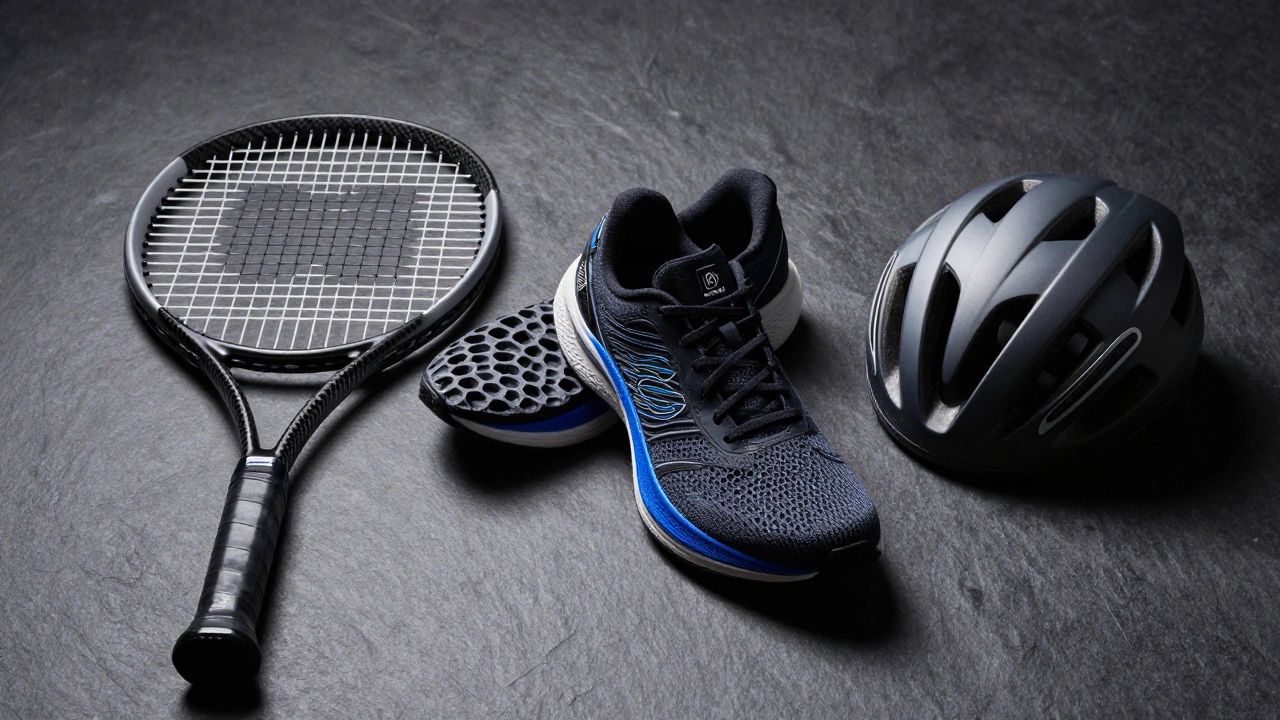
Ever wonder why a professional tennis racket costs five times more than a store-brand version, or why some running shoes feel like clouds while others feel like concrete? It usually comes down to the specific traits baked into the gear. When we talk about sports equipment characteristics, we aren't just talking about a color or a brand name. We are talking about the physics of how a piece of gear interacts with your body and the environment to either boost your performance or, in the worst cases, cause an injury.
If you're picking up a new hobby or upgrading your professional kit, you need to know what actually matters. Does it need to be stiff? Flexible? Aerodynamic? Understanding these traits helps you stop wasting money on gear that doesn't fit your actual needs. Here is a breakdown of what makes athletic equipment work.
Core Essentials: What Defines Great Gear
At its simplest level, any piece of gear is designed to solve a problem. Whether it's a helmet protecting a skull or a surfboard gliding on water, the characteristics are chosen based on the intended outcome. Most high-quality equipment shares a few primary traits: durability, ergonomics, and specialized material composition.
First, let's look at Durability. This isn't just about how long something lasts before it breaks; it's about how it handles stress. For example, a rugby ball needs to withstand thousands of high-impact collisions without losing its shape. If the casing is too soft, the ball becomes an oval and ruins the game. If it's too hard, it becomes a projectile that can cause concussions.
Then there's Ergonomics. This is how the equipment fits the human body. A poorly designed bicycle saddle can lead to chronic nerve pain, while a well-engineered one distributes weight across the sit bones. Ergonomics ensure that the gear works with your natural movement rather than fighting against it.
The Role of Material Science
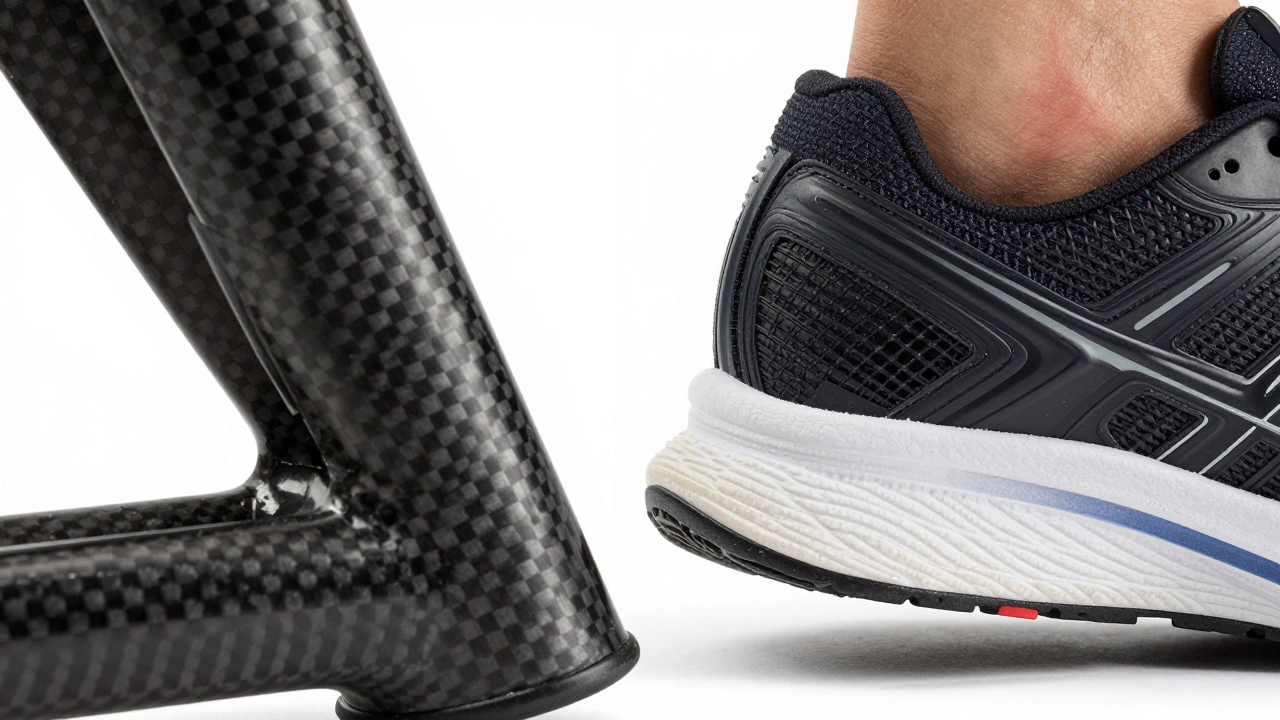
The materials used are the biggest driver of a piece of equipment's characteristics. We've moved far beyond simple wood and leather. Today, Carbon Fiber is the gold standard for stiffness and weight. You'll find it in high-end road bikes and tennis rackets because it allows the gear to be incredibly light without bending under pressure.
On the flip side, Polyurethane and various specialized foams are used where shock absorption is the goal. Think about the midsole of a marathon shoe. The goal here is energy return-the ability of the material to compress and then "push" the runner forward. If the material is too stiff, the runner gets tired faster; if it's too soft, they lose speed.
| Material | Primary Characteristic | Common Use Case | Trade-off |
|---|---|---|---|
| Carbon Fiber | High Stiffness-to-Weight | Racing Bicycles | Brittle if impacted sideways |
| Aluminum | Lightweight & Durable | Baseball Bats | Less "feel" than wood |
| Kevlar | Extreme Tensile Strength | Protective Gear | Difficult to manufacture |
| Titanium | Corrosion Resistance | High-end Golf Clubs | Very expensive |
Performance Traits: Speed, Power, and Control
Depending on the sport, you'll prioritize different performance characteristics. If you're playing a sport centered on speed, Aerodynamics is everything. In cycling or skiing, the shape of the equipment is designed to reduce drag. A teardrop shape on a helmet allows air to flow smoothly over the head, shaving seconds off a race time.
When power is the goal, we look at Tension and Elasticity. A tennis player who wants more power will often use a racket with a larger head size and lower string tension. This creates a "trampoline effect," where the ball sinks deeper into the strings and bounces back with more velocity. A player looking for control, however, will tighten those strings to reduce the bounce and increase precision.
Weight distribution is another critical factor. In golf, the center of gravity in a driver's head determines how the ball launches. A lower center of gravity helps the golfer get the ball into the air more easily, which is a trait usually sought after by beginners. Pros often prefer a more neutral balance to keep the ball flight lower and more piercing through the wind.
Safety and Protection Characteristics
Not all gear is meant for performance; some is purely for survival. The characteristics of safety equipment are centered around Impact Attenuation-the ability to absorb and disperse energy. A boxing glove isn't just a cushion; it's a tool to protect both the wearer's knuckles and the opponent's face by increasing the surface area of the hit and slowing down the deceleration of the punch.
In sports like American football or hockey, the gear must balance protection with visibility. A helmet that is too bulky provides great protection but ruins the athlete's peripheral vision, which can actually lead to more accidents. This is why modern helmets use multi-density foams that provide high protection in small, targeted zones without needing a massive shell.
Water-based gear has its own set of requirements. A Wetsuit must be buoyant and thermally insulating. The neoprene material is chosen because it traps small bubbles of nitrogen, which act as an insulating layer against cold ocean currents, a vital characteristic for surfers or open-water swimmers.
How to Evaluate Gear Before Buying
When you're standing in a store or browsing online, it's easy to get blinded by marketing. To find the right gear, you need to apply a few simple rules of thumb. First, check the weight. If a piece of gear feels surprisingly light, ask why. Is it because of high-quality carbon fiber, or is it just cheaply made with thin plastics? Lightweight is great for speed, but sometimes a bit of weight is necessary for stability.
Second, look at the joints and seams. In clothing or protective gear, this is where failure happens. Double-stitched seams or reinforced panels in high-wear areas (like the knees of rugby pants) are a sign of a product designed for the actual rigors of the sport.
Third, consider the adaptability. Does the equipment allow for adjustment? A tennis grip that can be customized with overgrip tape or a bicycle seat with adjustable tilt allows you to tune the equipment to your specific anatomy. Gear that is "one size fits all" rarely fits anyone perfectly.
Common Pitfalls in Equipment Choice
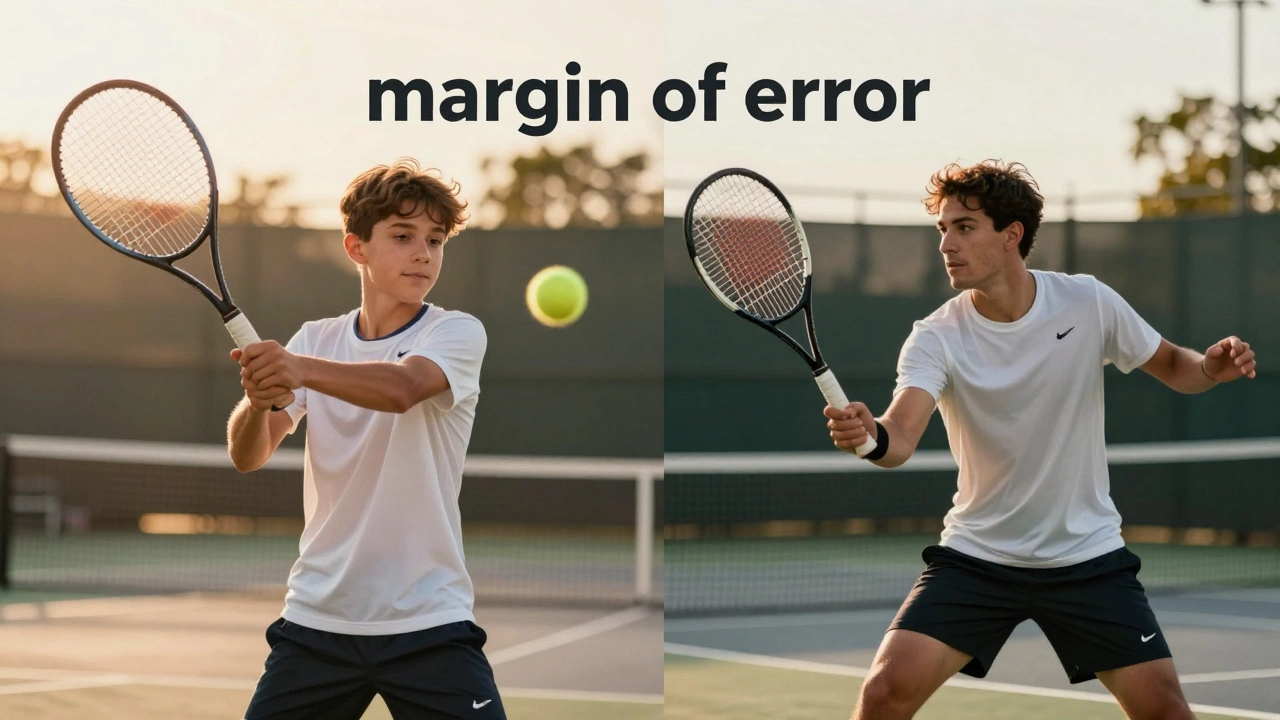
One of the biggest mistakes people make is buying "pro-level" gear too early. High-end equipment often has very specific characteristics that require a certain skill level to utilize. For example, a professional-grade tennis racket has a very small "sweet spot." If you hit the ball perfectly, the result is incredible. If you're off by half an inch, the vibration is jarring and the ball goes nowhere. A beginner's racket has a larger sweet spot, making the game more forgiving.
Another trap is ignoring the environment. Using a "hard-court" tennis shoe on a clay court is a recipe for disaster. The tread characteristics of a hard-court shoe are designed for grip and friction, but on clay, they'll slide around or get clogged with dirt, ruining the shoe and your balance.
Does more expensive equipment always mean better characteristics?
Not necessarily. Higher price points often pay for brand prestige or the absolute latest marginal gains in material science (like shaving 10 grams off a racket). For most enthusiasts, there is a point of diminishing returns where a mid-range piece of gear provides 95% of the performance of a pro-level item at half the cost.
What is the difference between "stiff" and "flexible" gear?
Stiffness generally translates to power and efficiency-less energy is lost during the movement (like a stiff bike frame transferring more power to the pedals). Flexibility usually translates to comfort, control, and injury prevention (like flexible running shoes that absorb shock). The right choice depends on whether you prioritize raw output or longevity and feel.
How do I know if my gear is worn out?
Look for a loss of original characteristics. If your running shoes no longer "bounce" and feel flat, the EVA foam has collapsed. If a tennis racket's strings feel "dead" and the ball doesn't spring back, the tension has dropped. If a helmet has taken a significant impact, the internal foam is likely crushed and can no longer protect your head, even if the outside looks fine.
Why does material choice matter for safety?
Materials determine how energy is managed. Hard plastics distribute an impact over a wider area to prevent penetration, while soft foams absorb that energy to prevent the force from reaching the body. A good piece of safety gear uses a combination of both-a hard shell and a soft liner.
Is carbon fiber always the best choice?
It's the best for strength-to-weight ratios, but it's not the best for everything. Carbon fiber is brittle; a hard side-impact can crack a carbon bike frame that an aluminum frame would simply dent. It's also significantly more expensive and harder to repair.
Next Steps for Your Gear Upgrade
If you're looking to improve your game, don't just buy the most expensive item on the shelf. Start by identifying which characteristic you're currently lacking. Do you feel like you're losing power? Look for stiffer materials and higher tension. Are you getting injured or feeling fatigued? Prioritize ergonomics and shock absorption.
For those just starting, focus on versatile gear with a wide "margin of error." As your skill improves, your needs will shift from "forgiving" characteristics to "precision" characteristics. Keep a log of how your gear feels after a month of use; this will tell you more about what you actually need than any marketing brochure ever will.