Walking All Day in Running Shoes: Pros, Cons, and Best Choices
 Apr, 6 2026
Footwear Recommendation Tool
Answer a few questions to find the best running shoe category for your long day of walking.
Your Recommendation:
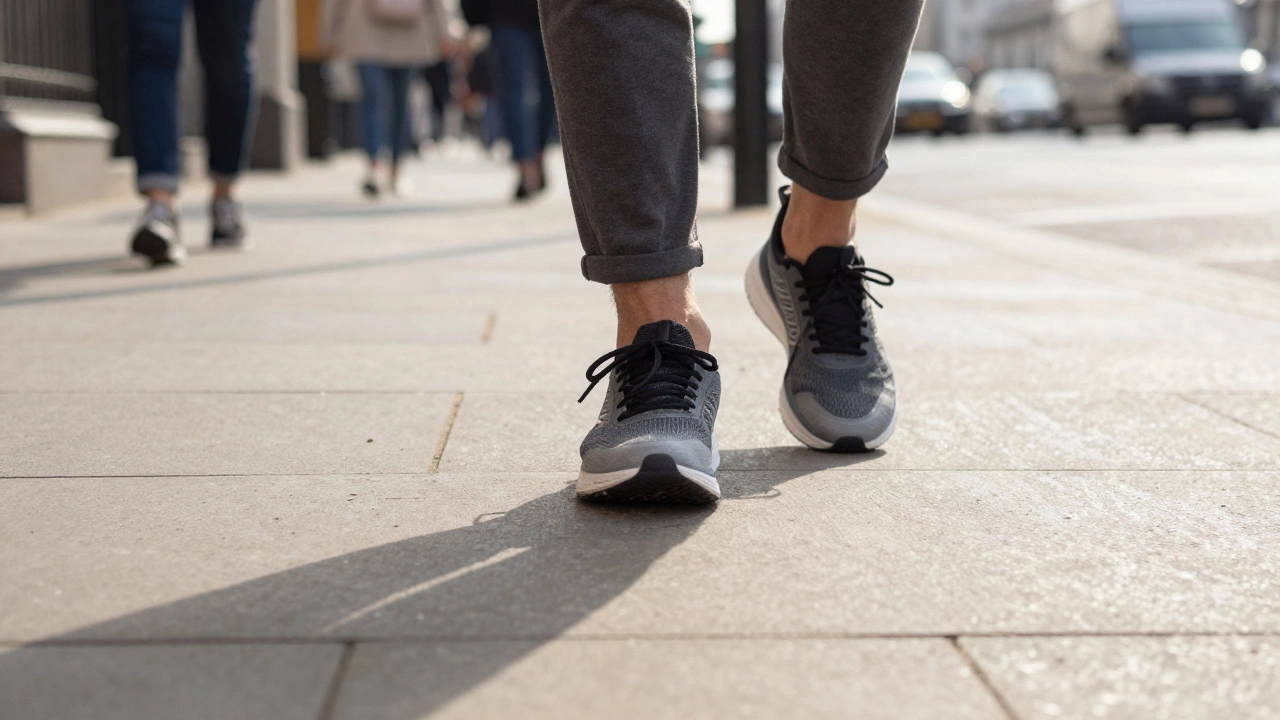
Imagine you've got a busy day ahead-maybe a city tour, a theme park trip, or a long shift on your feet. You look at your closet and see a pair of high-tech sneakers. You think, "These are built for miles of pounding pavement, so they must be perfect for walking." But here is the catch: running and walking are not the same movement. While it seems like a no-brainer, wearing running shoes for walking all day can either be a lifesaver for your joints or a recipe for sore arches, depending on the specific type of shoe you pick.
Quick Summary: The Bottom Line
- Yes, you can walk in running shoes, but not all running shoes are created equal.
- Walking requires more heel cushioning and flexibility at the forefoot than running.
- Maximalist shoes are great for concrete, while stability shoes help those with flat feet.
- Avoid using "racing flats" or carbon-plated shoes for all-day walking.
The Mechanics: Why Walking Isn't Just Slow Running
To understand if a shoe works for a 10,000-step day, we have to look at how your foot actually moves. When you run, you spend less time on the ground and often land on your midfoot or forefoot. When you walk, you have a full Gait Cycle, which means your heel hits the ground first every single time.
Because of this, a Walking Shoe is typically designed with a softer heel and a more flexible toe. Running shoes are often stiffer in the midfoot to provide energy return and propulsion. If you wear a very stiff running shoe for a slow walk, you might feel like you're fighting the shoe, leading to fatigue in your calves and shins.
Choosing the Right Type of Running Shoe for a Long Day
Not all sneakers in the "running" category do the same job. If you're planning to be on your feet for 8 to 12 hours, you need to match the shoe to your foot type and the surface you're walking on.
For most people, Neutral Cushioning Shoes are the safest bet. These provide a balanced layer of foam that absorbs the shock of every step. If you're walking on hard tile or concrete, look for "maximalist" options-shoes with a thick stack of foam. These reduce the pressure on the Plantar Fascia, the connective tissue that runs along the bottom of your foot, preventing that stabbing pain common in long days of standing.
However, if your ankles roll inward-a condition known as Overpronation-a standard cushion shoe might actually make your feet ache. In this case, you need a Stability Shoe. These have a firmer piece of foam (often called a medial post) on the inside of the arch to keep your foot aligned. Without this support, walking all day can lead to knee pain and hip misalignment.
| Shoe Type | Best For... | Pros for Walking | Cons for Walking |
|---|---|---|---|
| Neutral Cushion | High arches / Neutral gait | Extreme softness, shock absorption | Lack of arch support for flat feet |
| Stability/Support | Flat feet / Overpronation | Prevents ankle roll, better alignment | Can feel "stiff" or heavy |
| Maximalist | Hard surfaces (Concrete) | Low joint impact, high comfort | Less "ground feel," can feel clunky |
| Racing/Plated | Speed work/Marathons | Lightweight | Too stiff, unstable for slow walking |
The Danger Zone: When Running Shoes Fail You
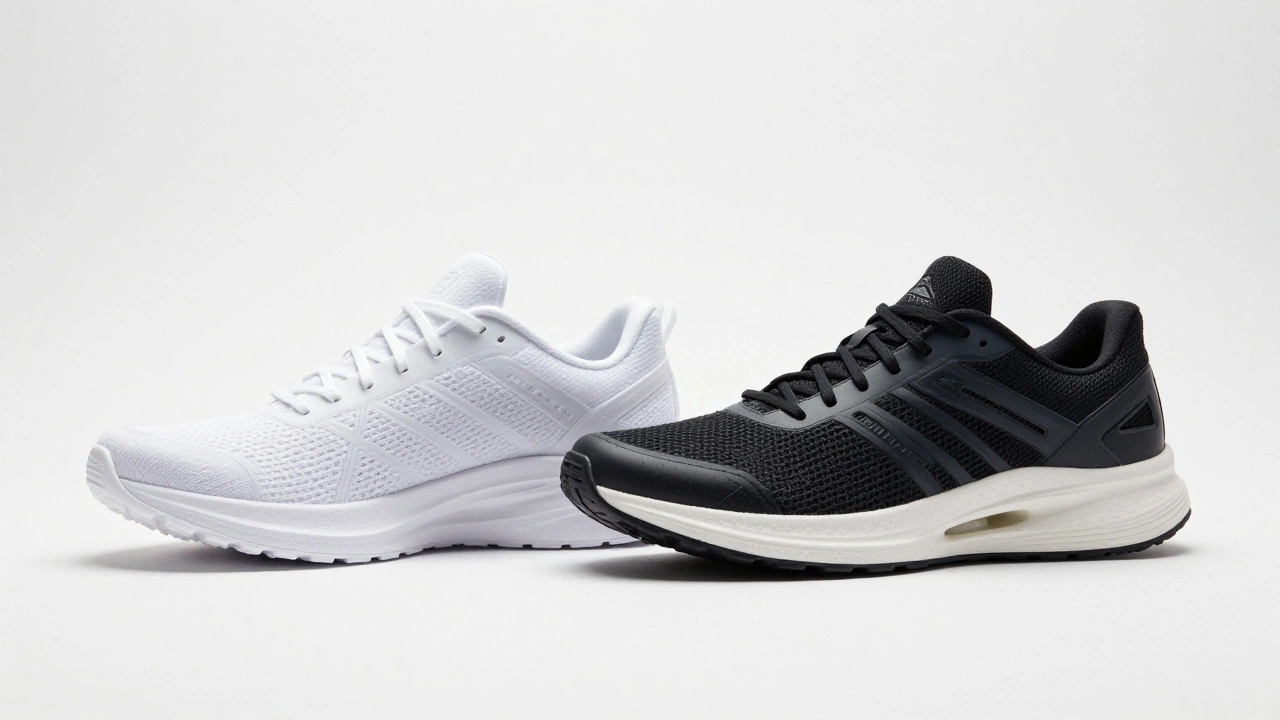
You might be tempted to grab those fancy Carbon Fiber Plate shoes you see marathoners wearing. Don't do it. Those shoes are designed to spring you forward at a specific speed. When you walk, you aren't hitting the "sweet spot" of the plate. Instead, the shoe acts like a rigid plank, forcing your foot to move in unnatural ways. This can lead to blisters on the balls of your feet and general instability.
Another pitfall is the "worn-out" shoe. Most EVA Foam (the stuff most midsoles are made of) loses its bounce after 300 to 500 miles. If you've already run a few marathons in your shoes, the cushioning is likely compressed. Walking in "dead" shoes is like walking on a thin piece of cardboard; you'll feel every pebble and crack in the sidewalk, and your lower back will likely feel it by the end of the day.
Pro Tips for All-Day Comfort
If you've decided to use your running shoes for a long day of walking, a few small adjustments can make a huge difference in how you feel at 8 PM.
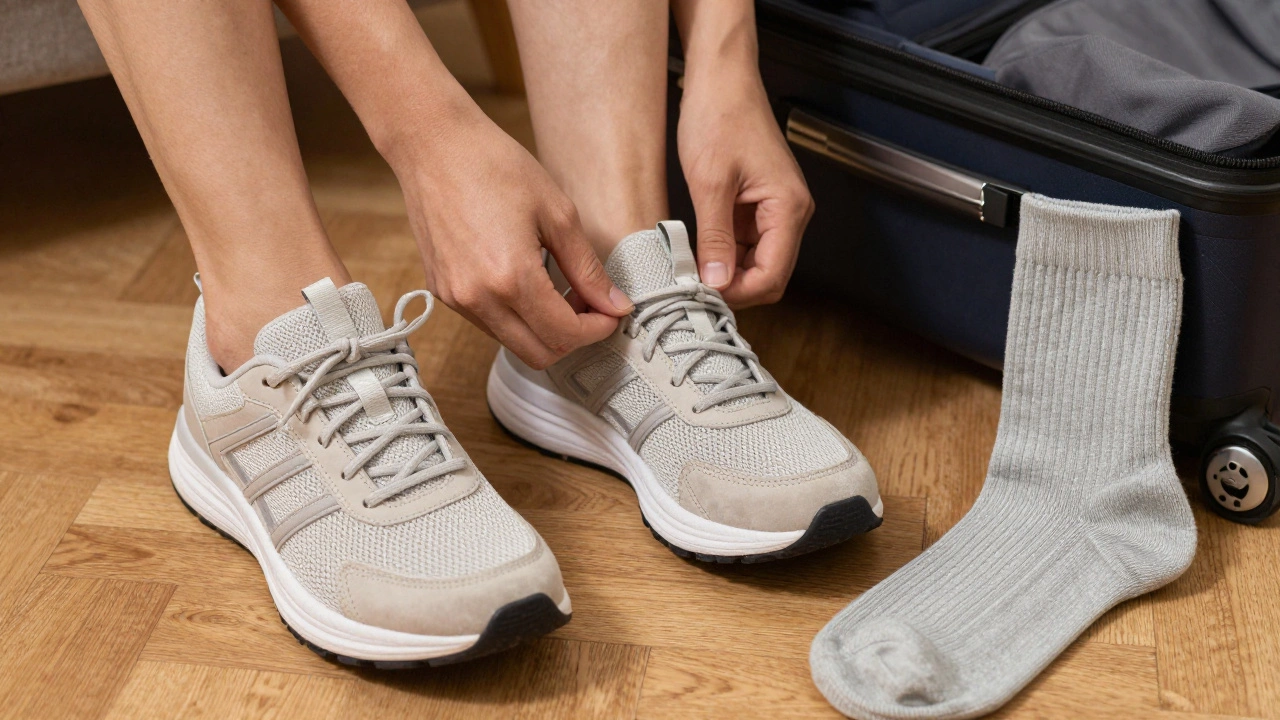
- The Sock Factor: Avoid 100% cotton socks. They hold onto moisture, which creates friction and leads to blisters. Use a synthetic blend or merino wool. These wick moisture away and provide a second layer of cushioning.
- Lacing Technique: Don't tie your shoes too tight. Your feet naturally swell throughout the day. If you lock them down tight at 8 AM, by noon they'll feel like vices. Give your toes a bit of wiggle room.
- The "Two-Shoe" Strategy: If you're on a trip, bring two different pairs of shoes. Switching from a stability shoe to a neutral cushion shoe halfway through the day changes the pressure points on your feet, which can prevent fatigue and soreness.
Common Foot Problems and Their Shoe Solutions
Different people experience different pains. Depending on what hurts, your choice of running shoe should change. For instance, if you struggle with Plantar Fasciitis, you need a shoe with a significant "drop" (the height difference between the heel and the toe). A flat, zero-drop shoe can put too much tension on the Achilles tendon and the fascia during a long walk.
If you have wide feet, avoid "performance fit" running shoes that taper sharply at the toe. Look for brands that offer a wide toe box. If your toes are squeezed together, you'll develop hot spots and blisters, and you might even trigger a bunion flare-up. Your foot should be able to splay naturally as you push off the ground.
Will I get blisters if I walk in running shoes all day?
Not necessarily, but it depends on the fit. Blisters are caused by friction. If the running shoe is too big and your foot slides, or too small and pinches your toes, you'll get blisters. The key is a snug heel and a roomy toe box, paired with moisture-wicking socks.
Are running shoes better than walking shoes?
In many cases, yes. Running shoes generally have more advanced cushioning technology and better shock absorption than basic walking shoes. However, they are designed for a different motion. A dedicated walking shoe is more flexible at the forefoot, whereas a running shoe is built for propulsion.
Can I use my trail running shoes for city walking?
You can, but it's not ideal. Trail shoes have deep lugs for grip on mud and dirt. On flat concrete, those lugs can feel unstable and wear down quickly. They are often stiffer and heavier, which might make your feet tire faster on a flat sidewalk.
How often should I replace my walking/running shoes?
Most experts suggest replacing them every 300 to 500 miles. If you use them for daily walking, this usually means every 6 to 12 months. If the midsole feels hard or you start feeling new pains in your knees or hips, it's time for a new pair.
Do I need orthotic inserts in my running shoes for walking?
If the shoe provides enough arch support for your specific foot type, you don't need them. However, if you have very flat feet or high arches and the shoe's stock insole isn't doing the job, a medical-grade orthotic can provide the stability needed to walk all day without pain.
Next Steps for Your Feet
If you're still unsure which shoe to pick, start by observing your old sneakers. Look at the soles: is the wear heavier on the inside edge (overpronation) or the outside edge (supination)? This will tell you if you need a stability shoe or a neutral one.
For those with chronic foot pain, a visit to a podiatrist for a gait analysis is the gold standard. They can tell you exactly how your foot strikes the ground and suggest a shoe model that corrects your specific movement. In the meantime, remember to stretch your calves and roll your feet over a tennis ball after a long day to keep the muscles loose and happy.