Are Sneakers Sportswear? The Real Difference Explained
 Jul, 6 2026
Sneaker vs. Sportswear Analyzer
Analyze Your Footwear
Select the characteristics that best describe the shoes you are evaluating.
Analysis Result
Select features and click Analyze to see if your shoes are built for performance or style.
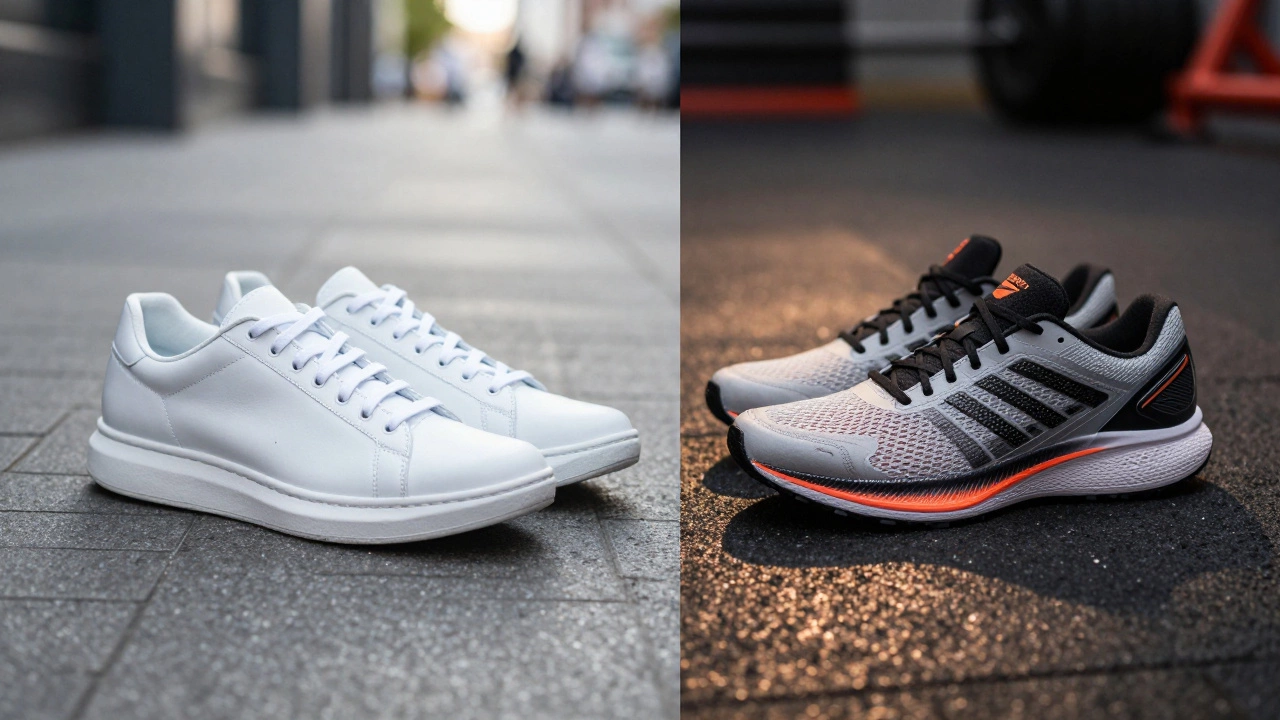
Look at your feet. What are you wearing? If they’re white leather shoes with a rubber sole, you might be standing on the blurry line between fashion and function. For decades, we’ve thrown around terms like "sneakers," "trainers," and "athletic shoes" as if they mean the exact same thing. But here is the uncomfortable truth: not every shoe you wear to the gym is actually built for sports.
The question "Is sneakers a sportswear?" sounds simple, but it trips up even seasoned athletes. It’s a category error that costs people money, comfort, and sometimes their joints. To answer this properly, we need to strip away the marketing hype and look at what these shoes actually do. Are they tools for performance, or are they just comfortable clothes?
The Definition Gap: Fashion vs. Function
Let’s start with the basics. Sportswear is clothing and equipment designed specifically for physical activity, prioritizing performance, safety, and durability over aesthetics. When you buy sportswear, you are buying engineering. You want moisture-wicking fabric because sweat kills grip. You want reinforced stitching because lateral movement puts stress on seams. You want specific cushioning because your knees will thank you later.
Sneakers, on the other hand, are casual shoes characterized by flexible soles and laces, originally designed for tennis or general athletics but now dominated by lifestyle and streetwear culture. The term itself comes from the silent way they moved across indoor tennis courts in the late 19th century-"sneaking" up on opponents. Today, however, the vast majority of sneakers sold globally are never used for a single minute of actual sport.
This distinction matters because the materials differ wildly. A true piece of sportswear uses technical meshes, carbon fiber plates, or specialized foams like EVA (Ethylene-Vinyl Acetate) tuned for energy return. A fashion sneaker uses canvas, genuine leather, or suede. These materials look great on Instagram, but they trap heat, weigh you down, and offer zero support for high-impact movements. If you run five kilometers in heavy leather fashion sneakers, you aren’t just being stylish; you’re inviting shin splints.
How Purpose Dictates Design
To understand why sneakers often fail as sportswear, you have to look at the anatomy of the shoe. Athletic footwear is highly specialized. There is no such thing as a "universal" sports shoe anymore. Manufacturers segment their products based on biomechanics.
- Running Shoes: Designed for forward motion. They feature heel-to-toe drop angles, rear-foot cushioning, and lightweight uppers. They are terrible for side-to-side movements.
- Cross-Trainers: Built for stability. They have flatter soles and wider bases to handle weightlifting, agility drills, and multi-directional changes.
- Court Shoes (Basketball/Tennis): Focus on ankle support and lateral containment. The outsoles are made of sticky rubber to prevent sliding on hardwood or clay.
Compare this to the average lifestyle sneaker. It usually has a flat, uniform sole with generic tread patterns meant for pavement, not traction on a court. The upper is often stiff leather that restricts natural foot flexion. The midsole is dense foam that doesn’t compress enough to absorb impact during a jump. In short, a fashion sneaker is a compromise. It tries to be everything, which means it’s nothing when you actually need performance.
Consider the Nike Air Force 1. Released in 1982, it was originally basketball sportswear. Today, it weighs nearly twice as much as modern basketball shoes. It lacks the breathable mesh needed for intense cardio. It is a cultural icon, yes, but it is no longer functional sportswear. It has graduated from the gym to the street.
The Rise of "Athleisure": Blurring the Lines
If the lines are so clear, why are we confused? Enter Athleisure, a market trend blending athletic apparel with everyday casual wear, driven by comfort-focused consumers and remote work cultures. This trend exploded in the 2010s and hasn’t stopped growing. By 2025, the global athleisure market was valued at over $600 billion. People started wearing yoga pants to coffee shops and running shoes to offices.
This shift changed how companies design shoes. Brands realized that selling a shoe that looks like it belongs on a track but feels good walking to the bus stop was a goldmine. They began marketing "lifestyle" collections under the same umbrellas as their professional sports divisions. You see the same swoosh or star logo on a $200 fashion sneaker and a $200 marathon racer. The branding suggests they are cousins, but their DNA is different.
For the consumer, this creates a false equivalence. Just because a shoe has a tech-inspired name doesn’t make it sportswear. Many "performance" sneakers found in department stores are actually just durable casual shoes. They might have some foam cushioning, but they lack the structural integrity required for repetitive high-impact exercise. Wearing them for a serious workout is like driving a luxury sedan on a rally track-it might move, but it won’t perform, and it might break.
When Sneakers Become Sportswear Again
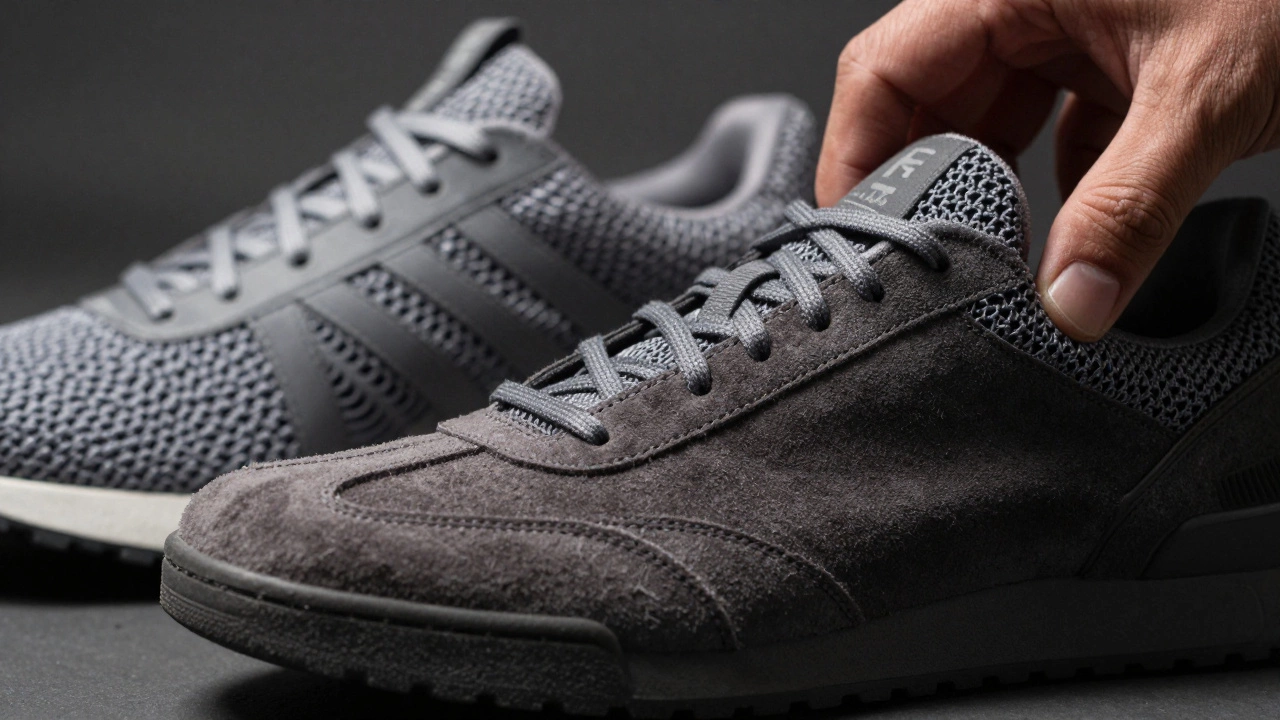
However, it’s not all bad news. Not all sneakers are fashion victims. There is a massive category of footwear that sits comfortably in both worlds. We call these "hybrid" or "daily trainer" shoes. These are sneakers that retain enough technical features to be considered entry-level sportswear while looking clean enough for casual wear.
Think about shoes like the New Balance Fresh Foam series or certain models from On Running. They use advanced foam technology for comfort, which helps your legs during a light jog or a long day of standing. They have breathable uppers. They are lightweight. You can wear them to a yoga class, a casual hike, or a dinner date without looking out of place. In this specific niche, the sneaker is sportswear.
The key difference lies in the intensity of the activity. If your "sport" is walking the dog, doing bodyweight exercises at home, or playing pickleball casually, a high-quality lifestyle sneaker might suffice. But if you are lifting heavy weights, sprinting, or playing competitive basketball, you need dedicated sportswear. The margin for error shrinks as the intensity rises.
| Feature | Lifestyle Sneaker | Performance Sportswear |
|---|---|---|
| Primary Goal | Aesthetics & Comfort | Performance & Safety |
| Upper Material | Leather, Suede, Canvas | Technical Mesh, Knit, Synthetic |
| Sole Technology | Flat Rubber, Basic Foam | Specialized Cushioning, Traction Patterns |
| Breathability | Low to Moderate | High (Moisture-Wicking) |
| Durability Context | Pavement/Walking | High-Impact/Court/Gym Floor |
| Weight | Heavier | Lightweight |
The Health Cost of Confusion
Why does this distinction matter beyond semantics? Because your body pays the price. Using the wrong footwear for an activity is one of the most common causes of overuse injuries. Plantar fasciitis, Achilles tendonitis, and knee pain are often traced back to inadequate support.
Imagine trying to play tennis in dress shoes. You would slip immediately. Now imagine playing tennis in heavy, stiff fashion sneakers. You won’t slip as easily, but your ankles will roll because the shoe doesn’t stabilize lateral movement. Your feet will sweat excessively because the leather traps heat, leading to blisters and fungal infections. Over time, the lack of proper arch support in a flat-soled sneaker can alter your gait, causing pain that radiates up your spine.
Sportswear is engineered to mitigate these risks. It distributes impact forces evenly. It locks your foot in place to prevent twisting. It keeps your skin dry. Ignoring these features in favor of style is a gamble with your physical health. For beginners especially, investing in proper sportswear is cheaper than paying for physiotherapy later.
How to Choose the Right Shoe
So, how do you navigate this crowded market? Here is a practical checklist to determine if a pair of sneakers is actually sportswear suitable for your needs.
- Check the Label: Look for keywords like "running," "training," "court," or "trail." If it says "lifestyle," "retro," or "classic," assume it is for casual wear only.
- Feel the Upper: Pinch the material. Is it thick and stiff? Or thin and stretchy? Sportswear should feel like a second skin, not a boot.
- Inspect the Sole: Does the tread pattern match your surface? Deep lugs for trails, smooth herringbone for courts, and moderate patterns for roads. Flat, worn-looking soles are for streets.
- Weigh It: Pick up the shoe. If it feels heavy, it’s likely using dense materials for durability rather than performance. Athletic shoes prioritize lightness.
- Test the Flex: Bend the shoe at the toe box. It should flex where your foot naturally bends. If it resists or folds in the middle of the arch, it’s poorly designed for movement.
Don’t be fooled by collaborations. A famous designer partnering with a sports brand usually results in a fashion item, not a performance upgrade. The tech inside rarely matches the price tag outside.
Conclusion: Know Your Lane
Are sneakers sportswear? Sometimes. But mostly, they are fashion. The overlap exists, but it is smaller than marketing makes it seem. Understanding the difference empowers you to make better choices. Wear your cool vintage kicks to brunch. Save the engineered, breathable, supportive sportswear for the gym. Your style will remain intact, and your joints will stay healthy. In the world of footwear, context is king. Know where you are going, and choose the tool that gets you there safely.
Can I wear fashion sneakers for light jogging?
It depends on the distance and intensity. For a very short, slow jog (under 2 kilometers), sturdy fashion sneakers might suffice if you have no pre-existing foot issues. However, they lack the shock absorption and breathability of real running shoes, increasing the risk of blisters and joint strain. For regular jogging, always invest in dedicated running sportswear.
What is the main difference between trainers and sneakers?
In many regions, the terms are used interchangeably. However, technically, "trainers" often refers to shoes designed for gym training and cross-fit activities, offering stability and support. "Sneakers" is a broader term that includes both athletic shoes and casual fashion footwear. All trainers are sneakers, but not all sneakers are trainers.
Do expensive sneakers mean better sportswear?
Not necessarily. High prices in sneakers often reflect brand prestige, limited edition status, or premium materials like leather, which are not ideal for sports. True high-performance sportswear can be expensive due to R&D and technology, but you can also find excellent performance shoes at mid-range prices. Focus on the technology and fit, not the price tag or hype.
Is it safe to wear basketball shoes for running?
No, it is generally not recommended. Basketball shoes are designed for lateral (side-to-side) movement and vertical jumping. They are heavier and have less forward-roll cushioning than running shoes. Using them for running can lead to inefficient gait mechanics and increased fatigue, potentially causing injury over time.
How often should I replace my sportswear shoes?
Most experts recommend replacing athletic shoes every 300 to 500 miles (480 to 800 kilometers). Even if the outer layer looks fine, the internal foam cushioning breaks down over time, losing its ability to absorb shock. If you feel new aches in your knees or feet, it’s likely time for a new pair.