What Does Sport Gear Mean? A Complete Guide to Sports Equipment
 Aug, 17 2026
Sport Gear Suitability Checker
Confused about whether your current kit works for a new activity? Select your target sport and describe your current setup to see if you need specialized gear or can stick with general fitness wear.
Analysis Results
Detailed Breakdown
Recommended Actions
Ever walked into a sporting goods store and felt overwhelmed by the sheer volume of items labeled as "gear"? You see helmets, cleats, rackets, and pads, but what exactly distinguishes sport gear from just... stuff you use while exercising? It’s a question that trips up beginners and even confuses seasoned athletes when they’re trying to buy the right kit for their specific discipline. Understanding this distinction isn't just about vocabulary; it’s about safety, performance, and getting your money’s worth.
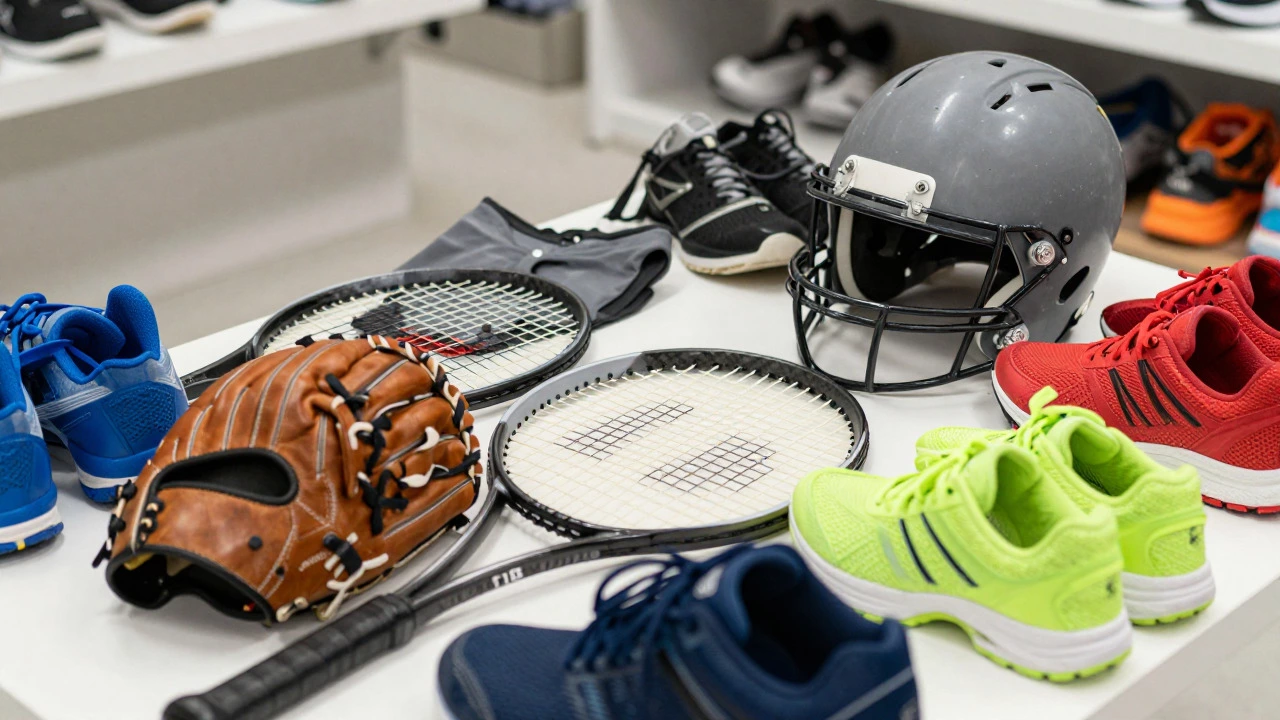
Sport gear is the collective term for all specialized equipment, clothing, and accessories designed specifically to facilitate participation in a particular sport or physical activity. Unlike general fitness clothes, which are often one-size-fits-all, sport gear is engineered with precision. A baseball glove is not just a leather bag; it’s a tool shaped to catch a 90mph fastball. A swimming cap isn’t just headwear; it reduces drag in the water. This specificity is the core definition that separates sport gear from generic athletic apparel.
The Core Components of Sports Equipment
To really grasp what makes something "gear," we need to break it down into its functional categories. Most sports rely on three main types of equipment: protective, performance-enhancing, and regulatory. Each serves a distinct purpose and has different requirements based on the rules of the game or the physics of the movement.
- Protective Gear: Items designed to prevent injury. Think hockey helmets, football shoulder pads, or cycling knee guards. These are non-negotiable in high-impact sports because the cost of failure is physical damage.
- Performance Tools: Equipment that interacts directly with the object of the sport. Tennis rackets, golf clubs, soccer balls, and rowing oars fall here. The quality of these items directly influences how well you perform.
- Regulatory Apparel: Clothing mandated by league rules. For example, cricket whites must be white, and rugby jerseys have specific number placements. While they look like regular shirts, they are classified as gear because they are required for official play.
This categorization helps you understand why you can’t just wear a t-shirt to a tennis match. The shirt might be comfortable, but it doesn’t meet the performance or regulatory needs of the sport. Sport gear is always tied to a specific context.
Why Specificity Matters: The Physics of Performance
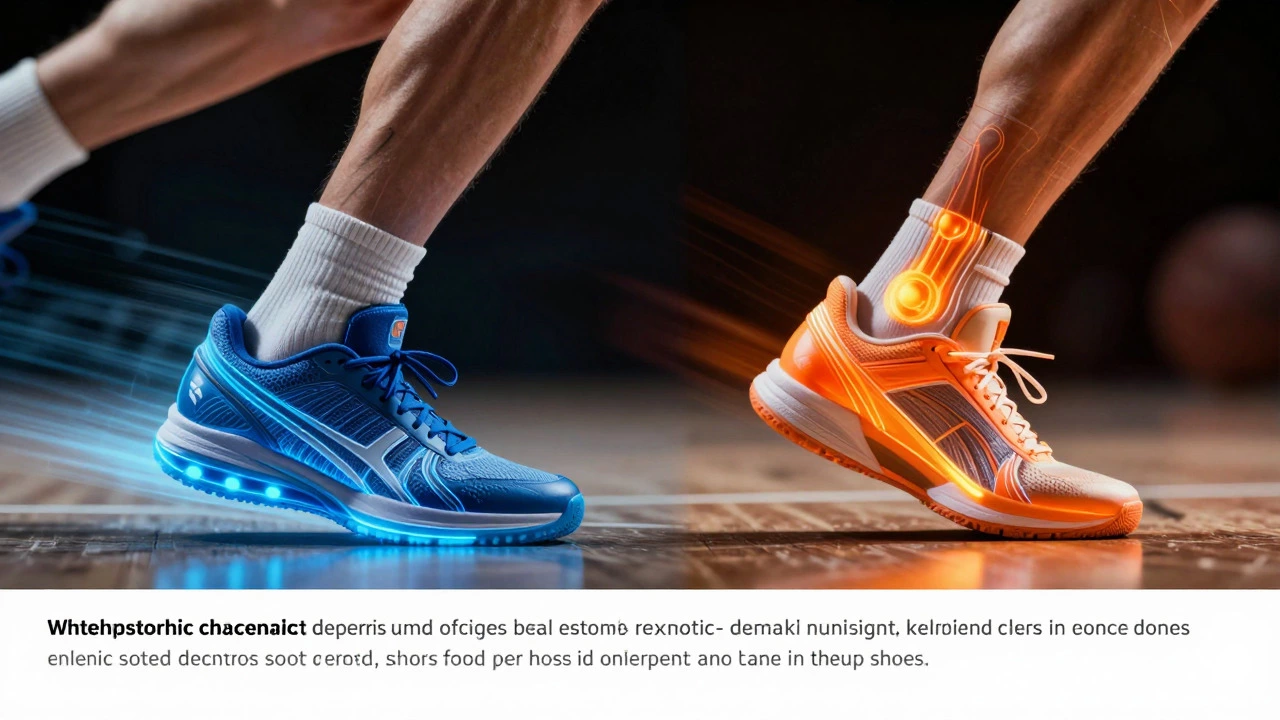
You might wonder why manufacturers spend millions developing specific shoes for running versus basketball. It comes down to biomechanics. Running involves repetitive forward motion with heel-to-toe strikes, requiring cushioning in the midsole. Basketball involves lateral cuts, jumps, and sudden stops, requiring ankle support and traction patterns that handle multi-directional force.
If you try to run a marathon in basketball shoes, you’ll likely suffer from blisters or joint pain. If you play basketball in running shoes, you risk rolling an ankle because the sole isn’t stable enough for lateral movements. This is where the concept of athletic footwear becomes critical. It is not just a shoe; it is a suspension system tailored to the kinetic demands of the activity.
Similarly, consider protective padding. In American football, the helmet is designed to absorb impact energy over a larger surface area to reduce concussive forces. In ice hockey, the helmet is harder and more rounded to withstand pucks flying at high speeds. Two pieces of "headgear" serve completely different mechanical functions based on the threat model of each sport.
Comparing General Fitness Wear vs. Specialized Sport Gear
A common point of confusion is the line between gym clothes and actual sport gear. Let’s look at a direct comparison to clarify the differences.
| Feature | General Fitness Wear | Specialized Sport Gear |
|---|---|---|
| Primary Purpose | Comfort and moisture management during varied exercises | Optimization for specific sport mechanics and rules |
| Material Focus | Breathable fabrics (polyester blends) | Technical composites (carbon fiber, Kevlar, specialized foams) |
| Fit Requirement | Loose or flexible fit for range of motion | Precise fit to prevent interference with equipment |
| Regulatory Status | No strict standards | Often subject to league approval (e.g., NFHS, FIFA) |
| Lifespan | Long (until fabric degrades) | Shorter (performance degrades with use, e.g., racket strings) |
Notice the lifespan difference. A pair of yoga pants can last years. A set of tennis strings loses tension after a few weeks of play, affecting spin and control. This means sport gear often requires maintenance or replacement cycles that general wear does not.
The Role of Technology in Modern Equipment
In the past, sport gear was mostly leather, wood, and basic rubber. Today, material science has transformed almost every category. Carbon fiber, once reserved for aerospace applications, is now standard in high-end tennis rackets and bicycle frames. Why? Because carbon fiber offers a high strength-to-weight ratio. A lighter frame means less energy spent moving it, allowing cyclists to maintain higher speeds with less fatigue.
Consider also the rise of smart gear. Smartwatches now track heart rate variability and sleep quality, providing data that helps athletes adjust their training loads. GPS vests used in rugby and football track player positioning and speed, offering coaches insights into tactical execution. These devices bridge the gap between physical effort and data analysis, making sport gear a part of a broader ecosystem of performance monitoring.
How to Choose the Right Gear for Your Needs
Knowing what sport gear is helps, but knowing how to pick the right piece is where the real value lies. Here is a practical framework for selecting equipment without overspending or buying the wrong item.
- Identify the Primary Use Case: Are you playing competitively, recreationally, or training? Competitive players need regulation-compliant gear. Recreational users can prioritize comfort and durability over elite specs.
- Check for Certification Marks: Look for labels like ASTM (American Society for Testing and Materials) for helmets or CE marks for European markets. These ensure the gear meets safety standards.
- Assess Fit and Sizing: Never assume your size in one brand matches another. Always check manufacturer sizing charts. For shoes, get fitted in the afternoon when feet are slightly swollen, mimicking game conditions.
- Evaluate Durability vs. Weight: Heavier gear is often more durable. Lighter gear is faster but may wear out quicker. Decide which trade-off matters more for your level of play.
- Consider Maintenance Requirements: Some gear, like golf clubs or skis, requires professional tuning. Factor in this ongoing cost before purchasing.
A pro tip: Don’t buy the most expensive item on the shelf. Often, the mid-range option offers 90% of the performance for 50% of the price. Elite gear usually includes marginal gains that only top-tier professionals notice.
Maintenance and Longevity: Caring for Your Investment
Sport gear is an investment, but it depreciates if neglected. Proper care extends its life and maintains its performance characteristics.
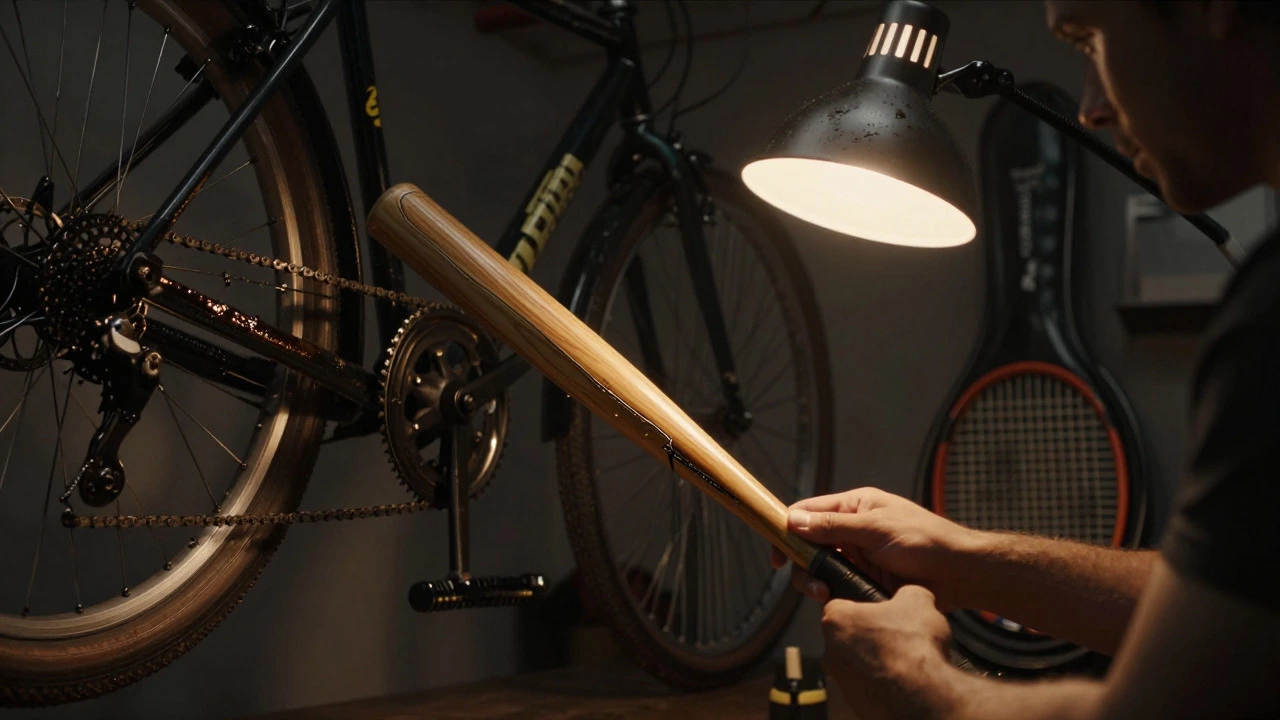
For textile-based gear like jerseys and shorts, wash them inside out in cold water to preserve elastic fibers and prevent color fading. Avoid fabric softeners, which can clog moisture-wicking pores. For hard goods like bats, rackets, and helmets, inspect them regularly for cracks or delamination. A small crack in a baseball bat can turn into a catastrophic break during a swing, posing a safety risk.
Storage also matters. Keep rackets in humidified cases to prevent string degradation. Store bikes indoors to avoid rust on the chain and gears. Simple habits like these can double the usable life of your equipment.
Frequently Asked Questions
Is sport gear the same as sports equipment?
Yes, the terms are largely interchangeable in casual conversation. However, "equipment" sometimes implies heavier, stationary items like treadmills or weight racks, while "gear" often refers to portable items worn or carried by the athlete. In practice, both cover the full spectrum of tools used in sports.
Do I need professional-grade gear to start a new sport?
No. Beginners should start with entry-level or mid-range gear. Professional gear is expensive and often tuned for specific techniques that take time to develop. As your skill improves, you will naturally identify which features matter to you, guiding your future upgrades.
How long do sports shoes typically last?
Running shoes generally last between 300 to 500 miles. Basketball shoes may last longer due to less repetitive impact but wear out faster on the soles due to lateral friction. Monitor the midsole compression and tread depth to determine when it’s time to replace them.
What is the difference between recreational and competitive sport gear?
Competitive gear must meet specific league regulations regarding materials, dimensions, and markings. Recreational gear prioritizes comfort, durability, and cost-effectiveness. While recreational gear is safe, it may lack the precision engineering found in competition-grade items.
Can I use old sport gear for younger siblings or friends?
It depends on the item. Protective gear like helmets and pads should be replaced if they show signs of wear or if the previous user had significantly different body proportions, as fit affects protection. Balls, rackets, and clothing can often be reused if they are still in good condition.