What is Sport Equipment Made Of? A Guide to Modern Materials
 Apr, 27 2026
Sport Material Selector
Not sure which material is right for your gear? Select a priority below to see the recommended materials and their trade-offs.
Recommended For: -
Select a priority to get a professional insight.
Quick Takeaways on Gear Materials
- Carbon Fiber: The gold standard for strength-to-weight ratio in rackets, bikes, and poles.
- Polymers & Plastics: Versatile materials like Polyurethane and Nylon used for shoes and protective gear.
- Metals: Titanium and Aluminum provide durability and rigidity for clubs and frames.
- Natural Fibers: Leather and Cotton still play a role in grip and comfort.
- Advanced Foams: EVA and Polyethylene provide shock absorption in sneakers and helmets.
The Magic of Carbon Fiber and Composites
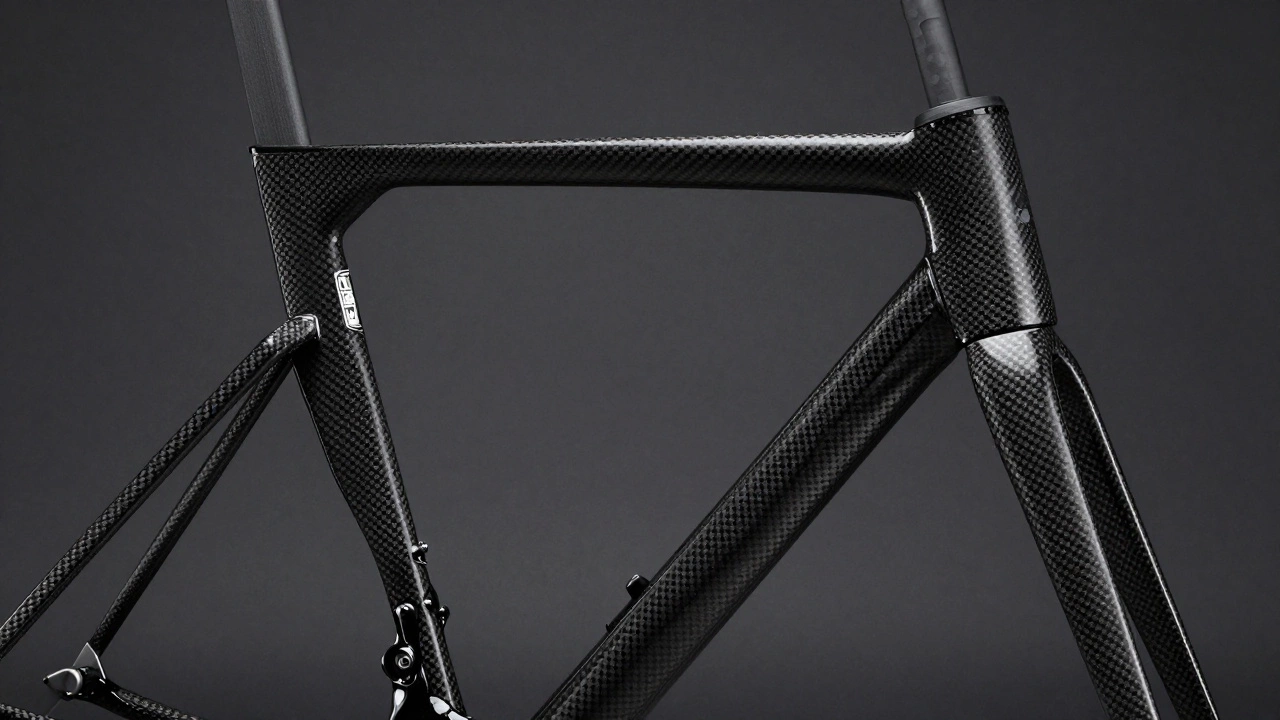
If you see something that's incredibly light yet stiff, it's probably made of Carbon Fiber is a polymer based on carbon atoms that provides extreme rigidity and low weight. Often used in the form of Carbon Fiber Reinforced Polymer (CFRP), it's the backbone of modern high-performance gear. In a high-end cycling frame, carbon fiber allows engineers to vary the thickness of the tubes-making them stiff where you need power and flexible where you need comfort.
But carbon fiber doesn't work alone. It's usually bound together by Epoxy Resin, which acts as the glue that holds the fibers in place. This combination creates a composite material. You'll find this in everything from archery bows to professional hockey sticks. The trick is in the weave; a 3K weave (three thousand filaments per tow) provides a different balance of strength and flexibility than a unidirectional layout. Why does this matter? Because a slight change in the resin-to-fiber ratio can be the difference between a racket that vibrates your arm numb and one that feels like an extension of your hand.
Metals: Beyond Simple Steel
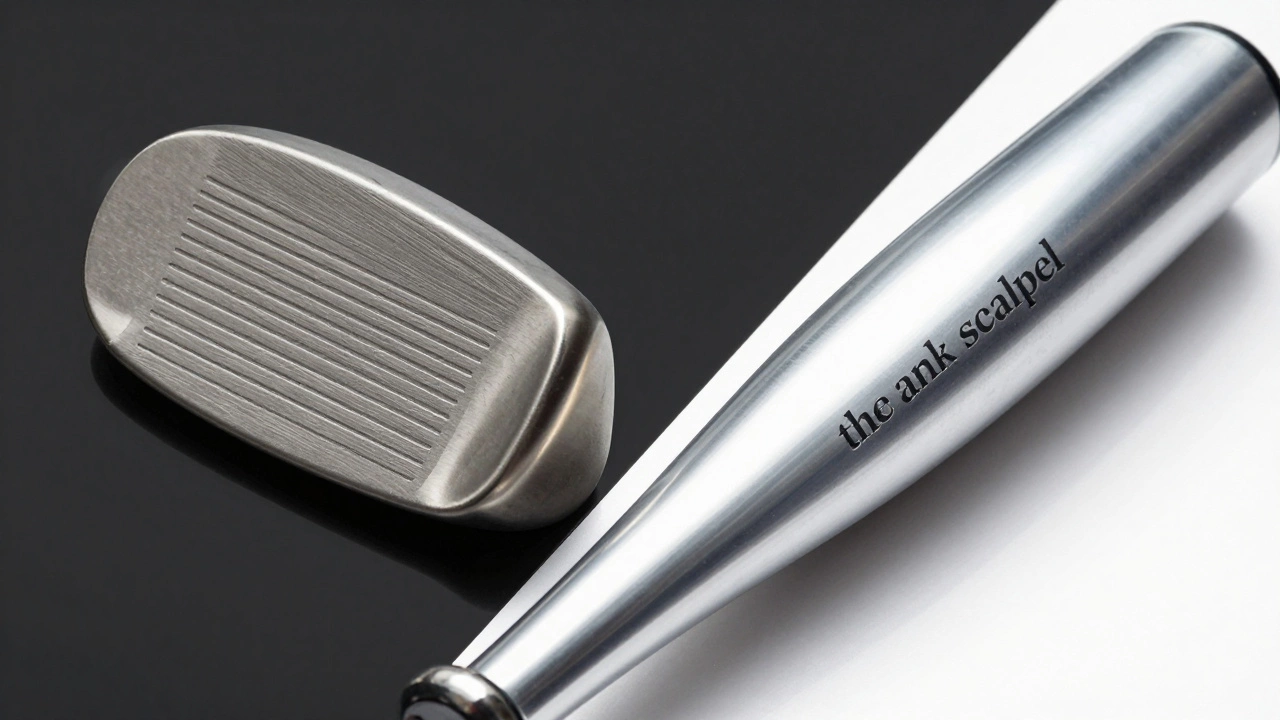
Steel was the king for decades, but it's too heavy for the modern game. Now, we look at Titanium, a metal known for having the highest strength-to-density ratio of any metallic element. You'll find it in high-end golf club heads and professional bike components because it resists corrosion and doesn't bend under pressure.
Then there's Aluminum Alloys, which are essentially aluminum mixed with other metals like magnesium or copper to stop it from being too soft. Most entry-level mountain bikes and baseball bats use these alloys. They are cheaper than carbon fiber and can take a beating without shattering, though they lack the "snap" of a composite material. If you're choosing between an aluminum and a carbon frame, remember that aluminum is a tank, while carbon is a scalpel.
| Material | Key Attribute | Common Use Case | Pros | Cons |
|---|---|---|---|---|
| Carbon Fiber | Ultra-lightweight | Tennis Rackets, Pro Bikes | Maximum Power/Speed | Expensive, Brittle |
| Titanium | Corrosion resistant | Golf Drivers, Implantable Gear | Extreme Durability | Hard to Manufacture |
| Polyurethane | Elasticity | Shoe Soles, Protective Pads | Great Shock Absorption | Wears down over time |
| Kevlar | High Tensile Strength | Hocky Socks, Helmets | Cut/Impact Resistant | Difficult to shape |
The Science of Plastics and Synthetic Polymers
Most of the sport equipment materials we touch daily are synthetic polymers. Take your running shoes, for example. The midsole isn't just "foam"; it's often Ethylene Vinyl Acetate (EVA), a closed-cell foam that's incredibly good at absorbing impact. Some brands have moved toward TPU (Thermoplastic Polyurethane), which is bouncier and lasts longer, meaning your shoes don't "die" after 300 miles.
Then we have Nylon, a synthetic polymer that is prized for its abrasion resistance. It's why your gym bags, soccer nets, and swimsuits are made from it. It doesn't stretch out of shape easily and dries quickly. For high-impact protection, like football helmets or shin guards, manufacturers use Polycarbonate, a tough, transparent plastic that can take a massive hit without cracking. It’s essentially the same stuff used in bulletproof glass, scaled down for your safety on the field.
The Role of Advanced Fabrics and Textiles
Clothing is just equipment you wear. The biggest shift here has been the move from cotton-which holds onto water and makes you heavy-to moisture-wicking synthetics. Polyester is the dominant fabric here because it's hydrophobic, meaning it pushes sweat away from your skin to the surface of the fabric where it can evaporate.
For those in high-contact sports, we see the use of Aramid Fibers (better known by the brand name Kevlar). These aren't just for vests; they're woven into the socks of hockey players to prevent skate cuts or into the shells of racing helmets to prevent skull fractures. The molecular structure of aramid fibers allows them to absorb and dissipate energy much more effectively than standard nylon.
Natural Materials: Still Relevant?
Believe it not, we haven't completely ditched nature. Leather is still the gold standard for baseball gloves and boxing punch bags because of its natural grip and the way it molds to the user's hand over time. While synthetic "vegan" leathers (usually PVC or PU) are common for budget gear, they lack the breathability and long-term durability of genuine cowhide.
Wood is also making a curated comeback. While carbon fiber dominates the pro tennis circuit, many purists still prefer the feel of a wooden racket or the specific pop of a Grade A ash wood baseball bat. The difference is in the dampening; wood absorbs vibration differently than a hollow composite tube, which some athletes find more "natural" for their timing and swing.
The Future of Gear: Smart Materials
We are entering the era of "active" materials. We're seeing the rise of Piezoelectric Materials, which can generate an electric charge when stressed. Imagine a shoe that not only tracks your steps but actually harvests energy from your stride to power a small sensor.
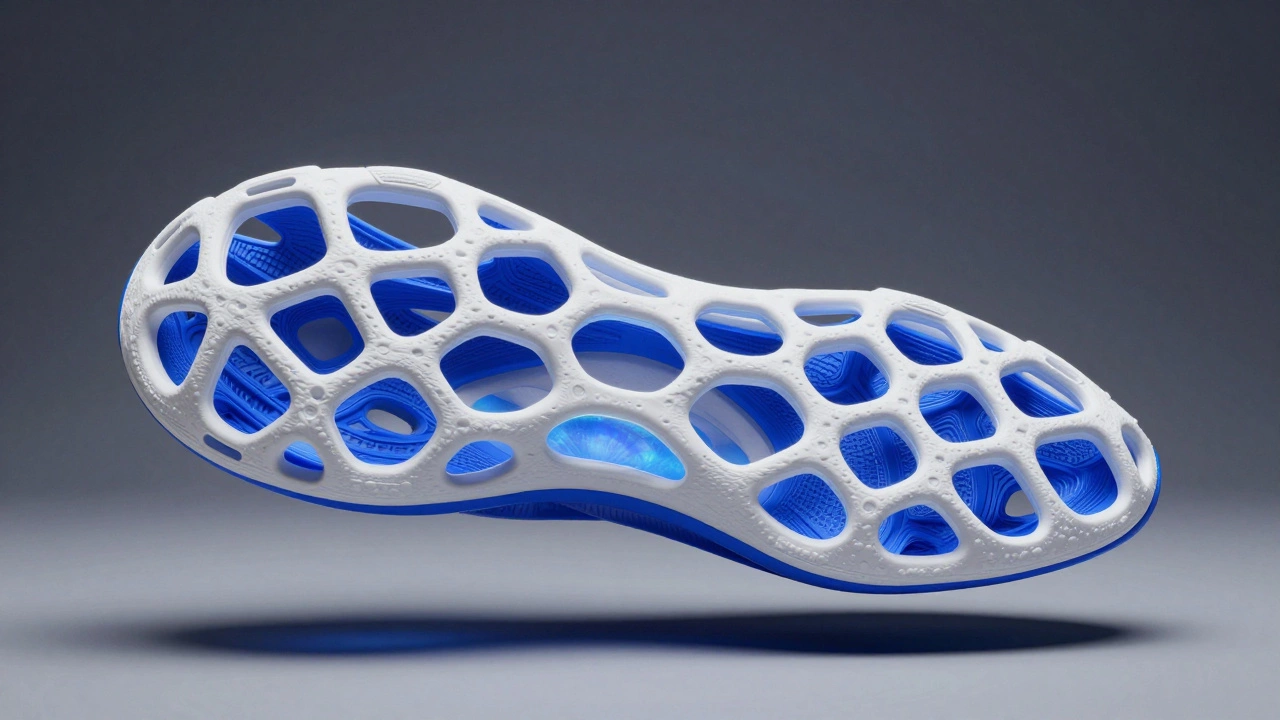
We're also seeing 3D printing (Additive Manufacturing) change the game. Instead of molding a piece of plastic, companies can now print a lattice structure using TPU that is perfectly tuned to an athlete's specific weight and gait. This means no more "one size fits all" cushioning; your gear is literally printed to match your anatomy.
Why is carbon fiber so expensive?
Carbon fiber is expensive because the process of creating the fibers-heating precursor chemicals to extreme temperatures in an oxygen-free environment-is energy-intensive. Furthermore, most high-end sports gear requires the fibers to be laid by hand in specific directions before being cured in an autoclave (a high-pressure oven), which adds significant labor costs.
Is titanium better than aluminum for sports gear?
It depends on the goal. Titanium is stronger and lighter than aluminum, making it "better" for peak performance. However, it is much harder to weld and shape, making the finished product significantly more expensive. For most casual athletes, aluminum provides a great balance of strength and affordability.
What is the difference between EVA and TPU foam?
EVA is softer and lighter, providing a "cloud-like" feel, but it compresses over time and loses its bounce. TPU is a more durable, elastic polymer that maintains its shape much longer and provides more energy return (bounce), though it is typically heavier than EVA.
Do synthetic fabrics actually perform better than cotton?
For athletic activity, yes. Cotton is absorbent, meaning it holds onto sweat and becomes heavy and cold. Synthetic fabrics like polyester are moisture-wicking, meaning they move sweat away from the skin, keeping the athlete dry and regulating body temperature more effectively during intense exercise.
Can carbon fiber gear be repaired?
Yes, but it's tricky. Unlike a metal frame that can be welded, carbon fiber requires a process of sanding down the damaged area, layering new carbon fabric and resin, and curing it under heat and pressure. While a specialist can fix a crack, the gear never quite returns to its original factory strength.
Next Steps for Gear Buyers
When you're shopping for your next piece of equipment, don't just look at the brand name-look at the material list. If you're a beginner, aluminum and EVA foams will give you the best value for your money. If you're trying to shave seconds off a race or increase your swing speed, that's when you start looking for carbon fiber and titanium. Just remember: the more "advanced" the material, the more fragile it often is. A carbon fiber bike is a speed demon, but a hard crash can crack the frame in a way that aluminum would just dent.