Why Is Boxing Only 10 Rounds? The Real Reason Behind the Limit
 Jan, 4 2026
Boxing Round Limit Checker
Select the type of boxing match to see the standard round limit.
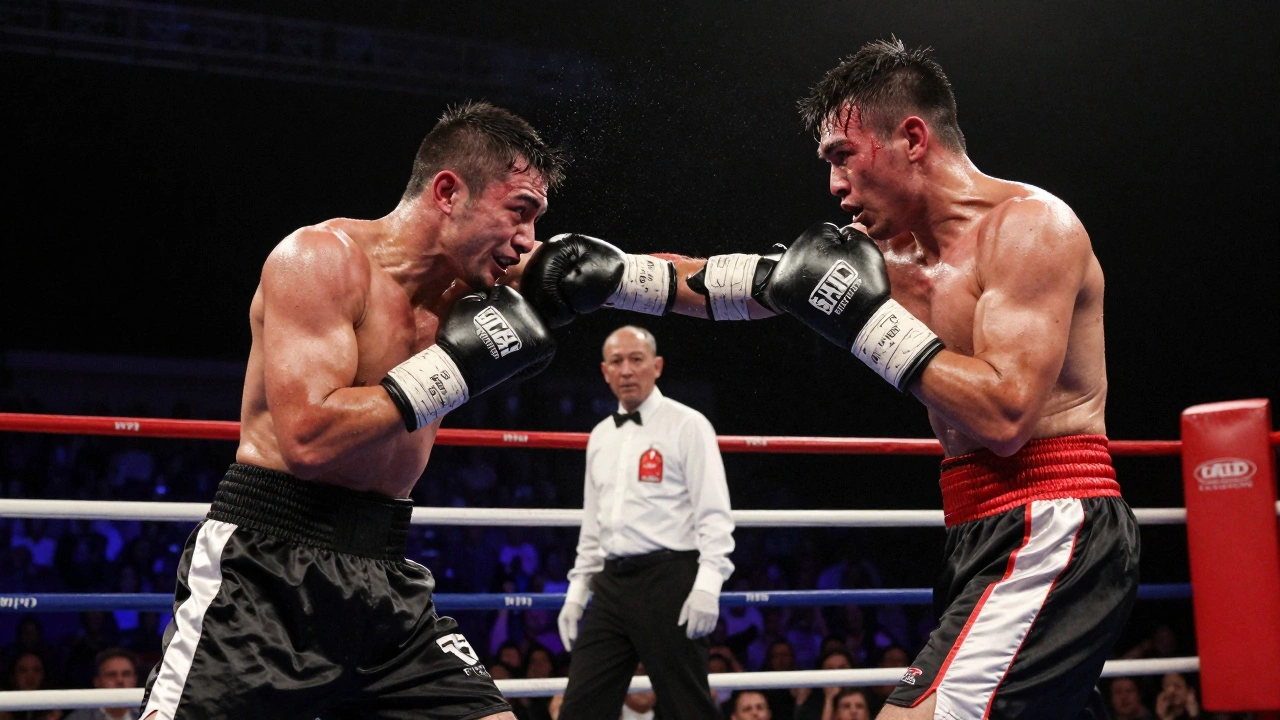
Ever watched a boxing match and wondered why it stops at 10 rounds? You’re not alone. Most people assume it’s always 12, like the big title fights. But here’s the truth: boxing isn’t always 12 rounds. In fact, most professional bouts - especially for up-and-coming fighters - are just 10 rounds. And there’s a very practical, safety-driven reason why.
It’s Not About Tradition - It’s About Safety
Boxing used to be much longer. In the 19th century, fights could go on for 40 or even 100 rounds, with no time limits. Fighters would bleed, collapse, and sometimes die in the ring. The sport was brutal, and there were no real rules protecting athletes. By the 1920s, after several high-profile deaths, boxing commissions started stepping in. The 15-round limit became standard for title fights, but even that was too much.
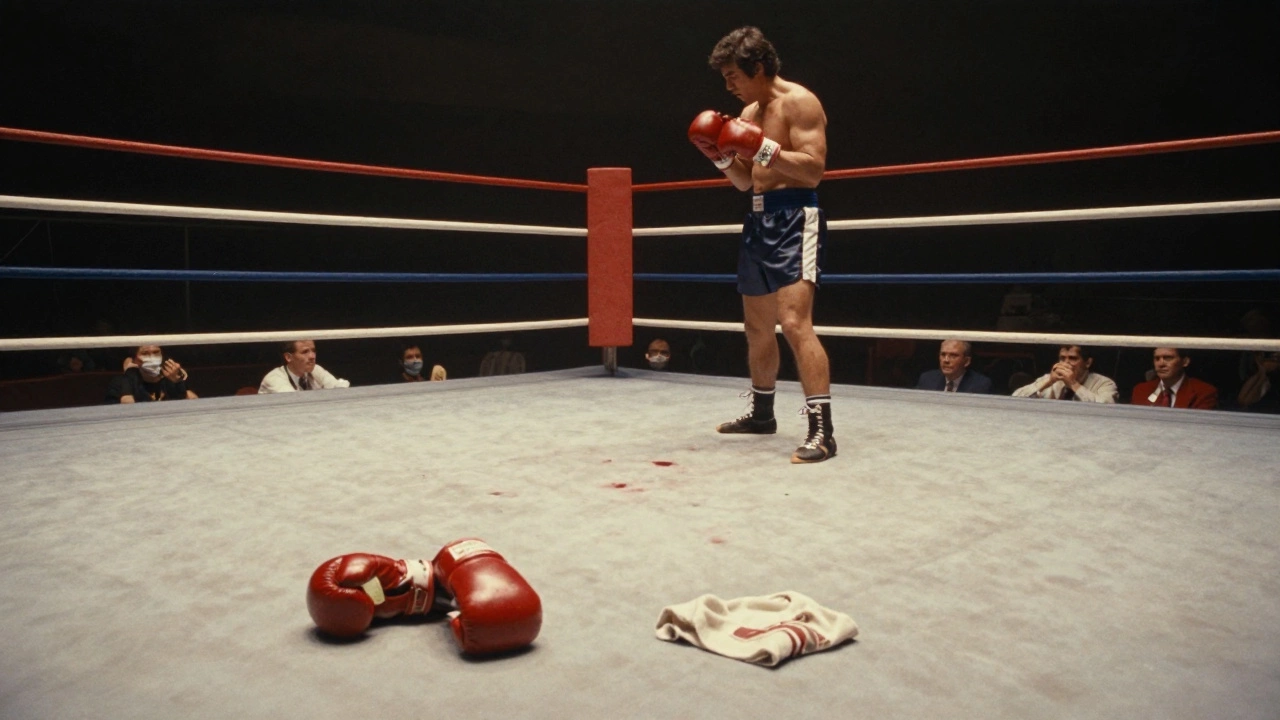
In 1982, the death of South Korean boxer Kim Duk-koo after a 14-round fight against Ray Mancini changed everything. The fight was televised worldwide. Viewers watched Kim collapse in the ring, slip into a coma, and die four days later. The public outcry was immediate. Medical experts, lawmakers, and boxing organizations all agreed: 15 rounds were too dangerous.
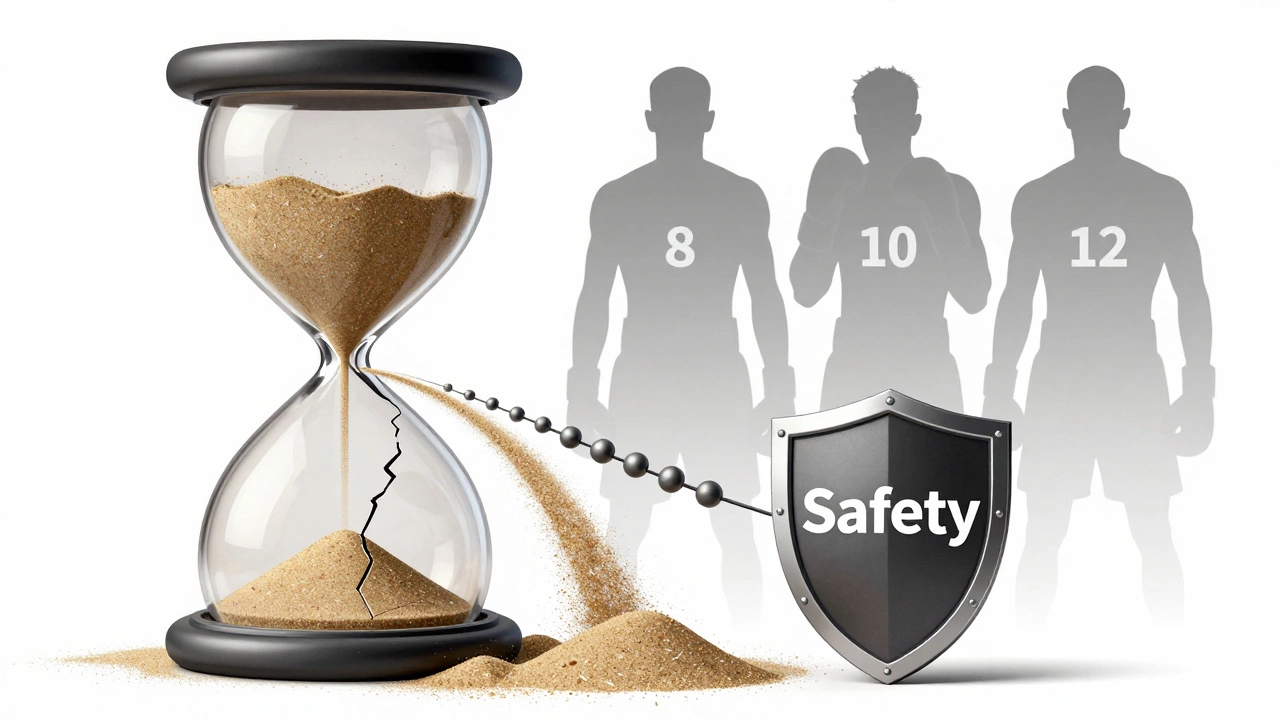
By 1988, the World Boxing Association (WBA), World Boxing Council (WBC), International Boxing Federation (IBF), and other major bodies dropped title fights from 15 to 12 rounds. But that wasn’t the end. For non-title fights - which make up the vast majority of bouts - the limit stayed at 10 rounds. Why? Because even 12 rounds carry risk. Ten rounds give fighters enough time to prove themselves without pushing their bodies to the edge.
Who Gets 10 Rounds? And Who Gets 12?
Not every boxer fights for 12 rounds. In fact, fewer than 1 in 5 professional bouts go the full 12. Here’s how it breaks down:
- 10 rounds: Most non-title fights, including regional titles, eliminator bouts, and fights on undercards. This is the standard for fighters ranked 5-15 in their division.
- 8 rounds: Fighters with fewer than 10 professional bouts. It’s a way to ease them into longer fights without overexposing them.
- 6 rounds: Debutants or fighters returning from long layoffs. Used to test stamina and technique without high risk.
- 12 rounds: Only for world title fights and mandatory challengers. Even then, some commissions allow 10-round title fights for lower-tier belts.
There’s a reason for this tiered system. A fighter’s body takes damage with every round. A 12-round fight can mean over 300 punches landed - and that’s just the ones you see. The unseen damage - micro-trauma to the brain, swelling in the joints, exhaustion of the cardiovascular system - adds up. Ten rounds is the sweet spot: long enough to test skill, short enough to protect health.
The Science Behind the Rounds
Neurologists and sports medicine experts have been studying this for decades. A 2019 study published in the Journal of Neurosurgery found that boxers who fought 10 or more rounds over their careers had a 37% higher risk of chronic traumatic encephalopathy (CTE) compared to those who fought fewer than 8 rounds. The risk didn’t spike until fighters hit 10 rounds consistently.
Each round lasts three minutes. That’s 30 minutes of high-intensity combat in a 10-round fight. Add in warm-up, breaks, and recovery time, and a fighter is under physical stress for over an hour. The body’s ability to recover between rounds is limited. After round 8, most fighters start showing signs of fatigue: slower footwork, reduced hand speed, delayed reactions. That’s when the risk of a bad knockdown or a missed block skyrockets.
That’s why top promoters and managers avoid pushing fighters to 12 rounds too early. They want their fighters to last. A 30-year-old boxer with 20 fights under his belt is more valuable than a 25-year-old who burned out after 15 fights. Ten rounds is the default because it balances competition with longevity.
Why Not Just Make All Fights 8 Rounds?
Some fans ask: Why not just shorten everything to 8 rounds? Simpler. Safer. Easier to schedule.
But boxing isn’t just about safety - it’s about spectacle. Fans want to see fighters prove they can go the distance. A 10-round fight lets a fighter make a comeback in the later rounds. It lets a late bloomer turn the tide. A 10-round bout gives time for strategy to unfold. A 6- or 8-round fight is more like a sprint. A 10-round fight is a marathon with spikes.
Also, TV networks and promoters need longer fights to fill airtime. A 10-round fight, with commercial breaks, fills a 90-minute broadcast slot. An 8-round fight? That’s only 60 minutes. That’s not enough for prime-time TV. The 10-round format is a compromise: long enough for drama, short enough for safety.
What About Women’s Boxing?
Women’s boxing followed the same path. For years, women’s fights were capped at 8 rounds. Many thought it was because they were “weaker” - but that wasn’t it. It was about the same concern: protecting athletes from long-term damage. In 2017, the WBC and IBF extended women’s title fights to 10 rounds, matching the men’s non-title standard. Now, women fight 10 rounds for regional titles and 12 rounds for world titles. The same logic applies: more rounds = more risk. Ten is the limit that lets them shine without burning out.
Amateur vs. Professional: Different Rules
Amateur boxing - like Olympic fights - is completely different. Those are only 3 rounds, each lasting 3 minutes. Why? Because amateurs aren’t paid professionals. Their goal is development, not spectacle. Fewer rounds mean less wear and tear on young athletes. Plus, scoring is based on clean hits, not endurance. The focus is on technique, not who can last.
Once a fighter turns pro, the rules shift. The stakes change. The body changes. The rounds get longer. But even then, 10 is the norm. Only the elite go to 12.
What’s the Future of Rounds?
Some experts are pushing for 8-round fights across the board. The British Boxing Board of Control has already recommended it. The American Medical Association has called for a reduction to 10 rounds for all pro fights. But change is slow. Fans love the drama of the 12th round. Promoters make more money with longer fights. Fighters want to prove they can go the distance.
Still, the trend is clear: fewer rounds, more safety. Young fighters today are being trained to last, not to endure. They’re taught to pace themselves, to conserve energy, to avoid unnecessary punishment. The 10-round format is the result of decades of lessons learned from tragedy, science, and experience.
So when you watch a fight and it ends after 10 rounds, don’t think it’s short. Think of it as smart. It’s not about cutting corners - it’s about giving fighters a chance to live long after the final bell.
Why don’t all boxing matches have 12 rounds?
Only world title fights and mandatory challengers are scheduled for 12 rounds. Most professional bouts - especially for fighters not yet at the top - are 10 rounds or fewer. This is to reduce the risk of long-term brain injury and to give fighters time to develop safely.
Is 10 rounds safer than 12?
Yes. Studies show that boxers who compete in 10 or more rounds over their careers have a significantly higher risk of chronic brain trauma. Ten rounds reduces cumulative damage without sacrificing competitive value. It’s the balance between testing skill and protecting health.
Do women’s boxing matches have fewer rounds?
No. Since 2017, women’s professional boxing matches follow the same round structure as men’s: 10 rounds for non-title fights and 12 for world titles. The change came after research showed no physiological reason to limit women to fewer rounds - only outdated assumptions.
Why did boxing reduce from 15 to 12 rounds?
The change happened after the 1982 death of boxer Kim Duk-koo following a 14-round title fight. Public pressure and medical evidence led major boxing organizations to shorten title fights to 12 rounds to reduce the risk of fatal injuries.
Are 10-round fights still exciting?
Absolutely. Many of the most memorable fights in boxing history - like Muhammad Ali vs. Joe Frazier’s first bout - were 15 rounds, but modern 10-round fights deliver just as much drama. Fighters push harder in the later rounds because they know the end is near. The tension builds differently, but the stakes are just as high.