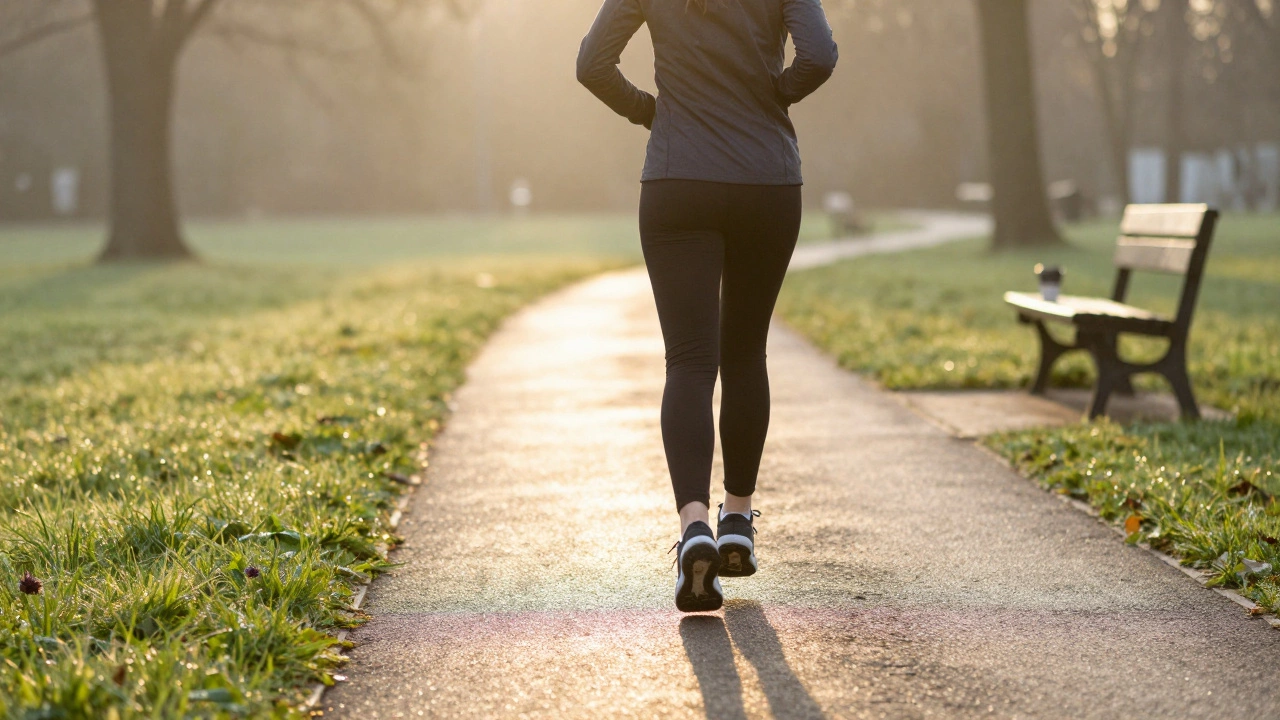
Workout on Empty Stomach: What Works, What Doesn't, and What Experts Say
When you workout on empty stomach, exercising without eating first, often in the morning before breakfast. Also known as fasted cardio, it’s a method many use hoping to burn more fat. But does it actually work—or is it just another fitness myth?
The idea sounds simple: no food in your system means your body taps into fat stores for energy. But the truth is messier. Your body doesn’t just switch to fat-burning mode because you skipped breakfast. It’s more about total calories burned over the day, not what happens in a single fasted session. Studies show that while you might burn a higher percentage of fat during a fasted workout, you don’t necessarily burn more total fat than if you ate first. What matters more is consistency, recovery, and how you feel during and after.
Some people swear by fasted cardio, a type of aerobic exercise done without eating beforehand. Also known as morning workout, it fits neatly into busy schedules and can help control appetite later in the day. But for others, it leads to dizziness, low energy, or even muscle loss—especially if they’re lifting heavy or doing high-intensity sessions. If your goal is strength or endurance, fueling up might give you the edge you need to push harder and recover faster.
There’s no one-size-fits-all answer. If you’re used to running before breakfast and feel great doing it, keep going. If you crash halfway through or feel sluggish all day, eating a small snack before training could make a bigger difference than you think. The real question isn’t whether you should train fasted—it’s whether it works for you.
What you’ll find below are real stories and science-backed insights from people who’ve tried it, failed at it, and nailed it. We cover what happens to your body, how it affects performance, and when skipping breakfast might actually hurt your progress. No hype. No gimmicks. Just what works, what doesn’t, and why.