Is it better to workout on an empty stomach? Science-backed answer
 Dec, 1 2025
Fasted vs. Fed Workout Assessment
Take this 5-minute assessment to discover what's best for you
Answer these questions to get personalized recommendations based on scientific research.
Ever woke up early, skipped breakfast, and hit the gym thinking you’d burn more fat? You’re not alone. Millions of people believe working out on an empty stomach is the secret to faster fat loss. But is it really better? Or is it just another fitness myth that sounds good but doesn’t deliver?
What happens when you exercise without eating?
When you haven’t eaten for several hours-like first thing in the morning-your body’s glycogen stores are low. Glycogen is the stored form of glucose, your muscles’ favorite fuel. With less of it available, your body turns to fat for energy. That’s where the idea comes from: fasted workouts = more fat burned.
It sounds logical. And yes, studies show you do burn a higher percentage of fat during a fasted workout. But here’s the catch: percentage doesn’t equal total amount. A 2013 study published in the British Journal of Nutrition compared two groups doing the same amount of cardio. One group worked out fasted, the other ate before. Both lost nearly the same amount of body fat over 4 weeks. The fasted group burned more fat during the session, but the total fat burned over the day was identical.
Why? Because your body adjusts. If you burn more fat during your workout, you’ll burn less later. Your metabolism isn’t a one-time event-it’s a 24-hour cycle.
Performance takes a hit
Here’s where things get tricky. If your workout involves lifting heavy, sprinting, or doing high-intensity intervals, going empty-stomach can hurt your performance. Your brain and muscles need glucose to fire at full speed. Without it, you’ll feel sluggish, dizzy, or weak. You won’t be able to lift as much, run as fast, or push as hard.
That means fewer calories burned overall. And if you’re trying to build muscle or improve strength, low energy = less stimulus = slower progress. A 2020 review in the Journal of the International Society of Sports Nutrition found that athletes who ate before training improved strength gains by 15-20% compared to those who trained fasted.
Think about it: would you run a marathon on an empty stomach? Probably not. You’d carb-load the night before and eat a banana before the start. Same principle applies to any workout that demands effort.
Who actually benefits from fasted workouts?
Not everyone. Fasted training works best for certain people under specific conditions.
- Light cardio lovers: If your morning routine is a 30-minute walk, jog, or bike ride at a steady pace, fasted training is fine. Your body can handle it without crashing.
- People with low insulin sensitivity: Some research suggests fasted cardio may help improve how your body handles blood sugar, especially if you’re prediabetic or insulin resistant. A 2019 study in Cell Metabolism showed improved glucose control in overweight adults who did light fasted exercise.
- Those who feel better that way: If skipping breakfast before a workout makes you feel more energized and focused, go for it. Your body knows what it needs.
But if you feel lightheaded, shaky, or exhausted during your workout, your body is telling you it needs fuel. Ignore that signal and you risk muscle loss, low energy, and burnout.
The muscle loss risk
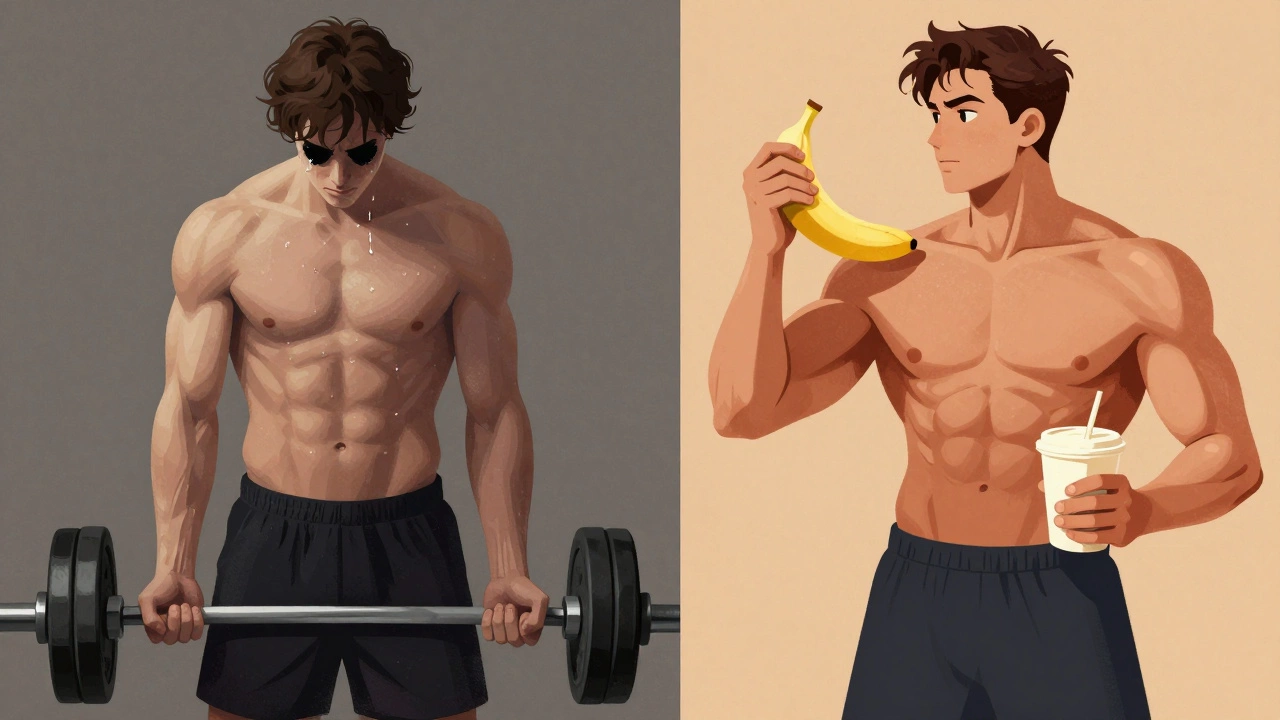
When you train fasted, especially with weights, your body doesn’t just burn fat. It can also break down muscle protein for energy. That’s not ideal if you’re trying to tone up, build strength, or keep your metabolism high.
Muscle burns more calories at rest than fat. Losing muscle slows your metabolism over time. A 2017 study in the Journal of Strength and Conditioning Research found that participants who trained fasted lost more lean mass compared to those who ate protein before their session-even when both groups ate the same total calories.
It doesn’t mean fasted training always causes muscle loss. But if you’re not getting enough protein throughout the day, or you’re training hard without fuel, the risk goes up.
What should you eat before a workout?
You don’t need a big meal. Just enough to give your body a nudge. Aim for 15-30 grams of easily digestible carbs and a bit of protein 30-60 minutes before training.
- One banana with a spoon of peanut butter
- Half a cup of oatmeal with a scoop of whey protein
- Two rice cakes with a boiled egg
- A small Greek yogurt with berries
These options give you quick energy without weighing you down. If you’re doing a light workout, even just a black coffee can help-it boosts alertness and fat burning without spiking insulin.
Timing matters more than fasting
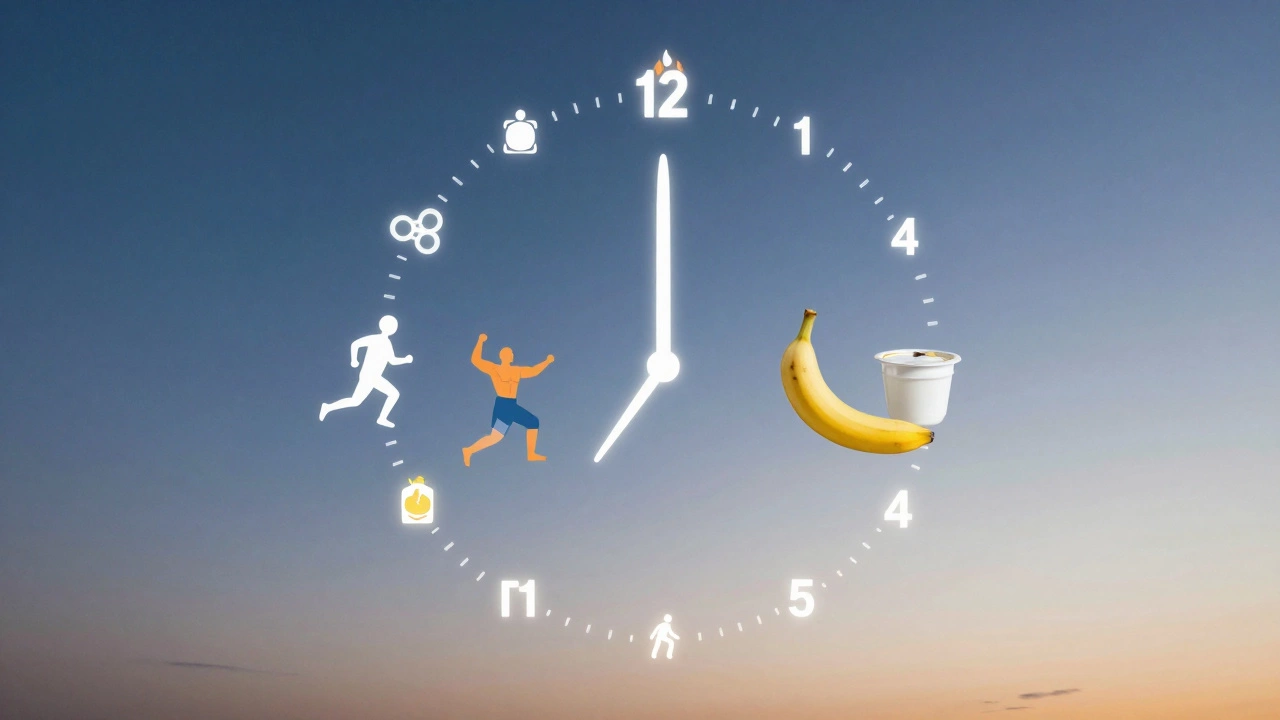
The real key to fat loss isn’t whether you eat before or after. It’s your total calorie balance over the day. If you eat 2,000 calories and burn 2,200, you’ll lose fat. If you eat 2,500 and burn 2,200, you’ll gain weight-even if you did your workout fasted.
Also, your body doesn’t care if you ate at 6 a.m. or 10 a.m. It cares about how much you ate overall and how consistent you are. Many people who swear by fasted cardio end up overeating later because they’re starving. That wipes out any benefit.
One 2021 study in Obesity tracked people for 12 weeks. Those who ate before their workout consumed fewer calories overall and stuck to their plan longer. They were more consistent. That’s the real secret.
Listen to your body
There’s no one-size-fits-all answer. Some people thrive on fasted workouts. Others crash hard. Your genetics, sleep, stress levels, and daily routine all play a role.
Try this: do two weeks of fasted workouts. Then switch to eating a small snack before training. Track how you feel, how hard you can push, and how your energy is the rest of the day. Then decide what works for you-not what a YouTube video says.
And remember: consistency beats perfection. If you skip a workout because you’re too tired to train fasted, you’ve lost more than you gained.
Bottom line
Working out on an empty stomach isn’t better. It’s just different. For light, steady cardio, it’s fine. For strength, HIIT, or anything intense, it’s a disadvantage. Fat loss comes from burning more calories than you eat-not from when you eat them.
Don’t force yourself into fasted workouts if you feel awful. Fuel up, train hard, and recover well. That’s how real results happen.