Traditional Contact Sports: What They Are, Why They Matter, and What You Need to Know
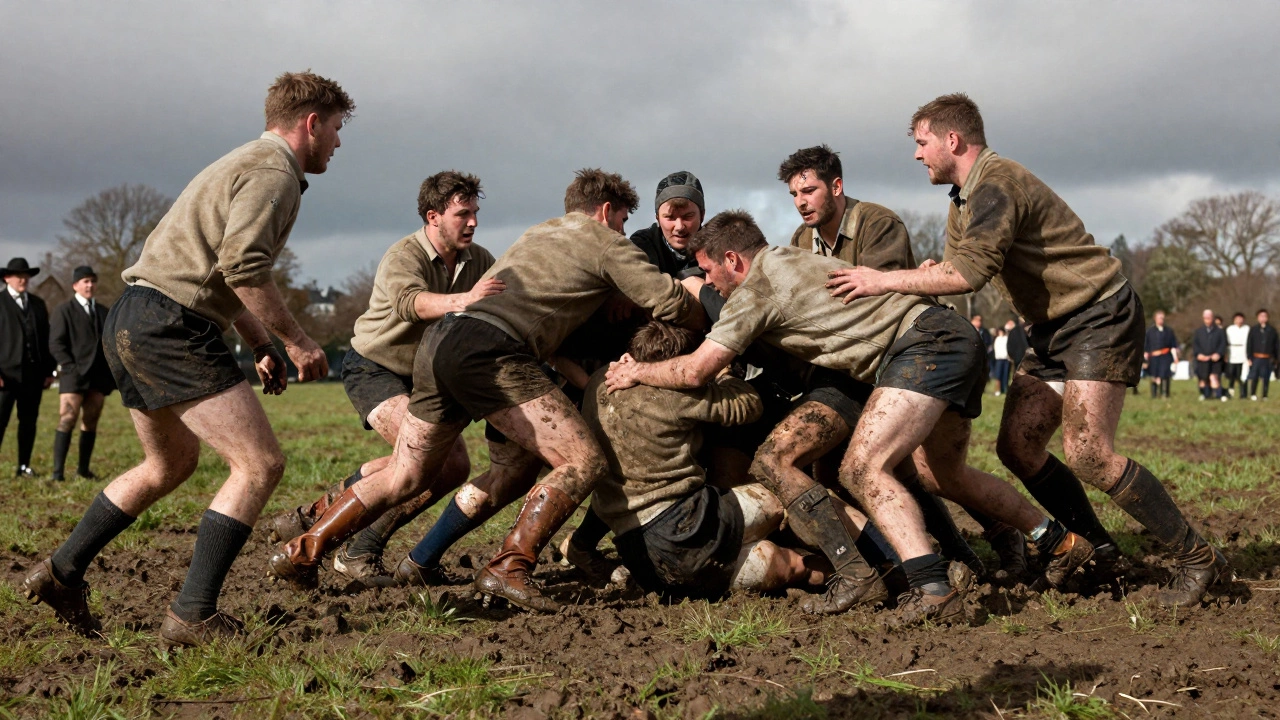
When we talk about traditional contact sports, physical sports where direct bodily interaction is part of the rules and culture. Also known as full-contact sports, they’re built on toughness, discipline, and respect—not just brute force. These aren’t just games. They’re rituals passed down through generations, played on muddy fields, in packed arenas, and under stadium lights. Think rugby, boxing, American football, wrestling, and lacrosse. These sports don’t shy away from collision—they demand it.
What makes them different from non-contact sports? It’s the body contact, the intentional, rule-bound physical engagement between players. In rugby, you tackle to stop progress. In boxing, you strike to score. In American football, you block and hit to gain yardage. Each sport has its own code, its own gear, its own culture. And while safety rules have evolved, the core remains: you show up, you compete, and you take hits—because that’s part of earning respect on the field.
These sports aren’t just about strength. They’re about timing, reading opponents, and controlling your own body under pressure. A rugby jackal doesn’t just dive for the ball—he times his move to the millisecond. A boxer doesn’t just throw punches—he feints, shifts weight, and waits. Even wrestling, often seen as pure power, is a game of leverage and control. The gear you see—helmets, mouthguards, pads—isn’t just protection. It’s a symbol of how seriously these sports take the risks they ask athletes to take.
You’ll find these sports thrive in places where community matters. In Australia, rugby league isn’t just a game—it’s Friday night tradition. In the UK, schoolboys grow up learning scrums before they learn algebra. In the U.S., high school football Friday nights are bigger than prom. These aren’t just athletic pursuits. They’re identity. They’re belonging. And they’re not going anywhere.
Some say these sports are outdated. That they’re too dangerous. But the truth? They’ve adapted. Rules changed. Training improved. Medical support is better than ever. What hasn’t changed is the raw human connection—the sweat, the grit, the moment when two players collide and the crowd holds its breath. That’s why people still play. That’s why they still watch.
Below, you’ll find real stories from people who live these sports. Whether it’s understanding why a boxing bout is called a match, how rugby players are nicknamed, or what it takes to train for the physical grind—you’ll see the depth behind the hits. No fluff. No hype. Just the facts, the terms, and the truth about what makes these sports stick.