Fitness Recovery: What Works, What Doesn't, and How to Do It Right
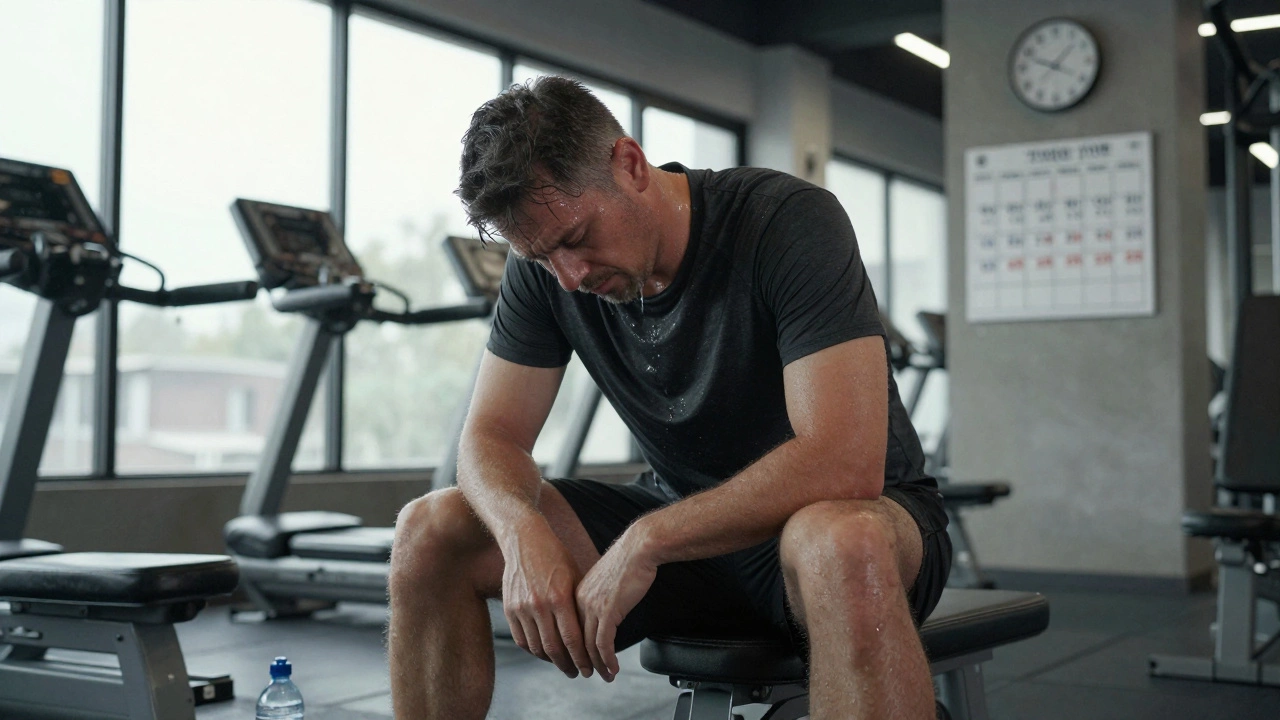
When you push your body hard, fitness recovery, the process your body uses to repair muscle tissue, restore energy, and reduce inflammation after exercise. Also known as post-workout recovery, it’s not optional—it’s the reason you get stronger, not sore or burned out. Too many people think recovery means lying on the couch. It doesn’t. Real recovery is active, intentional, and backed by what your body actually needs—not what a social media influencer sells.
Think about muscle recovery, how your muscles repair micro-tears caused by lifting, running, or any intense activity. It happens mostly when you’re not training—during sleep, rest days, and low-intensity movement. That’s why active recovery, light movement like walking, swimming, or yoga that boosts blood flow without adding stress works better than total inactivity. A 20-minute walk after a heavy leg day isn’t lazy—it’s science. Your muscles need oxygen and nutrients, not just time.
And let’s talk about what doesn’t work. Ice baths? Maybe, if you’re an elite athlete racing every other day. For most people? They just make you feel cold and stiff. Stretching before bed? Great. Stretching right after a hard workout? Not as helpful as you think. What actually matters is sleep, hydration, protein intake, and giving your body real space to heal. If you’re training hard and skipping recovery, you’re not being tough—you’re risking injury and stalling progress.
Look at the posts below. You’ll find real talk on how to know when your body needs a break, how to pick the right shoes to avoid long-term damage, why 5x5 training demands just as much recovery as it does effort, and how even runners need to treat rest like part of their workout plan. No fluff. No magic pills. Just what works for people who show up, train hard, and want to keep going.
Recovery isn’t the opposite of training. It’s part of it. And if you’re not doing it right, you’re leaving strength, speed, and stamina on the table.