Is 2 Hours of Exercise Every Day Too Much? What Experts Really Say
 Dec, 1 2025
Overtraining Risk Assessment Tool
How much are you exercising?
Recovery indicators
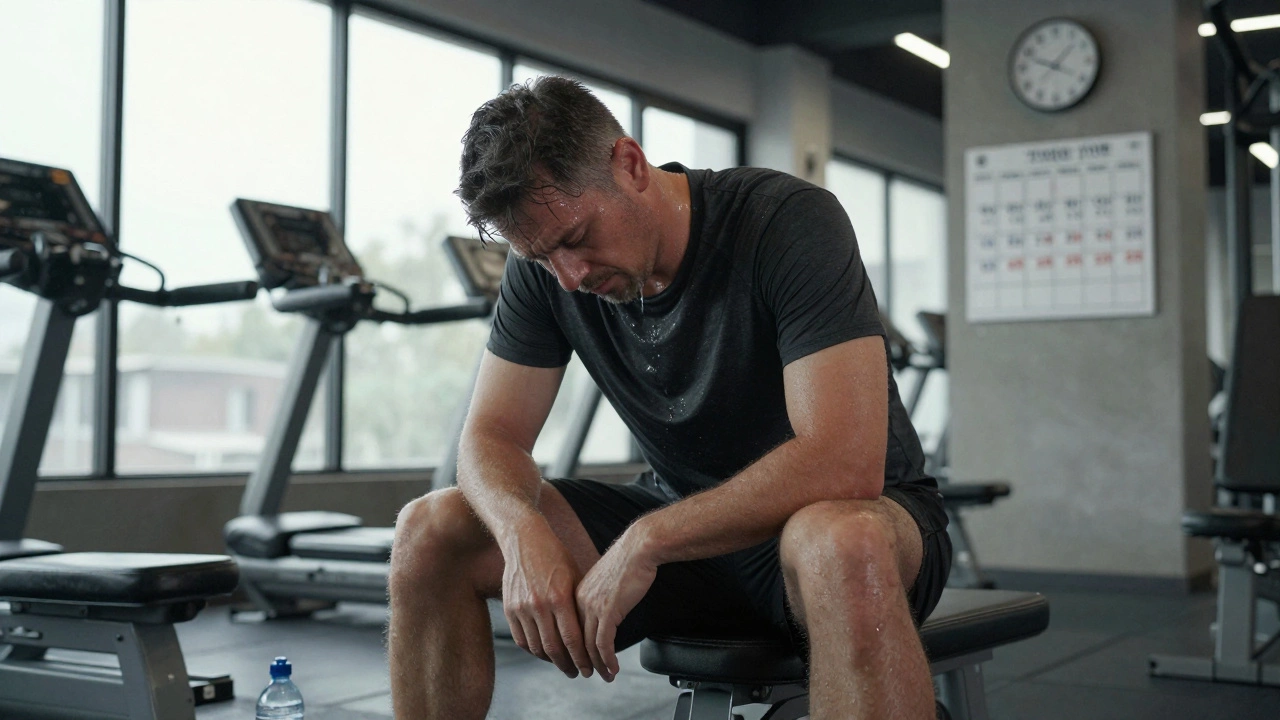
Working out for two hours every day sounds like something only elite athletes do. But with social media pushing extreme fitness routines, more regular people are trying it too. Is it a path to peak performance-or a one-way ticket to burnout? The truth isn’t as simple as yes or no. It depends on who you are, what you’re doing, and how your body responds.
What Happens When You Exercise 2 Hours a Day?
Two hours of daily exercise adds up to 14 hours a week. That’s more than most people spend at their job. For someone training for a marathon, Ironman, or professional sport, this might be normal. But for the average person trying to get fit, it’s a red flag.
When you exercise that much, your body doesn’t get enough time to repair muscle tissue. Recovery isn’t optional-it’s part of the workout. Without it, you don’t get stronger. You just get worn down. Studies show that overtraining suppresses immune function, increases cortisol (the stress hormone), and can lead to long-term fatigue. One 2023 review in the Journal of Sports Sciences found that athletes training over 10 hours per week had a 30% higher risk of injury compared to those training 5-7 hours.
It’s not just about physical damage. Mental burnout hits fast. You start dreading the gym. You skip meals because you’re too tired. You lose sleep because your body won’t shut down. That’s not discipline-it’s self-sabotage.
Who Might Actually Need 2 Hours a Day?
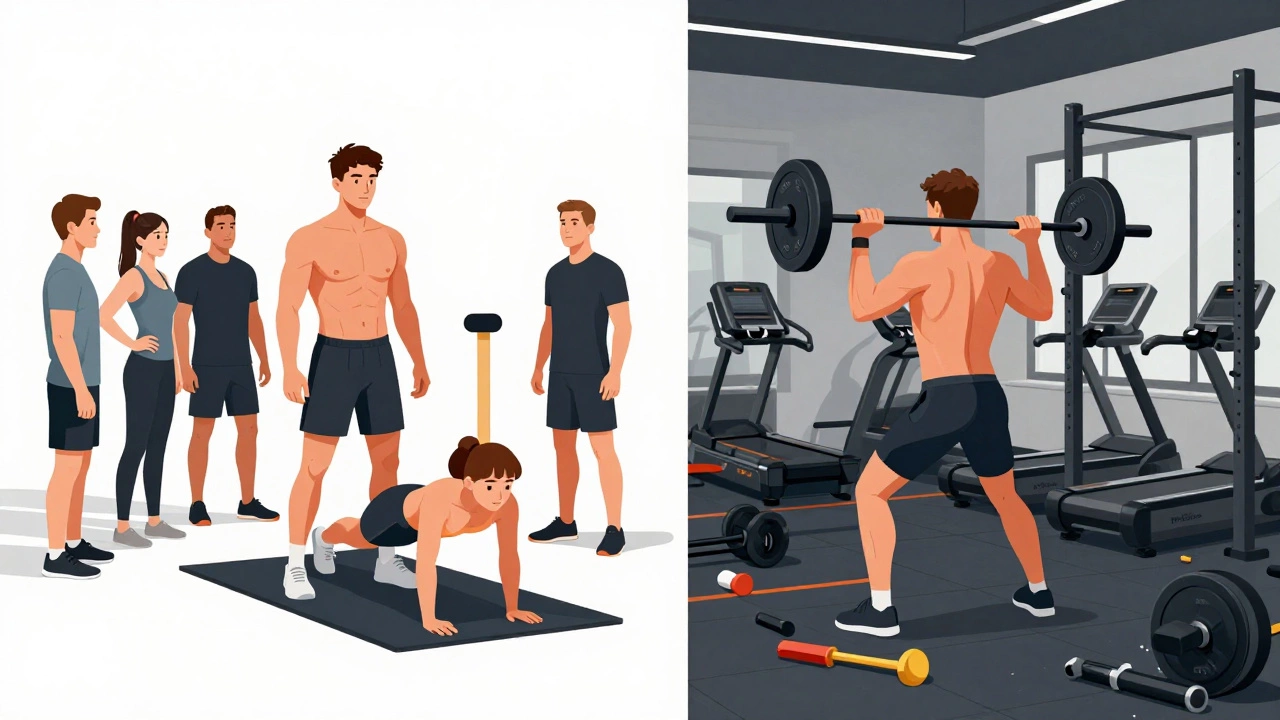
There are exceptions. Professional athletes, dancers, and elite military personnel often train 2-4 hours daily. But they don’t do it alone. They have:
- Personal trainers monitoring volume and intensity
- Nutritionists managing calorie and micronutrient intake
- Physical therapists handling mobility and recovery
- Scheduled rest days built into their calendar
They also train smart. A 2-hour session for an Olympian might include 45 minutes of strength, 60 minutes of sport-specific drills, and 15 minutes of mobility work-not two straight hours of high-intensity cardio. The structure matters more than the clock.
For someone who’s not competing at that level, two hours is almost always too much. Even serious hobbyists-like triathletes training for a half-Ironman-typically cap daily training at 90 minutes, with one or two rest days a week.
The Hidden Costs of Overtraining
Most people think more exercise = faster results. But the body doesn’t work that way. Here’s what actually happens when you push too hard:
- Stalled progress: Your muscles need 48 hours to rebuild after heavy lifting. If you’re training the same muscles every day, you’re preventing growth.
- Increased injury risk: Tendons and ligaments heal slower than muscles. Repetitive stress leads to tendinitis, stress fractures, and joint pain.
- Hormonal imbalance: Chronically high cortisol lowers testosterone and thyroid function. That means slower metabolism, fat gain, and loss of muscle.
- Sleep disruption: Overtraining keeps your nervous system in high alert. You fall asleep slower, sleep less deeply, and wake up exhausted.
- Loss of motivation: When exercise feels like a chore, you stop showing up. That’s how people quit fitness entirely.
One 38-year-old client I worked with trained two hours daily for six months-running, lifting, and cycling. He lost 15 pounds of muscle, gained 8 pounds of fat, and ended up with chronic knee pain. He thought he was being disciplined. He was just exhausted.
What Should You Do Instead?
Forget the clock. Focus on quality, consistency, and recovery.
For most adults, the CDC and American College of Sports Medicine recommend:
- 150 minutes of moderate aerobic activity per week (that’s 30 minutes, 5 days)
- Two days of strength training targeting all major muscle groups
That’s 4-5 hours total per week-not 14. You can still get amazing results with this routine. In fact, people who stick to it for years often outperform those who burn out in six months.
If you want more, add one extra day of light activity: walking, yoga, swimming. Keep it under 60 minutes. Let it feel good, not punishing.
Here’s a realistic weekly plan:
- Monday: Strength training (60 min)
- Tuesday: Cardio (45 min)
- Wednesday: Mobility + walk (30 min)
- Thursday: Strength training (60 min)
- Friday: Cardio (45 min)
- Saturday: Active recovery (hike, bike, swim - 60 min max)
- Sunday: Rest
Notice how rest is built in. That’s not laziness. That’s strategy.
Signs You’re Exercising Too Much
Don’t wait until you’re injured to realize something’s wrong. Watch for these red flags:
- Constant fatigue, even after a full night’s sleep
- Resting heart rate up by 10+ beats per minute
- Loss of appetite or digestive issues
- Mood swings, irritability, or depression
- Repeated injuries that won’t heal
- Missed periods (in women)
- Feeling like you have to work out-even when you’re sick or exhausted
If you check off three or more of these, you’re in overtraining territory. Cut back immediately. Take 3-7 days off. Then restart with half the volume.
Can You Build Muscle or Lose Fat With 2 Hours a Day?
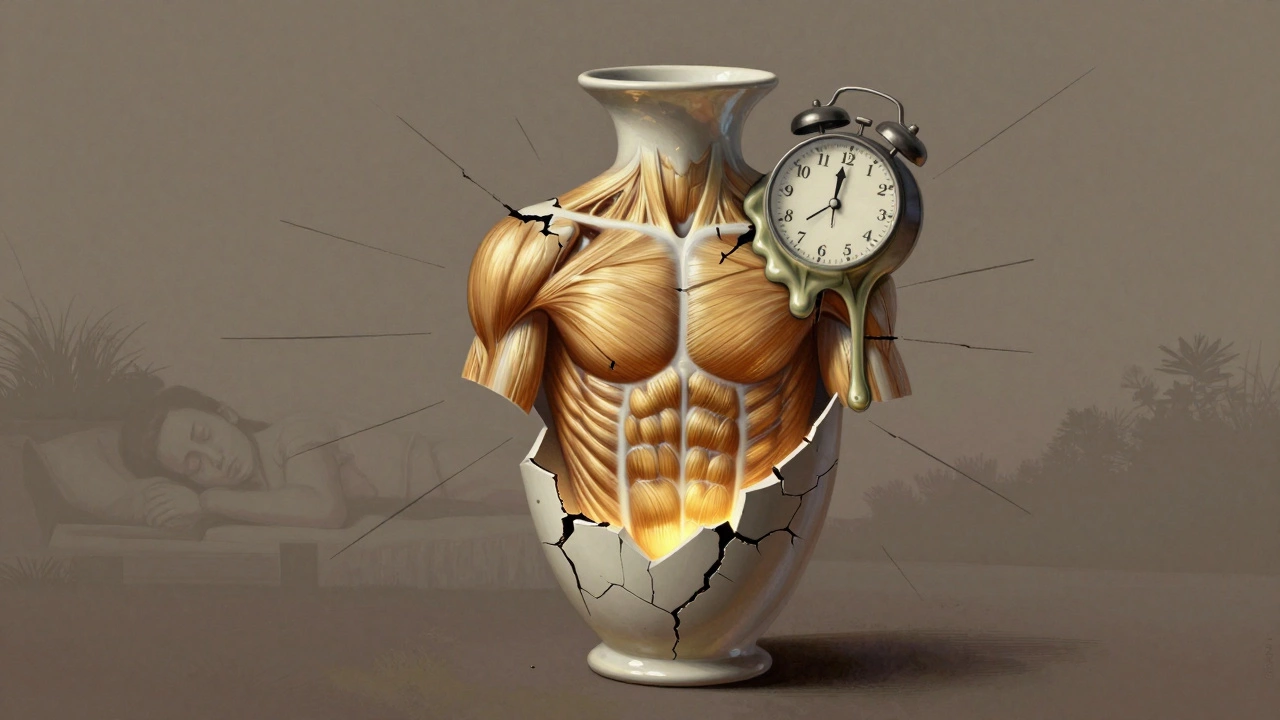
Technically, yes-but not sustainably. You might see quick changes at first. But muscle growth happens during rest, not during the workout. Fat loss requires a calorie deficit, not endless cardio. Pushing 120 minutes daily often leads to overeating because your body thinks it’s under siege.
Studies show that people who do 30-45 minutes of intense strength training three times a week lose more body fat than those who do two hours of cardio daily. Why? Because muscle burns more calories at rest. You’re better off building muscle than burning calories with endless treadmills.
And here’s the kicker: people who train smart and rest well stick with fitness for life. People who train like they’re preparing for the Olympics but aren’t athletes? They quit in six months.
What About Extreme Fitness Influencers?
They’re not normal. Most of them have:
- Genetics that allow faster recovery
- Access to IV drips, cryotherapy, and massage therapists
- Supplements and medications not available to the public
- Content creators, not athletes-performance is secondary to visuals
Following their routines without their support system is like trying to fly a fighter jet without training. You might look cool in the video, but you’ll crash.
Don’t compare your starting line to someone else’s finish line. Especially when their finish line was built on a team of professionals and a budget you don’t have.
Final Answer: Is 2 Hours of Exercise Every Day Too Much?
Yes-for 95% of people.
Two hours a day is excessive unless you’re a professional athlete with a full recovery team. For everyone else, it’s a recipe for injury, burnout, and wasted effort. The goal isn’t to do the most. It’s to do what lasts.
Consistency beats intensity every time. One hour, five days a week, with good sleep and nutrition, will outperform two hours a day for six months and then quitting.
Train hard. But rest harder. That’s how you build a body that lasts decades-not one that breaks in six months.
Is it okay to work out 2 hours a day if I’m trying to lose weight?
It’s not recommended. Weight loss comes from a calorie deficit, not from hours spent sweating. Exercising too much can increase hunger, lead to overeating, and slow your metabolism due to stress hormones. A better approach is 45-60 minutes of combined strength and cardio, 5 days a week, paired with a balanced diet. You’ll lose fat faster and keep it off longer.
Can I split my 2 hours into two 1-hour sessions?
Splitting it doesn’t fix the problem. Two hours total still puts your body under chronic stress. Your nervous system doesn’t care if it’s one session or two-it still sees 120 minutes of physical demand. Recovery time is what matters. Even with split sessions, you’re likely not giving your muscles or joints enough time to repair. Stick to under 90 minutes total per day, and take at least one full rest day each week.
What if I enjoy working out for 2 hours? Should I stop?
Enjoyment is important, but not if it’s hurting you. Ask yourself: Do you feel energized after, or drained? Are you sleeping well? Are you getting stronger or just tired? If you’re feeling better and making progress, you might be fine-but most people who think they’re fine are actually in early-stage overtraining. Try cutting back to 75 minutes for two weeks and see how you feel. You might be surprised by how much better you feel.
How do I know if I’m recovering well?
Check your resting heart rate first thing in the morning. If it’s consistently 10+ beats higher than normal, you’re under stress. Also track sleep quality, mood, and appetite. If you’re irritable, hungry all the time, or sleeping poorly, you’re not recovering. Take a break. Recovery isn’t lazy-it’s part of training.
Is walking for 2 hours a day too much?
No. Walking is low-impact and doesn’t trigger the same stress response as high-intensity workouts. Two hours of walking daily is excellent for heart health, mental clarity, and fat burning. Just make sure you’re not doing it on top of other intense training. If you’re walking two hours and also lifting weights or running, you’re still overdoing it. Walking counts as recovery-it shouldn’t be added on top of hard workouts.
If you’re serious about fitness, think long-term. Not daily extremes. Your body isn’t designed to be pushed to its limit every single day. It’s designed to recover, adapt, and grow stronger over time. That’s the real secret.