What is the Rule #1 in Cycling? The Most Critical Safety Practice
 Feb, 5 2026
Why Predictable Riding is the #1 Rule in Cycling
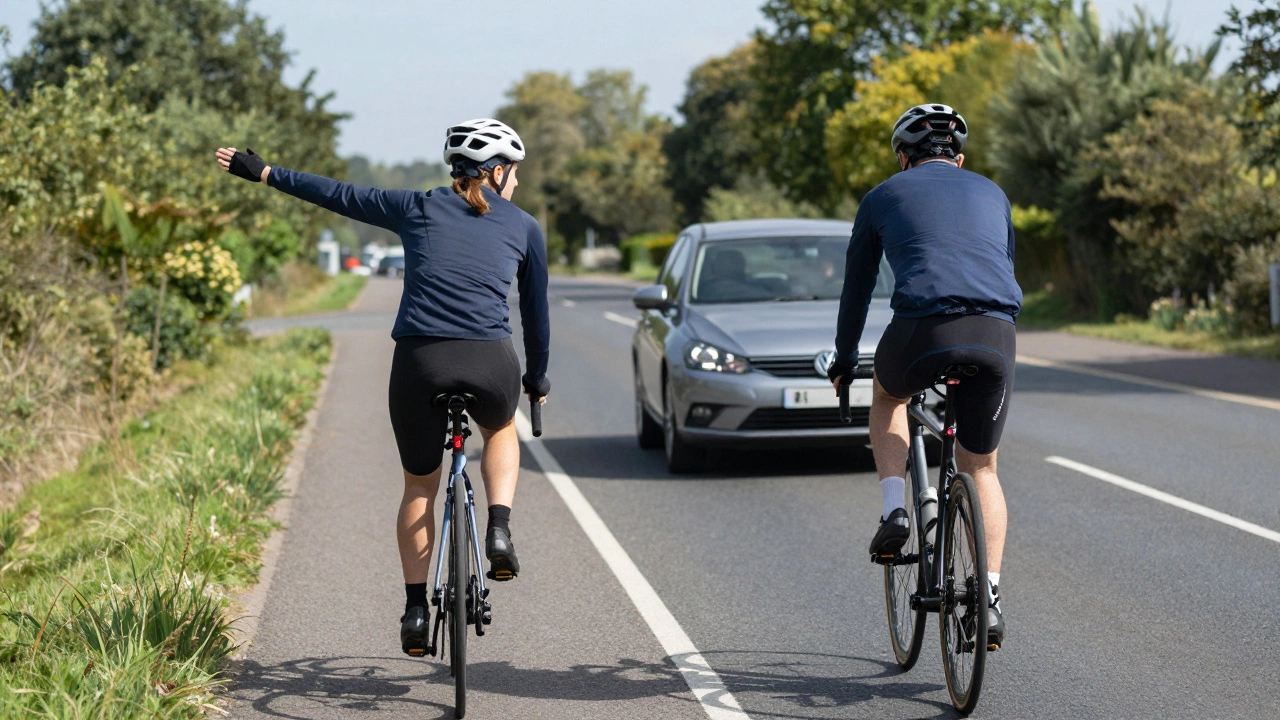
When someone asks, "What is the rule #1 in cycling?", many expect a simple answer like "wear a helmet" or "obey traffic laws." But the truth is more layered. While all these matter, there's one foundational practice that stands above the rest: predictable riding. This means maintaining consistent movements, signaling intentions clearly, and following traffic laws without sudden surprises. It’s not just about safety-it’s about building trust with drivers and other road users. At its core, predictable riding is about creating trust between cyclists and drivers. It’s not just about avoiding crashes-it’s about making the road safer for everyone.
How Unpredictable Riding Leads to Accidents
Imagine you’re driving down a quiet street when a cyclist suddenly swerves into your lane without warning. That’s exactly what happens when cyclists ride unpredictably. According to the National Highway Traffic Safety Administration (NHTSA), 30% of cyclist-car collisions involve sudden movements by cyclists. This includes swerving, stopping abruptly, or failing to signal turns. Drivers simply can’t react fast enough to unexpected actions. The result? Avoidable crashes, injuries, and even fatalities. When you ride predictably, you give drivers the time and clarity they need to respond safely.
What Predictable Riding Actually Looks Like
It’s not as complicated as it sounds. Here’s what predictable riding means in practice:
- Ride in a straight line. Don’t weave between parked cars or swerve near the curb. Drivers expect you to follow a consistent path.
- Signal every turn. Extend your arm at least 100 feet before turning. Even on empty roads-because you never know when a car might appear.
- Obey traffic signals. Stop at red lights and stop signs just like cars. Running them is dangerous and illegal.
- Don’t ride against traffic. Riding the wrong way on a one-way street or bike lane is a major cause of head-on collisions.
- Stay visible. Wear bright clothing during the day and use lights at night. Drivers need to see you coming.
These habits create a clear "story" for drivers: "This cyclist is going straight," or "They’re turning left." No guesswork. No panic.
A Real-Life Example: The Cost of Ignoring Predictability
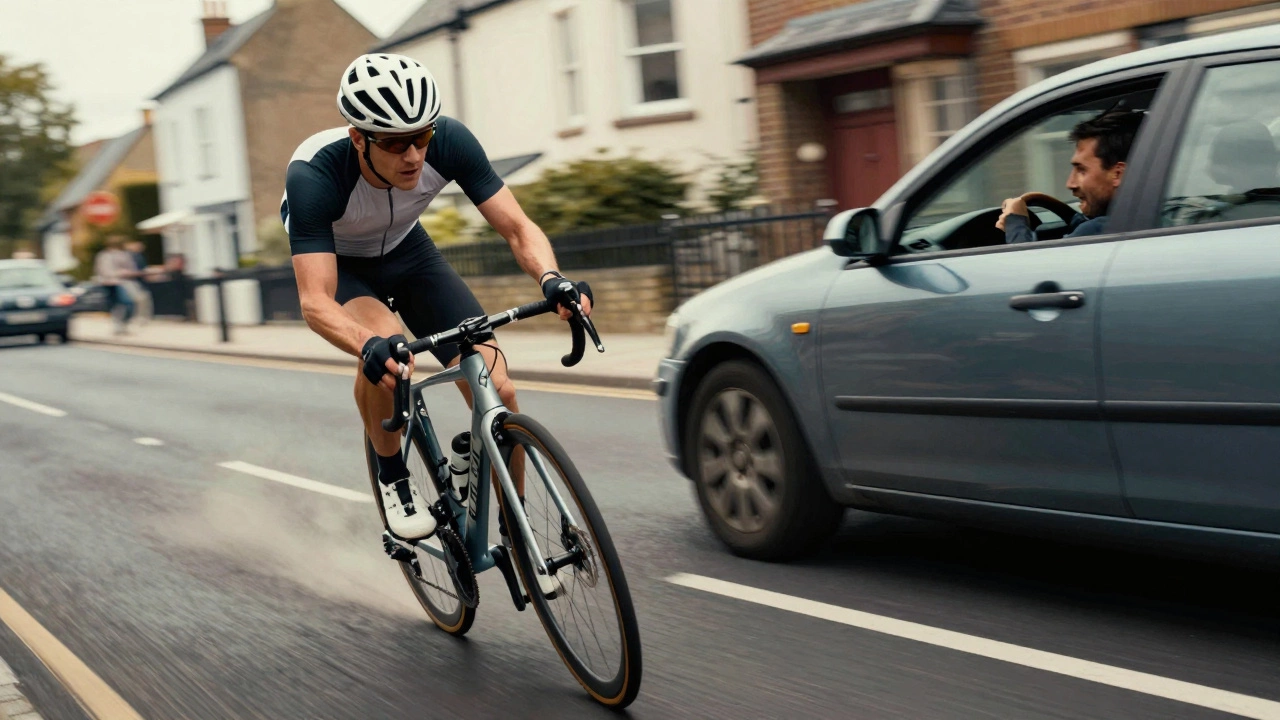
Last year in Sydney, a cyclist named Alex ignored basic predictable riding rules. He was riding home after work, weaving between lanes without signaling. When he suddenly darted into a right-turn lane, a driver couldn’t stop in time. The collision left Alex with a broken leg and the driver with a $15,000 repair bill. This wasn’t a "bad luck" accident-it was preventable. The driver later told police, "I had no idea he was turning. He didn’t signal, and he kept swerving." Simple actions like signaling and riding straight could have saved both of them.
How to Build Predictable Riding Habits
It takes practice, but you can make predictable riding automatic:
- Start small. Begin by signaling every turn for a week, even on quiet streets. Make it a habit before adding other rules.
- Practice eye contact. Look drivers in the eye when approaching intersections. It confirms they see you.
- Use bike lanes when available. They keep you in a predictable path and reduce conflicts with cars.
- Check your route ahead. Know where you’ll turn before you get there. No last-minute decisions.
- Teach kids early. If you ride with children, model predictable behavior. It’s their first lesson in road safety.
Remember: Predictability isn’t about being boring-it’s about being safe. The more consistent you are, the more drivers will respect your space.

Other Rules That Support Predictable Riding
While predictable riding is the foundation, these supporting rules make it even stronger:
- Helmet safety: Always wear a helmet. It’s not just about law-it’s about reducing head injury risk by 70% (CDC data).
- Cyclist visibility: Use reflective gear and lights. A study by the University of California found cyclists with lights are 3x less likely to be hit at night.
- Road positioning: Ride far enough from the curb to avoid parked car doors (about 3 feet). This keeps you in a consistent lane position.
- Traffic laws: Follow the same rules as cars. Stop signs, yield signs, and lane markings apply to cyclists too.
These rules work together. For example, if you ride in a straight line (predictable) but don’t signal turns, drivers still won’t know your intentions. Combine all these for maximum safety.
Common Myths About Cycling Rules
Let’s clear up some misunderstandings:
- Myth: "I don’t need to signal if there’s no traffic." Fact: Cars can appear suddenly. Always signal.
- Myth: "Bike lanes are optional." Fact: In most places, you must use bike lanes when available. They’re designed for your safety.
- Myth: "Riding against traffic is safer." Fact: It’s the leading cause of head-on collisions. Always ride with traffic flow.
These myths persist because they seem logical-but they’re dangerous. Stick to the facts, not the folklore.
Is there an official "rule #1" in cycling?
No single rule is officially labeled "rule #1," but predictable riding is universally considered the most critical safety practice. Organizations like the League of American Bicyclists and cycling safety experts consistently rank it as the foundation for all other rules. Without predictability, even following other rules won’t prevent accidents.
Do I always need to signal turns, even on quiet roads?
Yes. Drivers may appear unexpectedly, especially at intersections or driveways. Signaling every turn builds consistent habits and ensures you’re never caught off guard. It takes less than a second and could save your life.
What if I’m riding in a bike lane? Do I still need to signal?
Absolutely. Bike lanes often end abruptly or merge into car lanes. Signaling when you exit a bike lane or turn off it is crucial. Drivers may not expect cyclists to leave the lane, so clear signals prevent collisions.
How does predictable riding affect driver behavior?
Drivers react better when they know what to expect. Studies show that when cyclists ride predictably, drivers give them more space and are less likely to honk or speed up. It creates mutual respect and reduces road rage incidents. In short, predictable riding makes the road safer for everyone.
What should I do if I need to avoid a hazard like a pothole?
Signal your movement clearly. Look behind you, then move smoothly into the next lane (if safe) or around the hazard. Avoid sudden swerving. If you must swerve, do it with a clear signal so drivers see your intent. Remember: a controlled move is safer than a surprise one.