What Is Illegal Boxing Called? Understanding Underground and Unsanctioned Fights
 Dec, 21 2025
When you think of boxing, you probably picture gloved fighters in a ring, referees calling the shots, and judges scoring every round. But not all fights happen under those rules. There’s a darker, quieter side of boxing that exists outside the spotlight - and it’s not just a movie plot. Illegal boxing goes by several names, but the most common is underground boxing. It’s also called unsanctioned boxing, street boxing, or bare-knuckle boxing when gloves aren’t used. These aren’t just random brawls. They’re organized, sometimes highly publicized in hidden circles, and often involve serious money, betting, and risk.
What Exactly Is Underground Boxing?
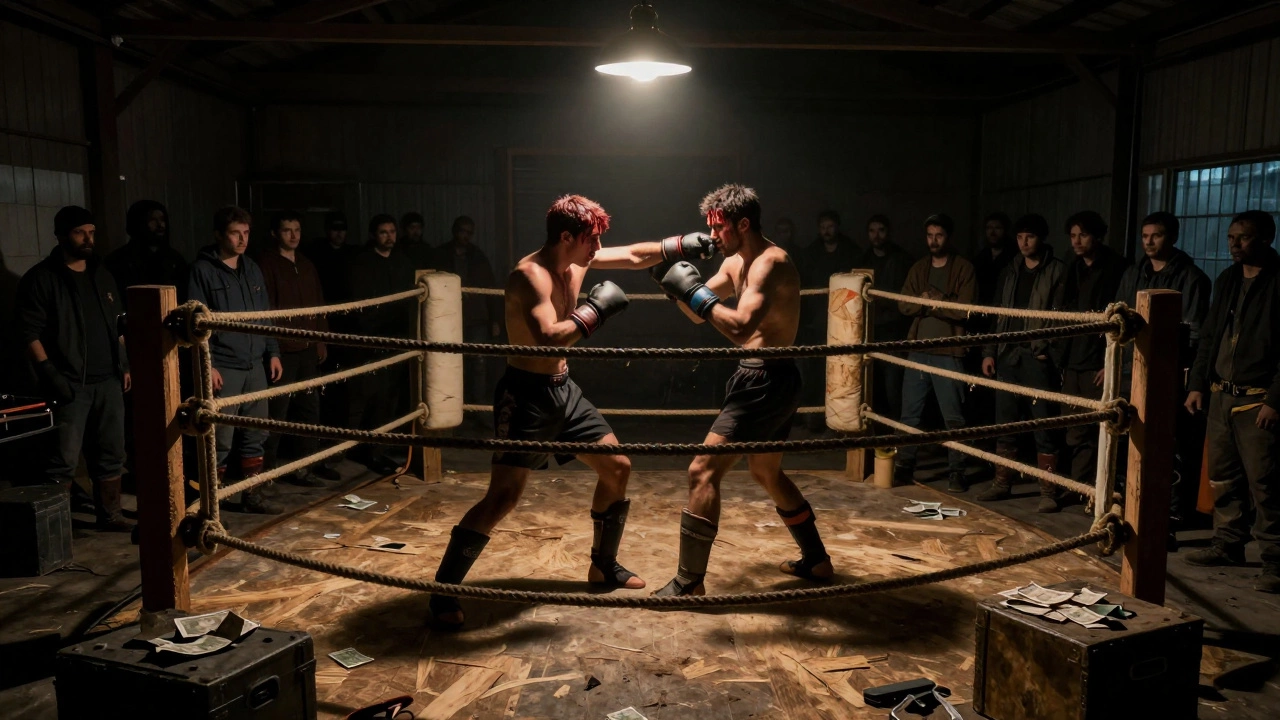
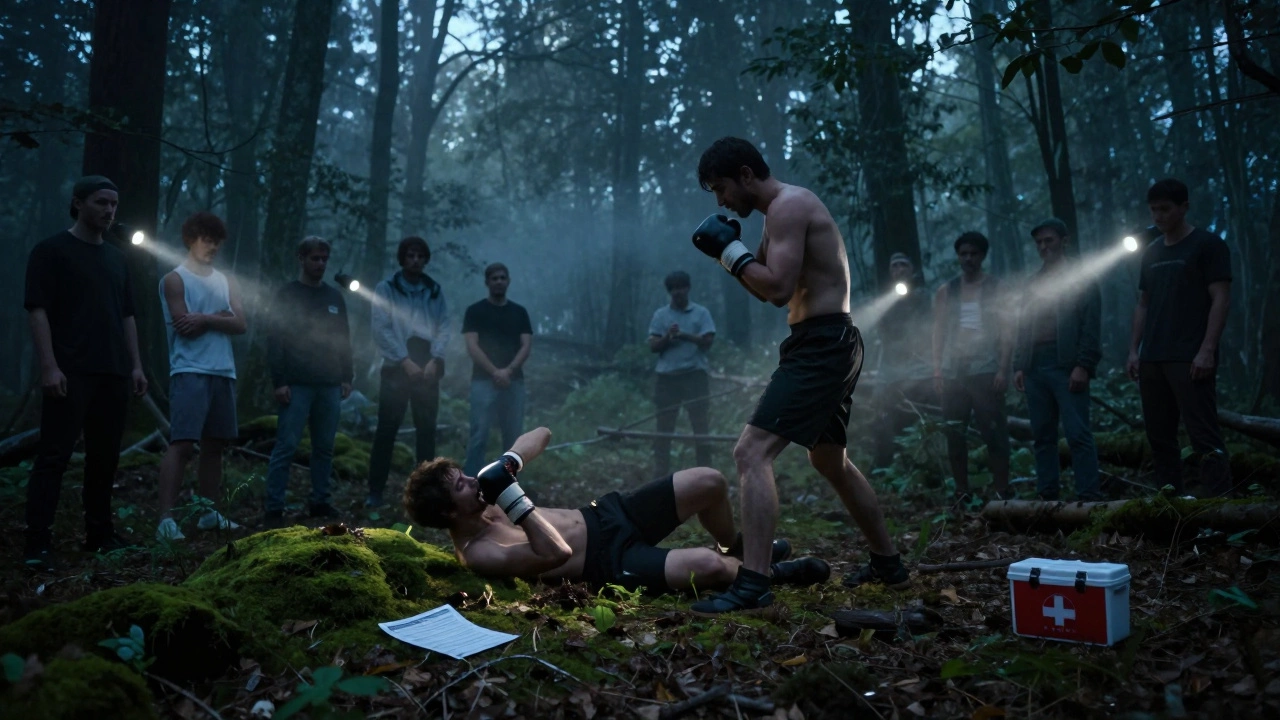
Underground boxing is any organized fight that takes place without official oversight from a recognized boxing commission. That means no licensed referees, no medical staff on standby, no weight classes enforced, and no rules about round length or safety gear. These fights might happen in warehouses, backyards, abandoned garages, or even remote forests. Fighters often train for months, just like pros, but they do it in secret. The goal? To win cash, earn reputation, or settle scores - not to climb a professional ranking.
In Australia, where boxing has deep roots in working-class communities, underground matches have persisted for decades. In places like Western Sydney and regional towns, fighters with no amateur record will show up at a hidden location, sign a waiver (if they’re lucky), and step into a makeshift ring. Some of these fighters have legitimate gym experience. Others are just tough guys with a grudge. Either way, if you get caught, you could face fines, criminal charges, or even jail time.
Why Do People Do It?
It’s not just about money - though that’s a big part of it. A single underground fight can pay anywhere from $500 to $20,000, depending on the fighters’ reputation and the size of the crowd. Betting happens in real time, often through encrypted apps or word-of-mouth networks. But beyond the cash, there’s a culture. For some, it’s the only way to fight when they’re too young, too old, or too blacklisted by official bodies. Others are former pros who got banned for doping, misconduct, or refusing to follow promoter demands. There’s also a sense of raw authenticity. No TV cameras. No sponsors. Just two people, their fists, and the crowd.
One fighter from Newcastle, who fought under the name "Razor" before being arrested in 2023, told a local reporter: "I boxed in gyms for eight years. Got my amateur titles. Then I got cut from the national team because I refused to take a performance-enhancing drug they wanted me to use. So I fought in the bush. No gloves. No rules. And I won more respect there than I ever did in the official ring."
How Is It Different From Bare-Knuckle Boxing?
People often mix up underground boxing and bare-knuckle boxing. They’re related, but not the same. Bare-knuckle boxing is a specific style - no gloves, no padding, just wrapped hands or nothing at all. It’s actually legal in some places now, like the UK and parts of the US, under regulated promotions like Bare Knuckle Fighting Championship (BKFC). These events have medical staff, weight classes, timed rounds, and licensed officials.
Underground boxing, on the other hand, doesn’t care about rules. Even if fighters use gloves, if there’s no commission approving it, it’s illegal. And if they fight without gloves? That’s just adding another layer of danger. Broken noses, shattered jaws, and brain trauma are common. Emergency services in Sydney and Melbourne have reported a rise in ambulance calls after weekend fights in industrial areas - all linked to unsanctioned bouts.
What Are the Risks?
The risks aren’t just physical. You could lose your job, your license, or your freedom. In New South Wales, organizing or participating in an unsanctioned fight is a criminal offense under the Crimes Act 1900. Penalties include up to two years in prison and fines of $11,000 AUD. If someone gets seriously injured - say, a skull fracture or permanent brain damage - organizers can be charged with grievous bodily harm.
Medical professionals have seen the aftermath. A 2024 study by the Royal Australasian College of Surgeons found that 68% of patients admitted for head trauma from unexplained blunt force injuries had no record of being in a sanctioned fight. Many didn’t even go to the hospital until days later - afraid of being reported.
And then there’s the moral cost. Fighters often come from low-income backgrounds. They’re promised quick cash, but end up with medical bills they can’t pay. Some get hooked on painkillers after repeated injuries. Others become targets for organized crime groups that use these fights to launder money or recruit fighters for other illegal activities.
Is There Any Legal Alternative?
Yes - and it’s growing. In Australia, amateur boxing clubs are expanding their outreach to at-risk youth. Programs like Boxing Australia’s "Next Round" initiative offer free training, mentorship, and competition pathways for people who might otherwise turn to underground scenes. Community gyms in suburbs like Bankstown and Footscray now run weekly open sparring nights, low-cost entry tournaments, and even live-streamed amateur bouts.
There’s also a resurgence of legal bare-knuckle boxing in controlled environments. While it’s still not widely available in Australia, fighters can travel to New Zealand or the UK to compete in regulated events. Some Australian promoters are lobbying the state governments to legalize regulated bare-knuckle boxing under strict safety guidelines - similar to how MMA was once viewed as dangerous before becoming mainstream.

What Happens If You Get Caught?
If police raid an underground fight, everyone involved is at risk - fighters, promoters, even spectators who paid to watch. Charges can include:
- Participating in an unlicensed combat sport
- Assisting in organizing a fight
- Public nuisance or unlawful assembly
- Conspiracy to commit assault
In 2022, a Sydney court sentenced three men to 18 months in jail each after a raid on a warehouse fight in Lakemba. Over 40 people were arrested that night. The ring was made of plywood. The gloves were homemade. One fighter had to be rushed to hospital with a collapsed lung.
Even if no one gets hurt, the legal consequences are real. A criminal record can block you from travel, employment, or even renting an apartment. For young fighters, it can end any chance of joining a legitimate gym or competing in the Olympics.
Why This Keeps Happening
Underground boxing survives because the system fails some people. Many fighters don’t have access to proper training, coaches, or funding. Others feel betrayed by boxing organizations that prioritize profit over people. There’s also a romanticized idea - that real fighting happens without rules. But the truth is, rules exist for a reason. They protect lives.
The same communities that produce underground fighters are often the ones with the least access to healthcare, education, and opportunity. Boxing - real boxing - can be a lifeline. But only if it’s safe, fair, and legal.
What Should You Do If You See One?
If you hear about an underground fight - whether it’s a social media post, a rumor at the gym, or a flyer taped to a utility pole - don’t go. Don’t share it. Don’t post it. Report it anonymously to Crime Stoppers or your local police. You’re not snitching. You’re preventing someone from getting seriously hurt - or worse.
If you’re a fighter thinking about stepping into an unsanctioned ring, ask yourself: Is this worth a lifetime of pain? Is this worth losing your future? There’s a path out. There are people who want to help. You just have to reach out.
What is illegal boxing called?
Illegal boxing is most commonly called underground boxing or unsanctioned boxing. It may also be referred to as street boxing or bare-knuckle boxing when gloves aren’t used - though bare-knuckle boxing can be legal in regulated settings. The key difference is whether the event has official approval from a recognized boxing commission.
Is bare-knuckle boxing always illegal?
No. Bare-knuckle boxing is legal in some countries under regulated promotions like BKFC in the US and UK. These events follow strict rules: medical checks, weight classes, timed rounds, and licensed officials. But if the same style happens without oversight - in a backyard or warehouse - it becomes illegal underground boxing.
Can you go to jail for fighting in an underground boxing match?
Yes. In Australia, organizing or participating in an unsanctioned fight is a criminal offense. Penalties include fines up to $11,000 AUD and up to two years in prison. If someone is seriously injured, organizers can face charges for grievous bodily harm.
Why do people still do illegal boxing if it’s so dangerous?
Many fighters come from communities with little access to legitimate boxing opportunities. Others are former pros who were banned or disillusioned. The lure of quick cash, respect, and the thrill of fighting without rules keeps it alive - even though the risks far outweigh the rewards.
Are there legal ways to fight without gloves in Australia?
Currently, no. Australia does not license bare-knuckle boxing events. All forms of boxing must be sanctioned by a state boxing commission. While some promoters are pushing for change, any bare-knuckle fight held without official approval is illegal.
If you’re serious about boxing, don’t risk your future on a hidden fight. Find a gym. Talk to a coach. Get on the right path. There’s a place for you - but it’s not in the shadows.