What Does 6 Mean in Rugby? Explained for Beginners
 Mar, 1 2026
Flanker Role Comparison Tool
Blindside vs Openside Flanker Comparison
Compare the key differences between rugby's number 6 (blindside flanker) and number 7 (openside flanker) positions based on the article content.
Select an aspect to see comparison
Select an aspect to see comparison
Why this matters: Understanding these differences helps you recognize the strategic roles each flanker plays in controlling the breakdown, winning turnovers, and supporting the team's overall structure.
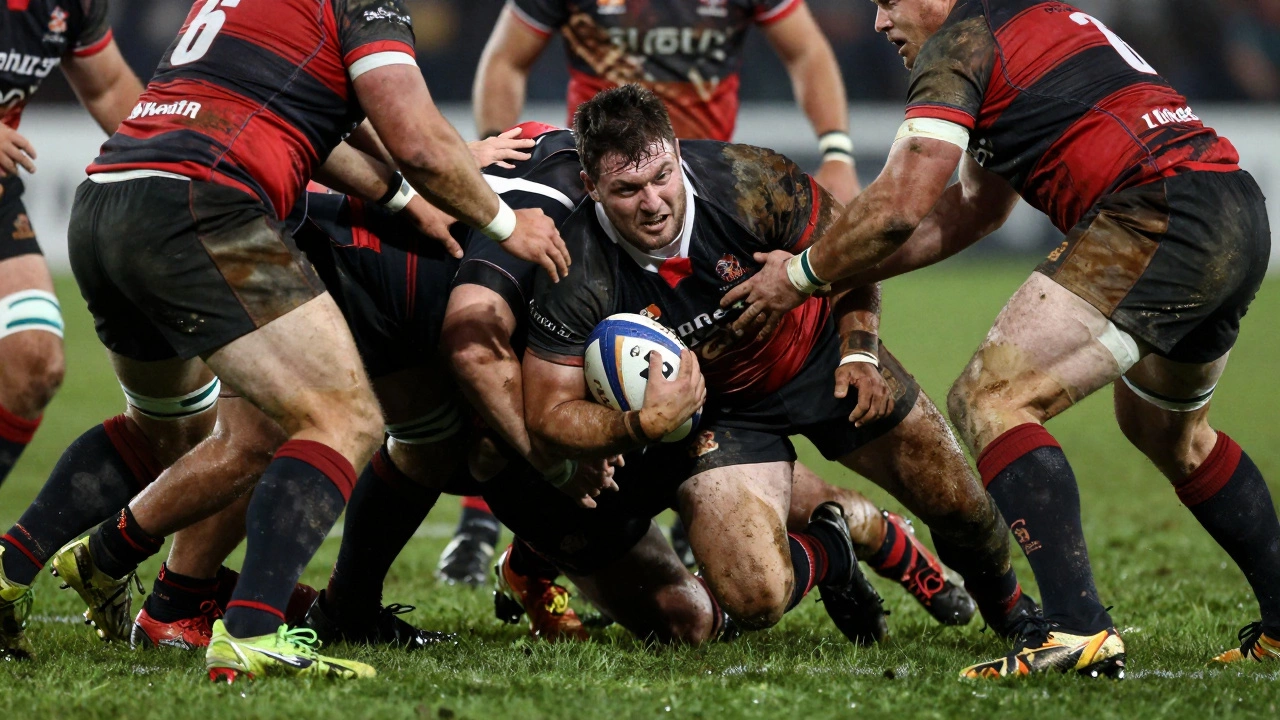
When you watch a rugby match and hear someone say "number 6," it’s not just a jersey number-it’s a role that can change the entire flow of the game. In rugby, the number 6 is the blindside flanker, one of the most physically demanding and tactically smart positions on the field. If you’ve ever wondered what this number means, or why it matters, you’re not alone. Many new fans get confused by the numbering system, but once you understand what the number 6 does, the game starts to make a lot more sense.
Why Numbers Matter in Rugby
Rugby doesn’t use generic positions like "forward" or "back." Instead, each player wears a number from 1 to 15, and each number corresponds to a specific role. This system has been around since the late 1800s and hasn’t changed much because it works. The numbers tell you where a player lines up, what they’re expected to do, and how they interact with teammates.
Numbers 1 through 8 are the forwards-they’re the big, strong players who win the ball in scrums and rucks. Numbers 9 through 15 are the backs-they’re faster, more agile, and handle most of the passing and kicking. The number 6 sits right in the middle of this system. It’s not a forward in the traditional sense, but it’s not a back either. It’s a link.
The Blindside Flanker: What Number 6 Actually Does
The number 6 is called the blindside flanker because they play on the narrower side of the field during open play-the side closest to the sideline. This side is called the "blindside" because it’s harder to see plays developing there, especially from the perspective of the opposing team’s fly-half.
Here’s what the number 6 is responsible for:
- Breaking up opposition attacks: They’re often the first defender to arrive at the ruck or tackle zone. Their job is to disrupt the ball carrier before they can pass or run.
- Winning turnovers: A good number 6 is a master at stealing the ball in rucks. They use timing, strength, and technique to hook the ball out from under the pile.
- Supporting the scrum: While the props and hooker bind in the scrum, the number 6 stands just behind them, ready to react to any movement. They often feed into the scrum or clean up loose balls.
- Running short, hard lines: On offense, they make short, powerful runs off the base of rucks or scrums. These aren’t flashy breaks-they’re grinds that gain crucial meters and tire out the defense.
- Linking forwards and backs: They’re the bridge between the tight pack and the backline. If the scrum-half passes to the fly-half, the number 6 is often the next option to carry the ball forward.
Think of them as the engine room of the team. You won’t always notice them, but when they’re not doing their job, the whole team struggles.
Number 6 vs. Number 7: The Flanker Duo
There are two flankers: number 6 (blindside) and number 7 (openside). They work as a pair but have very different roles.
| Aspect | Number 6 (Blindside) | Number 7 (Openside) |
|---|---|---|
| Position on field | Blindside (narrow side) | Openside (wide side) |
| Body type | Bigger, stronger | Lighter, faster |
| Primary focus | Physical defense, set-piece support | Turnover hunting, quick ruck speed |
| Key strength | Power tackling, lifting in lineouts | Speed, anticipation, jackaling |
| Typical height/weight | 1.90m / 105kg | 1.85m / 95kg |
The number 6 is the enforcer. The number 7 is the hunter. In modern rugby, both are essential. A team that relies too much on the openside flanker often gets worn down in the later minutes because they lack the physical presence to stop heavy carries. That’s where the number 6 comes in.
Who Are Some Famous Number 6s?
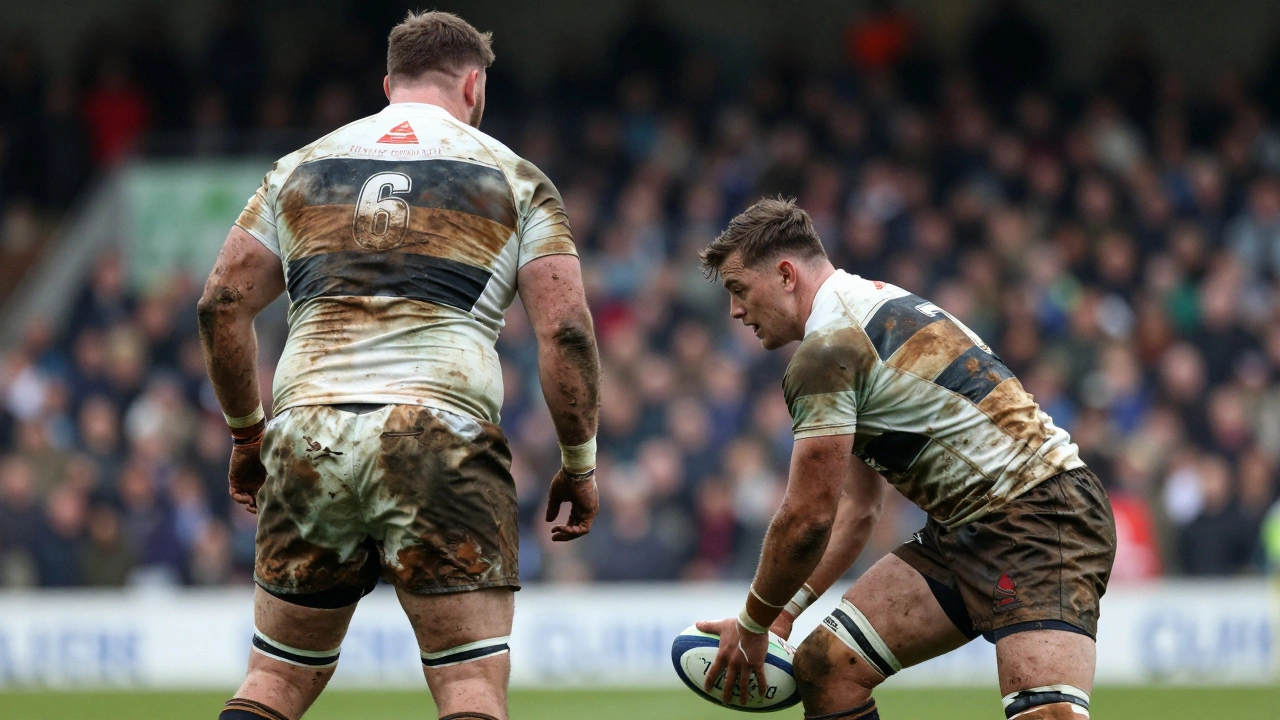
Some of the most respected players in rugby history have worn the number 6 jersey. In New Zealand, Richie McCaw wore number 7, but his counterpart Jerome Kaino was the classic blindside flanker-massive, relentless, and nearly impossible to move off the ball. In South Africa, Francois Louw was known for his intelligence and ability to read the game. In England, James Haskell brought raw power to the role, often carrying the ball into contact when the team needed momentum.
These players didn’t score tries or make highlight-reel passes. But without them, their teams wouldn’t have won World Cups.
What Makes a Great Number 6?
It’s not just about size or strength. A great number 6 has:
- High rugby IQ: They know where the ball is going before it’s passed. They read the opposition’s set plays and anticipate ruck patterns.
- Work rate: They’re often the player with the most tackles and most ruck involvements in a match. Top performers average 15-20 tackles and 8-12 ruck contests per game.
- Discipline: They rarely get penalized. A number 6 who is too aggressive ends up in the sin bin, which leaves the team short-handed.
- Consistency: They perform the same way in the 75th minute as they did in the 5th. There’s no fade-out.
Coaches often say that if you want to find the best player on the team, look for the one who’s always near the ball-no matter the phase. That’s usually number 6.
How to Train for the Number 6 Role
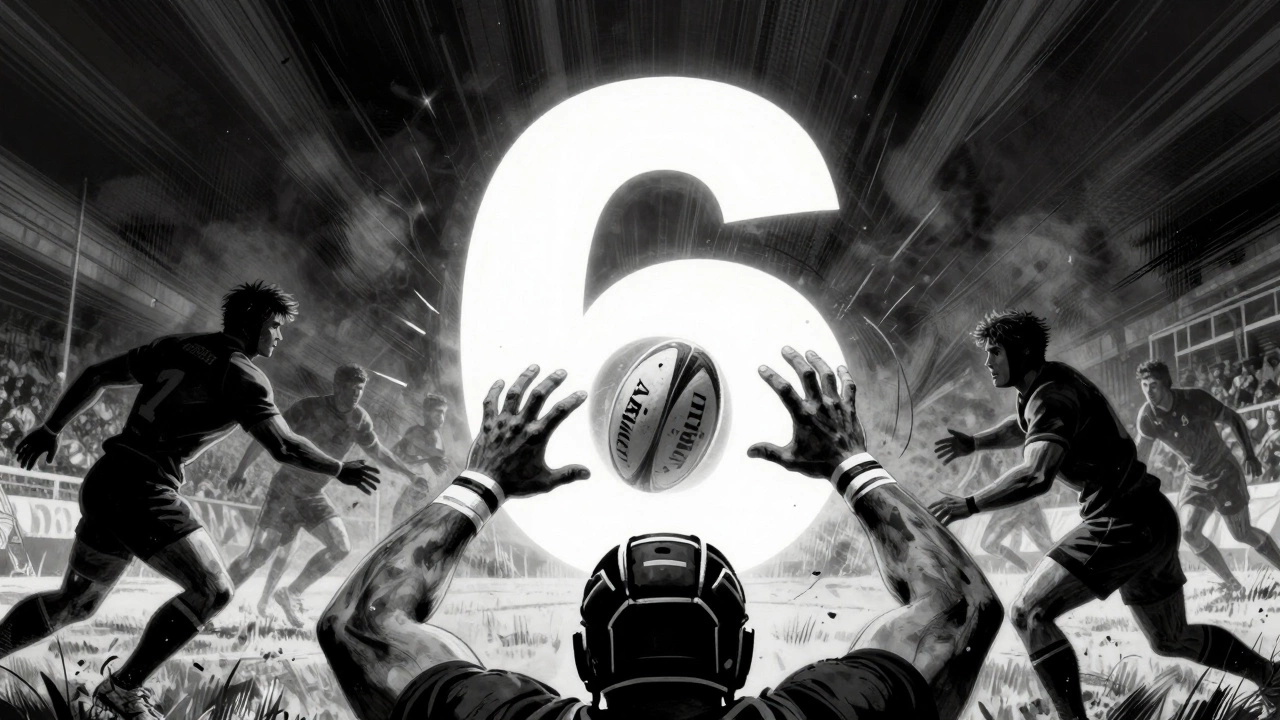
If you’re a player looking to play blindside flanker, here’s what you need to focus on:
- Strength training: Focus on squats, deadlifts, and core work. You need to hold your ground in scrums and win collisions.
- Defensive drills: Practice tackling low and wrapping up. Learn to shed blockers and get to the ball carrier quickly.
- Ruck technique: Train to arrive early and clean out without being penalized. Use body positioning, not just brute force.
- Game reading: Watch matches and track where the number 6 moves. Notice how they position themselves before a ruck or scrum.
- Endurance: You’ll be running more than you think. Train for 80 minutes of high-intensity bursts.
There’s no shortcut. The number 6 doesn’t get glory. But if you want to be the player your team depends on when the game is on the line, this is the role to master.
Common Misconceptions
Many people think the number 6 is just a "bigger number 7." That’s wrong. The blindside flanker isn’t a backup openside-they’re a different animal entirely. Another myth is that they only play defense. In reality, modern number 6s are often used as ball carriers in short-yardage situations. They’re the go-to option when the team needs three meters and a shove.
Some fans also think the number 6 is less important because they don’t score tries. But rugby isn’t about scoring-it’s about control. The number 6 controls the breakdown. And controlling the breakdown means controlling the game.
Is the number 6 the same as a lock in rugby?
No. The lock wears number 4 or 5 and plays in the middle of the scrum. Their main job is to jump in lineouts and push in scrums. The number 6 is a flanker-they don’t bind in the scrum, they operate around it. Locks are taller and focus on aerial contests. Number 6s are stronger and focus on ground play.
Can a number 6 play in the backline?
Rarely. The number 6 is a forward, built for physical contact and close-quarters play. While some players have switched positions later in their careers, the number 6 role requires specific skills that don’t translate easily to backline play like fly-half or center.
Why is the number 6 sometimes called a "hard man"?
Because they’re often the first to make a tackle, the last to leave a ruck, and the one who absorbs the most contact. They don’t shy away from heavy collisions. Coaches rely on them to set the tone-physically and mentally-for the whole team.
Do all teams use a traditional number 6?
Most do, but modern rugby has evolved. Some teams now use a "loose forward" system where the number 6 and 7 swap roles depending on the phase. However, the core responsibilities of the blindside flanker remain the same: control the tight areas, win turnovers, and support the scrum.
What jersey number do flankers wear in sevens rugby?
In rugby sevens, there are no fixed numbers for positions. Players are usually numbered 1 to 7, but the roles are more fluid. The equivalent of the number 6 in sevens is often the player who plays close to the ruck and focuses on defense and short carries, but they don’t have a fixed number.
Final Thought
The number 6 might not be the flashiest jersey on the field. But if you want to understand how rugby is really won, pay attention to the player in that number. They’re the ones who make the tackles no one sees. They’re the ones who steal the ball when the crowd isn’t looking. They’re the quiet force that keeps the team moving forward-even when the scoreboard doesn’t show it.