What Do New Zealand Call Rugby?
 Feb, 26 2026
In New Zealand, rugby isn’t just a sport-it’s a national identity. When people in New Zealand talk about "rugby," they mean one specific thing: rugby union. There’s no need to say "union" because it’s understood. It’s like saying "football" in England-you don’t have to explain it. The game they play, love, and live by is the 15-a-side version with set pieces, scrums, and lineouts. The other kinds of rugby? They exist, but they’re not what the country is famous for.
The All Blacks Are the Heart of It All
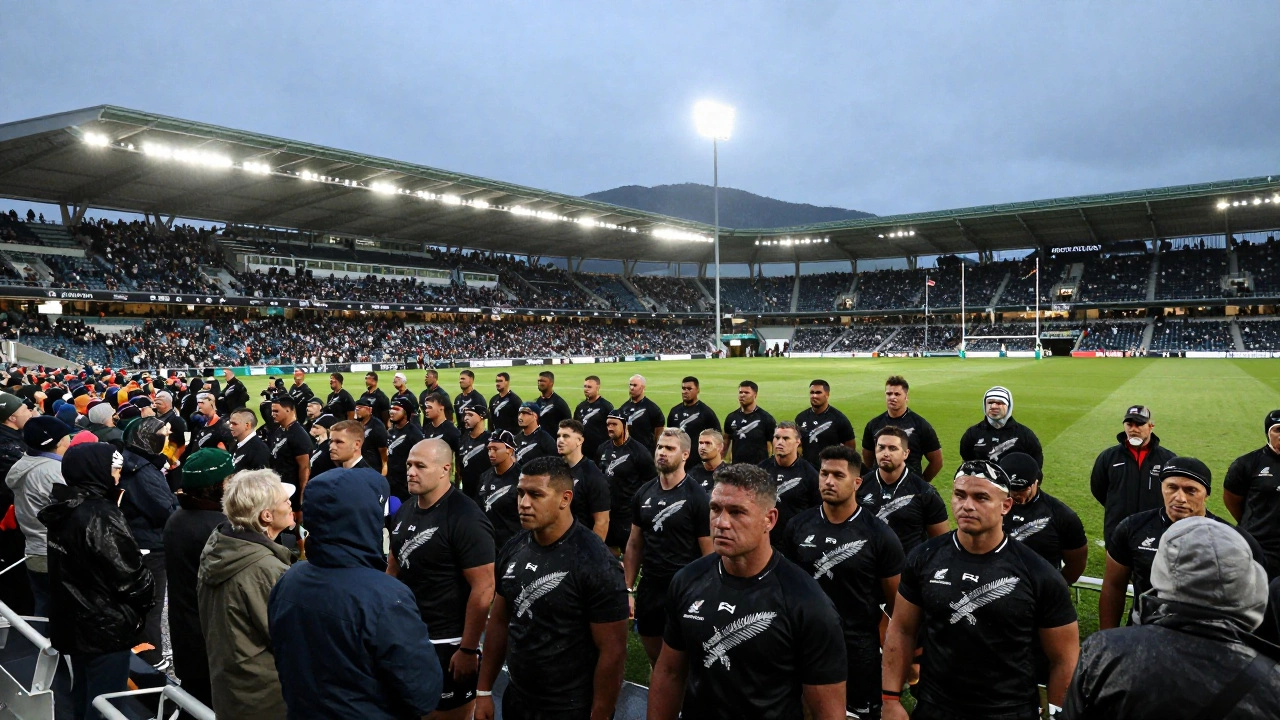
The All Blacks are more than a team. They’re the symbol of New Zealand rugby. Wearing the black jersey, the silver fern, and performing the haka before every match isn’t just tradition-it’s a statement. The All Blacks have won more than 75% of their international matches since 1903. That’s not luck. That’s culture. Every kid in New Zealand grows up watching them, dreaming of wearing that jersey. Schools, clubs, and towns revolve around rugby. The sport isn’t confined to weekends; it’s woven into the rhythm of daily life.
Why Not "Rugby League"?
You might hear about rugby league in Australia or parts of the UK, but in New Zealand, it’s a distant second. Rugby league exists-it has a national team called the Kiwis-but it doesn’t command the same attention. The New Zealand Rugby Union (now New Zealand Rugby) controls the union code, and it’s the only version taught in schools, broadcast on prime-time TV, and celebrated in national holidays. The league code has its own fan base, mostly in the North Island, but it’s not what you’ll see on billboards, in pub conversations, or on the lips of strangers at a roadside café.
It’s Not Just a Game-It’s a Language
If you listen closely in New Zealand, you’ll hear phrases like "Let’s go out and have a kick," or "That was a proper tackle," or "We lost because we didn’t hold our line." These aren’t sports commentary-they’re everyday speech. The language of rugby bleeds into how people describe work, relationships, even politics. "We need to tighten our defense" might mean fixing a leaky budget. "We need to get our lineout right" could be about getting a team back on track. The sport isn’t separate from life; it’s the framework for understanding it.
Where Did It All Start?
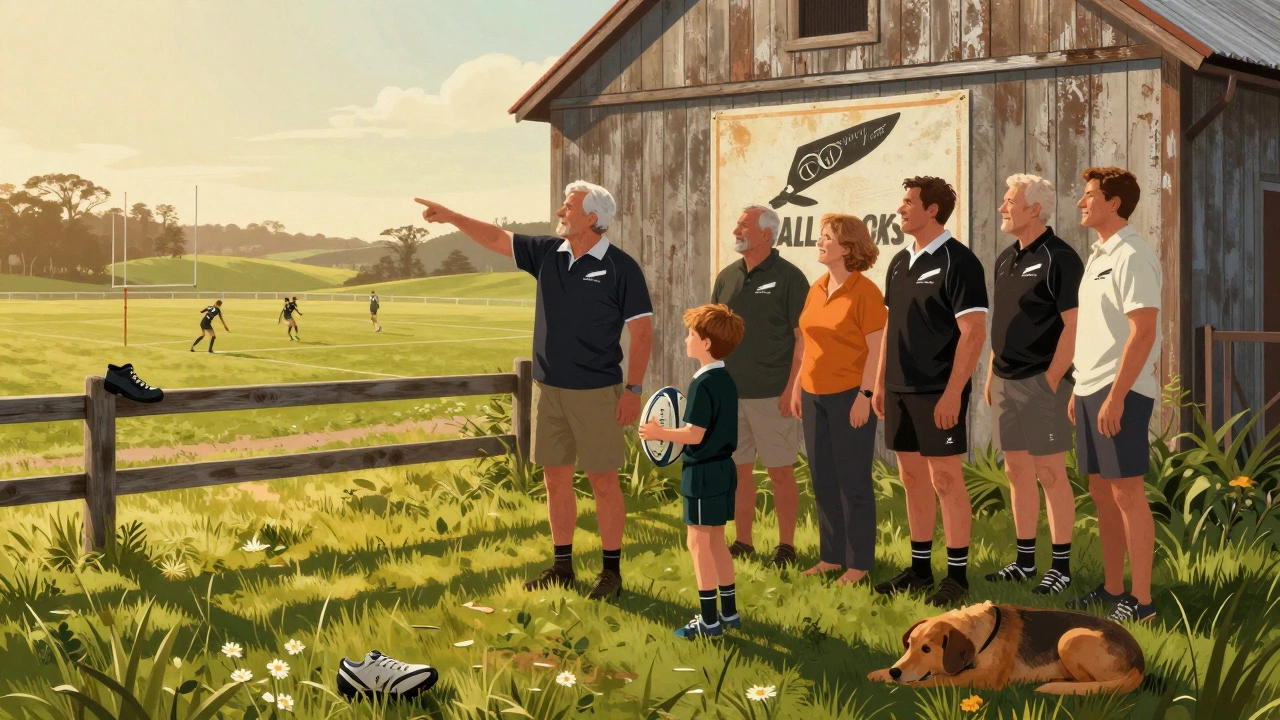
Rugby arrived in New Zealand in the 1870s, brought by British settlers. But it didn’t stay British. New Zealanders made it their own. The first official match was played in 1870 between Nelson College and a team from Wellington. By 1884, the New Zealand Rugby Union was formed. The name "All Blacks" came after a 1905 tour of the British Isles, when newspapers described the team as "All Blacks" because of their uniform. The name stuck. No one ever called them "The Kiwi Rugby Team" or "The New Zealanders." It was always the All Blacks. That’s the brand. That’s the legacy.
Rugby Isn’t Just Played-It’s Passed Down
Most New Zealanders don’t learn rugby from coaches. They learn it from their dads, uncles, grandads. You’re handed a ball before you can walk. You learn to pass before you learn to tie your shoes. Clubs are community hubs. Towns like Hawke’s Bay, Taranaki, and Canterbury are defined by their local teams. The provincial championships-like the Mitre 10 Cup-are more than competitions. They’re events that shut down towns. Schools hold rugby carnivals like they’re Olympic trials. Even in small towns with 2,000 people, you’ll find a rugby field, a scoreboard, and a group of elders who can tell you every player who ever wore the number 8.
What About Women’s Rugby?
The Black Ferns-the women’s national team-are just as revered as the All Blacks. They’ve won four Women’s Rugby World Cups and consistently dominate the global scene. Their matches sell out. Their players are household names. You won’t find a New Zealander who doesn’t know who Ruby Tui or Fiao’o Fa’amausili are. The growth of women’s rugby in New Zealand isn’t an afterthought-it’s a natural extension of the country’s rugby DNA. The same schools, clubs, and communities that produce All Blacks produce Black Ferns. The system doesn’t separate them; it elevates both.
How It Compares to Other Countries
| Aspect | New Zealand | Australia | England | South Africa |
|---|---|---|---|---|
| Primary Code | Rugby Union | Rugby Union | Rugby Union | Rugby Union |
| National Team Name | All Blacks | Wallabies | England | Springboks |
| Popularity Level | National obsession | Top sport (alongside AFL) | Major sport | National obsession |
| School System Involvement | Universal | Widespread | Private schools only | Universal |
| Media Coverage | Prime-time, daily | Prime-time | Weekly highlights | Prime-time |
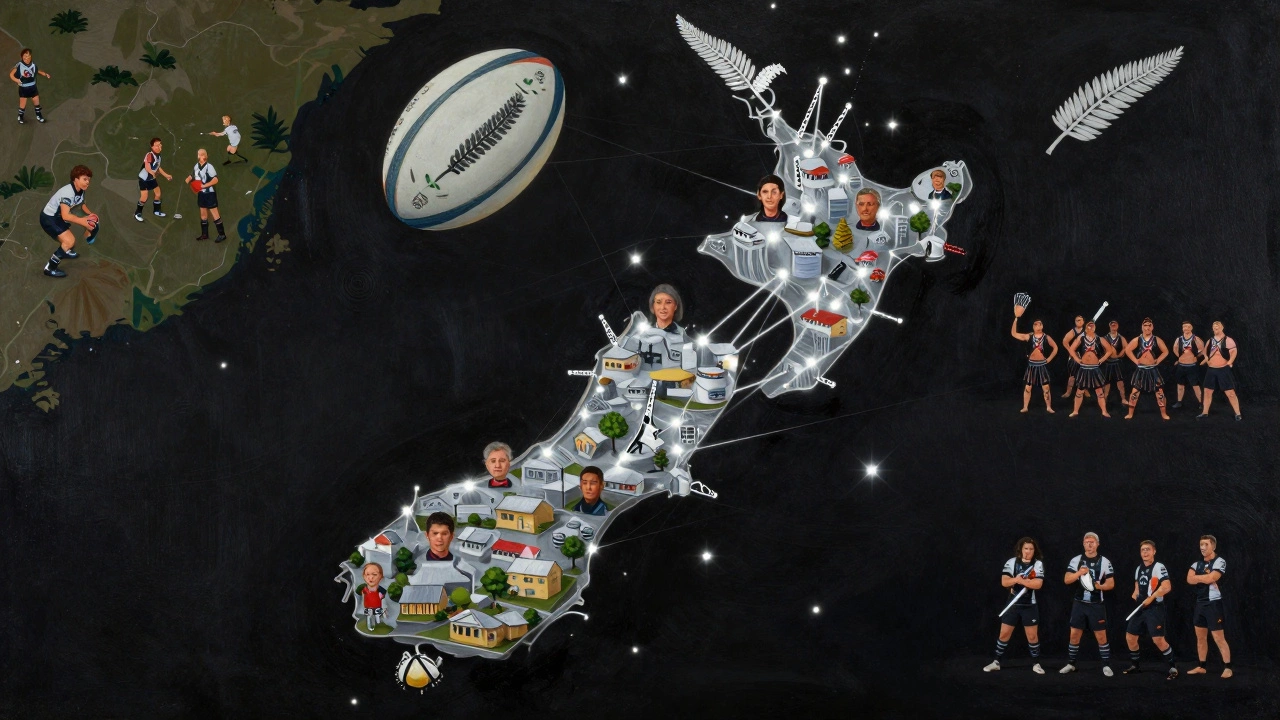
The difference in New Zealand isn’t just about wins or trophies. It’s about how deeply the game is embedded. In Australia, AFL and rugby league split attention. In England, football (soccer) dominates. In South Africa, rugby unites a nation after apartheid-but in New Zealand, rugby doesn’t need to unite. It’s already the glue.
What You’ll Hear When You Ask
If you ask a New Zealander, "What do you call rugby?" they’ll likely laugh. "Just rugby," they’ll say. "The other kind? That’s league. We don’t really talk about that." If you press further, they might say, "It’s the All Blacks. It’s the haka. It’s Saturday at the park. It’s my grandad’s stories." They won’t give you a textbook answer. They’ll give you a feeling.
Final Thought: It’s Not About the Name
It’s not about what you call it. It’s about what it means. In New Zealand, rugby isn’t a sport with rules. It’s a story that’s been told for over 150 years. It’s the sound of cleats on wet grass. The smell of a packed grandstand. The silence before the haka. The roar after a try. It’s not called something special because it doesn’t need to be. It’s just rugby. And in New Zealand, that’s enough.
Do New Zealanders call rugby "union"?
No, they rarely say "rugby union." In everyday speech, it’s just "rugby." The term "union" is only used when distinguishing it from rugby league, which is much less popular. Most New Zealanders don’t even think about the distinction-it’s like asking someone in the UK if they mean "football" or "soccer." The answer is obvious.
Is rugby league played in New Zealand?
Yes, but it’s not the main version. The New Zealand Kiwis represent the country in rugby league, and there’s a domestic competition called the NZRL Premiership. However, it doesn’t have the same cultural footprint. Rugby union dominates schools, media, and national pride. League has pockets of support, especially in Auckland and the Northland region, but it’s not what defines the country.
Why is rugby so big in New Zealand?
Rugby took root early, became tied to national identity, and was nurtured by a small population with strong community ties. With limited options for mass participation sports, rugby filled the gap. The success of the All Blacks created a feedback loop: winning bred pride, pride bred participation, and participation bred more success. It became the national sport not by decree, but by culture.
Do Māori people have a special connection to rugby in New Zealand?
Absolutely. Māori players have been central to New Zealand rugby since the 1880s. The haka, performed before matches, is a Māori war dance and one of the most powerful symbols in world sport. Many All Blacks captains and star players have been Māori. Rugby is one of the few spaces where Māori culture is not just accepted-it’s celebrated nationally. It’s a point of pride and identity.
What’s the difference between the All Blacks and the Black Ferns?
The All Blacks are the men’s national rugby union team. The Black Ferns are the women’s team. Both play the same code-rugby union-and both are elite. The Black Ferns have won four World Cups and are often ranked as the best women’s team in the world. They’re treated with equal respect: same media coverage, same public admiration, same national pride. The difference is gender, not status.