What Do Aussies Call Rugby? The Real Names Behind Australia’s Favorite Games
 Dec, 1 2025
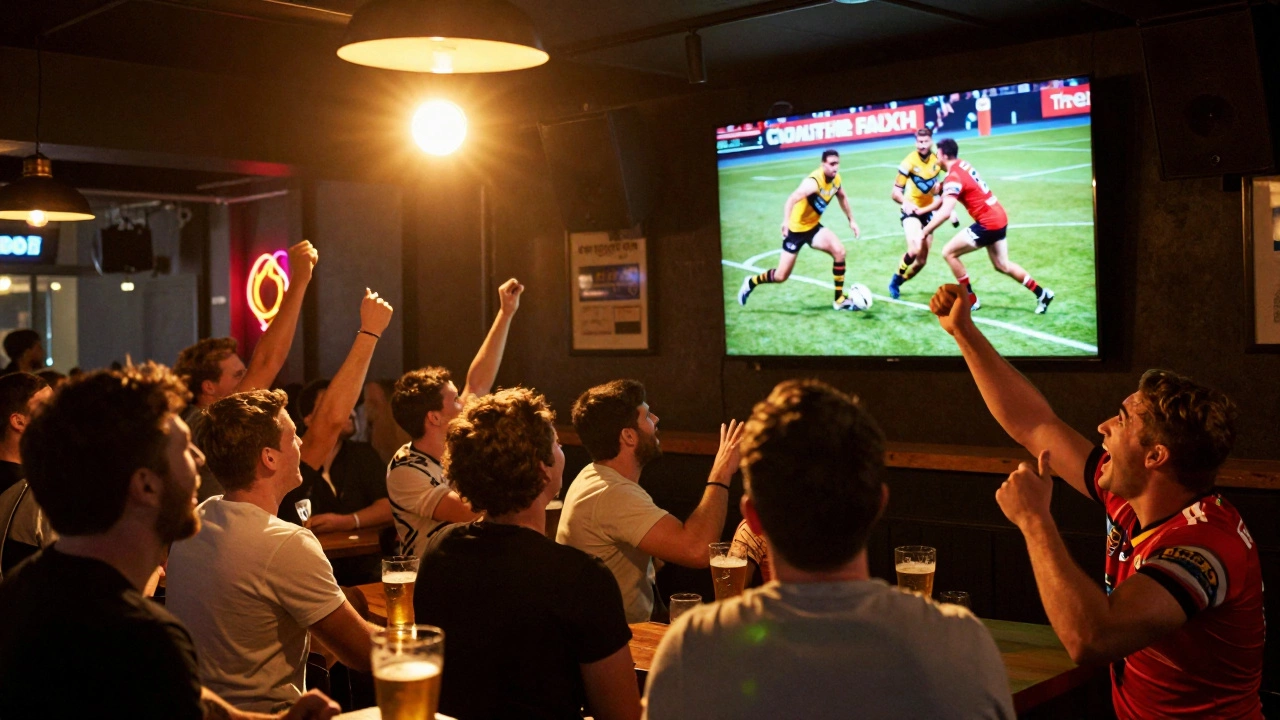
If you’ve ever been in an Australian pub on a Saturday afternoon and heard someone shout, ‘Get stuck in, mate!’ while pointing at the TV, they weren’t talking about football. They were talking about rugby-but not the kind you might know from the Olympics or the World Cup. In Australia, rugby isn’t just one game. It’s two totally different sports with their own rules, fanbases, and even national identities.
Two Rugs, One Country
Most of the world thinks of rugby as one thing: 15 players, oval ball, scrums, and tackles that shake the ground. That’s rugby union. But in Australia, when people say ‘rugby,’ they usually mean something else entirely. The most popular version of the game here is rugby league. It’s faster, more physical, and watched by millions every week.
Rugby league has 13 players per side, fewer stoppages, and a six-tackle rule that keeps the action flowing. It’s the sport that drives the NRL-National Rugby League-the biggest professional competition in the country. If you’re in Sydney or Brisbane on a Friday night, the streets are quiet because everyone’s glued to the TV watching the Roosters or the Broncos. That’s rugby to most Aussies.
Rugby union? That’s the other one. It’s the game with the Wallabies, the Bledisloe Cup against New Zealand, and those long, slow rucks where players pile on top of each other like a human pyramid. It’s still huge in parts of Australia-especially in New South Wales and Queensland-but it doesn’t have the same everyday presence as league.
What Do They Actually Call It?
Ask an Aussie what they call rugby, and you’ll get a blank stare-or a laugh. That’s because they don’t just say ‘rugby.’ They say exactly what they mean.
- If they’re talking about the NRL, they say ‘league’ or ‘NRL’
- If they’re talking about the Wallabies or the Rugby Championship, they say ‘union’
- Young kids in school? They just say ‘footy’-and everyone knows which one they mean
‘Footy’ is the real secret word. It’s not just slang. It’s the default term used by 80% of Australians when they’re not being technical. If you’re in Melbourne and someone says, ‘I’m heading to the footy on Saturday,’ they’re probably talking about Australian Rules Football. But if you’re in Sydney or Brisbane? That’s league. In regional Queensland? It’s league. In the Southern Highlands of NSW? It’s union. Context tells you which one.
The Divide: League vs Union
The split between league and union isn’t just about rules-it’s about history, class, and culture. Rugby union started first, brought over by British colonists in the 1800s. It was the game of private schools, lawyers, and doctors.
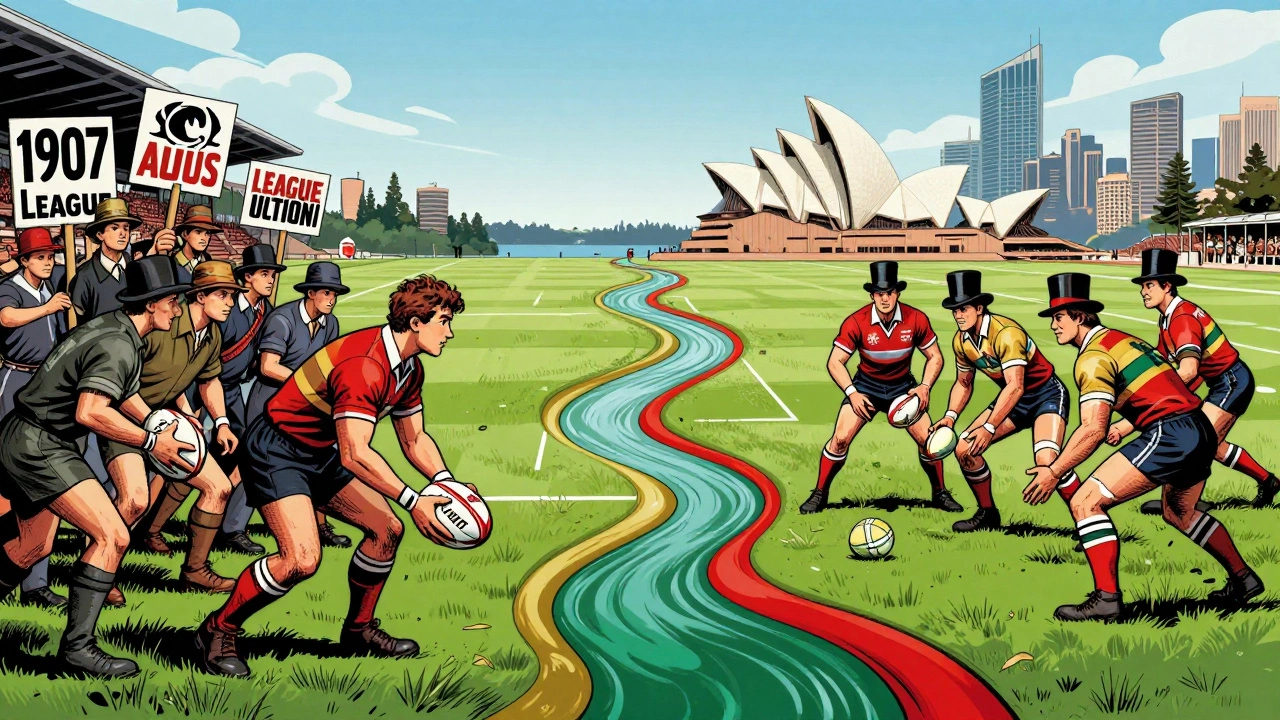
Rugby league was born in 1907, when players in northern England and later Australia broke away because they wanted to get paid for missing work to play. That’s why league became the working man’s game. Factories, docks, mining towns-they all backed league. Today, that legacy lives on. NRL clubs are deeply tied to their local communities. The Parramatta Eels aren’t just a team-they’re a symbol of Western Sydney’s identity.
Union, on the other hand, still leans on tradition. The Wallabies play in green and gold at the Sydney Cricket Ground. They get TV time on Sunday afternoons, but they don’t dominate the headlines like the NRL does. The Super Rugby Pacific competition still draws solid crowds, but it’s not the cultural force that league is.
Why It Matters
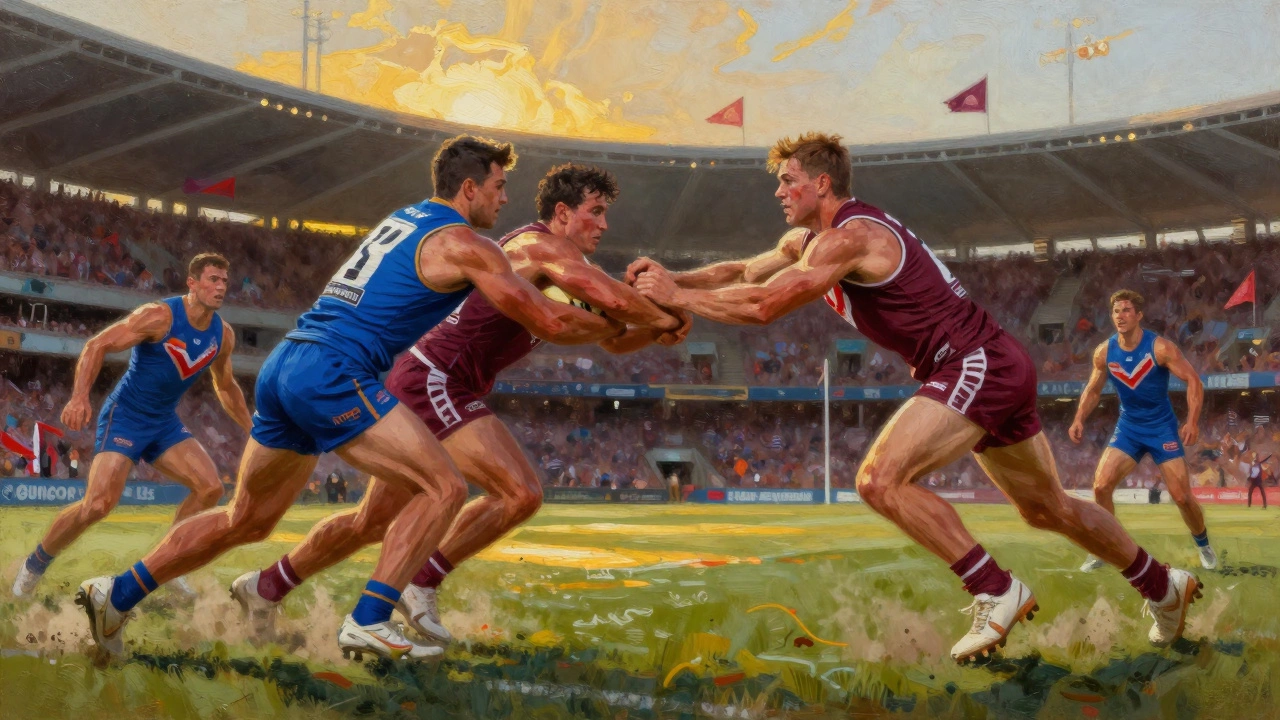
If you’re visiting Australia and want to talk rugby, getting this right matters. Say ‘rugby’ without context, and you’ll confuse people. Say ‘NRL’ and an Aussie will perk up. Say ‘union’ and you might get a nod from someone who remembers watching the 1999 World Cup win.
And if you’re trying to watch a game? Don’t rely on international broadcasts. The NRL season runs from March to October. The Super Rugby season runs from February to July. The State of Origin-three games between Queensland and New South Wales-is the biggest event in Australian rugby. It’s not just a match. It’s a national event. Millions tune in. Families gather. Barbecues stop. The whole country holds its breath.
What About the Rest of the World?
Outside Australia, most people think of rugby as the union version. That’s the game played in New Zealand, South Africa, England, and France. It’s the one with the All Blacks, the Springboks, and the Six Nations. When the World Cup rolls around, it’s union that gets the spotlight.
But in Australia? It’s different. The Wallabies might win a big match, but the next day, the headlines are all about the latest NRL try, the latest NRL controversy, the latest NRL contract signing. The game that fills the stadiums, sells the jerseys, and drives the TV ratings isn’t the one you see on ESPN. It’s the one that started as a protest over wages and became a national obsession.
How to Tell Them Apart
Here’s a quick cheat sheet if you’re ever watching a game and aren’t sure which one you’re seeing:
| Feature | Rugby League | Rugby Union |
|---|---|---|
| Players per team | 13 | 15 |
| Tackles before turnover | 6 | No limit |
| Play-the-ball after tackle | Yes | No-ruck or maul |
| Main competition | NRL | Super Rugby Pacific |
| Top national team | None (state-based) | Wallabies |
| Biggest event | State of Origin | Bledisloe Cup |
| Typical crowd size | 40,000-80,000 | 15,000-40,000 |
See the ‘play-the-ball’? That’s the tell. In league, after a tackle, the player gets up, rolls the ball back with their foot, and the next player runs. In union, it’s a messy pile of bodies trying to win the ball. If you see that, you know which game you’re watching.
What Do Kids Learn in School?
Most Australian kids start with rugby league in primary school. It’s easier to learn, less chaotic, and the rules are simpler. By Year 6, they’re playing in local clubs. Union is usually introduced in high school, often in private schools. That’s why you’ll find more union players from Sydney’s northern beaches or Melbourne’s elite academies.
But here’s the thing: even kids who play union know the difference. They’ll say, ‘I play league on weekends’ or ‘I’m in the union team.’ They don’t just say ‘rugby.’ They know the difference-and they expect you to too.
Final Answer: What Do Aussies Call Rugby?
Aussies don’t call it ‘rugby’ unless they’re being formal or talking to someone from overseas. In everyday life, they say:
- ‘League’ for the NRL version
- ‘Union’ for the Wallabies version
- ‘Footy’ if they’re being casual and the context makes it clear
If you want to sound like you belong, don’t say ‘rugby.’ Say ‘league’ if you’re in Sydney, Brisbane, or the Gold Coast. Say ‘union’ if you’re in Canberra, Adelaide, or talking about the Wallabies. And if you’re not sure? Just ask: ‘You mean league or union?’
That’s the Australian way. No guessing. No confusion. Just clarity.
Do Australians call rugby league just ‘rugby’?
Not usually. Most Aussies say ‘league’ to avoid confusion. If they say ‘rugby,’ they’re either being formal, talking to someone from overseas, or they’re from a region where union is more common. In places like Sydney or Brisbane, saying ‘rugby’ without context will likely get you a confused look.
Is rugby union popular in Australia?
Yes, but not as popular as rugby league. Rugby union has a strong following, especially during the Bledisloe Cup and the Rugby World Cup. The Wallabies are respected, and union is big in schools and regional areas. But the NRL draws bigger crowds, more TV viewers, and more media attention every week.
What is State of Origin?
State of Origin is a three-match series between New South Wales and Queensland. It’s the biggest event in Australian rugby league. Players are selected based on where they played their first senior game, not where they live now. The rivalry is fierce, emotional, and watched by over 1 million people per game. It’s not just a sport-it’s a cultural moment.
Why is rugby league more popular than union in Australia?
Rugby league became the game of the working class early on, with strong ties to communities, factories, and local clubs. The NRL built a professional structure that prioritized fast, exciting play and regular TV coverage. Union remained more traditional, with slower pacing and less media focus. League’s structure and marketing made it more accessible to everyday fans.
Do Australians play both codes?
Many kids start with league and switch to union later, especially if they’re tall or good at set pieces. Some elite athletes, like Israel Folau and Sonny Bill Williams, have played both at the highest level. But most players stick to one. The training, skills, and body types are different enough that switching is rare after age 18.