Running Shoe Lifespan: How Long Do Your Shoes Really Last?
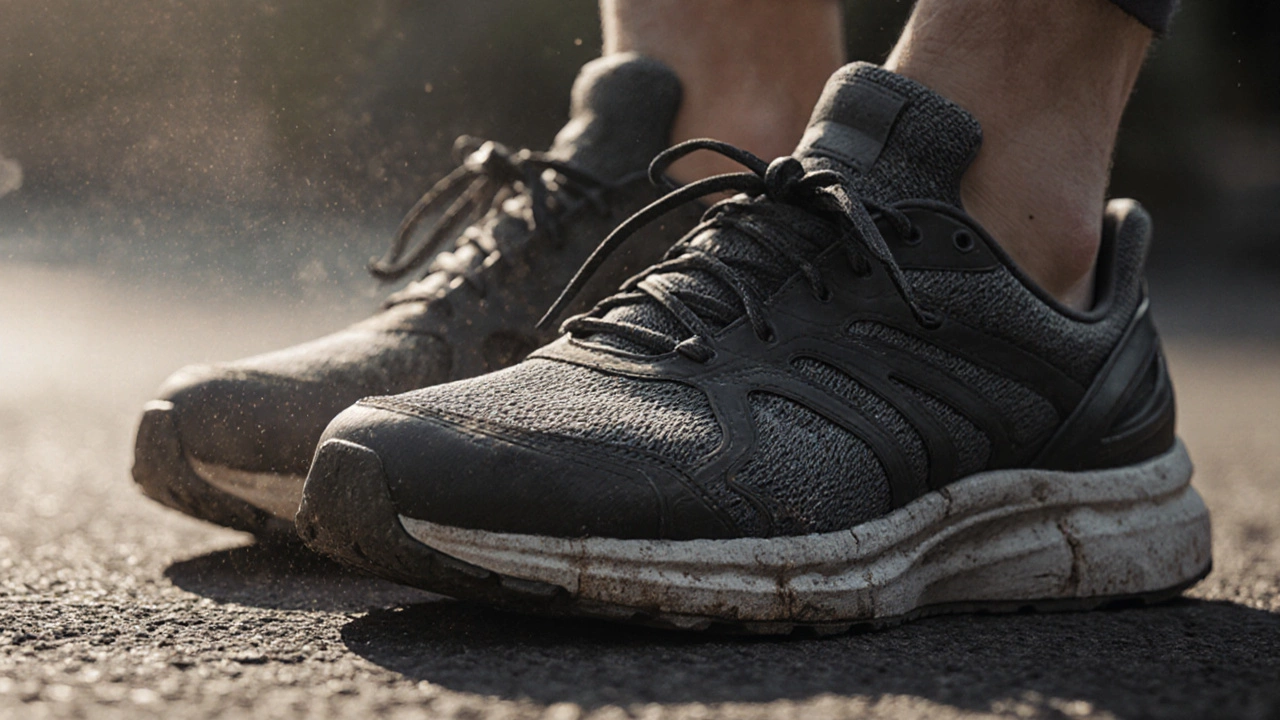
When you buy a pair of running shoes, footwear designed to support motion, absorb impact, and protect your joints during running. Also known as training shoes, they’re not just gear—they’re part of your body’s defense system on the road or trail. But no matter how good they feel at first, they don’t last forever. Most runners replace their shoes every 300 to 500 miles, but that number isn’t magic—it’s a guideline shaped by weight, running style, terrain, and how much you use them. If you’re logging 20 miles a week, that’s about 3 to 6 months. Skip the guesswork. Your feet will tell you when it’s time.
The real problem isn’t worn-out soles—it’s lost cushioning. You can still see tread, but the foam inside has compressed, broken down, or lost its bounce. That’s when your knees, hips, and shins start paying the price. Studies tracking runners over years show injury rates jump sharply after 500 miles, even if the shoe looks fine. And it’s not just distance—heat, moisture, and how you store them matter too. Leaving shoes in a hot car or damp garage speeds up degradation. A shoe that’s been sitting unused for a year? It’s probably already spent.
How do you know it’s time? Look for these signs: uneven wear on the outsole, a crease that won’t flatten when you press the midsole, or if your legs feel more tired than usual after runs you used to handle easily. If you’ve been running the same pair for over a year, even if you’re not logging tons of miles, it’s worth checking. Your body remembers what your shoes forget.
Some runners swear by minimalist shoes or barefoot running to build foot strength, but those don’t extend the life of your regular pair—they’re a different tool for a different job. And buying shoes half a size bigger? That’s smart if your feet swell during runs, but it won’t fix worn-out cushioning. The right fit matters, but so does the right age.
There’s no single answer that fits every runner. A 180-pound trail runner on rocky terrain will wear out shoes faster than a 120-pound road runner on smooth pavement. But the rule of thumb holds: track your miles, listen to your body, and don’t wait for pain to tell you it’s time. Replacing shoes before they break down isn’t an expense—it’s prevention.
Below, you’ll find real advice from runners who’ve been there—how to spot wear before it hurts, how mileage tracking works in practice, and why the best running shoes aren’t the most expensive ones, but the ones you replace on time.