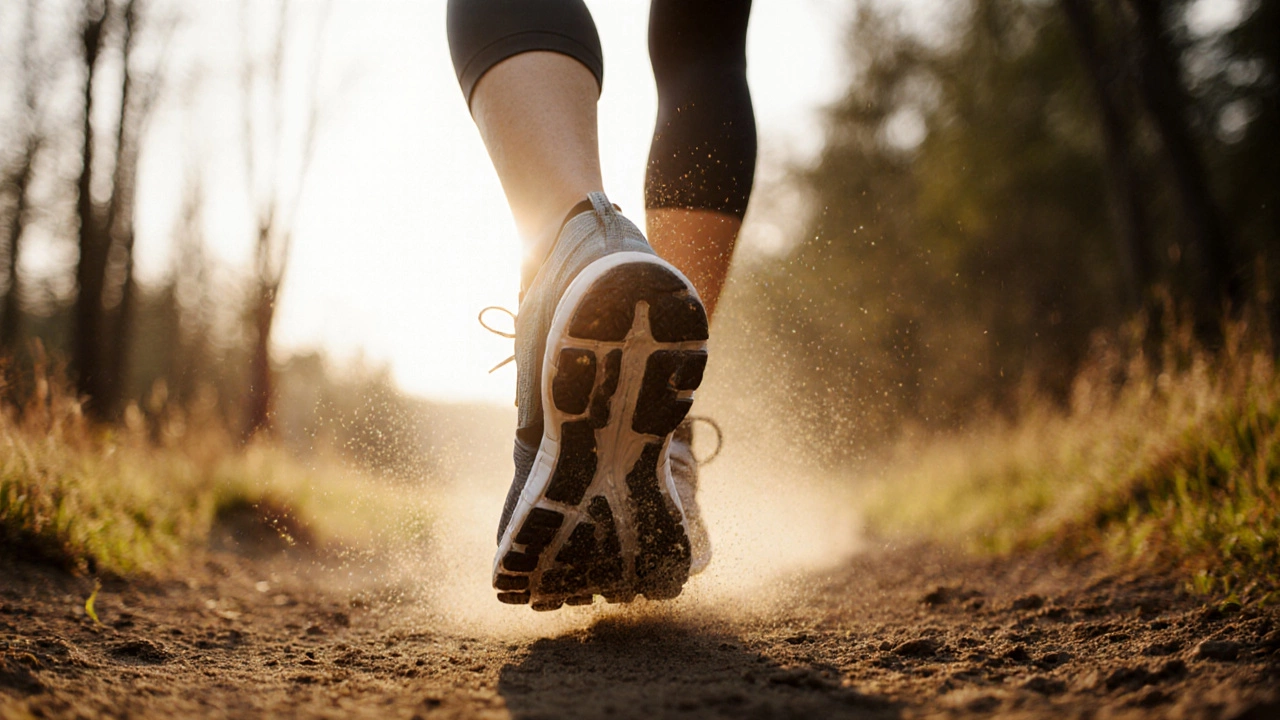
Running Shoe Fit: How to Find the Right Fit for Your Feet and Runs
When it comes to running shoe fit, the way a shoe matches your foot’s shape, movement, and pressure points during motion. Also known as footwear alignment, it’s not just about size—it’s about how your foot interacts with the shoe while you’re moving. A poor fit can lead to blisters, plantar fasciitis, or even stress fractures. A good fit? It lets you run longer, faster, and with less pain.
It’s not just about the shoe itself—it’s about your foot shape, the unique structure of your arch, heel width, and toe box space. Also known as foot type, it determines whether you need a roomy toe box, a snug heel collar, or extra midfoot support. Then there’s arch support, the structure built into the shoe to match the curve of your foot. Also known as footbed design, it helps control how your foot rolls with each step—whether you overpronate, underpronate, or have a neutral stride. And don’t forget running form, how your body moves while running, including stride length, foot strike, and posture. Also known as gait pattern, it changes how pressure lands on your feet and which parts of the shoe take the most wear. A shoe that fits your foot but doesn’t match your form will still cause problems.
Some people think the best fit is the one that feels tight at first and loosens up. That’s wrong. Your toes should have space—about a thumb’s width from the end—because your feet swell during runs. Your heel shouldn’t slip. The midfoot should feel secure, not squeezed. Try shoes in the afternoon when your feet are at their largest. Walk and jog in them before buying. If you’re unsure, get your foot scanned at a specialty running store—they’ll measure your arch, pressure points, and even your stride.
You’ll find posts here that dig into exactly this: how barefoot running changes what you need from a shoe, why marathon training demands different fit priorities than short jogs, and how age and foot strength affect your choices. Some runners swear by minimalist shoes. Others need max cushion. One size doesn’t fit all—because your feet aren’t like anyone else’s.