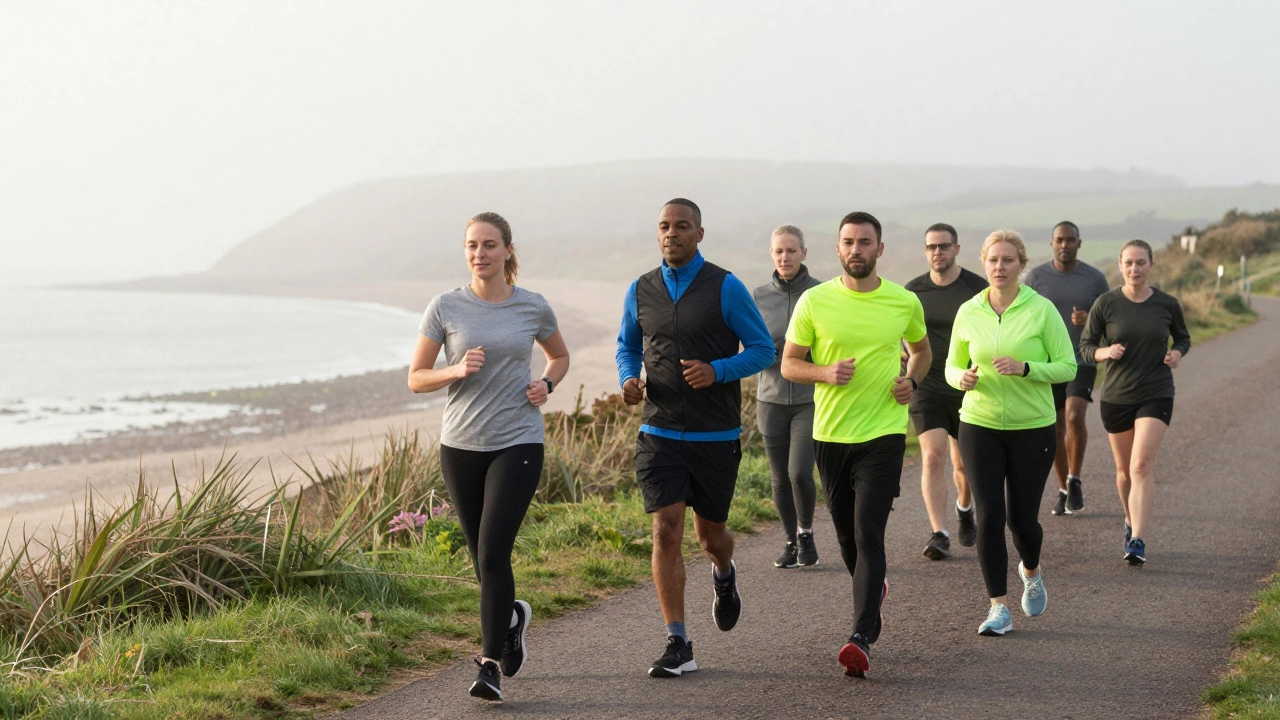
Running for Beginners: How to Start, What You Need, and How to Stay Injury-Free
When you start running for beginners, a simple, accessible form of exercise that requires minimal gear and can be done anywhere. Also known as jogging, it’s one of the most popular ways to get fit, clear your head, and build endurance—no gym membership needed. But jumping in too fast is how most people quit—or end up hurt. You don’t need to run five miles on day one. You just need to start smart.
The biggest mistake beginners make? Thinking they need fancy gear or to run fast right away. Truth is, your body needs time to adapt. That’s why running shoes, specifically designed to absorb impact and support foot movement during motion. Also known as running footwear, they’re not just nice to have—they’re critical for avoiding shin splints, plantar fasciitis, and knee pain. Most people should buy them half a size bigger than their normal shoe size. Your feet swell during runs. If your toes are cramped, you’re asking for trouble. And no, expensive doesn’t mean better. Look for comfort, not brand names.
Building stamina is a slow game. marathon training, a long-term process that turns walking into running, then running into endurance. Also known as long-distance running preparation, it’s not something you rush—even if you dream of crossing a finish line. But you don’t need to train for a marathon right away. Start with 20 minutes, three times a week. Walk if you need to. Jog if you can. The goal isn’t speed. It’s consistency. After four weeks, you’ll notice you can go longer without stopping. After eight, you might feel ready to try your first 5K.
Your beginner running plan, a structured approach that gradually increases distance and reduces walking breaks over weeks. Also known as couch-to-5K, it’s not magic—it’s math. Add no more than 10% more distance each week. Rest days aren’t optional. They’re when your muscles repair and get stronger. Skip them, and you’ll burn out—or worse, get injured. Listen to your body. A little soreness? Normal. Sharp pain? Stop. There’s no prize for pushing through pain.
And don’t overlook your running form, how your body moves while running, including posture, foot strike, and arm swing. Also known as running technique, it’s the quiet factor that makes or breaks your long-term success. You don’t need to run like a pro. But landing softly, keeping your shoulders relaxed, and looking ahead instead of down? That cuts strain. You’ll run farther, feel better, and recover faster.
What you’ll find below isn’t theory. It’s real advice from people who started exactly where you are now. Whether it’s how long to train for a marathon, why your shoe size matters, or whether barefoot running is worth trying—you’ll get straight answers. No fluff. No hype. Just what works for real beginners.