How to Target Belly Fat at the Gym: The Science-Backed Plan That Actually Works
 May, 3 2026
Belly Fat Loss Plan Calculator
Your Details
Your Science-Backed Targets
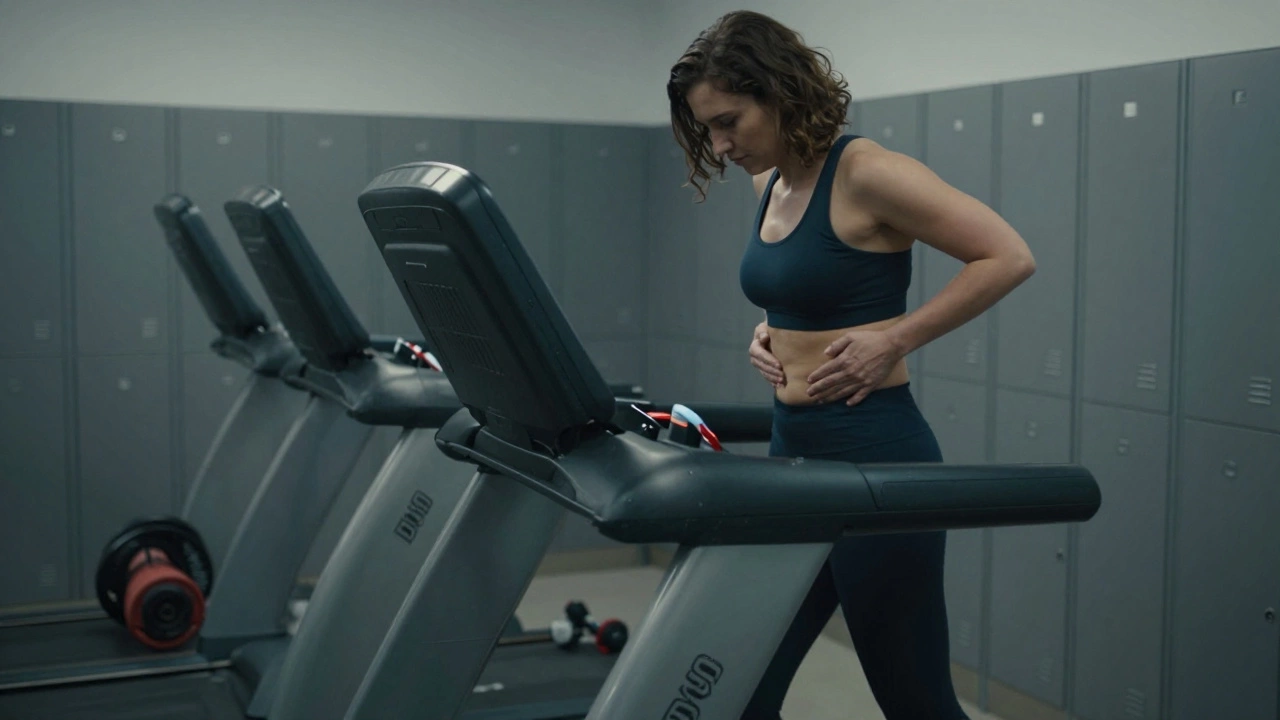
It’s a scenario we’ve all seen in the locker room. You’re standing on the treadmill, eyes glued to your stomach, wondering if this specific incline is going to melt away that stubborn layer of fat you’ve been carrying around for months. You do crunches until your abs scream. You buy the expensive ab roller. Yet, when you step on the scale or look in the mirror, nothing has changed. Why? Because the human body doesn’t work like a remote control where you can select which part loses weight first.
The hard truth-and it might sting-is that spot reduction is a biological impossibility. You cannot tell your body to burn fat specifically from your belly by exercising your abs. However, you absolutely can create a metabolic environment where your body *has* to use stored fat for fuel, and eventually, that includes the visceral and subcutaneous fat around your midsection. The key isn’t doing more sit-ups; it’s changing how you train your entire body to become a fat-burning machine.
The Myth of Spot Reduction Explained
To understand why your current routine might be failing, you have to look at how fat loss actually works physiologically. When you exercise, your body taps into energy stores called triglycerides. These are broken down into fatty acids and released into the bloodstream to be used by working muscles. This process happens systemically, not locally. Your brain signals the release of fat from adipose tissue (fat cells) all over your body simultaneously.
Think of your body as a bank account. When you need money (energy), you don’t get to choose which specific bill comes out of the wallet. You just withdraw funds. Genetics, hormones, and age determine which areas lose fat last. For many men, the lower abdomen is the final frontier. For many women, it’s often the thighs or hips. But here is the good news: once you build enough momentum with full-body training and nutrition, that last bit of belly fat will drop off too.
Can I lose belly fat faster than other parts of my body?
No, you cannot control where fat leaves your body first. Fat loss is systemic and determined by genetics and hormone receptors. However, losing overall body fat through a caloric deficit and consistent exercise will eventually reduce belly fat.
Build a Metabolic Engine with Compound Lifts
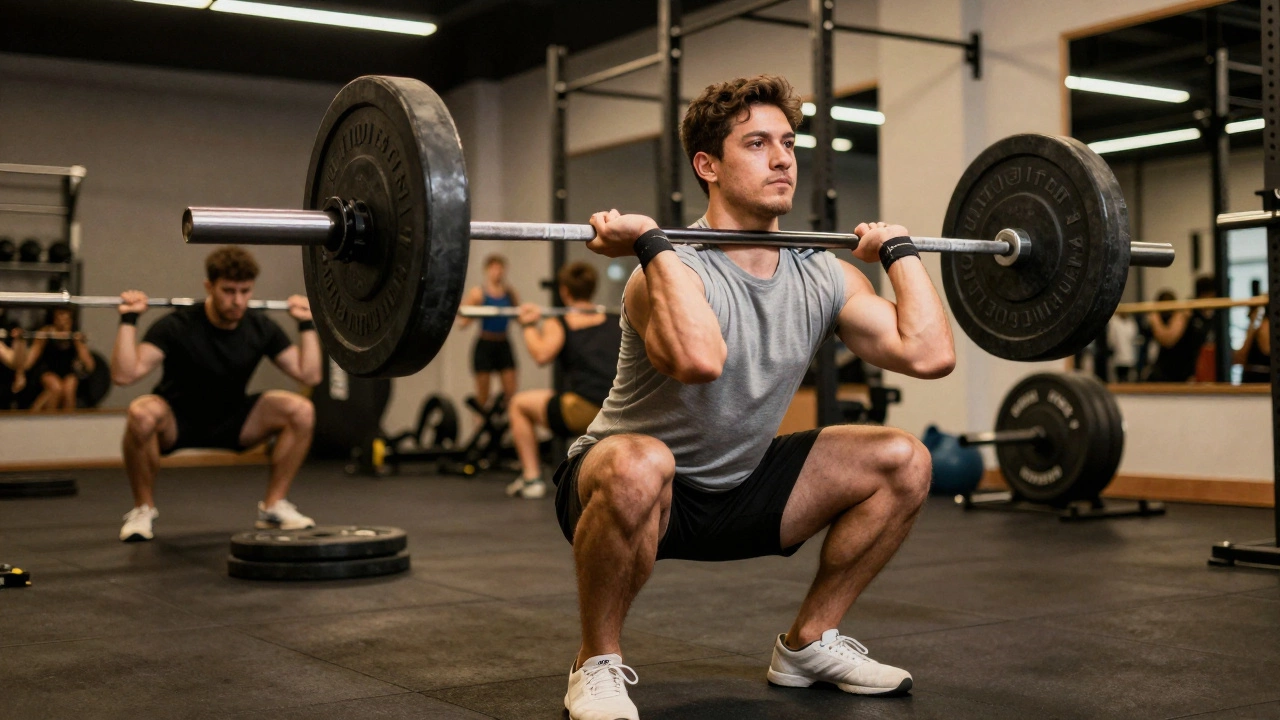
If spot reduction is out, what’s in? The answer is efficiency and intensity. To burn significant calories and keep them burning, you need to engage large muscle groups. This means prioritizing compound movements over isolation exercises. While a bicep curl targets one small muscle, a Squat is a multi-joint exercise that engages the quadriceps, hamstrings, glutes, and core simultaneously.
When you lift heavy weights using multiple joints, you trigger something called Excess Post-Exercise Oxygen Consumption (EPOC). Often referred to as the "afterburn effect," this means your body continues to burn calories at an elevated rate for hours after you leave the gym because it’s working to repair muscle tissue and restore oxygen levels. Isolation exercises like leg extensions or cable curls don’t produce nearly the same hormonal response or EPOC.
Your weekly gym routine should revolve around these big lifts:
- Deadlifts: Engages the posterior chain (back, glutes, hamstrings) and requires immense core stability to prevent injury.
- Squats: The king of leg exercises, demanding balance and strength from your entire lower body.
- Bench Press & Overhead Press: Builds upper body pushing strength while stabilizing the torso.
- Pull-Ups or Rows: Strengthens the back and improves posture, which instantly makes your waist look slimmer by pulling your shoulders back.
Aim for three to four days a week of resistance training. Focus on progressive overload-gradually increasing the weight or reps each week. This builds lean muscle mass, which acts as metabolic tissue. Muscle burns more calories at rest than fat does. By building muscle, you raise your Basal Metabolic Rate (BMR), meaning you burn more calories just sitting on the couch watching TV.
Cardio Strategy: HIIT vs. Steady State
You can’t out-train a bad diet, but you also shouldn’t ignore cardiovascular health. Cardio helps increase your daily calorie expenditure and improves heart health. But not all cardio is created equal when it comes to fat loss. There are two main approaches you can take at the gym: High-Intensity Interval Training (HIIT) and Low-Intensity Steady State (LISS).
HIIT is short bursts of intense exercise followed by brief recovery periods. An example would be sprinting on a treadmill for 30 seconds at maximum effort, then walking for 90 seconds. Repeat this cycle for 15 to 20 minutes. HIIT is incredibly time-efficient and triggers a high EPOC effect. It’s brutal, but effective for breaking plateaus.
On the other hand, LISS involves maintaining a moderate pace for a longer duration, like a 45-minute brisk walk on an incline or a steady bike ride. This keeps your heart rate in Zone 2 (about 60-70% of your max heart rate). LISS is less stressful on the central nervous system and allows you to recover better between heavy lifting sessions. If you’re feeling burnt out or injured, swap HIIT for LISS.
A balanced approach works best for most people. Try two days of HIIT and one day of LISS per week, ensuring they don’t interfere with your recovery from weightlifting. Don’t let cardio replace your strength training; strength training should always be your priority for body composition changes.
The Core Work That Actually Matters
So, if you can’t spot-reduce, why do any ab work at all? Because a strong core supports heavier lifts, improves posture, and creates a tighter, more defined look even before the fat disappears. But traditional crunches are largely ineffective for creating a flat stomach. They shorten the abdominal muscles without necessarily toning them, and they can sometimes contribute to poor posture if done incorrectly.
Instead, focus on anti-extension and anti-rotation exercises. These teach your core to resist movement, which is how your abs function in real life. Here are the moves that deliver results:
- Planks: Hold a push-up position on your elbows. Keep your hips level and squeeze your glutes. Aim for quality over quantity; shaking means you’re losing form.
- Hanging Leg Raises: Hang from a pull-up bar and lift your legs straight out in front of you. This targets the lower abdominals and hip flexors.
- Cable Woodchoppers: Pull a cable handle diagonally across your body. This builds rotational strength and oblique definition.
- Ab Wheel Rollouts: Kneel on the floor and roll a wheel forward, extending your body into a plank, then pull back. This is one of the most challenging and effective core exercises available.
Incorporate these into your workout routine 2-3 times a week, either as a warm-up or at the end of your session. Treat your abs like any other muscle group: they need stimulus, but they also need rest.
Nutrition: The Non-Negotiable Factor
This is where the rubber meets the road. You can perform the perfect gym routine every single day, but if you are eating in a caloric surplus, you will not lose belly fat. Weight loss fundamentally comes down to energy balance: Calories In vs. Calories Out (CICO).
To lose fat, you must consume fewer calories than your body burns. A moderate deficit of 300-500 calories per day is sustainable and effective. This typically leads to a loss of about 0.5 to 1 pound per week. Losing weight faster than this often results in muscle loss, which slows down your metabolism and makes your body look "skinny-fat" rather than toned.
But not all calories are equal when it comes to satiety and hormonal health. Prioritize protein intake. Protein has a high thermic effect, meaning your body burns more calories digesting it compared to fats or carbs. More importantly, protein preserves muscle mass during a deficit. Aim for 0.7 to 1 gram of protein per pound of body weight.
Watch out for liquid calories. Sodas, fancy coffees, and alcohol add hundreds of calories without making you feel full. Alcohol, in particular, pauses fat oxidation because your liver prioritizes processing the toxin over burning fat. Reducing alcohol consumption is one of the fastest ways to see changes in your midsection.
| Common Mistake | Why It Fails | Effective Alternative |
|---|---|---|
| Eating zero carbs | Leads to fatigue, poor gym performance, and eventual bingeing. | Eat complex carbs (oats, rice, potatoes) around workouts for energy. |
| Skipping meals | Causes blood sugar crashes and overeating later in the day. | Eat regular, balanced meals to maintain stable energy levels. |
| Focusing only on the scale | Muscle weighs more than fat; the scale doesn't show composition. | Use progress photos, tape measurements, and how clothes fit. |
| Drinking calories | Liquid calories don't trigger satiety signals in the brain. | Stick to water, black coffee, or unsweetened tea. |

Stress, Sleep, and Cortisol
We often forget that the gym is only one piece of the puzzle. Your lifestyle outside the gym dictates your body’s ability to shed fat. Specifically, we need to talk about cortisol. Cortisol is the primary stress hormone. When you are chronically stressed, sleep-deprived, or overtrained, cortisol levels remain elevated.
High cortisol levels are directly linked to increased visceral fat storage-the dangerous fat that surrounds your internal organs. It essentially tells your body to hold onto energy reserves because it perceives a threat. If you’re sleeping five hours a night and grinding through work stress, your body is fighting against your gym efforts.
Prioritize seven to nine hours of quality sleep per night. During deep sleep, your body releases growth hormone, which aids in fat metabolism and muscle repair. Manage stress through mindfulness, walking, or simply unplugging from screens before bed. Recovery is not laziness; it’s a biological requirement for transformation.
Tracking Progress Beyond the Scale
The scale is a liar. It fluctuates based on water retention, sodium intake, and glycogen stores. One day you might weigh 180 pounds, and the next 182, despite doing everything right. Don’t let this discourage you. Instead, use multiple metrics to track your journey.
Take progress photos every two weeks under the same lighting and conditions. Visual changes often happen before the scale moves significantly. Measure your waist circumference with a tape measure. A reduction in waist size is a direct indicator of fat loss, especially around the midsection. Pay attention to non-scale victories: are your clothes fitting looser? Do you have more energy during workouts? Are you lifting heavier weights?
Consistency beats intensity. Doing a mediocre workout consistently for six months will yield far better results than going hard for two weeks and quitting. Build habits that stick. Start small, stay patient, and trust the science. Your belly fat won’t disappear overnight, but with the right combination of compound lifting, strategic cardio, nutritional discipline, and adequate recovery, it will go.
How long does it take to lose belly fat?
There is no fixed timeline as it depends on your starting point, genetics, and adherence to your plan. Generally, expect to see noticeable changes in 8 to 12 weeks of consistent effort. Sustainable fat loss is a marathon, not a sprint.
Is morning fasted cardio better for belly fat?
Fasted cardio may slightly increase fat oxidation during the workout, but total daily calorie deficit matters most. If you feel weak or dizzy, eat a small snack before exercising. Consistency is more important than timing.
Do ab machines at the gym work?
Ab machines can strengthen your abdominal muscles, but they do not burn the fat covering them. Free-weight compound exercises and bodyweight movements like planks offer better functional strength and calorie burn.
What role does protein play in fat loss?
Protein preserves muscle mass during a caloric deficit, keeps you fuller for longer, and has a higher thermic effect than carbs or fats. Aim for 0.7-1g of protein per pound of body weight daily.
Can supplements help burn belly fat?
Most fat-burning supplements have minimal impact compared to diet and exercise. Caffeine may provide a slight boost in metabolism and workout performance, but no pill can replace a caloric deficit and consistent training.