How Equipment Affects Sports Performance and Safety
 Dec, 22 2025
Ever notice how a tennis player with a brand-new racket seems to hit harder, or how a runner in lightweight shoes can cut seconds off their time? It’s not just skill or training. The gear they’re using is doing half the work. Sports equipment isn’t just something you buy to play-it changes how you move, how hard you can push, and even how likely you are to get hurt.
Equipment Shapes How You Move
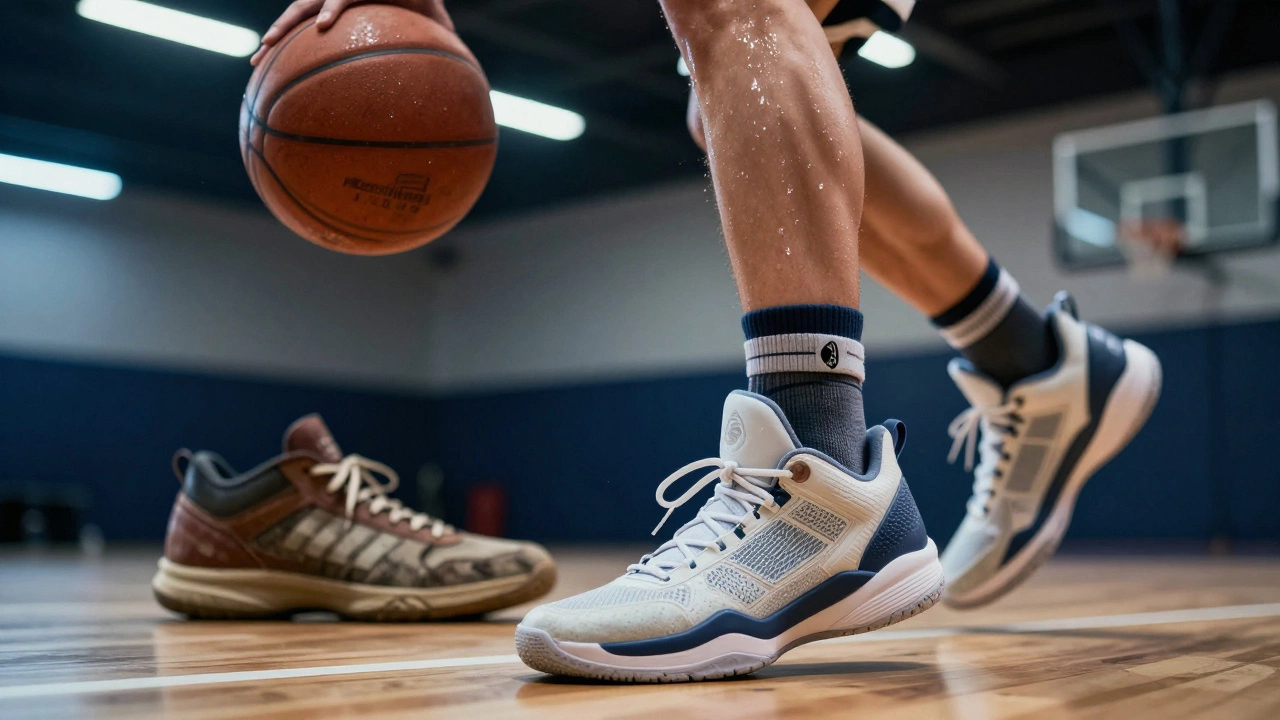
Think about basketball. A decade ago, players wore heavy leather shoes with flat soles. Today, they’re on cushioned, responsive soles with ankle support built into the design. That shift didn’t just make them more comfortable-it changed their jump mechanics. Studies from the Australian Institute of Sport showed that modern basketball shoes increase vertical leap by an average of 4.2% compared to older models. That’s not a small gain. In a game decided by inches, that’s the difference between a dunk and a blocked shot.
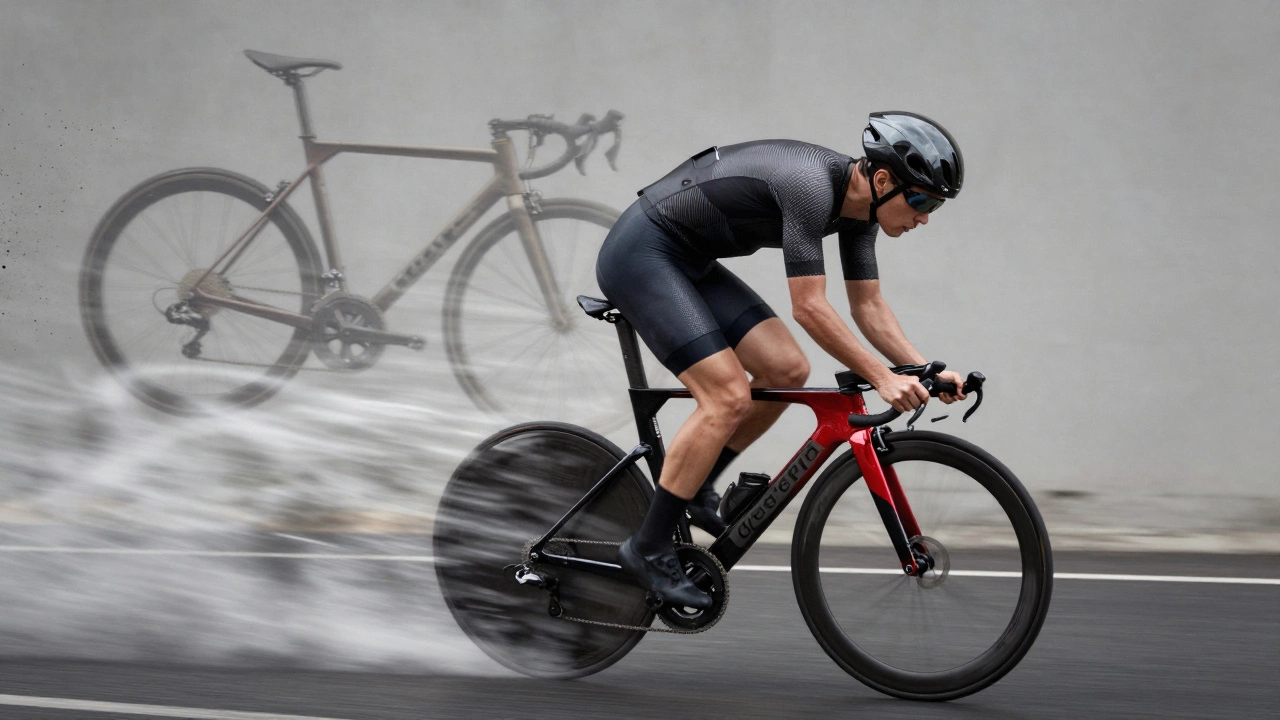
Same goes for cycling. Carbon fiber frames, aerodynamic helmets, and skin-tight suits aren’t just for show. In a 40km time trial, a rider in top-tier gear can save up to 90 seconds over someone using basic equipment. That’s not magic. It’s physics. Less air resistance, less weight, better power transfer. The equipment doesn’t make you faster-it removes the things holding you back.
It Can Make or Break Safety
Before the 1990s, rugby players rarely wore headgear. Concussions were seen as part of the game. Today, mandatory mouthguards and padded headgear are standard in junior leagues across Australia. Why? Because research from the University of Sydney found that players wearing proper headgear reduced concussion risk by 31% in contact drills. That’s not a suggestion-it’s a lifesaver.
And it’s not just contact sports. In running, the wrong shoe can turn a 5km jog into a stress fracture. A 2024 study tracking 2,300 recreational runners found that those who chose shoes based on foot arch type and gait pattern had 47% fewer overuse injuries than those who picked shoes by color or brand alone. Your gear isn’t just about comfort-it’s your body’s first line of defense.
Technology Is Changing the Game
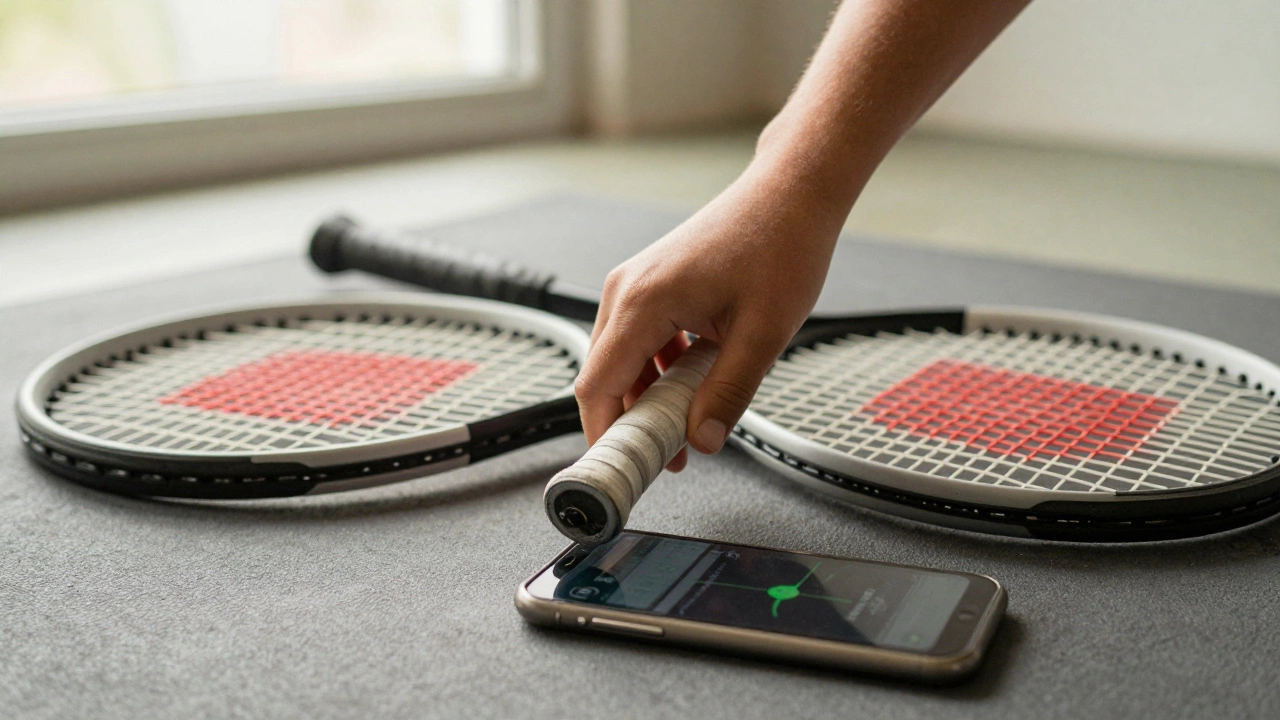
Today’s equipment isn’t just made of better materials-it’s smarter. Smart soccer balls now track spin rate, trajectory, and impact force. Golf clubs have sensors that tell you exactly where you’re mis-hitting the ball. Even swimming goggles now come with built-in heart rate monitors.
These aren’t gimmicks. They’re feedback tools. A baseball pitcher using a sensor-equipped glove can see in real time that his wrist angle is off by 8 degrees on his curveball. Fix that, and his strike rate goes up. That’s not training-it’s data-driven refinement.
And it’s not just pros. Amateur athletes now have access to tech once reserved for Olympians. GPS watches, smart resistance bands, even AI-powered form analysis apps on your phone-all of these turn everyday gear into performance coaches.
Bad Gear Can Hurt More Than Help
But here’s the flip side: bad equipment doesn’t just hold you back-it can actively damage you. Too-tight cleats cause nerve damage in feet. Overly stiff knee braces restrict natural movement and weaken supporting muscles. A helmet that doesn’t fit right? It’s useless in a crash.
One common mistake? Buying gear based on what a pro athlete uses. That tennis racket with the heavy head and tight string pattern? It’s perfect for a 200-pound ATP player. For a 13-year-old with a developing swing? It’ll strain their elbow and lead to tennis elbow in months. Gear that works for one person can be dangerous for another.
And don’t ignore wear and tear. A running shoe lasts about 500-800 kilometers. After that, the cushioning collapses. You think you’re still protected? Your knees and hips are paying the price. Same with bike helmets-once they’ve taken a hit, even if there’s no crack, the foam inside is compromised. Replace them. Don’t gamble.
It’s Not Just About the Gear-It’s About Fit and Use
Equipment matters, but only if it’s used right. A $500 pair of running shoes won’t help if you’re wearing them for weightlifting. A high-end hockey stick won’t improve your shot if you’re gripping it wrong. The gear is a tool, not a miracle.
Here’s what actually works:
- Get fitted by someone who knows your sport-not just a store clerk.
- Test gear before you buy. If you can’t try it on a field, court, or track, walk away.
- Replace gear before it breaks. Don’t wait for it to fail.
- Match gear to your body, not your idol.
- Understand what each piece is designed to do. A compression sleeve isn’t a brace. A mouthguard isn’t a fashion accessory.
There’s no magic product that turns a beginner into a champion. But the right gear, used properly, removes friction from your progress. It lets your training stick. It lets your body recover. It lets you play longer, harder, and safer.
What You Should Be Looking For
When you’re shopping for sports gear, ask yourself these questions:
- Does this match my sport’s movement patterns? (e.g., lateral motion for tennis, forward drive for rowing)
- Is it designed for my body type and skill level? (e.g., lighter racquet for juniors, wider sole for flat feet)
- Has it been tested in real conditions? Look for studies or certifications-not just marketing claims.
- Can I replace parts? (e.g., grip tape on a racket, insoles in a shoe)
- Does it allow natural movement, or does it force me into a position?
If the answer to any of these is ‘I don’t know,’ keep looking. The best gear doesn’t shout-it just works.
Bottom Line: Gear Is Part of Your Training
You wouldn’t skip a workout because you didn’t feel like it. But you might skip replacing your cleats because they’re ‘still fine.’ That’s the same as skipping recovery days. Your equipment is part of your training plan. It’s not an afterthought-it’s a tool that shapes your performance, protects your body, and determines how long you can keep playing.
Stop thinking of gear as something you buy once and forget. Think of it like your diet or sleep. It needs attention. It needs updates. It needs care. Get it right, and you’ll see results you didn’t know were possible. Get it wrong, and you might not get to see them at all.
Does expensive sports equipment always perform better?
Not necessarily. High price often reflects branding, marketing, or minor tech upgrades-not performance gains. A $300 running shoe isn’t twice as good as a $150 one if both fit your foot and support your gait. What matters is fit, function, and whether it’s designed for your sport and body type. Many mid-range options outperform premium models for average athletes.
Can equipment reduce injury risk in contact sports?
Yes, when used correctly. Helmets, mouthguards, and padded gear in sports like rugby, football, and hockey have been proven to reduce the severity and frequency of concussions and fractures. But gear alone isn’t enough. Proper technique, rule enforcement, and conditioning are just as important. Equipment reduces risk-it doesn’t eliminate it.
How often should I replace my sports equipment?
It depends on the gear and how often you use it. Running shoes last 500-800 km. Tennis racquet strings lose tension after 20-40 hours of play. Helmets should be replaced after any impact, even if there’s no visible damage. Bikes need annual tune-ups, and pads should be swapped when they compress or crack. Check manufacturer guidelines, but trust your body-if something feels off, it probably is.
Is it okay to use hand-me-down sports gear?
Sometimes. For casual use, like a second-hand basketball or basic running shorts, it’s fine. But for performance or safety gear-shoes, helmets, pads, racquets-avoid it. Gear degrades over time, even if it looks okay. A helmet that’s three years old may have lost its shock absorption. Shoes lose cushioning. Fit matters too-gear designed for someone else’s body won’t protect you properly.
Do professional athletes’ gear recommendations work for amateurs?
Not always. Pro athletes have custom gear built for their exact body, strength, and movement patterns. What works for a 6’5” NBA player with 20 years of training won’t suit a 5’8” weekend player. Their gear is optimized for elite performance, not injury prevention or comfort for average users. Use their choices as inspiration, not instructions.