Do Marathon Runners Look Older? The Truth About Runner's Face
 Apr, 13 2026
Runner's Face Risk & Prevention Checker
Select all the factors that apply to your current training regimen to see your risk level and a customized prevention plan.
Your Risk Level: Low
Quick Takeaways on Endurance Aging
- The "aged" look is mostly due to fat loss and skin dehydration, not necessarily cellular aging.
- Oxidative stress from extreme exertion can damage skin collagen.
- Sun exposure is the primary culprit for permanent wrinkles in outdoor runners.
- Proper nutrition and skincare can almost entirely prevent this appearance.
The Science Behind the Gaunt Look
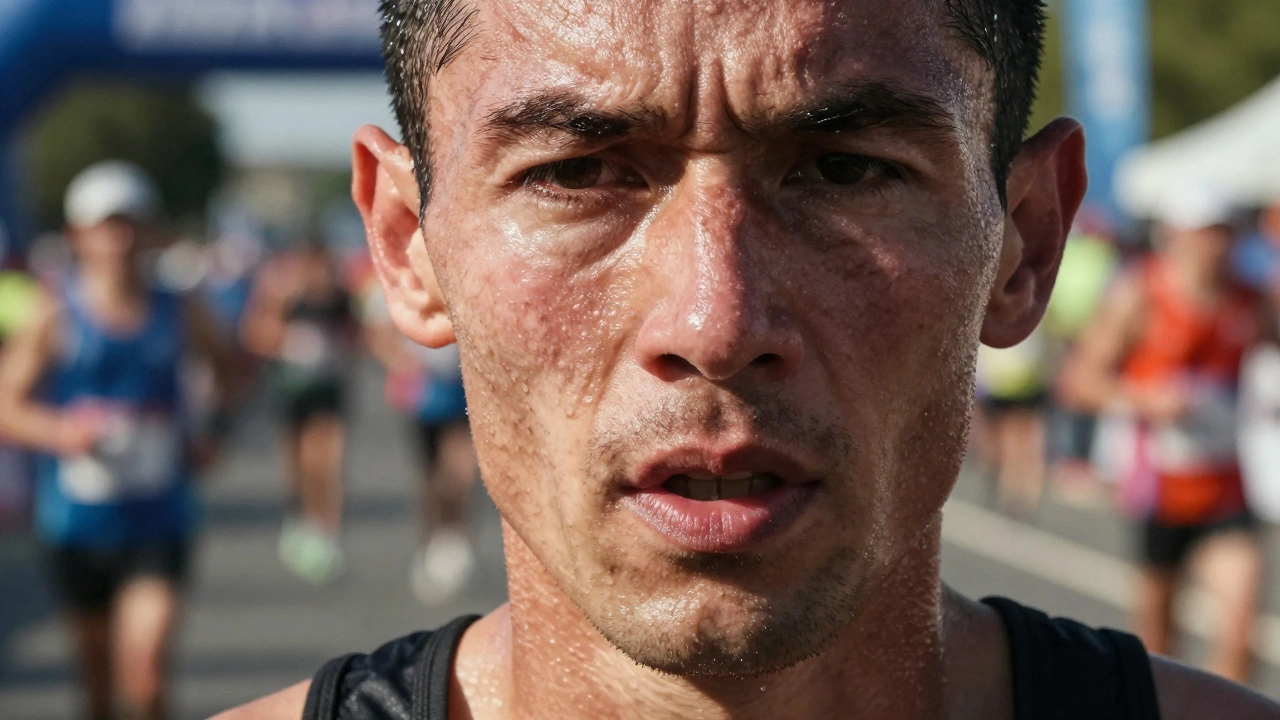
When you train for a marathon, your body becomes a calorie-burning machine. To be efficient, the body sheds excess weight, including Subcutaneous Fat, which is the layer of fat directly under your skin. In the face, this fat provides volume and a "plump" look that hides wrinkles and defines the jawline. When a runner hits a very low body fat percentage-often below 10-12% for men and 18-20% for women-the face loses this structural support. The skin begins to sag or cling more tightly to the bone, making the cheeks look hollow and the eyes look sunken.
This isn't just about weight loss; it's about how the body manages energy. During a long run, the body enters a state of Catabolism, where it breaks down molecules for energy. If you aren't fueling enough, the body may break down muscle and connective tissues. While it won't "eat" your face for fuel, the overall systemic depletion leaves the skin looking sallow and tired.
Oxidative Stress and Skin Damage
Running a marathon isn't just a test of your legs; it's a chemical storm in your blood. High-intensity endurance exercise increases the production of Free Radicals, which are unstable molecules that can damage cells. When these molecules overwhelm your body's antioxidant defenses, you experience oxidative stress. This process can break down Collagen, the protein that keeps skin firm and elastic.
Think of collagen like the scaffolding of your skin. When free radicals attack that scaffolding, the skin loses its "bounce." If you've ever felt your skin feel tight or dry after a 20-mile long run, you're seeing the immediate effects of dehydration and oxidative stress. Over years of training, this can lead to fine lines that look like age wrinkles but are actually the result of metabolic wear and tear.

The Role of Environmental Exposure
Let's be honest: most of the "aging" we see in marathoners isn't from the running itself, but from where the running happens. A runner spending 60 to 100 miles a week outdoors is exposed to massive amounts of Ultraviolet (UV) Radiation. UV rays penetrate the dermis and destroy the elastin fibers that keep skin smooth.
Many runners skip sunscreen because they feel the sweat washes it off, or they find it too greasy. This leads to "photoaging," which manifests as leathery skin, brown spots (solar lentigines), and deep creases around the eyes. If you see a runner who looks 50 at 35, it's more likely they've ignored their SPF than they've run too many miles.
| Feature | Natural Aging | Runner's Face |
|---|---|---|
| Primary Cause | Genetic/Chronological | Fat Loss & UV Exposure |
| Skin Texture | Loss of elasticity | Dehydration & Weathering |
| Facial Volume | Gradual fat migration | Rapid lean-mass optimization |
| Reversibility | Low (requires clinical) | High (with weight/skin care) |
Does Cardiovascular Health Counteract the Look?
Here is the irony: while marathon runners might look older on the surface, their internal organs are often decades younger than a sedentary person's. Cardiovascular Health in endurance athletes is typically superior, with lower resting heart rates and highly efficient Mitochondria (the powerhouses of the cells).
The heart of a 50-year-old marathoner often functions like that of a 30-year-old. The blood flow to the skin is actually better in fit individuals, which helps with nutrient delivery and waste removal. So, while the "shell" might show some wear, the internal biological age is often significantly lower. You're essentially trading a bit of facial plumpness for a heart that could potentially last much longer.
How to Prevent Premature Aging While Training
You don't have to choose between a personal best and a youthful face. The key is mitigating the three big killers: UV rays, oxidative stress, and extreme caloric deficits.
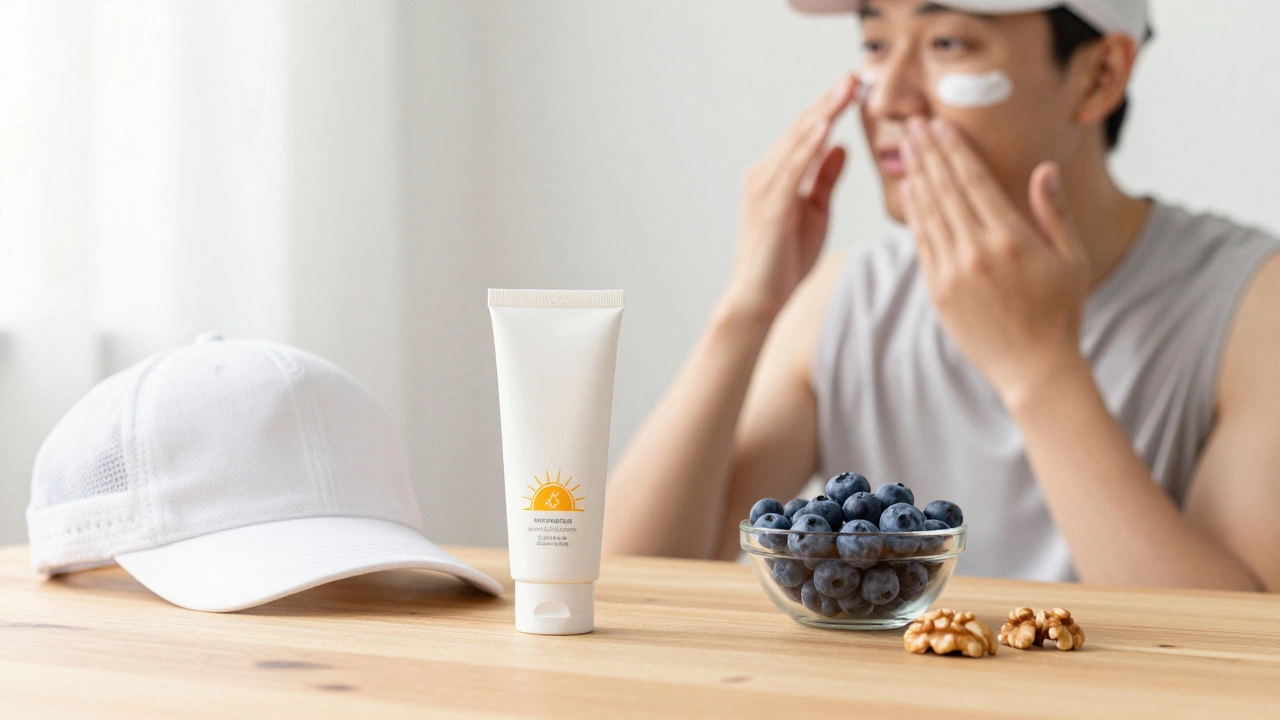
First, prioritize skin protection. Use a mineral-based, sweat-resistant SPF 30 or higher. If you're running in the high sun, a running cap isn't just for style-it's a physical barrier that prevents the most direct damage to your forehead and nose. Apply a rich moisturizer after your run to lock in hydration and repair the skin barrier.
Second, focus on your antioxidant intake. To fight the free radicals produced during those grueling tempo runs, load up on vitamins C and E. Berries, leafy greens, and nuts help neutralize the oxidative stress that degrades collagen. Some athletes use supplements like CoQ10, which supports mitochondrial health and may help protect the skin from the inside out.
Third, manage your nutritional balance. Avoid the "crash diet" approach to racing weight. If you drop weight too quickly or maintain a massive caloric deficit for months, your face will be the first place it shows. Ensure you're eating enough healthy fats-like avocados and omega-3s from fish-to keep your skin supple and maintain a healthy layer of subcutaneous fat.
The Psychological Side: Does it Matter?
Interestingly, many runners embrace the look. There's a certain badge of honor in looking like you've put in the work. The "lean' look is often associated with discipline and peak performance. However, if you're worried about the aesthetic, remember that the gauntness is often temporary. Once a runner stops their peak training cycle and increases their caloric intake slightly, the facial volume typically returns.
Whether it's the lean cheeks of a Kenyan pro or the sun-kissed forehead of a weekend warrior, the look of a marathoner is a reflection of the stress the body has endured. But with a bit of sunscreen and a few extra calories, you can keep your skin as resilient as your lungs.
Will running marathons cause permanent wrinkles?
Running itself doesn't cause wrinkles, but the environmental factors associated with it do. UV exposure and severe dehydration are the main culprits. If you use sunscreen and stay hydrated, the actual act of running is generally beneficial for your skin due to increased blood circulation.
Can I reverse "runner's face"?
Yes, in many cases. Since much of the look comes from low body fat and dehydration, increasing your caloric intake (specifically healthy fats) and focusing on intense skin hydration can restore volume to the face. However, deep sun damage (photoaging) usually requires dermatological treatments like retinoids or chemical peels to improve.
Do all long-distance runners look older?
Definitely not. It's most common in elite athletes or those with very low body fat percentages. Many amateur runners maintain a healthy balance of muscle and fat that prevents the "gaunt" look entirely.
Are antioxidants really helpful for skin during training?
Yes. High-volume training creates a surge of free radicals. Antioxidants from foods like blueberries, spinach, and walnuts help neutralize these molecules, preventing them from breaking down the collagen and elastin in your skin.
Does drinking more water stop the aged look?
Hydration helps with the immediate "glow" and plumpness of the skin, but it isn't a cure for structural fat loss or sun damage. It is a necessary baseline, but needs to be paired with SPF and proper nutrition to see long-term results.