What Is the Best Overall Exercise for Your Body?
 Apr, 5 2026
Compound Exercise Routine Planner
Build a balanced workout by selecting one exercise from each essential movement pattern. This ensures you avoid "desk slouch" and optimize your biological strength.
Your Optimized Workout Plan
The Heavyweight Champion: The Deadlift
If we have to pick one movement that defines raw strength and utility, it's the deadlift. Why? Because it mimics the most basic human action: picking something heavy up off the floor. Whether you're grabbing a toddler, hoisting a suitcase, or moving a couch, you're deadlifting.The Upper Body King: The Squat
While the deadlift owns the posterior chain, the squat is the gold standard for the front of your lower body. You can't really function in the world without the ability to squat. Imagine trying to sit in a chair or get out of a car without squatting-it's impossible.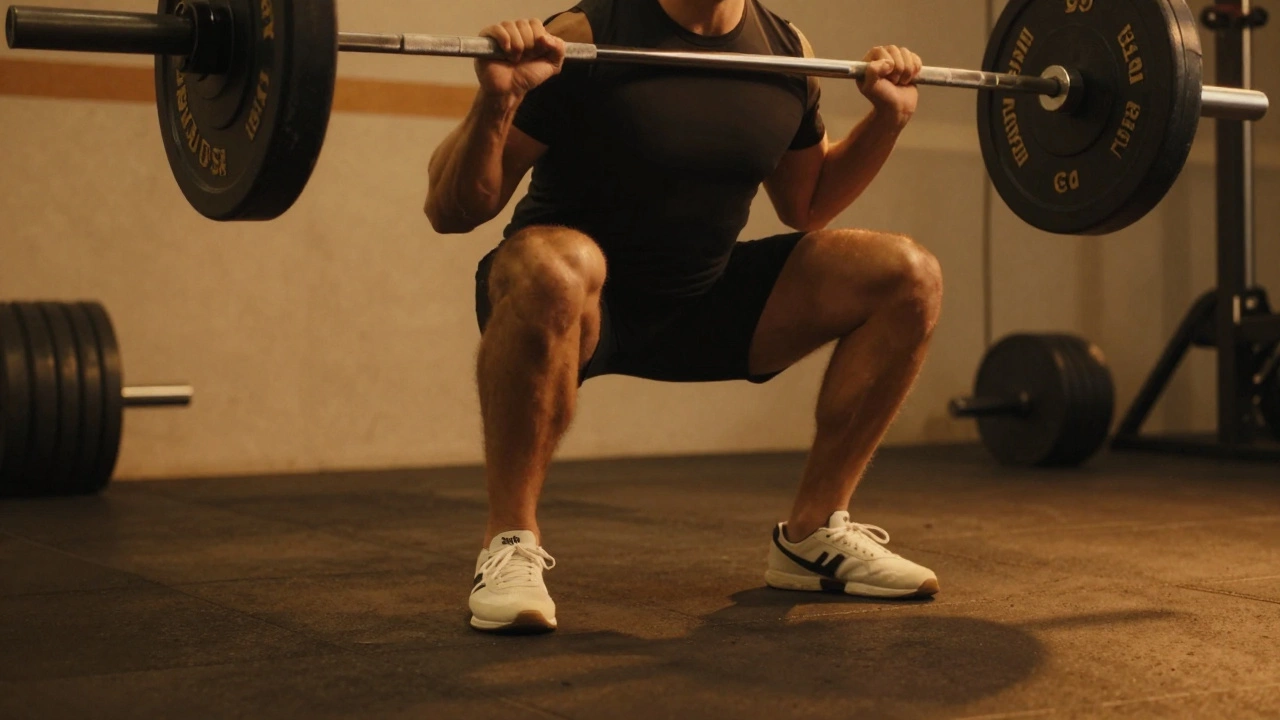
The Push-Pull Dynamic: Presses and Rows
Your lower body is a powerhouse, but you can't ignore the torso. To find the "best" exercise here, we have to look at the push-pull balance. If you only bench press, your shoulders will eventually roll forward, and you'll look like a caveman. You need a counterbalance.| Exercise | Primary Muscles | Main Benefit | Difficulty |
|---|---|---|---|
| Deadlift | Glutes, Hamstrings, Back | Raw Power & Posterior Strength | High |
| Squat | Quads, Glutes, Core | Lower Body Stability & Hypertrophy | Medium/High |
| Pull-Up | Lats, Biceps, Upper Back | V-Taper & Functional Pulling | High |
| Overhead Press | Shoulders, Triceps, Core | Upper Body Vertical Push Strength | Medium |
Why the "Best" Exercise is Actually a System
Here is the reality: your body doesn't just want to be strong in one direction. If you only do deadlifts, you'll be a beast at picking up stones but struggle to push a heavy door open. The most effective approach is to build a program around these major movement patterns. Instead of searching for the one best exercise, aim for a balanced weekly routine that covers these five bases:- Knee Dominant: Squats or Lunges.
- Hip Dominant: Deadlifts or Kettlebell Swings.
- Horizontal Push: Bench Press or Push-ups.
- Horizontal Pull: Rows or Seated Cable Pulls.
- Vertical Push/Pull: Overhead Press and Pull-ups.
Avoiding the Common Traps
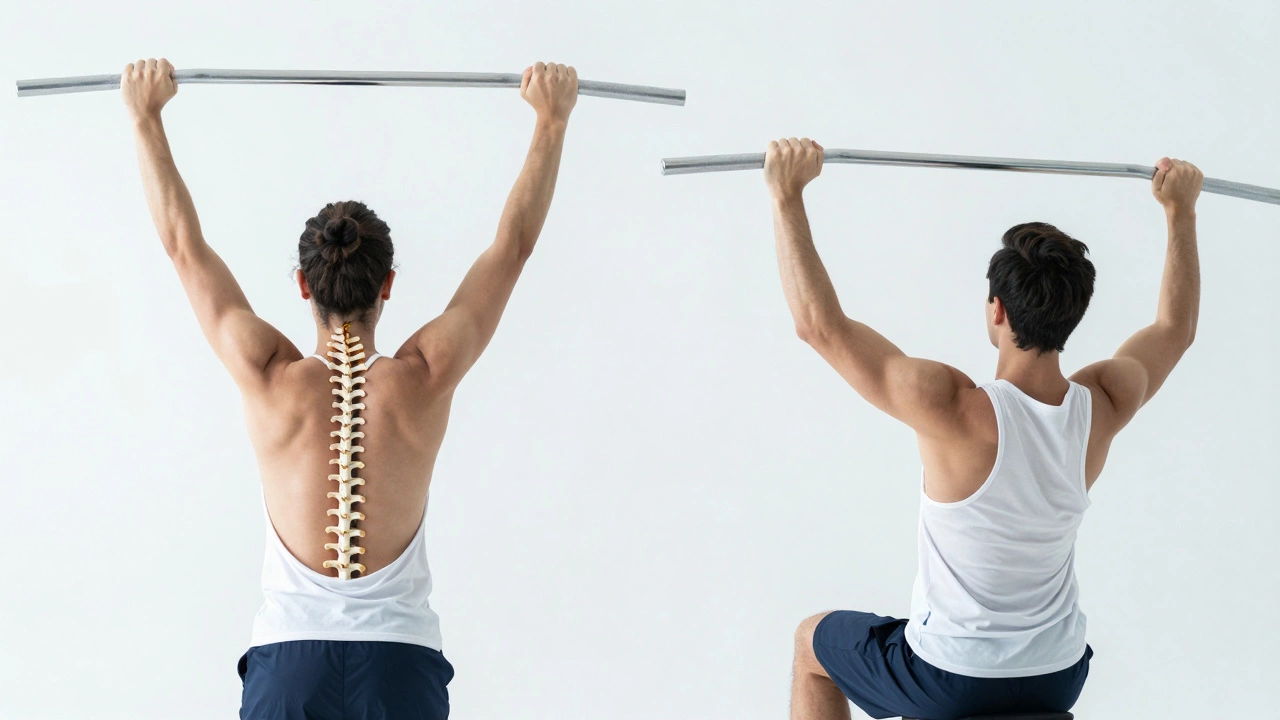
Many people start with the "big lifts" but quit because they feel intimidated or get hurt. The biggest mistake is ego lifting. You don't need to put 100kg on the bar on day one to get the benefits of a compound move. Start with a broomstick or an empty barbell. Focus on the feel of the movement. For example, in a squat, your heels should stay glued to the floor. In a deadlift, your back should stay flat like a table, not curved like a shrimp. If you feel pain in your lower back, it's usually a sign that your core isn't engaged or your form is slipping. Don't push through "bad" pain-adjust your stance or lower the weight.The Role of Progressive Overload
Regardless of which exercise you choose, the move itself is only half the battle. The other half is Progressive Overload, which is the gradual increase of stress placed upon the body during exercise. If you squat 60kg for 10 reps every week for a year, your body has no reason to grow. It has already adapted to that stress. To keep seeing results, you need to change a variable. You can do this by:- Increasing the weight (even by just 1 or 2kg).
- Adding more reps (moving from 8 to 12).
- Shortening your rest periods between sets.
- Improving your form (slower descents, deeper range of motion).
Is the deadlift too dangerous for beginners?
Not if you start with the right form. Many beginners should start with a kettlebell deadlift or a trap bar deadlift, which puts less stress on the lower back than a traditional barbell. The key is to keep a neutral spine and push the floor away with your legs rather than pulling with your back.
Can I get a full-body workout using only bodyweight exercises?
Yes. You can replicate compound movements with bodyweight options: push-ups for the chest, pull-ups for the back, and air squats or lunges for the legs. While harder to quantify progressive overload, you can increase difficulty by changing your angle (e.g., putting your feet on a chair for push-ups) or slowing down the tempo.
How many compound exercises should I do per session?
For most people, 3 to 5 main compound movements per workout is plenty. Because these moves are so taxing on the central nervous system, doing more often leads to burnout. Focus on quality and intensity over quantity.
Which is better: squats or deadlifts?
It's not a competition; they do different things. Squats are knee-dominant and build the front of the legs (quads), while deadlifts are hip-dominant and build the back of the legs and spine. For a balanced body, you need both.
Do I need a gym to perform these exercises?
While barbells are the gold standard for loading weight, you can perform the patterns at home using dumbbells, resistance bands, or even heavy water jugs. The principle of engaging multiple joints remains the same regardless of the equipment.