What Is a Friendly Boxing Match Called? Sparring, Exhibitions & More
 May, 21 2026
Boxing Match Type Identifier
Select the characteristics of the boxing scenario you are observing:
Ready to Analyze
Fill out the form to determine if it's Sparring, an Exhibition, Amateur Boxing, or a Pro Fight.
Ever watched two boxers step into the ring wearing bright pads on their hands and headgear, throwing punches that look soft but move fast? You might wonder what that specific type of fight is called. It’s not a professional championship, and it’s definitely not a street brawl. In the world of boxing, which is a combat sport involving two people who throw punches at each other while standing in a square ring, there are several terms for non-competitive or low-stakes matches depending on the context.
The most common answer to "what is a friendly boxing match called" is sparring, which is a practice session where boxers simulate a fight under controlled conditions. However, if you’re watching a public event where famous fighters exchange light blows for entertainment, that’s an exhibition bout, which is a non-sanctioned or lightly sanctioned match performed for show rather than competition. Understanding the difference between these terms helps you know whether you’re looking at training, entertainment, or actual competition.
Sparring: The Core of Friendly Practice
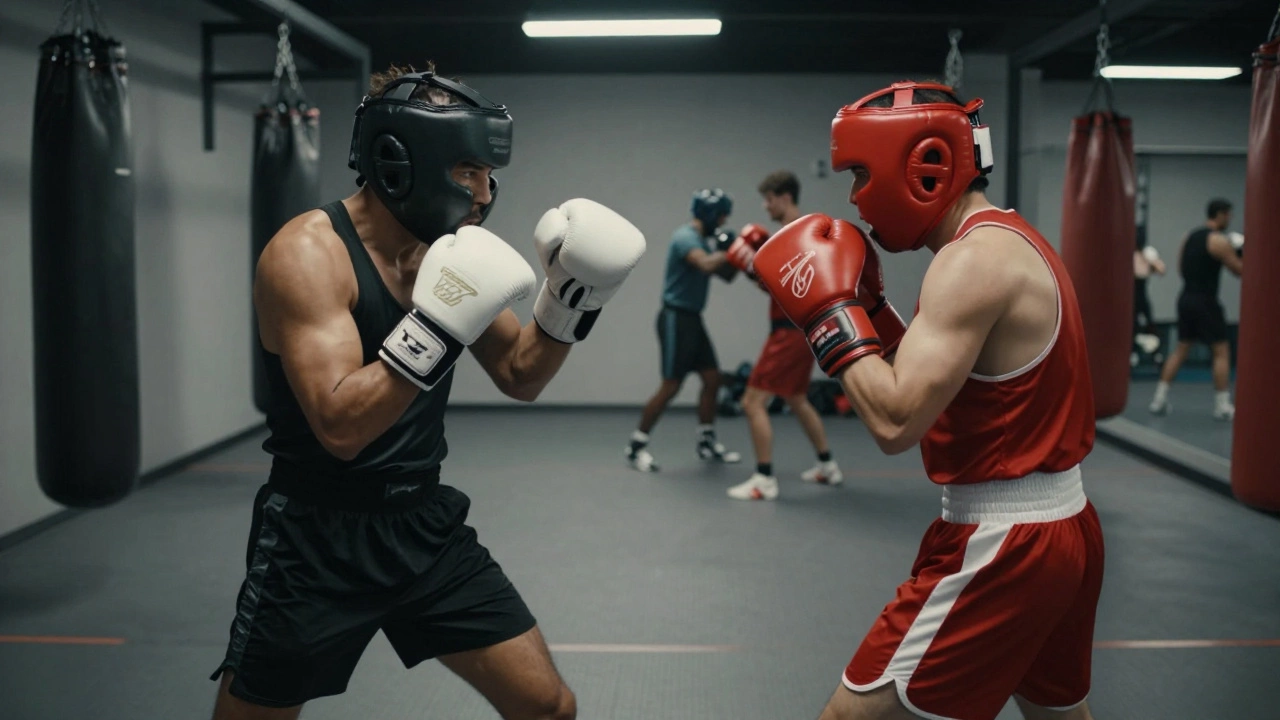
When coaches talk about a "friendly" match in a gym setting, they almost always mean sparring. This is the backbone of any boxer’s training regimen. Unlike a real fight, the goal here isn’t to knock out your partner. The goal is to improve timing, distance management, and technique without taking unnecessary damage.
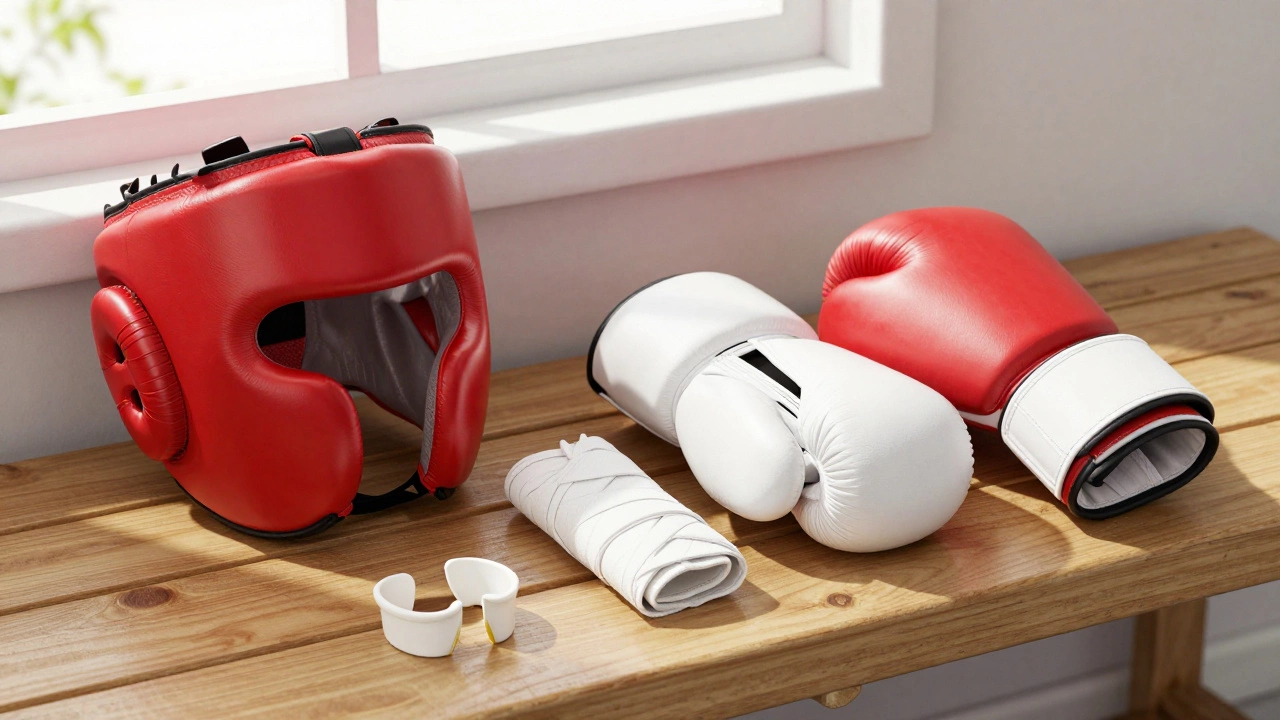
In a typical sparring session, which is a structured practice period where partners engage in controlled combat, safety is paramount. Boxers wear headgear, which is protective equipment covering the head and face to reduce impact injuries and thick hand wraps, which are cloth strips used to support the wrist and knuckles during punching along with padded gloves, often 16 ounces or heavier. The intensity varies widely. "Light sparring" involves tapping punches to focus on movement and defense. "Hard sparring" looks much closer to a real fight, though even then, mutual respect keeps full-force strikes away from vulnerable areas like the back of the head or kidneys.
Why do boxers call it friendly? Because both participants agree to hold back power. If one person starts swinging for the fences, the coach stops the round immediately. It’s a cooperative effort disguised as conflict. You’re helping your partner get better while getting better yourself. This dynamic builds trust within a gym. Without good sparring partners, a boxer can’t prepare for the chaos of a real bout.
Exhibition Bouts: Entertainment Over Competition
If you see a headline about a "friendly match" between retired legends or rising stars before a major pay-per-view event, that’s an exhibition bout. These fights have exploded in popularity recently, especially with the rise of crossover events featuring athletes from other sports.
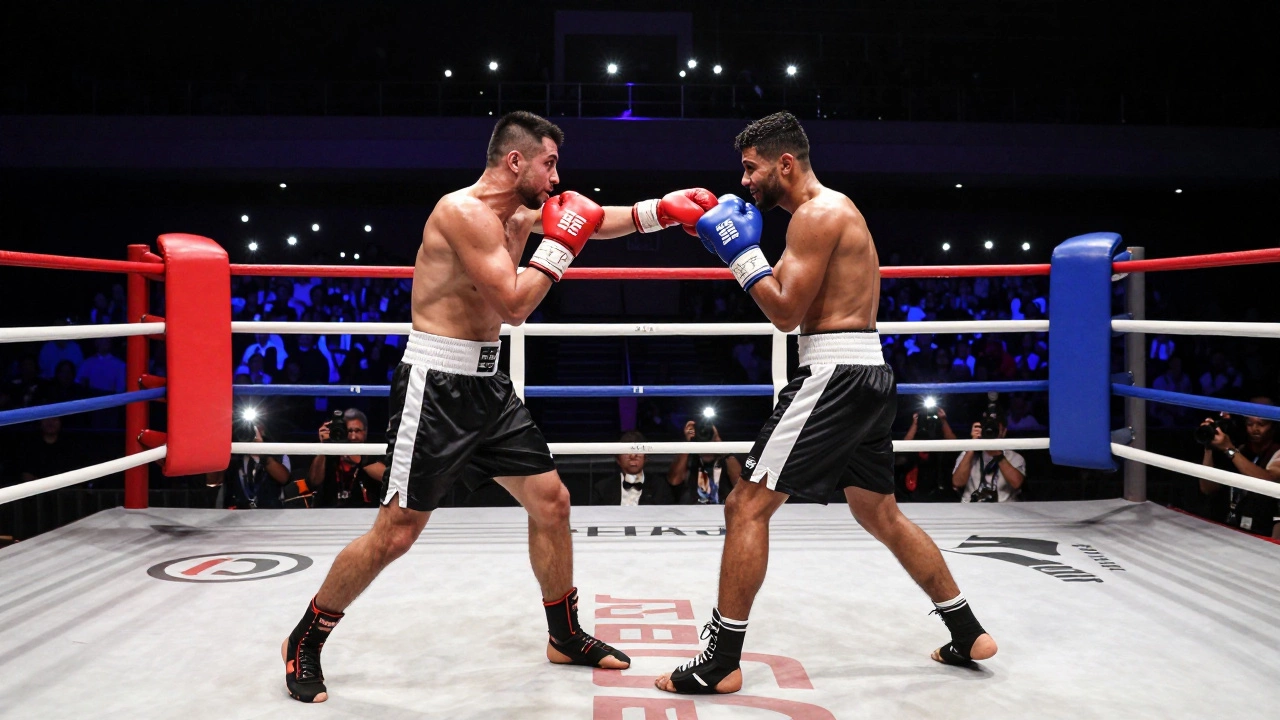
An exhibition bout, which is a staged fight with relaxed rules designed primarily for audience entertainment, differs from sparring because it’s public. There’s an audience, cameras, and often a promoter involved. The rules are usually looser than professional boxing. Rounds might be shorter-two minutes instead of three. Referees may intervene less frequently. Sometimes, no official scorecards are kept.
Critics argue that exhibitions dilute the sport. They say when there’s no stakes, the quality drops. But fans love them. Seeing two heavyweights trade jabs in a casual atmosphere creates a unique energy. It’s closer to a dance battle than a war. For the fighters, it’s a way to stay active, make money, and test new techniques without risking their ranking or health in a sanctioned title fight.
Key differences between sparring and exhibitions include visibility and regulation. Sparring happens behind closed doors in gyms. Exhibitions happen in arenas or stadiums. Sparring is governed by gym culture. Exhibitions are governed by contracts and promoters. Both are "friendly" in the sense that knockout power is reduced, but the motivations differ entirely.
Amateur Boxing: Structured Non-Pro Competition
Another term that might confuse newcomers is amateur boxing. While not exactly "friendly" in the casual sense, amateur bouts are strictly regulated to prioritize safety over destruction. If you’re asking about a school tournament or a local club fight, this is likely what you’re seeing.
Amateur boxing, which is non-professional boxing governed by strict safety rules and point-scoring systems, uses a system called 10-point must scoring, which is a judging method where judges award points based on clean hits landed rather than damage inflicted. Fighters wear headgear and lighter gloves compared to pros. Rounds are shorter, typically three rounds of two minutes each. The referee stops the fight quickly if a fighter takes too many hard shots. The emphasis is on speed, accuracy, and defense.
This format makes amateur boxing feel more "friendly" than professional bouts because the incentive structure rewards precision, not pain. A pro boxer wants to hurt you to win. An amateur boxer wants to touch you cleanly to earn points. Many Olympic champions started here. It’s a crucial stepping stone for anyone serious about the sport. If you’re looking for a community-based friendly match, check out local amateur clubs. They welcome beginners and focus heavily on sportsmanship.
Other Terms: Scrimmages, Clinches, and Drills
Beyond sparring and exhibitions, there are niche terms you might hear. "Scrimmage" is sometimes used interchangeably with sparring, especially in martial arts schools that teach multiple disciplines. It implies a trial run. "Clinch work" refers to practicing close-range grappling, which isn’t a match per se but a friendly drill to learn how to control an opponent.
Then there’s "bag work" or "shadow boxing," which aren’t matches at all but solo practices. Shadow boxing involves pretending to fight an imaginary opponent. It’s the friendliest form of boxing because you can’t get hit. But it’s essential for developing rhythm and footwork. When trainers say "go easy on him," they might mean switch to shadow boxing drills or pad work, where a trainer holds mitts and the boxer practices combinations safely.
| Type | Primary Goal | Safety Gear | Audience | Stakes |
|---|---|---|---|---|
| Sparring | Training & Skill Development | Headgear, Heavy Gloves | None (Gym Only) | None |
| Exhibition Bout | Entertainment & Promotion | Varies (Often Minimal) | Public / Live Stream | Low (No Ranking) |
| Amateur Fight | Competition & Points | Headgear, Light Gloves | Small Venues | Medium (Trophies/Rankings) |
| Pro Fight | Winning / Knockout | No Headgear, Standard Gloves | Large Arenas | High (Titles/Money) |
Safety First: Why "Friendly" Doesn't Mean Risk-Free
Even in the friendliest settings, boxing carries risks. Concussions, eye injuries, and broken noses can happen even with light contact. That’s why proper supervision is non-negotiable. A good coach watches every round of sparring. They step in if heads drop or if punches become reckless.
Always warm up thoroughly before engaging in any form of physical contact. Hydration matters. So does dental protection-mouthguards are mandatory in almost all friendly matches. If you’re new to the sport, start with technical sparring. Focus on blocking and slipping rather than hitting. As you gain confidence, increase the intensity gradually. Never spar with someone significantly larger or stronger than you unless you’re experienced enough to manage the disparity.
How to Find a Friendly Boxing Partner
Looking for a sparring partner? Join a reputable boxing gym. Most gyms have regular sparring nights. Tell the coach your experience level. They’ll pair you with someone similar. Don’t try to find a partner online or through social media alone. Chemistry and trust develop in person. Attend classes first. Show up consistently. Build relationships. Once you know someone’s style and temperament, ask if they want to spar lightly. Always communicate boundaries before entering the ring. Say things like, "Let’s keep it light today," or "I’m working on my jab." Clear communication prevents accidents and ensures both parties enjoy the session.
Remember, the best friendly matches leave both fighters smiling afterward. If you’re bruised, sore, or frustrated, something went wrong. Adjust your approach. Boxing is as much about mental discipline as physical skill. Treat every punch with respect, whether it’s thrown in a dark gym or under bright stadium lights.
Is sparring considered a friendly boxing match?
Yes, sparring is the most common term for a friendly boxing match. It is a practice session where boxers engage in controlled combat to improve skills without aiming to injure each other. Safety gear like headgear and heavy gloves is typically worn.
What is the difference between an exhibition bout and a real fight?
An exhibition bout is performed for entertainment with relaxed rules and no official ranking stakes. Real fights are sanctioned competitions with strict regulations, scorecards, and high stakes including titles and prize money. Exhibitions often feature shorter rounds and less intense striking.
Can beginners participate in sparring sessions?
Beginners should only spar under direct supervision after learning basic techniques. Start with technical sparring focusing on defense and movement. Avoid hard sparring until you have developed sufficient skill and conditioning to protect yourself effectively.
Why do boxers wear headgear in friendly matches?
Headgear protects against cuts, bruises, and minor impacts to the head. In friendly matches like sparring and amateur bouts, it reduces the risk of injury while allowing participants to practice realistically. It is rarely used in professional boxing due to restrictions on visibility and movement.
Are exhibition bouts safe for fighters?
Exhibition bouts are generally safer than professional fights because power is held back. However, they still carry risks of injury. Safety depends on the fighters' discipline and the oversight of referees and promoters. Proper medical checks and protective gear are essential.
What is amateur boxing?
Amateur boxing is non-professional competition focused on scoring points through clean hits rather than causing damage. It features strict safety rules, including mandatory headgear and shorter rounds. It serves as a developmental stage for aspiring professional boxers.
How do I find a sparring partner?
Join a local boxing gym and attend regular classes. Build relationships with fellow students. Inform your coach about your experience level so they can pair you appropriately. Communicate clearly with potential partners about intensity levels before starting any session.
Is shadow boxing a type of friendly match?
Shadow boxing is not a match since it involves no opponent. It is a solo training exercise where you mimic fighting movements against an imaginary adversary. It is extremely safe and useful for improving technique, footwork, and rhythm without any physical contact.