The Most Comfortable Running Shoes for Every Foot Type (2026 Guide)
 May, 14 2026
Personalized Running Shoe Finder
First, let's identify your biomechanics. How does your foot strike the ground?
There is no single pair of running shoes that feels perfect for everyone. What makes a shoe comfortable depends entirely on your foot shape, how you strike the ground, and where you run. A shoe that feels like walking on clouds for a marathoner might feel unstable to a sprinter. A model designed for flat feet could cause pain for someone with high arches.
If you are looking for the most comfortable running shoes, you need to stop looking at marketing hype and start looking at biomechanics. Comfort in running is not just about soft foam; it is about support, durability, and fit. In this guide, we break down what actually creates comfort and which specific models deliver it in 2026.
Why "Soft" Does Not Always Mean Comfortable
Many runners make the mistake of equating softness with comfort. You walk into a store, step on a demo mat, and pick the squishiest foam. But here is the truth: excessive softness can lead to instability. When a midsole compresses too much, your ankle has to work harder to stabilize your body weight. This often leads to fatigue or injury over long distances.
True comfort comes from a balance of cushioning and responsiveness. The best shoes absorb impact energy without collapsing completely. They return some energy to propel you forward, reducing the strain on your calves and Achilles tendon. Look for terms like "plush but responsive" rather than just "ultra-soft." Brands like Nike with their ZoomX foam and Adidas with Lightstrike Pro have mastered this balance, offering protection without the feeling of being bogged down.
Identifying Your Foot Type and Gait
Before buying any shoe, you must understand your own mechanics. There are three primary foot types that dictate which shoe will be most comfortable:
- Neutral Arches: Your foot absorbs shock naturally. You need shoes with balanced cushioning and flexibility.
- Low Arches (Overpronation): Your foot rolls inward excessively. You need stability features to prevent knee strain.
- High Arches (Supination): Your foot does not roll inward enough, leading to poor shock absorption. You need maximum cushioning.
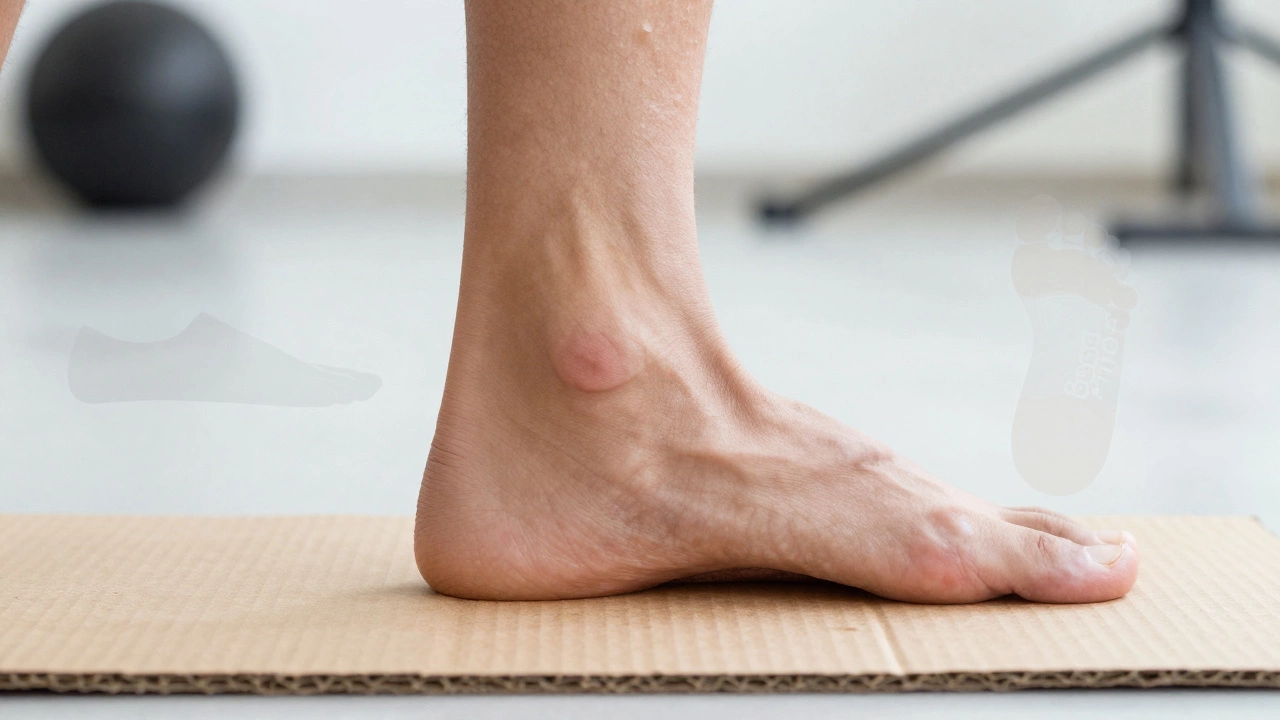
To find out which one you are, perform the "wet test." Wet your foot and step on a piece of cardboard. If you see the whole sole, you have low arches. If you see only the heel and forefoot connected by a thin strip, you have high arches. If you see a significant portion of the middle, you are neutral. This simple test saves you from buying expensive shoes that will hurt your joints.
Top Picks for Neutral Runners
If you have a neutral gait, you have the widest selection of comfortable options. These shoes prioritize cushioning and ride quality over corrective mechanics.
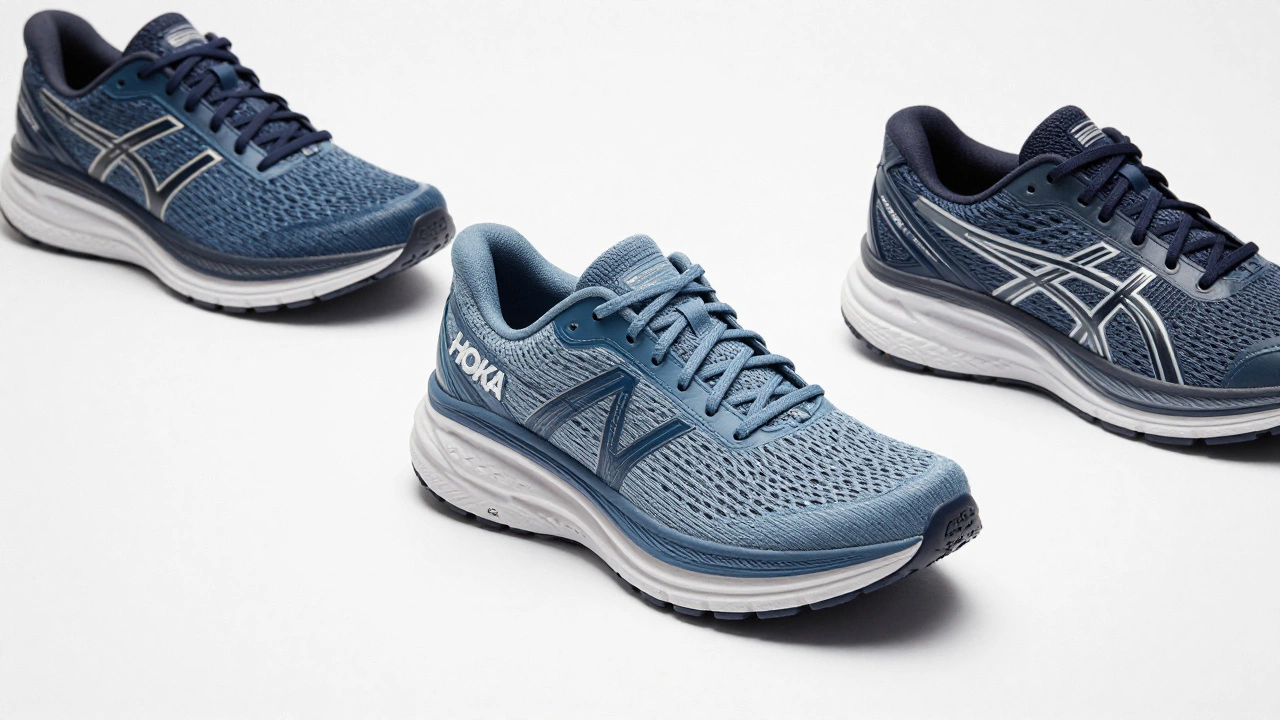
The Hoka Clifton 9 remains a gold standard for daily comfort. It uses a full-length EVA midsole that provides plush underfoot protection. The meta-rocker geometry helps roll you through your stride, reducing effort on your calves. It is ideal for long runs on pavement where joint preservation is key.
For those who want a more energetic feel, the New Balance Fresh Foam X 1080 v13 offers superior breathability and a wider fit right out of the box. The Fresh Foam X compound is softer than Hoka’s EVA but maintains structural integrity. Many runners with slightly wider feet find New Balance more comfortable because they do not need to size up.
The ASICS Gel-Nimbus 26 introduces FF BLAST+ ECO cushioning, which is lightweight yet durable. ASICS also includes PureGEL technology in the heel, targeting high-impact areas specifically. If you run on hard surfaces like concrete, the targeted gel placement reduces bruising significantly.
Best Options for Stability and Overpronators
If your ankles roll inward, traditional stability shoes used to feel stiff and uncomfortable. Modern technology has changed that. We now have "guided stability" shoes that correct your gait without feeling like a brick.
The Brooks Ghost 16 is a versatile choice. While technically a neutral shoe, its segmented crash pad and smooth transition make it forgiving for mild overpronators. It offers a reliable, consistent ride that many runners trust for high mileage.
For dedicated stability, the Saucony Tempus is a game-changer. It uses a dual-density foam structure. The medial side is firmer to support the arch, while the lateral side is softer for cushioning. This creates a stable platform without sacrificing comfort. It is lighter than older stability models like the Asics GT-2000, making it feel less clunky.
The Asics Kayano 31 continues to dominate the stability category. It uses 4D Guidance System technology, which adjusts support based on your weight distribution. If you lean heavily on one side, the shoe stiffens there to provide extra support. This adaptive nature makes it incredibly comfortable for runners whose form changes as they get tired.
| Shoe Model | Best For | Cushioning Level | Weight (Approx.) | Key Feature |
|---|---|---|---|---|
| Hoka Clifton 9 | Long Distance / Joint Protection | High | 240g (Men) | Meta-Rocker Geometry |
| New Balance 1080 v13 | Daily Training / Wide Feet | High | 265g (Men) | Fresh Foam X |
| Saucony Tempus | Mild Overpronation | Medium-High | 270g (Men) | Dual-Density PWRRUN |
| ASICS Gel-Nimbus 26 | Hard Surfaces / High Arches | Very High | 290g (Men) | PureGEL Heel |
| Nike Pegasus 41 | Versatile Daily Use | Medium | 275g (Men) | React Foam + Air Unit |
The Importance of Fit and Toe Box Space
Even the best-cushioned shoe will cause blisters if the fit is wrong. Comfort is heavily influenced by the upper material and the shape of the toe box.
Your toes should have room to splay. When you run, your foot expands. A narrow toe box constricts this movement, leading to numbness and black toenails. Look for brands known for anatomical lasts, such as Altra or Topo Athletic, which offer a "FootShape" toe box. Even if you prefer traditional brands, try them on late in the day when your feet are naturally swollen.
The upper material matters too. Knit uppers, like those found on the Nike Pegasus 41, stretch and adapt to your foot shape. Synthetic mesh is more durable but less forgiving. If you have bunions or high insteps, avoid shoes with rigid overlays or tight lacing systems. Double-lace systems allow you to lock down the heel while keeping the forefoot loose, a feature increasingly common in premium models.
Surface-Specific Comfort
Where you run changes what comfort means. Road running requires shock absorption to handle concrete and asphalt. Trail running requires grip and protection against rocks and roots.
For road running, the models listed above are excellent. However, if you mix in trail running, consider the Hoka Speedgoat 5. It offers maximal cushioning similar to the Clifton but adds a Vibram Megagrip outsole for traction. The extra rubber protects your feet from sharp objects, adding a layer of security that translates to mental comfort.
If you run mostly on treadmills, you can get away with slightly thinner soles since the belt absorbs some impact. However, treadmill belts can be harder than outdoor paths, so maintaining good cushioning is still wise. Avoid racing flats or minimalist shoes for daily treadmill use unless you are highly experienced.
How Long Should Your Running Shoes Last?
Comfort degrades over time. The foam in your midsole breaks down after 500 to 800 kilometers (300-500 miles). You might not see visible wear on the outsole, but the cushioning will feel firmer and less responsive. Continuing to run in worn-out shoes increases the risk of shin splints and stress fractures.
Keep a log of your mileage. If you run 40km a week, replace your shoes every 3-4 months. Do not wait until your knees hurt. Rotate between two pairs of shoes if possible. This allows the foam to decompress between runs, extending the life of both pairs and varying the load on your muscles.
Trying On Shoes: A Practical Checklist
When you go to the store, follow these steps to ensure you pick the most comfortable pair:
- Bring your socks: Wear the same socks you plan to run in. Thick wool socks require more space than thin synthetic ones.
- Leave a thumb's width: There should be about 1cm (half an inch) of space between your longest toe and the end of the shoe.
- Walk and jog: Most stores have a track or a hallway. Jog for 30 seconds. Pay attention to any pinching or rubbing.
- Check the heel: Your heel should stay locked in place. Sliding causes blisters.
- Test the flex: Bend the shoe at the ball of your foot, not the middle. The shoe should bend where your foot bends.
Do not rely solely on online reviews. Foot anatomy is unique. A shoe rated 5 stars by someone with narrow feet might be torture for someone with wide feet. Use reviews to shortlist models, then try them on physically.
Are expensive running shoes always more comfortable?
Not necessarily. Higher price tags often reflect advanced materials like carbon plates or proprietary foams, which benefit speed and efficiency more than pure comfort. For daily comfort, mid-range shoes ($120-$150) often provide the best balance of cushioning and durability. Premium models ($200+) may offer marginally better bounce but wear out faster due to softer compounds.
Should I buy my running shoes half a size larger?
Yes, typically. Your feet swell during exercise. Buying your exact street shoe size can lead to cramped toes. Aim for a thumb's width of space in the toe box. However, do not go more than a half-size up, or your heel will slip, causing blisters. Focus on length first, then width.
What is the difference between neutral and stability shoes?
Neutral shoes are designed for runners whose feet land evenly and do not roll inward excessively. They focus on cushioning and flexibility. Stability shoes include features like denser foam on the inner side or guides to prevent overpronation (rolling inward). If you have flat feet or knee pain on the inside, stability shoes are usually more comfortable and protective.
Can I use running shoes for walking?
Yes, running shoes are generally excellent for walking. They offer more cushioning than typical walking shoes, which protects your joints. However, some running shoes are very flexible and curved for a rolling gait. For casual walking, a flatter, more stable shoe might feel more natural. For power walking or fitness walking, running shoes are ideal.
How do I know if my running shoes are worn out?
Look for visible wear patterns on the outsole, especially in the heel. More importantly, check the midsole. Compress the foam with your hand; if it feels hard and unyielding compared to when it was new, the cushioning is gone. Also, if you start experiencing new aches in your shins, knees, or hips despite proper warm-ups, your shoes likely need replacement.