Playing Tennis All Year Round: A Practical Guide to Every Season
 Apr, 26 2026
Tennis Season Gear & Surface Optimizer
Select your current conditions to get professional recommendations for your tennis session.
Best Surface
Gear & Strings
Clothing Strategy
Главные выводы / Key Takeaways
- Indoor courts are the gold standard for winter play.
- Surface types (clay, grass, hard) behave differently based on temperature and moisture.
- Layering clothing is essential to prevent muscle strains in cold weather.
- Off-season training should focus on agility and strength to compensate for lower play intensity.
Beating the Winter Chill
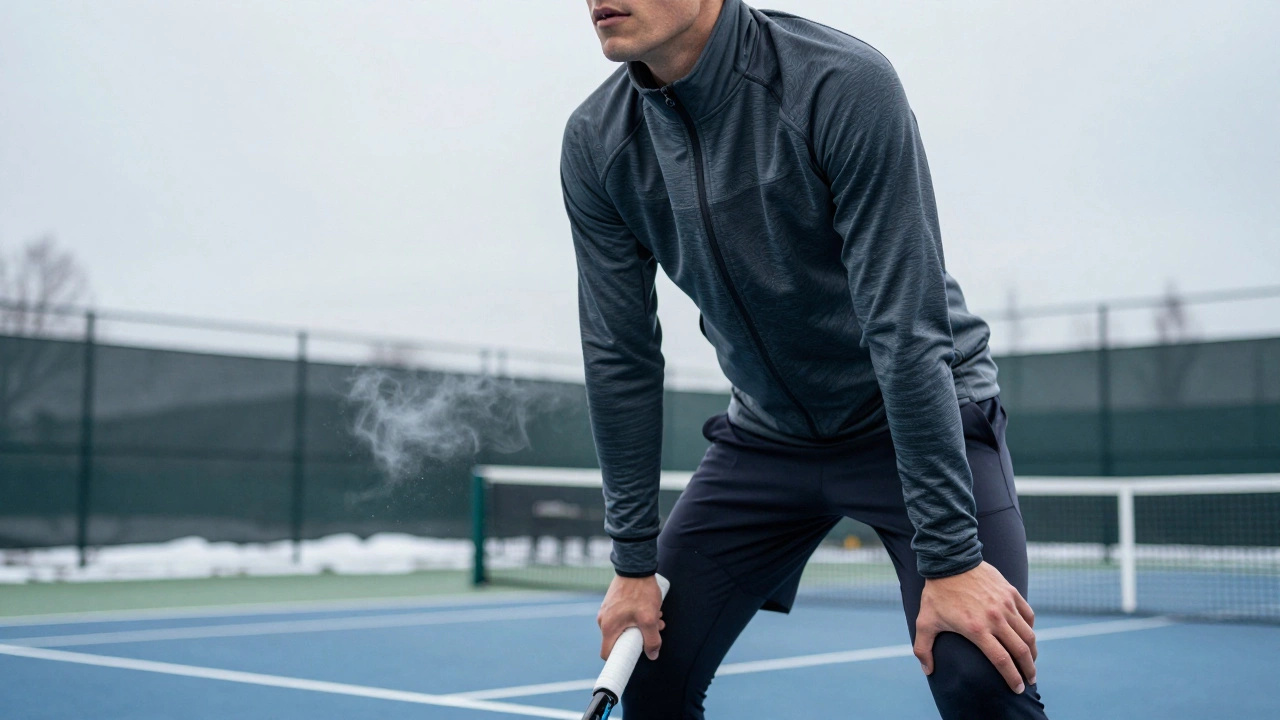
When the temperature drops, your muscles tighten. If you jump straight into a match without warming up, you're asking for a pulled hamstring or a wrist sprain. In colder climates, the ball itself changes; the internal pressure drops, making it feel "dead" or heavier. To combat this, look for Pressureless Tennis Balls, which are designed to maintain a consistent bounce regardless of the temperature. If you don't have access to an indoor club, you'll need a specific wardrobe. Forget the cotton t-shirts; they soak up sweat and then freeze against your skin. Go for synthetic, moisture-wicking fabrics. Start with a base layer of thermal compression gear, add a fleece or a technical mid-layer, and top it off with a windbreaker. The trick is to dress so that you feel slightly chilly when you first step outside; once you start hitting, your body heat will fill the gap.Finding the Right Surface for the Season
Not all courts are created equal, and the season often dictates where you play. Hard Courts, typically made of acrylic over concrete or asphalt, are the most common and durable. However, in extreme heat, they can become "slow" as the surface softens slightly, and in extreme cold, they become incredibly fast and slick. Then there is Clay Courts. These are fantastic for the spring and summer because they are easier on the joints than hard courts. But rain is their enemy. A soaked clay court is basically a swamp and can be ruined if played on while wet. Conversely, in very dry heat, clay courts require constant watering to prevent the surface from blowing away as dust.| Surface | Best Season | Pros | Cons |
|---|---|---|---|
| Hard Court | Year-round | Consistent, durable | Harshest on joints |
| Clay Court | Spring/Summer | Lower impact, sliding | High maintenance, rain-sensitive |
| Grass Court | Early Summer | Fast, traditional | Very short season, fragile |
| Indoor Carpet | Winter/Autumn | Weather-proof | Can feel unnatural/too fast |
The Indoor Advantage
For those living in places with harsh winters, Indoor Tennis is the only way to stay competitive. Indoor courts remove the variables of wind and rain, which allows you to focus purely on technique. It's the perfect time to work on your tennis training routines, such as improving your serve placement or refining your volley, without worrying about a gust of wind blowing your ball wide. One thing to watch out for is the lighting. Some indoor facilities use high-intensity LED or metal halide lamps that can create glare. If you find yourself squinting, try adjusting your head position or wearing a visor, even indoors. Also, remember that indoor air can be very dry; staying hydrated is just as important in a heated indoor court as it is in the July sun.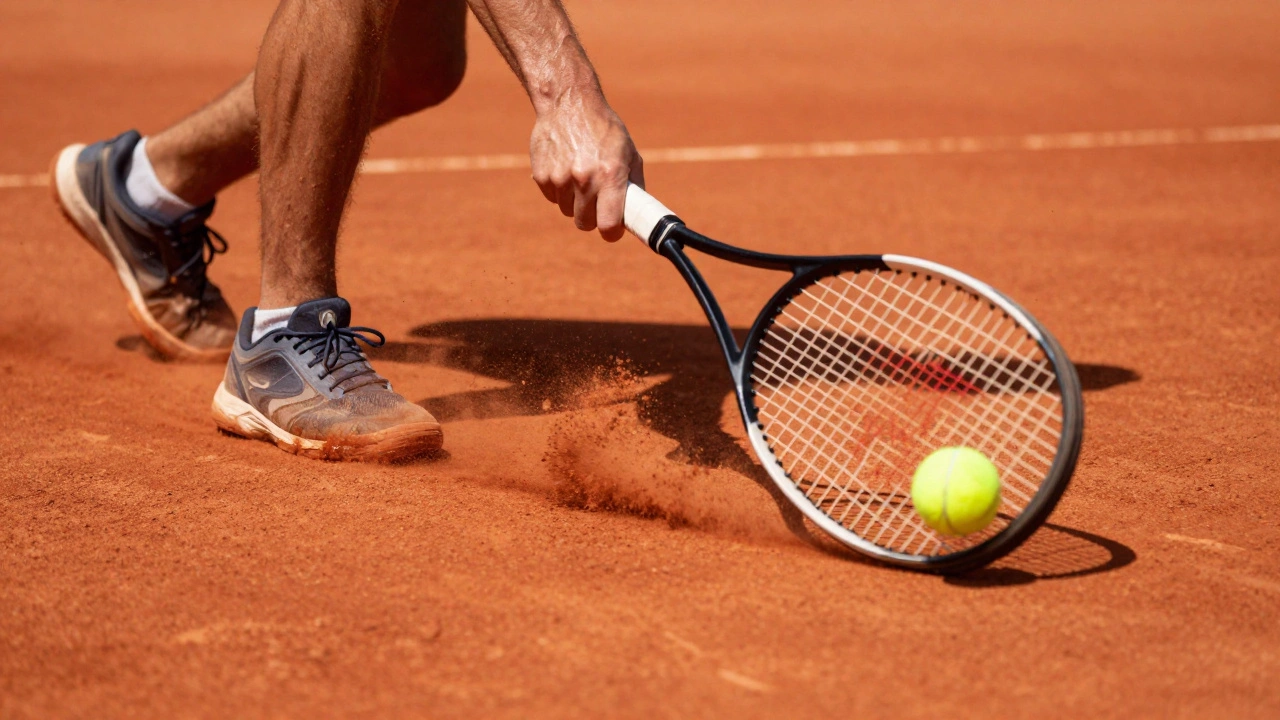
Adjusting Your Gear for Temperature Shifts
Your equipment reacts to the environment. In high humidity, the strings in your racket can lose tension faster, and the grip can become slippery. This is where an overgrip-a thin layer of grip tape wrapped over the original handle-becomes a lifesaver. Switching to a "tacky" grip in the summer and a more absorbent one in the humid spring keeps the racket from flying out of your hand during a powerful serve. In the winter, the strings themselves can become brittle. If you use a polyester string, you might notice they snap more easily in freezing temperatures. Some advanced players switch to a hybrid string setup (mixing natural gut or multifilament with poly) to keep the racket feeling "plush" and powerful when the air is cold.Physical Maintenance and the Off-Season
Playing all year is great, but you can't hit the same intensity in December as you do in June. If you're playing fewer hours because of limited court availability, you need to supplement your game with Cross-Training. Focus on lateral agility, core strength, and explosive power. Interval training on a treadmill or a stationary bike can keep your heart rate up, mimicking the stop-and-start nature of a tennis point. Incorporating dynamic stretching-like leg swings and arm circles-is non-negotiable in the winter. Static stretching (holding a stretch) should only happen *after* the match; doing it before you're warm in cold weather can actually increase your risk of injury.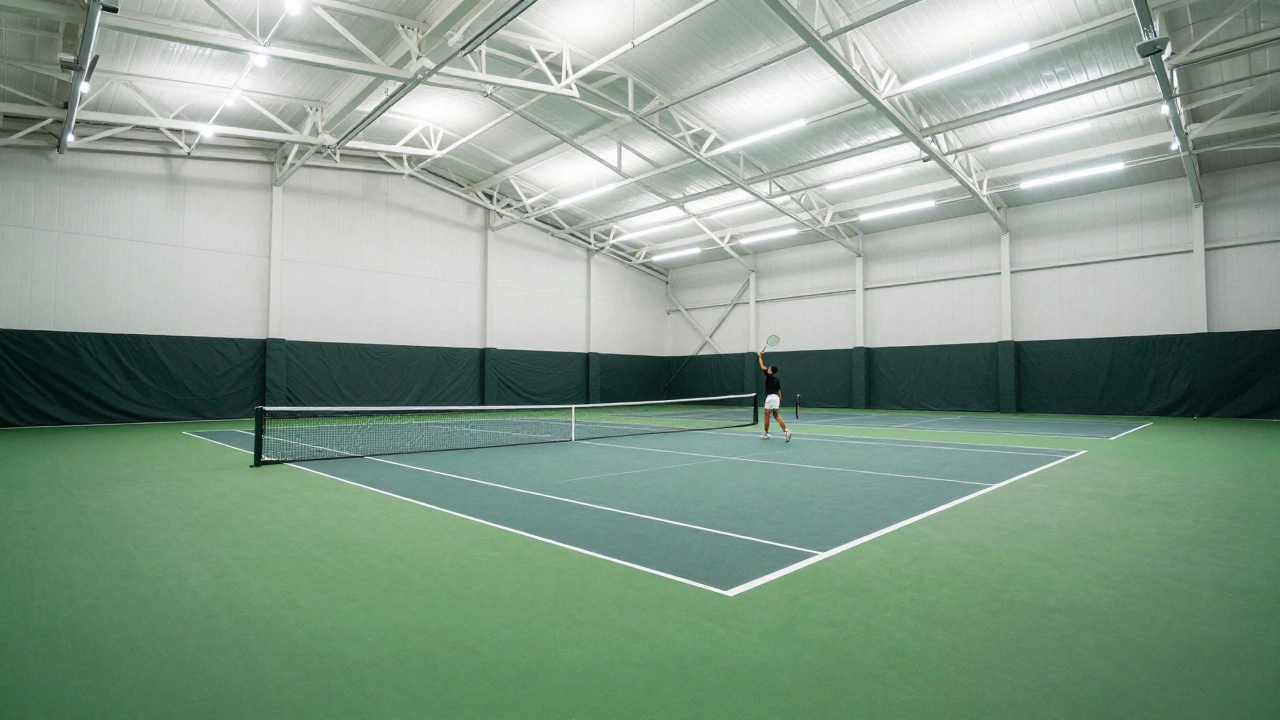
Dealing with the Mental Grind
Let's be honest: dragging yourself to a cold court at 6 AM on a Tuesday in November isn't easy. The mental fatigue of "fighting" the weather can lead to a drop in performance. To stay motivated, join a local league or a winter ladder. Having a scheduled match with a stakes-based outcome provides the psychological push needed to overcome the weather. Alternatively, shift your goals. Instead of focusing on winning matches, use the colder months as a "development phase." Spend an hour a week with a coach focusing on a specific weakness, like your backhand slice. When the spring returns and the courts open up, you'll find yourself miles ahead of the players who took a six-month break.Do tennis balls bounce differently in the cold?
Yes, they do. Traditional pressurized balls lose internal pressure as the temperature drops, which results in a lower, "deader" bounce. To fix this, many players use pressureless balls for winter practice or keep their ball cans in a warm place until just before they hit the court.
Is it safe to play on a damp hard court?
No, it is not. Hard courts become incredibly slippery when wet, which can lead to severe ankle sprains or knee injuries. Furthermore, moisture can seep into the racket grip and, in extreme cold, cause the frame's materials to stress. Wait until the surface is completely dry.
What is the best clothing for winter tennis?
The best strategy is layering. Wear a synthetic thermal base layer to wick moisture, a fleece or sweater for warmth, and a wind-resistant outer shell. Avoid cotton, as it holds moisture and will make you feel colder as you sweat.
How does humidity affect the game?
High humidity makes the air "heavier," which can slow the ball down slightly. More importantly, it makes the court surfaces (especially clay) slower and more slippery, and it makes your grip sweatier, requiring more frequent changes of the overgrip.
Should I change my racket strings for the winter?
You don't necessarily need a full change, but be aware that polyester strings can become more brittle in the cold. Some players prefer a slightly lower tension in winter to help the ball move more easily off the strings when the ball itself is feeling heavy.