Why Runners Look Younger: The Science Behind the 'Runner's Glow' and Anti-Aging Benefits
 Jun, 7 2026
Runner's Glow Estimator
Assess Your Routine
Select the option that best describes your current lifestyle to estimate your 'Runner's Glow' score.
Your Glow Score
Estimate of Anti-Aging Potential
- Cellular Health (Telomeres) 0
- Oxidative Defense (Diet) 0
- Cortisol Reduction (Recovery) 0
- Skin Integrity (Protection) 0
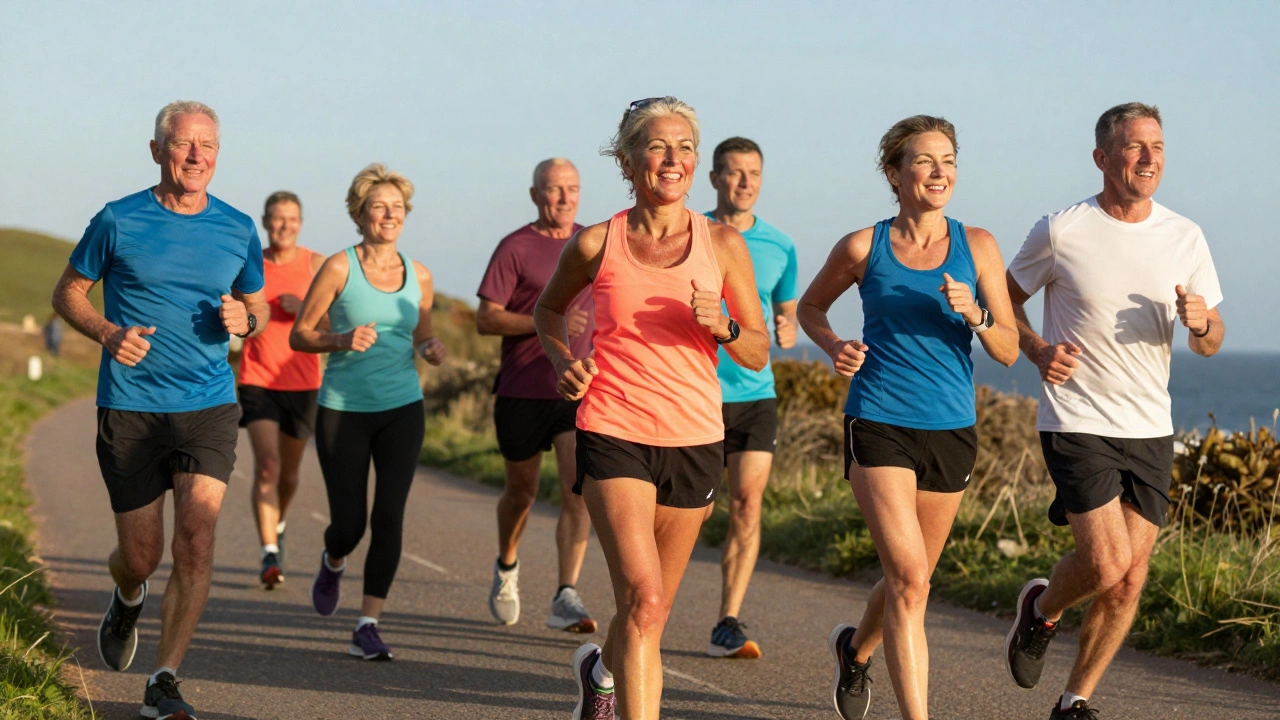
Have you ever noticed that regular runners seem to carry themselves with a vitality that defies their age? It’s not just in your head. There is a tangible biological difference between someone who logs miles weekly and someone who sits on the couch all day. This phenomenon, often called the runner's glow, isn’t magic-it’s physiology. When you run, you are essentially hitting the reset button for several aging processes in your body.
But why does this happen? Is it just about looking good, or is there something deeper going on under the skin? The answer lies in how running affects everything from your cellular structure to your bone density. Let’s break down exactly why lacing up your shoes might be the most effective anti-aging strategy available today.
The Cellular Secret: Telomeres and Longevity
To understand why runners look younger, we have to look at the microscopic level. Every cell in your body contains DNA, which is protected by caps called Telomeres. Think of telomeres like the plastic tips on shoelaces; they keep the genetic material from fraying. As we age, these telomeres naturally shorten. When they get too short, cells stop dividing and die. This is a primary marker of biological aging.
Research has shown that aerobic exercise, particularly running, helps preserve telomere length. A study published in the journal Aging found that endurance athletes had significantly longer telomeres than sedentary individuals. This means that while a runner’s chronological age might be 50, their cells might behave more like those of a 40-year-old. By slowing down this cellular clock, running prevents the breakdown of tissues that leads to wrinkles, sagging skin, and frailty.
- Sedentary Lifestyle: Accelerates telomere shortening due to chronic inflammation.
- Moderate Running: Stimulates an enzyme called telomerase, which repairs and maintains telomere length.
- Overtraining: Can cause oxidative stress, potentially negating some benefits if recovery is poor.
This cellular preservation is the foundation of the youthful appearance. It’s not just about surface-level changes; it’s about keeping the building blocks of your body intact for longer.
Blood Flow and Skin Radiance
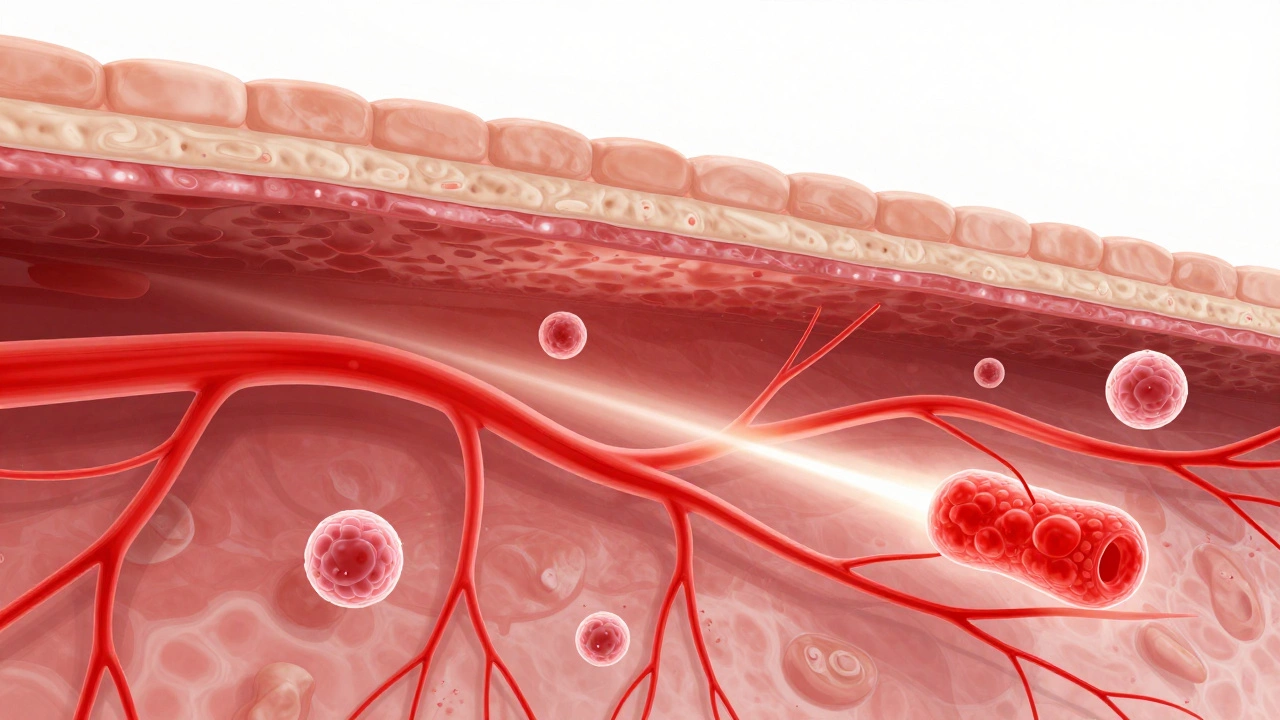
You’ve probably heard that "circulation is key." In the context of aging, this couldn’t be more true. Running is a cardiovascular workout that forces your heart to pump harder and faster. This increased cardiac output drives blood flow to every corner of your body, including your skin.
Your skin is an organ, and like any other organ, it needs oxygen and nutrients to function properly. During a run, capillaries in the dermis (the layer of skin beneath the epidermis) dilate to deliver fresh oxygen and remove waste products. This process leaves the skin flushed and radiant immediately after exercise. But the long-term effect is even more significant. Consistent blood flow ensures that collagen-producing fibroblasts get the resources they need to maintain skin elasticity.
Collagen is the protein responsible for keeping skin firm and smooth. As we age, collagen production drops, leading to fine lines and wrinkles. While running doesn’t directly create collagen, the improved nutrient delivery system supports the body’s natural repair mechanisms. Additionally, the sweat produced during running helps cleanse pores, reducing the likelihood of acne and clogged pores, which can make skin look dull and aged.
| Exercise Type | Blood Flow Increase | Collagen Support | Stress Hormone Reduction |
|---|---|---|---|
| Running (Aerobic) | High | Indirect (via nutrient delivery) | High |
| Weightlifting (Anaerobic) | Moderate | Direct (via growth hormone) | Moderate |
| Sedentary | Low | Poor | None |
Notice how running ranks high in both blood flow and stress reduction. These two factors combine to create that clear, bright complexion associated with active individuals.
The Stress Shield: Lowering Cortisol Levels
If you want to know why some people look tired and aged despite being young, look at their stress levels. Chronic stress triggers the release of cortisol, a hormone that breaks down collagen and elastin in the skin. High cortisol levels also lead to inflammation, which accelerates aging and causes puffiness and dark circles under the eyes.
Running acts as a powerful antidote to stress. It stimulates the production of endorphins and serotonin, neurotransmitters that improve mood and reduce anxiety. Regular runners report lower baseline levels of cortisol compared to non-runners. This hormonal balance protects the skin from the destructive effects of stress.
Moreover, better sleep quality-a common benefit of regular physical activity-further reduces cortisol. During deep sleep, the body enters repair mode, regenerating skin cells and balancing hormones. Runners tend to fall asleep faster and stay asleep longer, giving their bodies the nightly maintenance window they need to look refreshed.
- Run consistently: Aim for at least 150 minutes of moderate-intensity running per week.
- Focus on recovery: Include rest days to prevent overtraining, which spikes cortisol.
- Combine with mindfulness: Many runners find that the rhythmic nature of running acts as moving meditation.
By managing stress through running, you’re not just feeling better mentally; you’re physically protecting your skin from premature aging.
Bone Density and Posture
Aging isn’t just about wrinkles; it’s also about structure. As we get older, we lose bone density, a condition known as osteoporosis. This can lead to a stooped posture, loss of height, and a generally frail appearance. Running is a weight-bearing exercise, meaning you fight gravity with every step. This mechanical stress signals your bones to become denser and stronger.
Maintaining high bone density keeps your skeleton robust, supporting good posture. Good posture instantly makes you look younger and more confident. Slouching compresses the chest, making you appear older and less energetic. Runners typically develop strong core muscles and upright alignment, which enhances their overall physique. This structural integrity contributes significantly to the perception of youthfulness.
Additionally, running strengthens the muscles around the joints, particularly the knees and hips. Stronger muscles provide better support, reducing pain and stiffness that often accompany aging. A person who moves freely and without pain appears more vibrant and youthful than someone who is limited by joint issues.
Metabolic Health and Body Composition
Visceral fat-the fat stored around your internal organs-is linked to inflammation and accelerated aging. Excess belly fat can make you look older and increase the risk of chronic diseases. Running is highly effective at burning calories and reducing visceral fat. Unlike spot reduction, running helps lower overall body fat percentage, revealing a leaner, more toned physique.
As muscle mass is preserved or increased through running, your metabolism remains efficient. A higher metabolic rate helps regulate weight, preventing the midlife spread that many people dread. Maintaining a healthy weight reduces strain on the heart and lungs, contributing to better breathing and energy levels. This vitality is outwardly visible in brighter eyes, clearer skin, and a more energetic demeanor.
Furthermore, running improves insulin sensitivity. When your body handles glucose efficiently, you avoid the spikes and crashes that can lead to fatigue and brain fog. Stable energy levels mean you look alert and engaged, rather than sluggish and tired.
Marathon Training: Intensity vs. Moderation
While running offers immense anti-aging benefits, intensity matters. Marathon training involves high mileage and intense effort. For some, this extreme exertion can lead to oxidative stress, which may counteract some anti-aging benefits if not managed correctly. Oxidative stress occurs when free radicals outnumber antioxidants in the body, damaging cells.
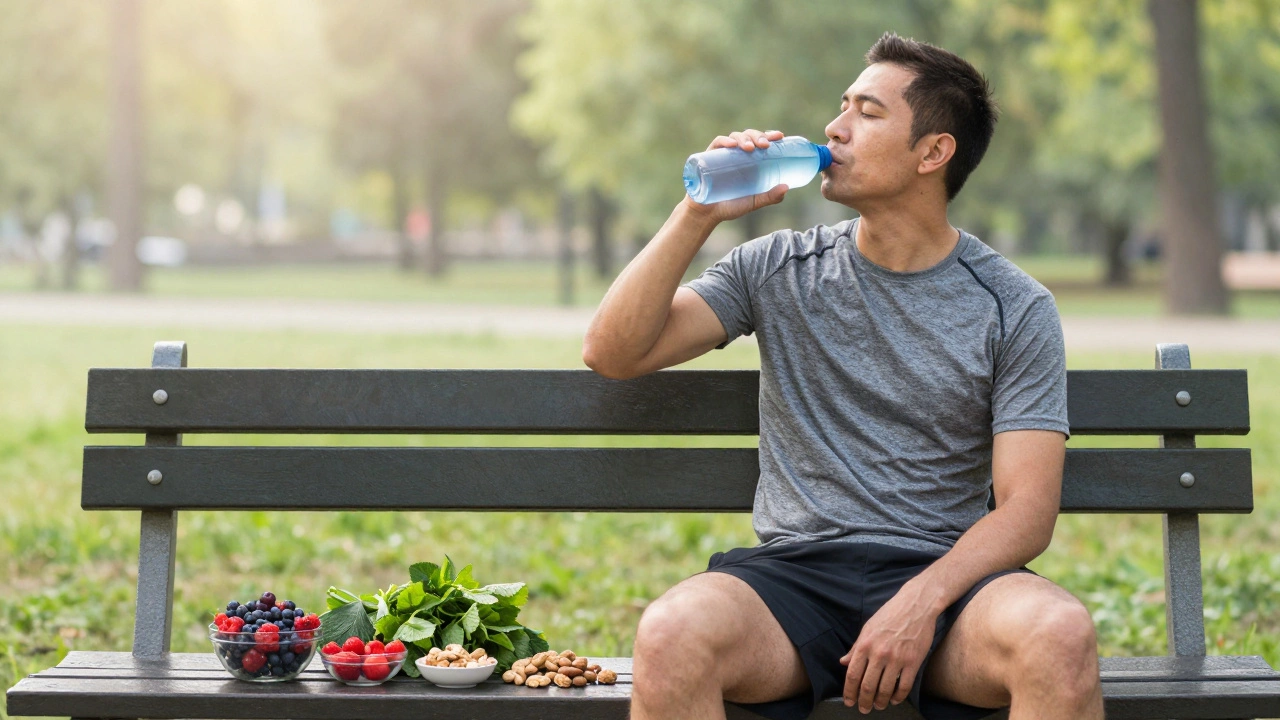
However, studies suggest that the benefits of moderate running far outweigh the risks. The key is balance. Moderate runners (those who run regularly but not excessively) tend to have the lowest mortality rates and the best markers of health. If you are training for a marathon, ensure you are fueling properly with antioxidant-rich foods like berries, leafy greens, and nuts. This diet helps neutralize free radicals produced during intense workouts.
Listen to your body. Overtraining can lead to injury and burnout, which increases stress and negatively impacts appearance. Recovery is just as important as the run itself. Incorporate strength training, flexibility work, and adequate sleep into your routine to maximize the anti-aging effects of your running program.
Practical Tips for Maximizing the Runner's Glow
To get the most out of your running routine in terms of anti-aging, consider these practical steps:
- Protect Your Skin: Sun exposure is a major cause of premature aging. Always wear sunscreen when running outdoors, especially during peak UV hours.
- Hydrate Well: Dehydration makes skin look dull and emphasizes wrinkles. Drink water before, during, and after your runs.
- Eat Antioxidant-Rich Foods: Fuel your body with fruits and vegetables to combat oxidative stress.
- Consistency Over Intensity: Regular, moderate runs are more beneficial for longevity than occasional extreme efforts.
- Strength Train: Complement running with resistance exercises to maintain muscle mass and bone density.
By integrating these habits, you ensure that your running habit contributes positively to your overall health and appearance. It’s not just about the miles you log; it’s about how you care for your body throughout the process.
Does running actually slow down aging?
Yes, running slows down aging at the cellular level by preserving telomere length and reducing inflammation. It also improves cardiovascular health, skin circulation, and bone density, all of which contribute to a younger appearance and better physical function.
Can running cause wrinkles?
Running itself does not cause wrinkles. However, excessive sun exposure while running without protection can damage skin. Additionally, repetitive facial expressions during intense effort might contribute to dynamic lines, but this is minimal compared to the benefits of improved circulation and reduced stress.
How much running is needed for anti-aging benefits?
Moderate running, such as 150 minutes per week or three to four sessions of 30-45 minutes, provides significant anti-aging benefits. Consistency is more important than intensity. Avoid overtraining, which can increase oxidative stress.
Is running better than walking for looking younger?
Running is more effective at improving cardiovascular fitness and bone density due to its higher intensity and impact. However, walking still offers substantial health benefits and is gentler on joints. Both are better than a sedentary lifestyle, but running provides a greater boost to circulation and calorie burn.
Does the "runner's glow" last after the workout?
The immediate flush from increased blood flow fades within an hour. However, the long-term benefits of consistent running-such as improved skin elasticity, reduced stress, and better circulation-lead to a sustained radiant appearance over time.