Who Are the Goats of Golf? The Undisputed Legends of the Sport
 May, 31 2026
Golf GOAT Debate Simulator
Select your priority criteria to see who emerges as the undisputed champion.
Trophy Case
Prioritize Major Championship wins above all else.
Pure StatsGlobal Impact
Value how much they grew the sport's popularity.
Cultural ShiftDominance
Focus on peak performance and weeks at #1.
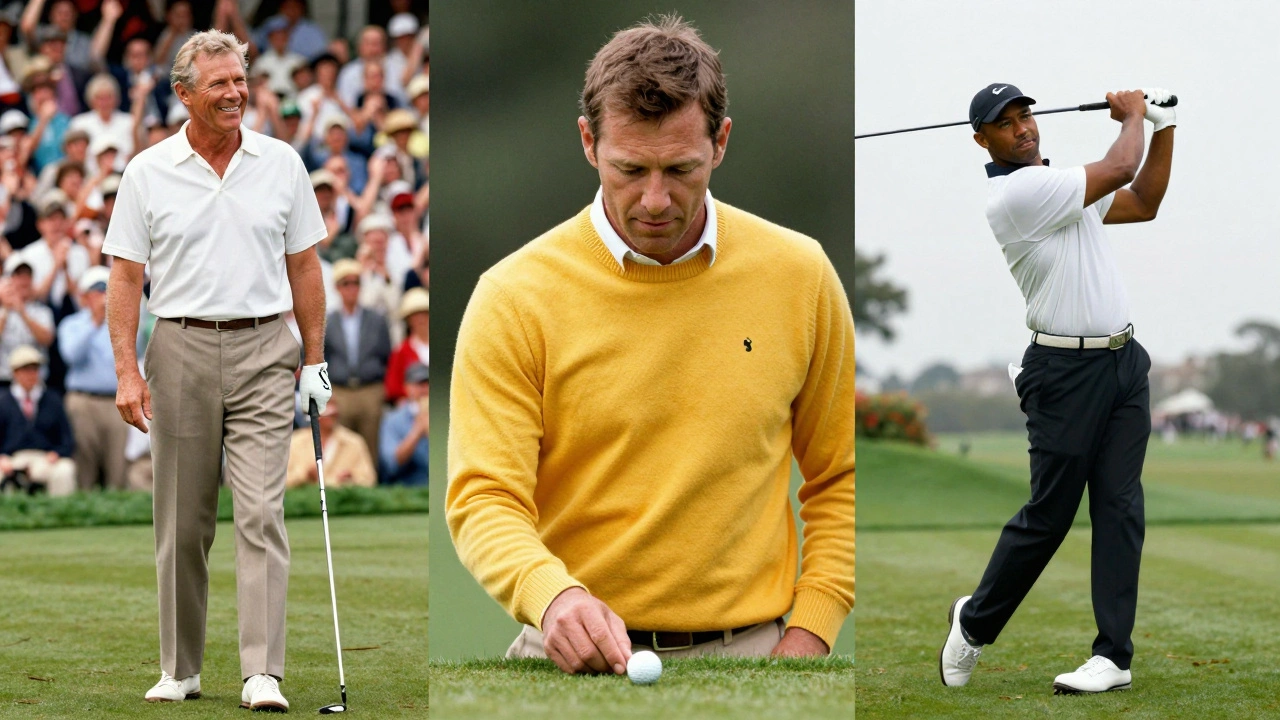
Peak PowerThere is a heated debate in every golf shop and on every course about who holds the crown. When people ask, "Who are the goats of golf?" they are looking for more than just a list of winners. They want to know who changed the game forever. The acronym GOAT stands for Greatest Of All Time, and in golf, the title is fiercely contested between three distinct eras: the golden age of Jack Nicklaus, the dominance of Arnold Palmer, and the revolution brought by Tiger Woods.
The answer isn't simple because golf has evolved dramatically. Comparing a player from the 1960s to one in 2026 requires looking at stats, impact, and cultural influence. This guide breaks down the top contenders, analyzes their careers, and helps you decide who truly deserves the spot at the top of the mountain.
The Big Three: Defining the Conversation
When discussing the goats of golf, three names consistently rise above the rest. These players didn't just win tournaments; they defined what it meant to be a professional golfer during their respective decades.
| Player | Major Wins | PGA Tour Wins | Peak Dominance Era | Key Legacy Impact |
|---|---|---|---|---|
| Jack Nicklaus | 18 | 73 | 1960s - 1980s | Record holder, strategic genius |
| Tiger Woods | 15 | 82 | 1990s - 2010s | Global popularity, athleticism |
| Arnold Palmer | 7 | 62 | 1950s - 1960s | Television boom, fan engagement |
Jack Nicklaus holds the record for most major championships with 18. That number is staggering. It is a benchmark that may never be broken. Tiger Woods came closest with 15 majors but also brought a level of physical fitness and aggression that forced the entire sport to change its training methods. Arnold Palmer won fewer majors but arguably did more to make golf a spectator sport through his charismatic play style.
Jack Nicklaus: The Golden Bear's Statistical Supremacy
If you judge greatness purely by numbers, Jack Nicklaus is the clear winner. Known as "The Golden Bear," he dominated the sport for two decades. His ability to perform under pressure was unmatched. He reached the final round of a major championship 46 times. That consistency is terrifying to think about.
Nicklaus played in an era when courses were longer relative to driver distance than today, yet he still managed to outscore his competition. His mental toughness allowed him to win even when he wasn't playing his best golf. He understood course management better than anyone. While others tried to overpower the course, Nicklaus used precision and strategy. This approach made him dangerous on any layout, from the tight trees of Oakmont to the wide-open fairways of Pebble Beach.
Critics sometimes argue that his later-career wins (in his 40s) dilute his peak dominance compared to Tiger Woods. However, winning your 17th and 18th majors at ages 43 and 46 proves a longevity that no other golfer has matched. For purists who value the scoreboard above all else, Nicklaus remains the undisputed goat of golf.
Tiger Woods: The Game Changer
Tiger Woods changed everything. Before he turned professional in 1996, golf was a niche sport with modest television ratings. After his first Masters win in 1997, where he finished 12 strokes ahead of the field, golf exploded into global mainstream culture. He attracted new fans, new demographics, and massive corporate sponsorship deals that transformed the economics of the PGA Tour.
Woods introduced a new standard of athleticism. He showed that golfers needed to train like athletes, not just practice swings. His driving distance and accuracy set new records that pushed equipment manufacturers and course designers to adapt. Courses got longer because Tiger could hit them further. This "Tiger Effect" is still felt in 2026, as young pros focus heavily on strength and conditioning.
His career was marked by incredible highs and very public lows. Despite injuries and personal struggles, his ability to return to form and win majors late in his career added another layer to his legend. Winning the 2019 Masters after years of back surgery demonstrated a resilience that resonated with millions. For many modern fans, especially those who grew up watching him dominate the late 90s and early 2000s, Tiger is the goat of golf because he elevated the entire sport.
Arnold Palmer: The Father of Modern Golf
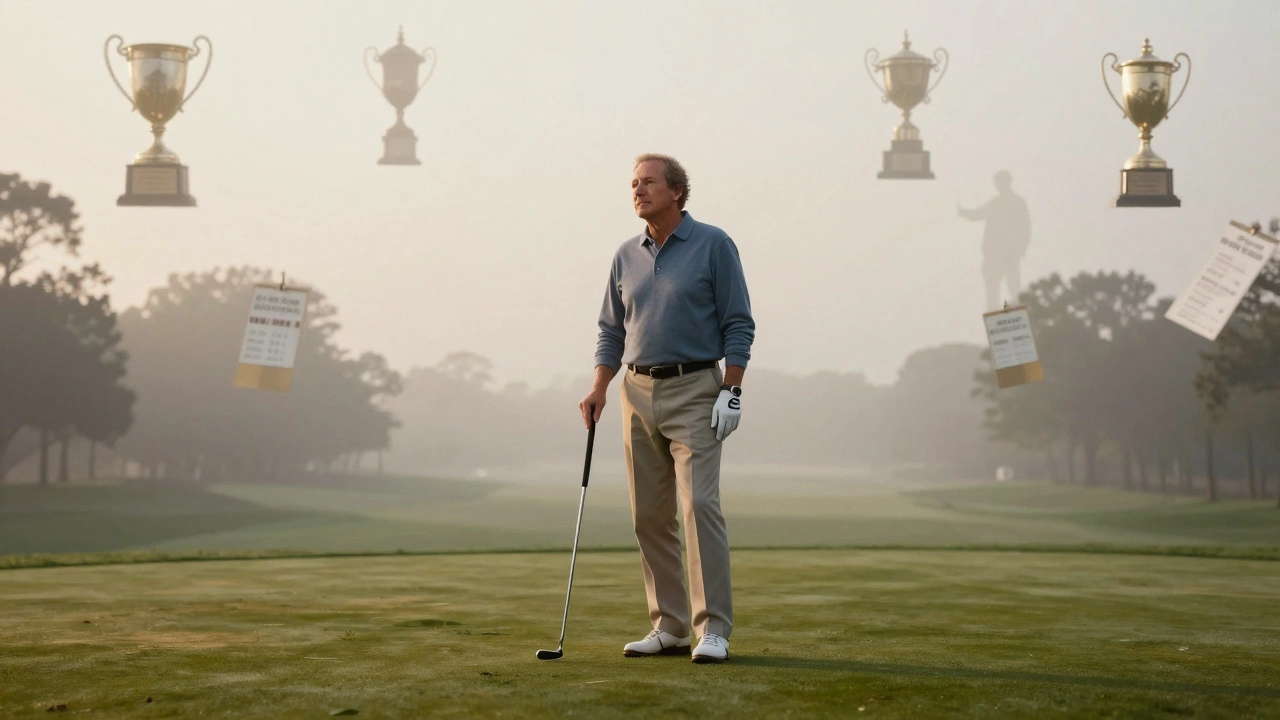
Arnold Palmer might not have the major count of Nicklaus or the cultural explosion of Woods, but without him, the other two might not have had the same stage. Palmer went pro in 1954, right as color television began to reach American living rooms. His aggressive, go-for-broke style was perfect for TV. Fans loved watching him attack pins and recover from trouble.
He created the concept of the "gallery." Crowds would follow him around the course, cheering loudly. This energy changed how tournaments were broadcast and experienced. Palmer proved that personality mattered in golf. He showed that you could be a serious competitor and still connect emotionally with fans. His rivalry with Nicklaus, known as the "Battle of the Bears," drove interest in the sport throughout the 1960s.
Palmer's business acumen also paved the way for future stars. He started Palmer Golf Management, which built hundreds of courses worldwide. This entrepreneurial spirit influenced how later golfers viewed their off-course careers. If you value impact on the sport's growth and accessibility, Palmer is a strong candidate for the goat title.
Other Contenders: Honorable Mentions
While the Big Three dominate the conversation, other legends deserve recognition. Ben Hogan is often cited for his pure skill and work ethic. He overcame a near-fatal car accident to win the 1953 U.S. Open and British Open in the same year. His mechanical perfection influenced swing instruction for generations. Bobby Jones, though amateur, founded the Masters and won the Grand Slam in 1930. His achievements before the professional era make him a historical giant.
In the modern era, players like Rory McIlroy and Jordan Spieth have shown flashes of greatness. McIlroy's power and Spieth's putting prowess have kept them relevant, but neither has sustained the long-term dominance required to challenge the top tier. Jon Rahm and Scottie Scheffler are rising stars in the mid-2020s, but their legacies are still being written. Time will tell if they can join the elite club.
How to Judge Greatness in Golf
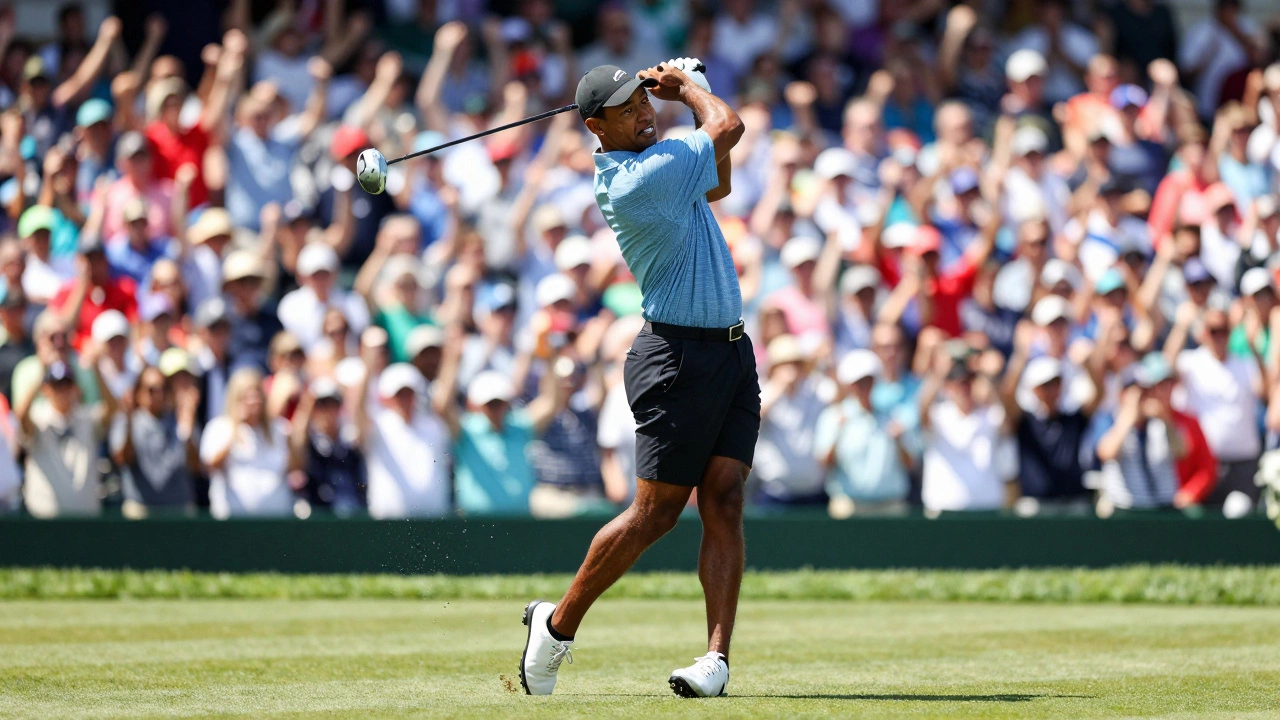
Determining the goat of golf depends on what you value most. Here are three common criteria:
- Major Championships: If trophies matter most, Jack Nicklaus wins with 18. This is the hardest stat to argue against.
- Cultural Impact: If you care about how the sport grew, Tiger Woods is the answer. He brought billions of dollars and millions of new fans to golf.
- Peak Dominance: If you look at weeks spent at Number One in the world rankings, Tiger Woods leads significantly. He held the top spot for 683 weeks, including 281 consecutive.
Another factor is difficulty of the era. Some argue that older courses were harder due to lack of technology. Others say modern players face tougher competition and deeper fields. There is no definitive answer, which keeps the debate alive.
The Future of the GOAT Debate
As we move through 2026, the gap between the legends and current players remains wide. No active golfer is close to matching the major counts of Nicklaus or Woods. The next generation must decide whether to prioritize longevity or peak performance. With advancements in sports science, players are staying healthy longer, which might allow someone to accumulate more wins over time.
However, the barrier to entry is higher. More money means more professionals, which means tougher fields. Winning a single major is incredibly difficult today. This makes the achievements of past legends even more impressive when viewed in context. The goat of golf title is likely safe for now, reserved for those who redefined the sport in their own unique ways.
Who is the greatest golfer of all time?
Most experts agree that Jack Nicklaus is the greatest golfer of all time due to his record 18 major championships. However, Tiger Woods is often considered the most influential golfer because of his impact on the sport's popularity and athleticism.
Why is Tiger Woods called the GOAT?
Tiger Woods is called the GOAT (Greatest Of All Time) by many fans because he revolutionized golf with his athletic training, aggressive play style, and massive global appeal. He won 15 majors and spent more weeks as World Number One than any other player.
How many majors does Jack Nicklaus have?
Jack Nicklaus has 18 major championship victories, which is the most in golf history. He won 6 Masters, 5 U.S. Opens, 4 British Opens, and 3 PGA Championships.
Did Arnold Palmer win as many majors as Nicklaus?
No, Arnold Palmer won 7 major championships compared to Jack Nicklaus's 18. However, Palmer is credited with popularizing golf through television and creating a larger fan base.
Is there anyone close to breaking Jack Nicklaus's major record?
As of 2026, no active golfer is close to breaking Jack Nicklaus's record of 18 majors. Tiger Woods is second with 15, and the next closest players have significantly fewer. The increasing difficulty of winning majors makes this record seem unbreakable.