What Destroys Stamina? 7 Silent Energy Killers You Need to Stop
 Jul, 13 2026
Stamina Leak Detector
Answer these 7 questions honestly to find out where you might be leaking energy. There is no wrong answer, just data!
Your Result
Description goes here.
Energy Efficiency Score
Personalized Action Plan:
You lace up your shoes, hit the track, and feel great for the first twenty minutes. Then, suddenly, your legs turn to lead. Your breath comes in ragged gasps, and that familiar wall slams into you. It’s frustrating, especially when you’ve been training consistently. You assume you just need to push harder or run longer to build stamina, but what if the problem isn’t a lack of effort? What if something in your daily routine is actively destroying your endurance before you even step foot on the gym floor?
Stamina isn't just about lung capacity or muscle strength; it's a complex biological ledger. Every time you burn energy, your body tries to replenish it. If you’re spending more than you’re earning, or if you’re leaking energy through poor habits, your reserves will empty faster than you can fill them. Most people focus on how to add fuel, but they ignore the holes in the tank. Let’s look at the specific factors that drain your battery and how to plug those leaks.
The Sleep Debt Trap
If there is one universal truth in fitness, it’s this: you don’t get fit while you work out; you get fit while you sleep. Training creates micro-tears in your muscles and depletes glycogen stores. Sleep is the only time your body repairs that damage and resets your hormonal balance. When you cut corners on rest, you aren’t just tired; you are physically impaired.
Lack of sleep disrupts the production of human growth hormone (HGH) and testosterone, both critical for muscle repair and energy levels. More importantly, it spikes cortisol, the stress hormone. High cortisol breaks down muscle tissue for fuel instead of using fat, leaving you feeling weak and sluggish. Studies show that just one night of poor sleep can reduce your athletic performance by up to 10%. That’s not a small margin; that’s the difference between finishing a race strong and walking across the line.
- Duration matters: Aim for 7-9 hours of quality sleep per night. Anything less puts you in a deficit.
- Consistency is key: Going to bed and waking up at the same time regulates your circadian rhythm, improving sleep depth.
- Avoid blue light: Screens suppress melatonin, the hormone that signals your body it’s time to sleep. Put the phone away an hour before bed.
Think of sleep as non-negotiable maintenance. You wouldn’t drive a car without changing the oil; don’t expect your body to perform without adequate rest.
Nutritional Leaks: Sugar and Dehydration
Your body runs on fuel, but not all fuel is created equal. One of the biggest stamina destroyers is the reliance on simple carbohydrates and sugar for quick energy. When you eat a sugary snack or drink a soda before a workout, you get a rapid spike in blood glucose. This gives you a burst of energy, but it’s short-lived. Your pancreas releases insulin to manage the sugar, causing a sharp drop in blood glucose levels shortly after. This "crash" leaves you feeling exhausted, foggy, and unmotivated.
Complex carbohydrates, like oats, sweet potatoes, and quinoa, provide a slow, steady release of energy. They keep your blood sugar stable, ensuring you have fuel available throughout your activity. Pair these with lean proteins and healthy fats to further stabilize energy levels. Protein helps repair tissues, while fats provide a dense source of long-lasting fuel.
Dehydration is another silent killer. Even mild dehydration-losing just 2% of your body weight in water-can significantly impair physical performance. Water is essential for transporting nutrients to cells, regulating body temperature, and lubricating joints. When you’re dehydrated, your heart has to work harder to pump blood, raising your heart rate and making exercise feel much harder than it should be.
| Fuel Type | Examples | Energy Duration | Impact on Stamina |
|---|---|---|---|
| Simple Carbs/Sugar | Soda, Candy, White Bread | Short (30-60 mins) | Rapid crash, increased fatigue |
| Complex Carbs | Oats, Brown Rice, Vegetables | Long (3-5+ hours) | Stable energy, sustained performance |
| Healthy Fats | Avocado, Nuts, Olive Oil | Very Long | Endurance support, satiety |
Hydrate consistently throughout the day, not just during workouts. Check the color of your urine; pale yellow indicates good hydration, while dark yellow suggests you need more water.
The Stress-Energy Connection
We often separate mental stress from physical fitness, but they are deeply intertwined. Chronic stress keeps your body in a constant state of "fight or flight." This activates the sympathetic nervous system, which increases heart rate, blood pressure, and muscle tension. While this response is useful for escaping danger, it’s exhausting when it’s triggered by emails, deadlines, or traffic every day.
Living in a state of high stress burns through your adrenal glands’ ability to produce adrenaline and noradrenaline, hormones that help mobilize energy. Over time, this leads to adrenal fatigue, characterized by persistent tiredness, brain fog, and low motivation. You might feel wired but tired-unable to relax but also unable to perform.
To protect your stamina, you need active recovery strategies that calm the nervous system. Meditation, deep breathing exercises, and yoga can lower cortisol levels and shift your body into the parasympathetic state, where restoration happens. Even ten minutes of mindful breathing a day can make a significant difference in how you feel during your workouts.

Overtraining and Lack of Recovery
More is not always better. One of the most common mistakes beginners and even experienced athletes make is overtraining. Pushing your body hard every single day without adequate rest prevents adaptation. Instead of getting stronger, you break down. This leads to overtraining syndrome, a condition marked by decreased performance, mood disturbances, and chronic fatigue.
Your muscles grow and your cardiovascular system improves during rest periods, not during the workout itself. Without rest days, you accumulate fatigue that compounds over time. You might think you’re building discipline by skipping rest, but you’re actually sabotaging your progress. Incorporate active recovery days with light activities like walking, swimming, or stretching. These activities promote blood flow to muscles, aiding in repair without adding significant stress.
Sedentary Lifestyle Paradox
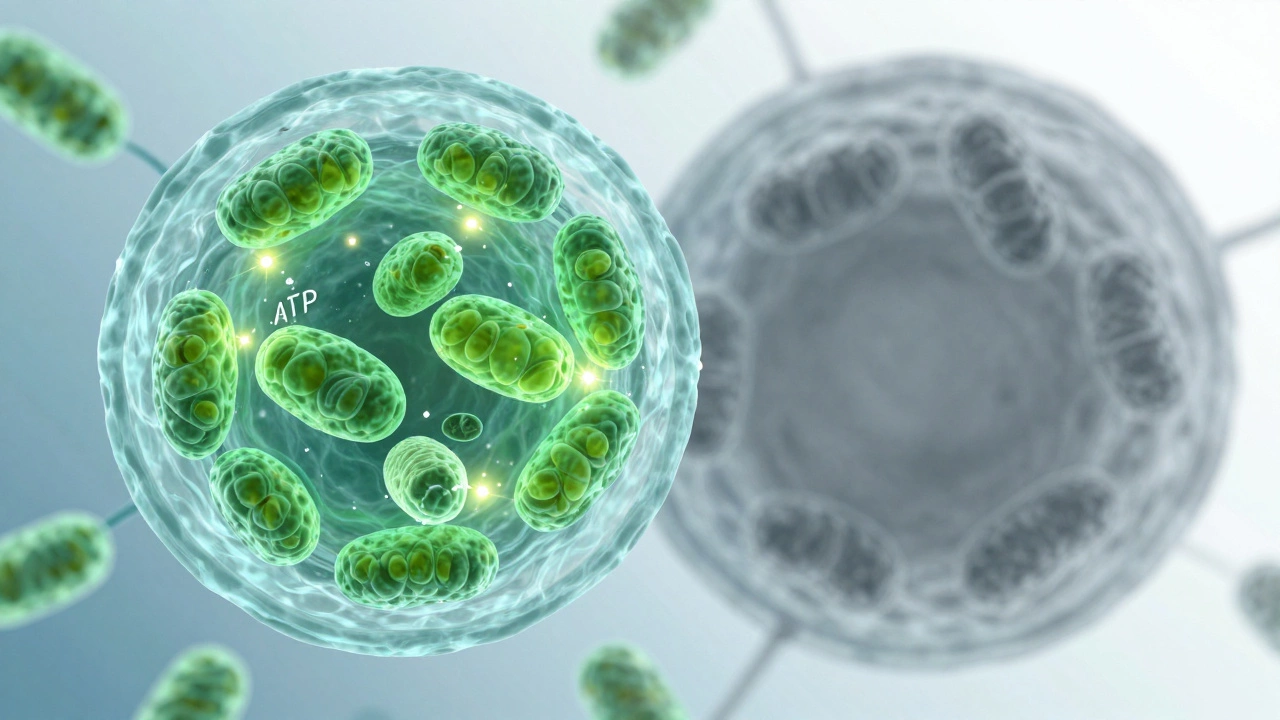
It sounds counterintuitive, but sitting too much can destroy your stamina. We spend hours at desks, commuting, or lounging on the couch. Prolonged inactivity slows down metabolism, reduces mitochondrial density (the powerhouses of your cells), and decreases blood flow. When you finally do try to exercise, your body struggles to ramp up because it’s adapted to stillness.
Mitochondria are responsible for producing ATP, the energy currency of your cells. Regular movement stimulates the creation of new mitochondria and improves their efficiency. A sedentary lifestyle does the opposite. Break up long periods of sitting with short bursts of activity. Stand up, stretch, or walk around for five minutes every hour. This keeps your metabolic engine running smoothly and prepares your body for more intense exercise later.
Alcohol and Caffeine Misuse
Alcohol and caffeine are popular social staples, but they can wreak havoc on your energy levels if misused. Alcohol is a depressant that interferes with sleep quality, particularly REM sleep, which is crucial for mental restoration. It also dehydrates the body and impairs muscle protein synthesis, slowing down recovery. Drinking heavily before a big event or regular workout will leave you feeling flat and sluggish the next day.
Caffeine, on the other hand, is a stimulant that can boost alertness and performance. However, relying on it too heavily can lead to tolerance and dependence. When you consume large amounts regularly, your body adapts, and you need more to achieve the same effect. Withdrawal symptoms include headaches, fatigue, and irritability. Use caffeine strategically-perhaps before a tough workout-but avoid it late in the day to protect your sleep. Moderation is key to keeping your natural energy systems intact.
Poor Posture and Breathing Mechanics
Your physical structure affects your energy efficiency. Poor posture, such as slouching or forward head position, compresses your lungs and restricts diaphragm movement. This limits the amount of oxygen you can take in with each breath. Oxygen is essential for aerobic energy production. If you’re not breathing efficiently, your body relies more on anaerobic pathways, which produce lactic acid and cause fatigue faster.
Practice diaphragmatic breathing, where you breathe deeply into your belly rather than shallowly into your chest. This maximizes oxygen intake and helps activate the parasympathetic nervous system. Strengthening your core and back muscles can also improve posture, allowing for freer movement and better breathing mechanics. Good form isn’t just about aesthetics; it’s about optimizing your body’s energy use.
How quickly can I regain my stamina after fixing these habits?
You may notice improvements in energy levels within a few days of prioritizing sleep and hydration. However, significant gains in cardiovascular endurance and muscular stamina typically take 4-6 weeks of consistent habit changes and gradual training progression.
Is it normal to feel tired after starting a new fitness routine?
Yes, initial fatigue is common as your body adapts to new stresses. This is different from chronic exhaustion. If fatigue persists beyond two weeks or worsens, you may be overtraining or neglecting recovery needs like sleep and nutrition.
Can medical conditions affect my stamina?
Absolutely. Conditions like anemia, thyroid disorders, diabetes, and heart issues can severely impact energy levels. If lifestyle changes don’t improve your stamina, consult a healthcare provider to rule out underlying medical causes.
What is the best pre-workout meal for sustained energy?
A balanced meal containing complex carbohydrates, moderate protein, and low fat consumed 2-3 hours before exercise is ideal. Examples include oatmeal with berries and nuts, or whole-grain toast with avocado and egg.
Does age play a role in stamina loss?
While maximum stamina potential may decline slightly with age, consistent training can maintain high levels of endurance well into older adulthood. Focus on consistency, recovery, and strength training to counteract age-related changes.