Is Marathon Running Healthy? The Truth About Long-Distance Training
 Jul, 9 2026
Marathon Health & Risk Assessment Tool
Answer these questions based on the article's findings about the 'J-shaped curve' of mortality risk and injury prevention.
Your Result
Enter your details to see your estimated health impact and risk level.
You lace up your shoes for the twenty-sixth mile. Your legs feel like lead, your lungs are burning, and every step is a negotiation with gravity. You cross the finish line, exhausted but triumphant, wearing that medal everyone told you would change your life. But later, when the adrenaline fades, a nagging question remains: was all that suffering actually good for you? Or did you just put unnecessary stress on your body?
The debate over whether marathon running is healthy has shifted dramatically in recent years. For decades, the narrative was simple: run more, live longer. Today, sports cardiologists and exercise physiologists are asking harder questions. The answer isn't a simple yes or no. It depends entirely on how you train, your genetics, and what you define as 'healthy.'
The Cardiovascular Paradox: Benefits vs. Risks
Let’s start with the undeniable positives. Endurance training creates some of the most robust physiological adaptations in the human body. When you commit to long-distance running, your heart becomes a more efficient pump. It grows slightly larger, specifically the left ventricle, allowing it to eject more blood with each beat. This is known as athlete’s heart, a benign condition where the resting heart rate drops significantly-often below 50 beats per minute.
This efficiency translates to real-world health metrics. Regular runners see lower blood pressure, improved insulin sensitivity, and better lipid profiles. Studies consistently show that moderate endurance exercise reduces the risk of coronary artery disease and type 2 diabetes. If you are sedentary, picking up running will almost certainly improve your overall health markers.
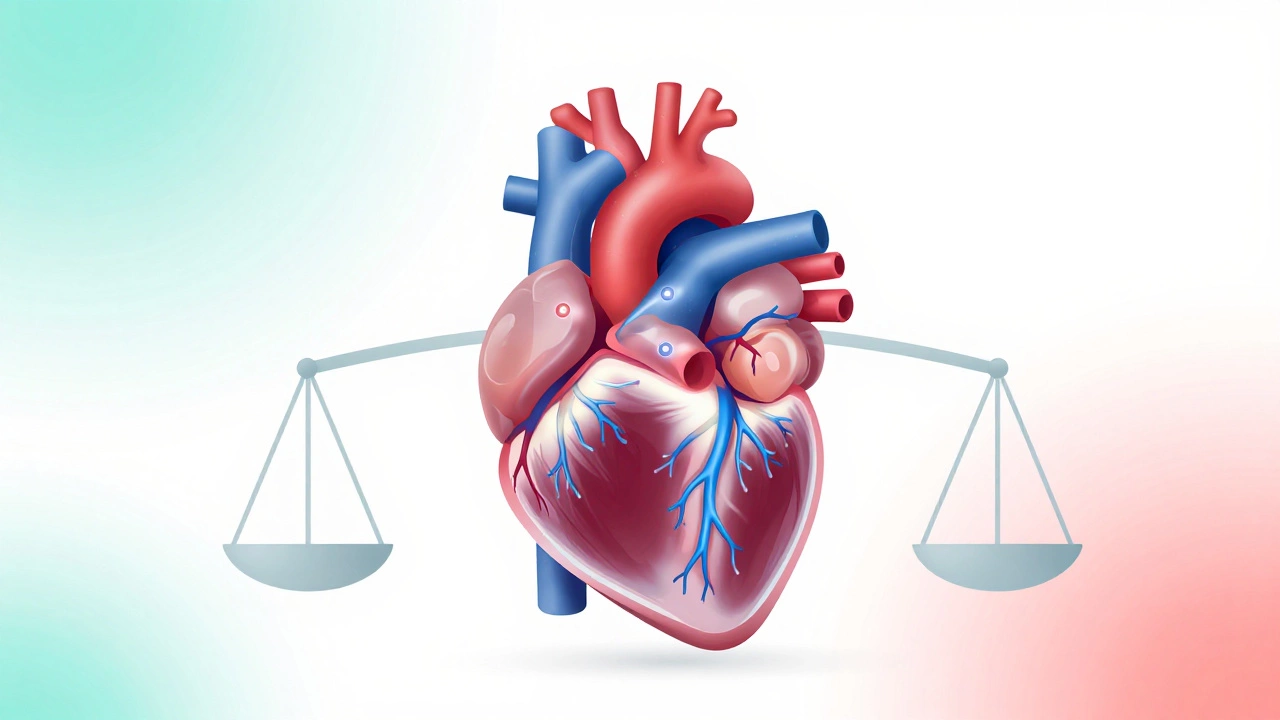
However, the curve doesn’t keep going up forever. Research published in journals like *JAMA Internal Medicine* suggests a J-shaped curve for mortality risk. Moderate runners have the lowest risk of death from all causes. But those who engage in extreme endurance activities-like running marathons regularly without adequate recovery-may see a slight uptick in certain cardiovascular events compared to casual joggers.
The concern centers on atrial fibrillation (AFib). Some studies indicate that elite endurance athletes have a higher prevalence of AFib than the general population. While this might sound alarming, it’s crucial to understand context. An athlete with AFib still likely has a longer lifespan than a sedentary person with AFib because their baseline heart health is superior. The key takeaway? Extreme volume increases electrical remodeling risks, even if it strengthens the muscle.
The Musculoskeletal Toll: Wear and Tear
Your heart isn’t the only thing taking a beating. A marathon covers 26.2 miles. Assuming an average stride length, that’s roughly 40,000 to 50,000 foot strikes. Each strike sends shockwaves through your ankles, knees, hips, and spine. Over months of training, this repetitive load accumulates.
- Stress Fractures: Micro-cracks in bones caused by repetitive force. Common in the tibia and metatarsals among marathoners.
- Tendinopathy: Degeneration of tendons, particularly the Achilles and patellar tendon, due to chronic overload.
- Osteoarthritis Risk: Contrary to old myths, running itself doesn’t cause arthritis. However, previous injuries sustained during high-mileage training can increase the likelihood of joint degeneration later in life.
If you jump into marathon training without building a base, you invite injury. The 'couch to 5K' crowd often rushes to sign up for a marathon after their first few runs. This is a recipe for disaster. Your muscles adapt faster than your connective tissues. Tendons and ligaments need months, sometimes years, to strengthen enough to handle the load of 20-mile runs.
Immune System Suppression: The Open Window
There is a phenomenon known as the 'open window' theory. Immediately following intense, prolonged exercise-like a marathon-your immune system takes a hit. For 3 to 72 hours post-race, your susceptibility to upper respiratory tract infections (URTI) spikes. Cytokine levels fluctuate, and natural killer cell activity drops.
This doesn’t mean marathoners are sickly. In fact, regular moderate exercise boosts immunity. But the acute stress of race day is different. Many runners catch a cold within days of finishing. To mitigate this, nutrition plays a massive role. Carbohydrate intake during the race helps blunt cortisol spikes, which otherwise suppress immune function. Hydration and sleep are equally critical in closing that 'open window' quickly.
Mental Health: The Runner’s High vs. Burnout
Endorphins and endocannabinoids create that euphoric feeling we call the runner’s high. Beyond the immediate chemical rush, long-term endurance training is linked to reduced anxiety and depression. The discipline required to train for a marathon builds resilience. You learn to push through discomfort, a skill that transfers to daily life challenges.
But there’s a dark side. Obsessive exercise disorder is real. When your self-worth becomes tied to your pace or finish times, running stops being therapy and starts being torture. Overtraining syndrome leads to chronic fatigue, mood disturbances, and loss of motivation. If you find yourself dreading your morning run or feeling irritable when you miss a workout, you’ve crossed the line from healthy habit to unhealthy compulsion.
How to Train Safely: Mitigating the Risks
You don’t have to choose between health and marathons. You can do both if you respect the process. Here is how to minimize the downsides while maximizing the benefits.
- Build a Base First: Do not attempt a marathon unless you have been running consistently for at least two years. Build your mileage slowly. The 10% rule (increasing weekly mileage by no more than 10%) is a guideline, not a law, but gradual progression is non-negotiable.
- Prioritize Recovery: Rest days are when your body gets stronger. Sleep 7-9 hours nightly. Incorporate active recovery like walking or swimming.
- Cross-Train: Strength training is essential. Focus on single-leg exercises, core stability, and hip mobility. Strong glutes and hamstrings protect your knees and lower back.
- Listen to Your Body: Pain is a signal. Distinguish between muscle soreness and sharp, localized pain. The latter requires immediate attention. Ignoring it leads to chronic issues.
- Nutrition Matters: Fuel your training. Adequate protein supports muscle repair. Carbohydrates fuel your glycogen stores. Micronutrients like iron, vitamin D, and calcium support bone health.

Who Should Avoid Marathons?
Not everyone is suited for extreme endurance. If you have uncontrolled hypertension, a history of heart arrhythmias, or severe joint instability, consult a physician before starting a marathon plan. Age is also a factor. As we age, our recovery capacity diminishes. What took three days to recover from at 30 might take a week at 50. Adjust your expectations accordingly.
Furthermore, if you are overweight, jumping straight into high-impact running increases injury risk. Consider low-impact cardio like cycling or swimming to build fitness before transitioning to running.
The Verdict: Balance is Key
So, is marathon running healthy? For the average person, completing one or two marathons a year, with proper preparation and recovery, offers significant mental and physical benefits. It teaches discipline, improves cardiovascular efficiency, and provides a profound sense of achievement.
However, treating marathons as a weekly routine without regard for recovery signals can lead to diminishing returns and increased health risks. The goal should be lifelong movement, not just crossing a finish line once. Listen to your body, prioritize strength and recovery, and remember that the journey matters more than the destination.
Does running a marathon damage your heart?
While extreme endurance training can lead to structural changes like 'athlete’s heart' and a slightly higher risk of atrial fibrillation, these effects are generally manageable and often outweighed by the overall cardiovascular benefits. For most people, the heart strengthens rather than weakens. However, individuals with pre-existing heart conditions should consult a doctor before undertaking such intense training.
How many marathons can you run safely per year?
Most experts recommend limiting marathons to 1-2 per year for recreational runners. This allows sufficient time for full physiological recovery, including muscle repair, tendon strengthening, and immune system restoration. Running too many marathons increases the risk of overuse injuries and burnout.
Is it better to run a half-marathon or a full marathon for health?
For pure health benefits, a half-marathon often provides a better risk-to-reward ratio. You gain the cardiovascular and mental benefits of endurance training with significantly less cumulative stress on joints and the immune system. Full marathons require a level of dedication and recovery that may not be necessary for optimal health.
Can marathon training help with weight loss?
Yes, marathon training burns a substantial number of calories. However, hunger hormones often spike in response to high-volume training, leading some runners to overeat. Sustainable weight loss comes from a combination of consistent exercise, strength training, and a balanced diet, rather than relying solely on running mileage.
What are the signs of overtraining in marathon preparation?
Signs include persistent fatigue, decreased performance despite training, frequent illnesses, insomnia, irritability, and loss of motivation. If you experience these symptoms, reduce your training volume immediately and focus on rest and nutrition. Consulting a sports medicine professional can help determine if you need medical intervention.