Is It Safe to Cycle in Mexico? A 2026 Guide to Routes, Risks, and Tips
 Jun, 18 2026
Mexico Cycling Safety Calculator
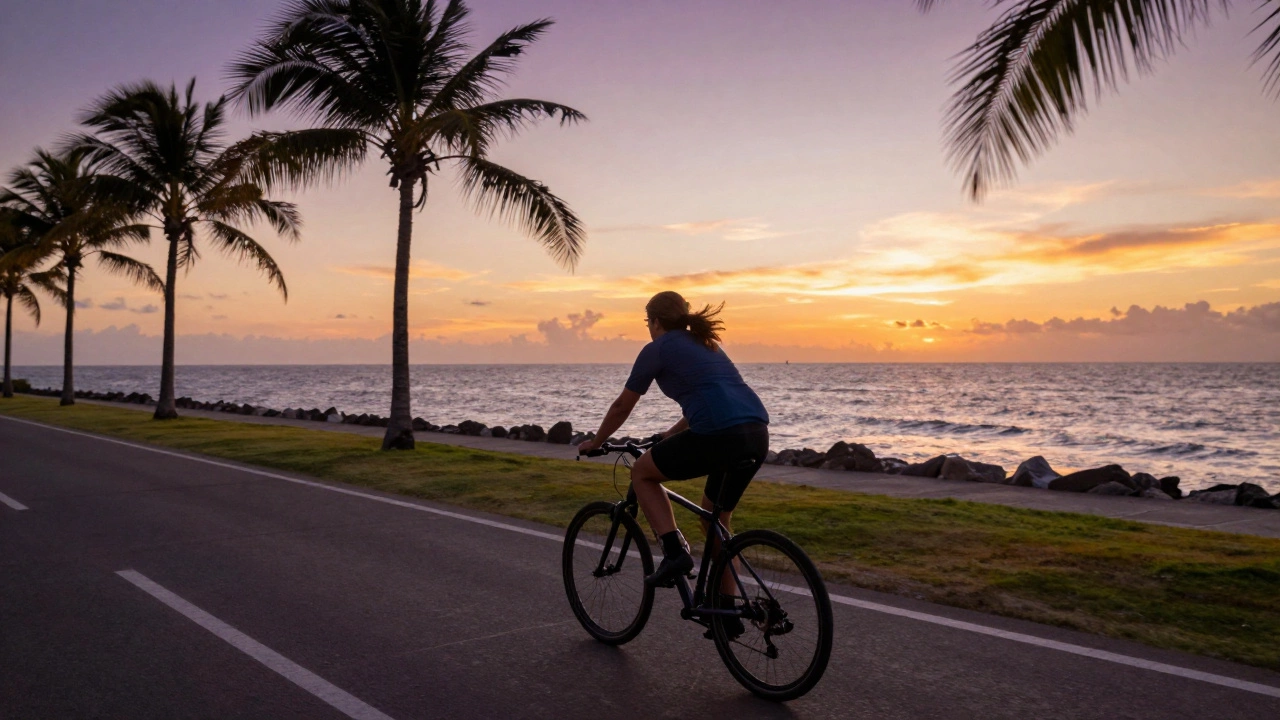
Picture this: you’re pedaling along the Malecón in Veracruz, the ocean breeze cooling your face, the sun setting over the Gulf. Now picture the flip side: navigating a chaotic intersection in Mexico City where traffic rules seem like suggestions rather than laws. Which version of reality will you face? The answer depends entirely on where you go, how you prepare, and what time of year it is.
The short answer is yes, it is safe to cycle in Mexico, but with major caveats. You won’t find uniform safety standards across the country. Some cities have world-class infrastructure that rivals European capitals, while others require you to be a defensive driving expert just to survive a commute. If you are planning a trip or considering moving to Mexico for its cycling culture, understanding these nuances is the difference between an adventure and a disaster.
Key Takeaways
- Location matters most: Cities like Mérida, San Cristóbal de las Casas, and specific zones in Mexico City offer high safety levels due to dedicated lanes and lower speeds.
- Avoid peak hours: Traffic congestion in major urban centers creates unpredictable behavior from drivers; early mornings or late evenings are safer.
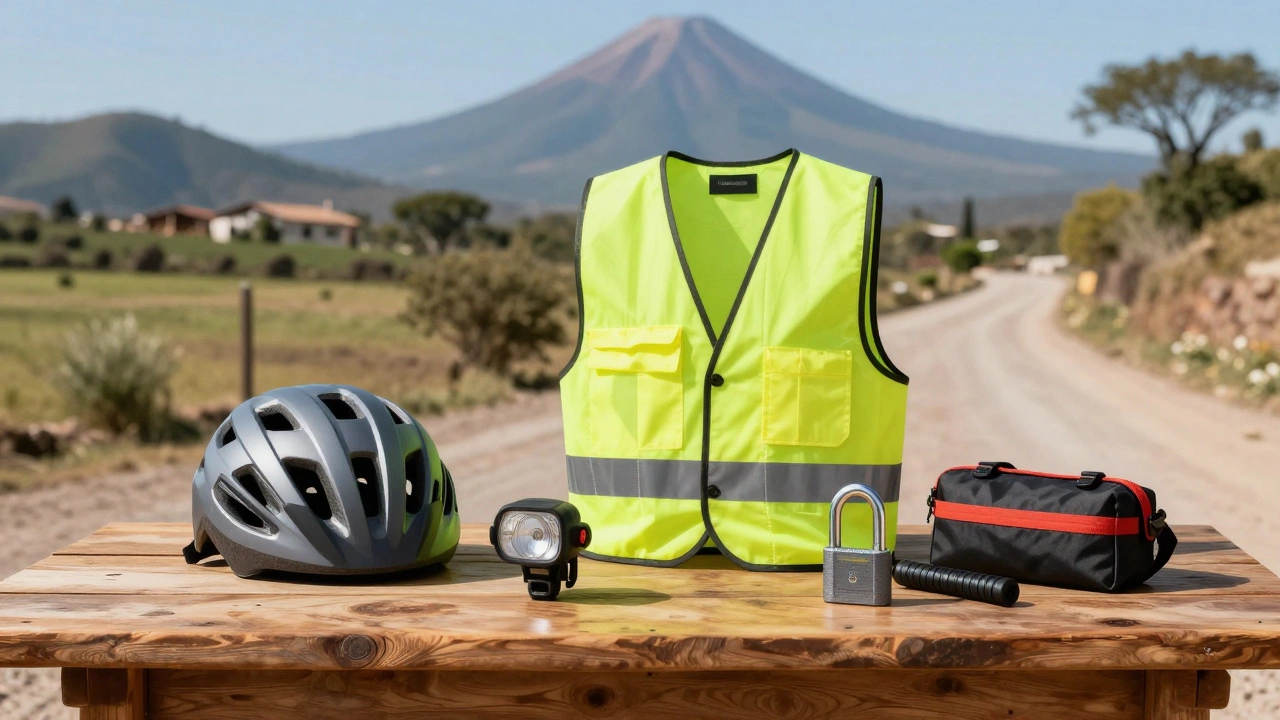
- Gear up properly: High-visibility clothing, a quality helmet, and lights are non-negotiable, especially given variable street lighting conditions.
- Know the local norms: Mexican traffic culture is less rigid than in Europe or North America; assertive yet polite riding is key.
- Road condition awareness: Potholes and uneven surfaces are common outside tourist hubs; inspect your tires regularly.
The Urban Divide: Where Cycling Thrives vs. Where It Struggles
Mexico is not a monolith when it comes to cycling infrastructure. The experience varies drastically depending on the city. In recent years, several municipalities have invested heavily in bicycle lane networks, which are dedicated paths separated from motor vehicle traffic to enhance cyclist safety. These investments have transformed specific areas into cyclist-friendly paradises.
Mérida, the capital of Yucatán, is often cited as one of the safest places to ride in Latin America. The city has implemented extensive protected bike lanes and even introduced a free public bike-sharing system called BiciMérida, which is a government-sponsored bicycle sharing program launched to promote sustainable transport. Here, cars generally yield to bikes, and the flat terrain makes for easy, low-stress rides. Similarly, San Cristóbal de las Casas in Chiapas has a strong cycling community, with many residents choosing bikes over cars due to narrow colonial streets that naturally slow down traffic.
On the other end of the spectrum, large metropolitan areas like Guadalajara or Monterrey present significant challenges. While they have added kilometers of bike paths, these are often disconnected or shared with pedestrians, creating confusion. In these cities, the sheer volume of motorcycles and aggressive driving styles can make cycling feel hazardous unless you stick strictly to designated routes.
| City | Infrastructure Quality | Traffic Aggressiveness | Safety Rating (1-5) |
|---|---|---|---|
| Mérida | High (Protected Lanes) | Low | 5 |
| San Cristóbal de las Casas | Medium (Narrow Streets) | Low-Medium | 4 |
| Mexico City (CDMX) | High (Ecobici Zones) | High (Outside Zones) | 3 |
| Guadalajara | Medium (Disconnected Paths) | High | 2 |
| Cancún/Tulum | Low (Tourist Roads) | Medium | 2 |
Navigating Mexico City: The Ecobici Advantage
If you are visiting Mexico City, which is the capital and largest city of Mexico, known for its complex traffic and expanding green initiatives, your safety largely depends on using the right tools. The city’s bike-sharing program, Ecobici, which is a public bicycle sharing system connecting key neighborhoods via dedicated lanes, covers a vast network in central districts like Polanco, Roma, Condesa, and Centro Histórico. Within these zones, cycling is relatively safe because the lanes are physically separated from cars in many segments.
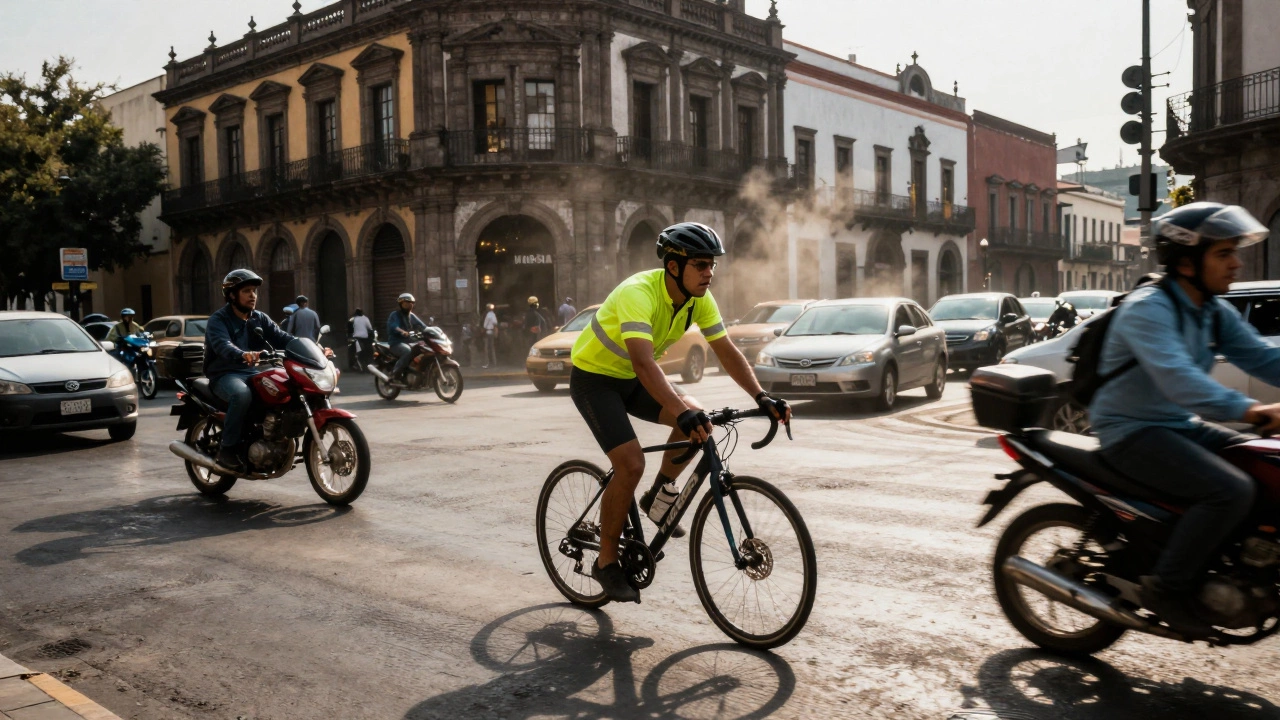
However, step outside these core areas, and the dynamic changes. Traffic in CDMX is dense, and drivers often ignore stop signs. Motorcycles weave through gaps with little regard for cyclists. To stay safe here, stick to the Ecobici map. Do not attempt to cross the entire city by bike without checking if the route connects. Use apps like Google Maps or Waze in "bike mode" to identify routes with less traffic, but always verify with local knowledge-sometimes the app leads you onto highways.
Another critical factor in CDMX is air quality. On days with high pollution alerts, cycling outdoors can be detrimental to health. Check the daily air quality index (AQI) before heading out. If the AQI is above 100, consider indoor alternatives or wearing a high-quality mask designed for particulate matter.
Rural and Scenic Routes: Beauty Meets Risk
Many cyclists come to Mexico for the stunning landscapes-the Copper Canyon, the beaches of Oaxaca, or the volcanic trails near Popocatépetl. These rural routes offer breathtaking views but introduce different risks. The primary danger here isn’t crime; it’s road conditions and isolation.
Roads in rural Mexico can be poorly maintained. Potholes, loose gravel, and sudden animal crossings are common. Always ride at a speed that allows you to react quickly. Furthermore, cell service can be spotty in remote areas. If you plan to tackle long-distance scenic routes, carry a physical map, inform someone of your itinerary, and ensure your phone is fully charged.
In coastal towns like Puerto Vallarta or Acapulco, the main hazard is tourism-related traffic. During peak season, roads are clogged with rental cars driven by inexperienced tourists who may not understand local driving customs. Ride defensively, assume no one sees you, and use hand signals generously.
Essential Safety Gear and Preparation
No amount of route planning replaces proper preparation. Your gear is your first line of defense. Here is what you need:
- Helmet: Mandatory. Choose one that meets international safety standards (CPSC, CE, or ASTM). Replace it every five years or after any impact.
- High-Visibility Clothing: Reflective vests or bright colors make you visible to drivers, especially during dawn and dusk when light conditions are poor.
- Lights: Front white light and rear red light are essential. Even if you ride during the day, flashing lights increase visibility significantly.
- Lock: Use a U-lock or heavy-duty chain lock. Bike theft occurs in both urban and tourist areas. Never leave your bike unattended without securing it to a fixed object.
- Basic Repair Kit:** Carry a spare tube, tire levers, and a mini-pump. Flat tires are frequent due to road debris.
Understanding Local Traffic Culture
One of the biggest adjustments for foreign cyclists is adapting to Mexican traffic culture. Drivers here tend to be more assertive and less predictable than in countries with strict enforcement of traffic laws. Honking is used not just as a warning but as a form of communication-"I am here," or "Move over."
To navigate this safely:
- Be Predictable: Avoid sudden swerves. Signal turns well in advance.
- Make Eye Contact: When possible, look at drivers to ensure they see you. This simple act reduces accidents significantly.
- Stay Calm: If a driver cuts you off, do not retaliate. Aggression escalates tension. Keep riding smoothly.
- Respect Pedestrians: In crowded areas, slow down and yield. Pedestrian priority is culturally important in many Mexican cities.
Crime Concerns: Myth vs. Reality
A common question among travelers is whether cycling exposes them to higher crime risks. The reality is nuanced. Violent crime against cyclists is rare. Most incidents involve petty theft-bikes being stolen from unlocked stands or bags snatched from handlebars.
To mitigate this risk:
- Avoid riding alone at night in unfamiliar or poorly lit areas.
- Keep valuables hidden. Use a backpack instead of handlebar bags.
- Park in well-lit, populated areas whenever possible.
- Register your bike with local authorities if staying long-term. Some cities offer registration programs that help recover stolen bikes.
In tourist-heavy zones like Tulum or Playa del Carmen, scams targeting foreigners are more prevalent than violent crime. Be wary of individuals offering unsolicited help or guiding you to "safe" parking spots that turn out to be traps. Trust your instincts-if something feels off, move on.
Seasonal Considerations for Cyclists
Mexico’s climate affects cycling safety throughout the year. Understanding seasonal patterns helps you plan better trips.
Dry Season (November-April): Ideal for cycling. Temperatures are mild, and roads are dry. This is the best time for long-distance tours and exploring new routes.
Rainy Season (May-October): Afternoon thunderstorms are common, especially in southern regions. Rain makes roads slippery and reduces visibility. Plan rides for early morning when skies are clearer. Also, be cautious of flash floods in mountainous areas.
Hurricane Season (June-November): Coastal areas may experience severe weather. Monitor forecasts closely. If a hurricane warning is issued, avoid cycling entirely and seek shelter.
Practical Tips for First-Time Cyclists in Mexico
If you are new to cycling in Mexico, start small. Rent a bike in a friendly neighborhood like Condesa in Mexico City or downtown Mérida. Join local cycling groups-they often organize guided rides that teach you safe routes and local etiquette. Apps like Meetup or Facebook Groups can connect you with expat and local cycling communities.
Learn basic Spanish phrases related to directions and warnings. Saying "¡Cuidado!" (Careful!) or "¡Disculpe!" (Excuse me!) can prevent misunderstandings. Locals appreciate effort to communicate, and it fosters goodwill.
Finally, respect the environment. Stick to marked trails when off-roading. Do not litter. Mexico’s natural beauty is fragile, and preserving it ensures future generations can enjoy cycling there too.
Is it safe to cycle at night in Mexico?
Cycling at night in Mexico carries higher risks due to reduced visibility and increased crime potential. It is generally recommended to avoid nighttime riding unless you are in a well-lit, secure area with familiar routes. If you must ride at night, wear high-visibility gear, use bright lights, and travel in groups when possible.
What should I do if my bike is stolen in Mexico?
Report the theft immediately to local police (Policía Municipal) and obtain a report number. Contact your insurance provider if you have coverage. Register the incident with local cycling associations, as they sometimes share information about recovered bikes. In some cities, registering your bike beforehand increases recovery chances.
Are bike lanes enforced in Mexico?
Enforcement varies by city. In places like Mérida and parts of Mexico City, bike lanes are respected and monitored. However, in many other areas, cars and motorcycles frequently encroach on bike lanes. Cyclists must remain vigilant and assume drivers may not yield, even in designated zones.
Can I rent a bike easily in major Mexican cities?
Yes, most major cities have bike rental shops and public bike-sharing systems. Mexico City offers Ecobici, Mérida has BiciMérida, and other cities like Puebla and Guadalajara have emerging programs. Private rentals are also widely available in tourist areas, though prices may be higher.
Is cycling good exercise in high-altitude cities like Mexico City?
Cycling in high-altitude cities provides excellent cardiovascular benefits but requires acclimatization. Mexico City sits at approximately 2,240 meters (7,350 feet) above sea level. Beginners may experience fatigue or shortness of breath initially. Start with shorter, flatter rides and gradually increase intensity as your body adjusts to the thinner air.