How Do You Know If You Are Fit? 7 Real Signs Beyond the Scale
 Jul, 16 2026
7-Point Real Fitness Assessment
Your Fitness Assessment
Total Score
Verdict
Summary goes here.
Most people walk into a gym, look in the mirror, and feel confused. They see someone lifting heavy weights and think that is what being fit looks like. Then they scroll through social media and see ultra-marathon runners, thinking endurance is the only metric that matters. The truth is much simpler, yet harder to pin down. Fitness is not a single number on a bathroom scale. It is not just about how many push-ups you can do or how fast you run a mile. It is about how your body performs its basic functions with efficiency and resilience.
If you are wondering whether you are actually fit, you need to stop looking at aesthetics and start looking at function. Being fit means your heart pumps efficiently, your muscles support your joints, your balance keeps you upright, and your energy levels sustain you through the day without crashing. Here is how you can objectively measure your fitness level right now, using simple tests and observable signs.
The Cardiovascular Engine: Resting Heart Rate
Your heart is a muscle, and like any other muscle, it gets stronger and more efficient with training. One of the most reliable indicators of cardiovascular fitness is your resting heart rate. This is the number of times your heart beats per minute when you are completely at rest. For an average adult, this ranges between 60 and 100 beats per minute (bpm). However, if you are truly fit, this number usually drops significantly.
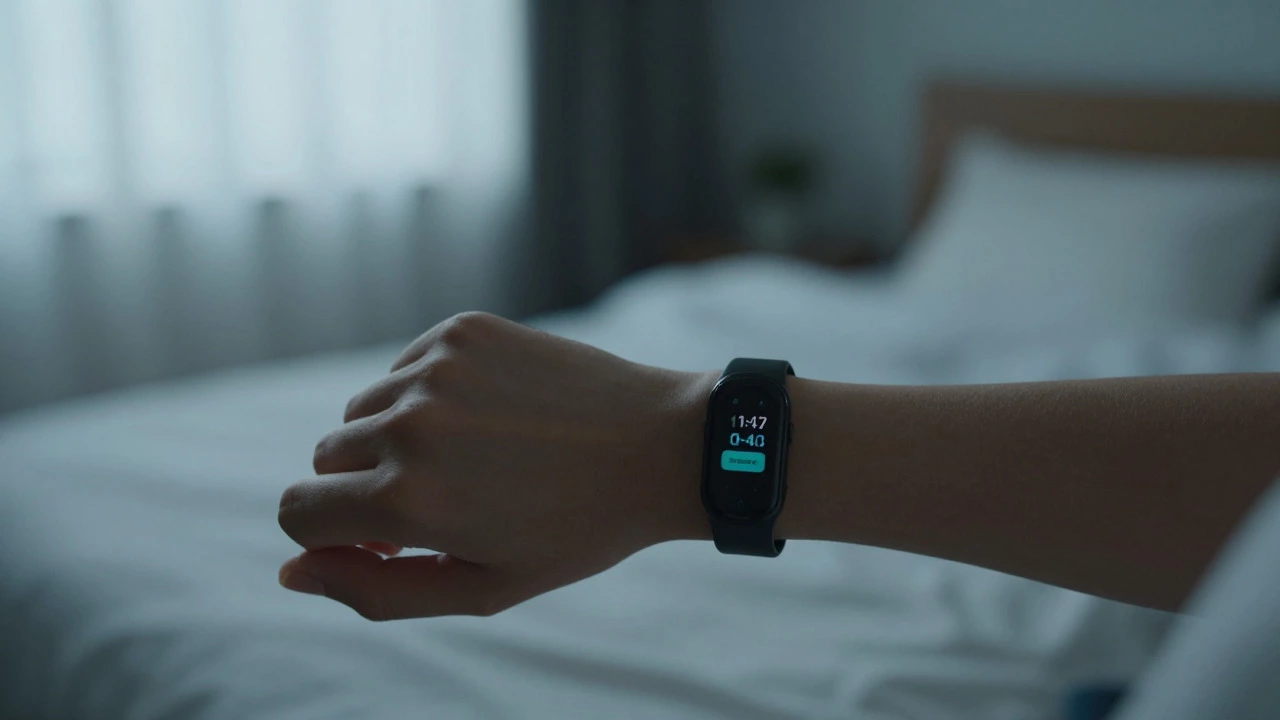
Athletes and highly active individuals often have resting heart rates between 40 and 60 bpm. Why? Because a strong heart pumps more blood with each beat, so it doesn't need to beat as often to supply oxygen to your body. To check this, measure your pulse first thing in the morning before you get out of bed. Do this for three consecutive days and take the average. If your number is consistently below 60 bpm, your cardiovascular engine is humming along nicely. If it is above 80 bpm regularly, it might be time to add some aerobic activity to your routine.
The Oxygen Test: VO2 Max Estimates
While resting heart rate tells you about efficiency, VO2 max tells you about capacity. VO2 max measures the maximum amount of oxygen your body can utilize during intense exercise. It is widely considered the gold standard for measuring aerobic fitness. You don't need a lab with a breathing mask to get a good estimate, though. You can use simple field tests.
One popular method is the Cooper Test. Find a flat track or a measured route. Run as far as you possibly can in exactly 12 minutes. Record the distance. There are online calculators that convert this distance into a VO2 max score based on your age and gender. Generally, a higher score indicates better cardiovascular health. For context, a sedentary person might score around 30-35 ml/kg/min, while a fit individual scores 40-50, and elite athletes exceed 60. Knowing where you stand helps you set realistic goals for improving your stamina.
Muscular Endurance vs. Strength
Strength and endurance are two different sides of the same coin. Strength is how much force you can generate in one effort; endurance is how long you can maintain that effort. Most daily activities require muscular endurance rather than maximal strength. Can you carry groceries up three flights of stairs without your arms shaking uncontrollably? Can you hold a plank position for 60 seconds with proper form?
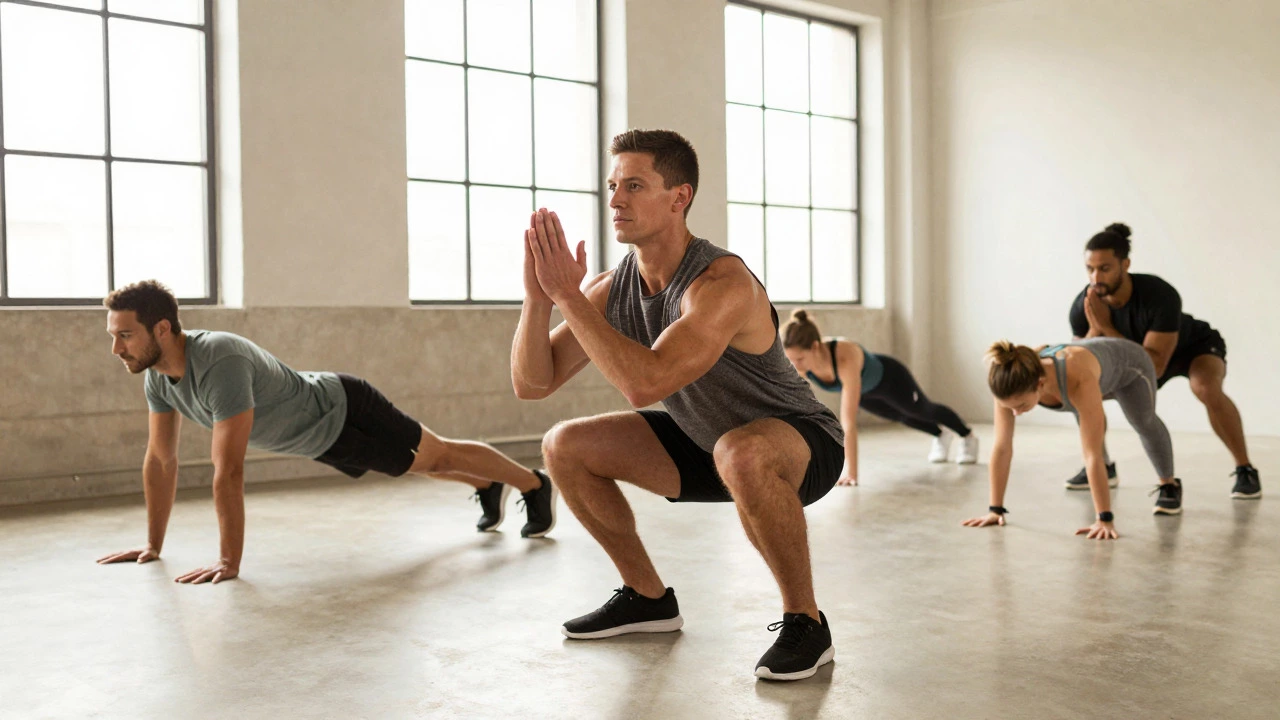
To test your upper body endurance, try the push-up test. Perform as many standard push-ups as you can with perfect form-chest to floor, straight line from head to heels. For lower body endurance, try the squat test. How many bodyweight squats can you do in two minutes? These numbers vary by age and gender, but consistency is key. If you can perform these movements repeatedly without failure, your muscles are conditioned for real-life demands. Remember, hypertrophy (big muscles) does not equal functional fitness. A lean, resilient muscle fiber is often more valuable for longevity than a bulky one.
Flexibility and Mobility: The Hidden Risks
We often ignore flexibility until we get hurt. Poor mobility restricts your range of motion, which puts unnecessary stress on your joints and ligaments. Being stiff isn't just uncomfortable; it increases the risk of injury during everyday tasks like picking up a toy or reaching for a high shelf.
A simple way to assess your hamstring and lower back flexibility is the sit-and-reach test. Sit on the floor with your legs extended straight out in front of you. Place a ruler or tape measure on the floor in front of your toes. Reach forward as far as you can without bending your knees. If you can reach past your toes, you have good flexibility. If you struggle to touch your shins, your hamstrings are tight. Tightness here can lead to lower back pain over time. Incorporating dynamic stretching before workouts and static stretching after them can gradually improve this metric.
Body Composition: More Than Weight
The scale lies. It cannot distinguish between muscle mass, fat mass, bone density, and water weight. Two people can weigh the same but have vastly different health profiles. One might have high visceral fat (fat stored around organs), which is linked to heart disease and diabetes. The other might have low body fat and high muscle mass, indicating metabolic health.
A better approach is to look at waist circumference. Measure your waist at the narrowest point, usually near the navel. For men, a waist measurement over 40 inches (102 cm) indicates increased health risks. For women, a measurement over 35 inches (88 cm) is a warning sign. This is a quick proxy for visceral fat. Additionally, tracking changes in how your clothes fit is often more accurate than daily weighing. If your jeans are looser around the waist but tighter around the thighs, you are likely losing fat and gaining muscle-a positive sign of improved fitness.

Recovery Speed and Energy Levels
True fitness shows itself in recovery. After a hard workout, how quickly do you bounce back? If you are sore for three days straight and feel exhausted for the rest of the week, your fitness base might be too low for the intensity you are attempting. A fit body adapts quickly. You might feel mild soreness, but your energy returns within 24 hours.
Listen to your daytime energy levels. Do you crash in the afternoon? Do you rely heavily on caffeine to function? Chronic fatigue is often a sign of poor sleep quality, nutritional deficiencies, or inadequate cardiovascular conditioning. If you wake up feeling refreshed and maintain steady energy throughout the day without stimulants, your body is efficiently managing fuel and recovery. This holistic view of fitness includes mental clarity and emotional stability, which are directly linked to physical health.
| Metric | Test Method | Good Indicator |
|---|---|---|
| Cardio Efficiency | Resting Heart Rate | Below 60 bpm |
| Aerobic Capacity | 12-Minute Run Distance | Over 2km (varies by age) |
| Upper Body Endurance | Max Push-Ups | 20+ with good form |
| Flexibility | Sit-and-Reach | Past toes |
| Body Fat Risk | Waist Circumference | <40" Men, <35" Women |
Functional Movement Patterns
Fitness is ultimately about movement. Can you perform the seven fundamental human movements safely and effectively? These are squatting, hinging, lunging, pushing, pulling, rotating, and walking/running. If you struggle with any of these, you have a gap in your fitness.
Try a deep squat. Keep your heels on the ground and your chest up. If you fall backward or your knees cave inward, your ankle mobility or hip strength needs work. Try a single-leg deadlift. Balance on one leg and hinge forward. If you wobble excessively, your core stability and proprioception are lacking. Addressing these functional patterns prevents injuries and improves performance in sports and daily life. It is not about lifting the heaviest weight; it is about moving your body through space with control and grace.
Setting Realistic Goals
Once you have assessed your current state, avoid comparing yourself to others. Fitness is personal. Your goal might be to play with your kids without getting winded, to hike a mountain, or simply to reduce the risk of chronic disease. Use the metrics above as baselines. Re-test every 8-12 weeks. Progress should be gradual. Small improvements in resting heart rate or push-up count compound over time into significant health benefits.
Remember, consistency beats intensity. Doing moderate exercise regularly is far superior to going all-out once a month and then resting for weeks. Listen to your body, respect its limits, and celebrate small victories. Being fit is a journey, not a destination. It is about building a body that serves you well for decades to come.
Is BMI a good indicator of fitness?
No, Body Mass Index (BMI) is a flawed metric for individual fitness. It only considers height and weight, ignoring muscle mass, bone density, and fat distribution. A muscular athlete may have a high BMI and be classified as "obese," despite having excellent health markers. Focus on waist circumference and body composition instead.
How often should I test my fitness levels?
It is best to reassess your fitness metrics every 8 to 12 weeks. This timeframe allows enough time for physiological adaptations to occur while keeping you accountable. Testing too frequently can lead to frustration due to daily fluctuations, while testing too rarely makes it hard to track progress.
Can I be fit if I am overweight?
Yes, it is possible to be "fat but fit." Research shows that individuals with higher body fat but good cardiovascular health and muscular strength still have lower mortality risks than those who are thin but sedentary. However, excess visceral fat remains a risk factor, so improving body composition alongside fitness is ideal.
What is the most important fitness component for longevity?
Cardiovascular endurance, particularly VO2 max, is strongly linked to longevity. Studies suggest that higher VO2 max levels correlate with reduced risk of all-cause mortality. Combining this with muscle strength creates the best foundation for a long, healthy life.
Does flexibility matter for older adults?
Absolutely. Flexibility and balance are critical for preventing falls and maintaining independence in older age. Stiff joints increase the risk of fractures and limit mobility. Regular stretching and mobility exercises should be a priority for seniors.