Does Mexico Have a Cycling Team? Pro Teams, Routes & Culture
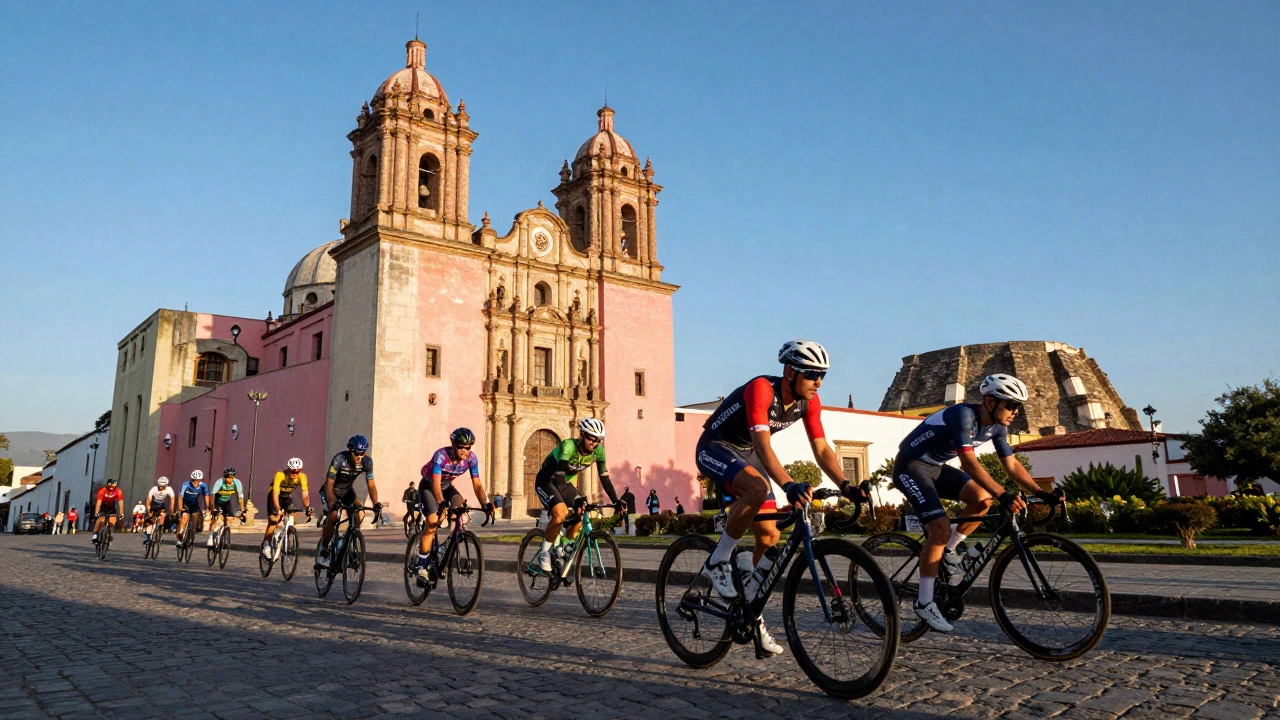 Jun, 25 2026
Mexico Cycling Team & Terrain Explorer
You might be wondering if Mexico has a competitive presence in the world of professional cycling. The short answer is yes, but it’s not what you might expect from looking at the Grand Tours in Europe. While Mexico doesn’t currently host a WorldTeam (the top-tier UCI level), it boasts a vibrant domestic league, strong continental teams, and some of the most challenging and beautiful climbing roads on the planet.
If you are planning a trip or just curious about the sport's footprint in Latin America, understanding the landscape requires looking beyond the big European names. We need to talk about the UCI America Tour, the legendary local races, and why Mexican terrain is becoming a hotspot for training camps worldwide.
The Professional Landscape: UCI Continental Teams
When people ask about national cycling teams, they often think of countries like Italy, Spain, or Colombia dominating the peloton. Mexico operates differently. The country does not have a team in the UCI WorldTour, which is the highest division featuring giants like Ineos Grenadiers or Jumbo-Visma. However, Mexico has several active teams registered with the Union Cycliste Internationale (UCI) at the Continental level.
The most prominent name in recent years is Team Correcaminos de Nuevo Laredo. This team competes in the UCI America Tour and occasionally gets wildcard entries into bigger races in North America. They serve as a crucial development ground for young Mexican talent before they potentially move to bigger squads abroad.
Another key player is Selle Italia-KTM-MX, a team that has historically bridged the gap between Mexican riders and international competition. These teams participate in stage races across the Americas, building experience and rankings. It’s important to note that these are private clubs, not government-funded national Olympic squads, though the latter do exist for specific events like the Pan American Games.
| Entity Type | Examples | Primary Focus | UCI Level |
|---|---|---|---|
| Continental Team | Team Correcaminos | Racing in Americas/Europe | UCI Continental |
| National Olympic Team | Mexico National Cycling Team | Olympics, Pan Am Games | N/A (Amateur/National) |
| Domestic League | Vuelta a Irapuato, Vuelta a la Laguna | Local Talent Development | National |
Why You Don't See Mexican Riders in the Tour de France
It is a common question: where are the Mexican stars? The absence of Mexican riders in the biggest European tours isn't due to a lack of talent, but rather structural and economic factors. Professional cycling is incredibly expensive. Building a WorldTeam requires millions of dollars annually for salaries, logistics, and equipment.
Historically, many talented Mexican cyclists have joined foreign teams early in their careers. For example, riders like Carlos Ochoa and César Salazar found success by joining Spanish or Italian squads. This brain drain means that while Mexican talent exists, it often wears another flag or jersey on the world stage. The focus domestically remains on developing climbers who can excel in high-altitude environments, a niche where Mexican athletes naturally thrive.
The Real Star: Terrain and Training Camps
While the professional racing scene is growing, Mexico’s biggest contribution to global cycling is its geography. If you follow pro cycling news, you’ve likely heard teams flying to Mexico for winter training. Why? Because of the altitude and consistent weather.
Oaxaca is the epicenter of this phenomenon. Cities like Oaxaca City and nearby valleys sit at elevations between 1,500 and 2,000 meters (approx. 5,000-6,500 feet). This provides the perfect "live high, train low" environment. Major WorldTeams, including those from Australia and Europe, regularly base themselves here during January and February to build endurance before the spring classics.
This influx of pros has elevated the local cycling culture significantly. Local cafes now cater to cyclists, mechanics understand high-end carbon fiber repairs, and the road infrastructure in these regions has improved to accommodate both tourists and racers.
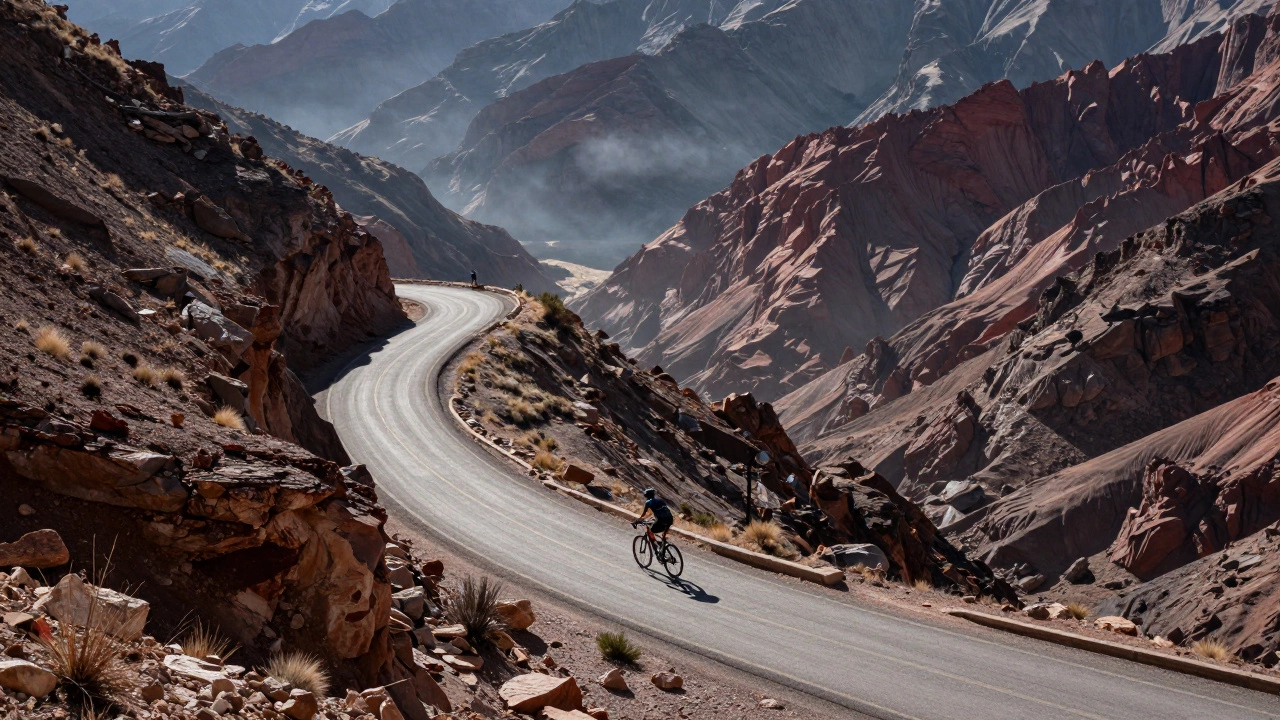
Top Cycling Destinations for Visitors
If you are visiting Mexico and want to ride like a local-or even alongside visiting pros-here are the best regions to explore. Each offers a distinct challenge and scenery.
- Oaxaca Valley: Known for smooth roads and steep climbs. The climb to Monte Albán is iconic, offering views of ancient ruins. The air is thin enough to make your legs burn but clean enough to breathe deeply.
- Baja California Sur: For those who prefer desert landscapes and long, open highways. The road from La Paz to Cabo San Lucas offers flat, fast riding with ocean views. It’s less about climbing and more about endurance and wind management.
- Copper Canyon (Barranca del Cobre):**: Located in Chihuahua, this area features dramatic elevation changes. Riding along the edges of the canyon is one of the most spectacular experiences in North America, though it requires careful navigation due to narrow sections and truck traffic.
- Puebla: Close to Mexico City, Puebla offers varied terrain. The climb to Popocatépetl volcano is a serious challenge for experienced riders, providing a direct view of the smoking peak.
Safety and Practical Tips for Riding in Mexico
Riding in Mexico is rewarding, but it requires preparation. Traffic laws are different, and road conditions vary wildly between tourist zones and rural areas.
- Avoid Night Riding: Safety is paramount. Stick to daylight hours, especially outside major cities like Mexico City or Guadalajara. Group rides are safer and more enjoyable.
- Watch for Trucks: On highways, heavy trucks share the road. They may not always signal lane changes clearly. Always maintain a safe distance and assume they don’t see you.
- Carry Cash: Many roadside stands selling fruit, water, or snacks only accept cash. Having small bills is essential for hydration breaks.
- Hydration is Critical: Even in cooler highland areas, the sun can be intense. Drink more than you think you need. Electrolytes are a must-have.
- Join a Local Club: Groups like Ciclovia in Mexico City organize weekly mass rides where streets are closed to cars. It’s a great way to meet locals and feel safe.
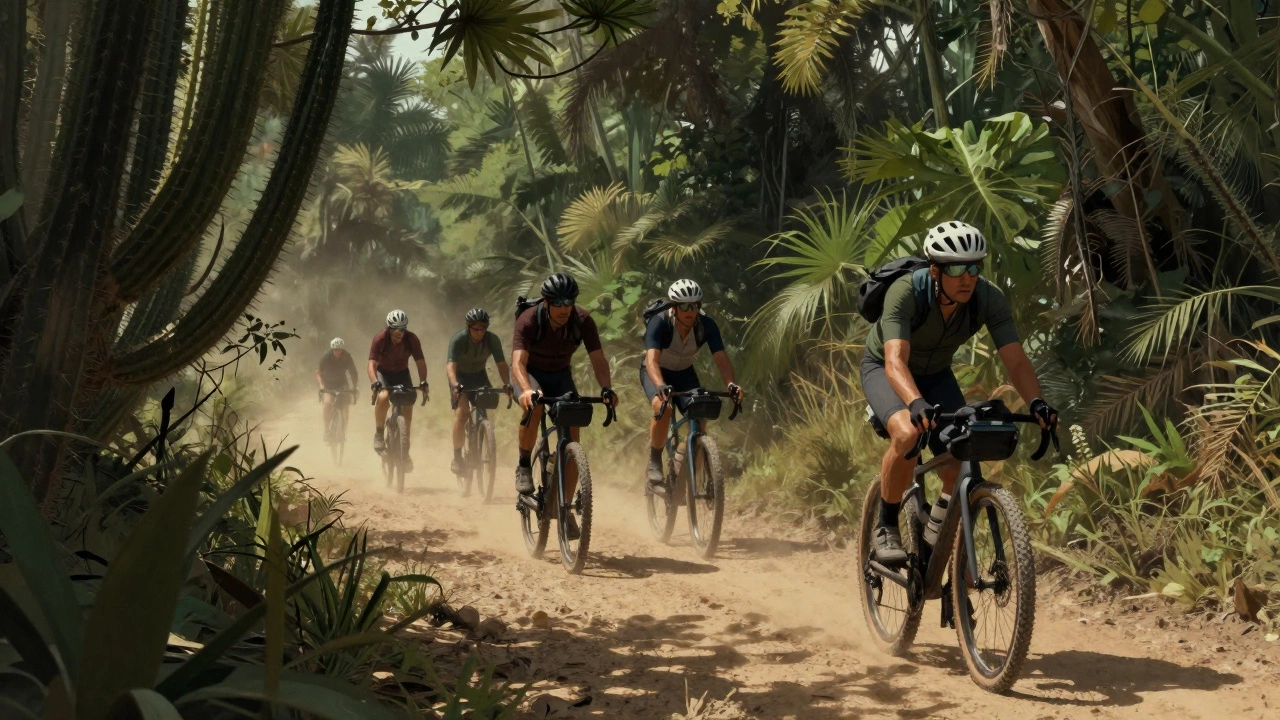
The Rise of Gravel and Adventure Cycling
In recent years, there has been a surge in gravel cycling in Mexico. Unlike road cycling, which focuses on speed and tarmac, gravel allows riders to explore unpaved paths through jungles, deserts, and mountains. This trend aligns perfectly with Mexico’s diverse landscapes.
Events like the Gravel Worlds inspired races are popping up in states like Querétaro and Hidalgo. These events attract international riders who want to test their skills on rough terrain while experiencing Mexican culture. It’s a lower-barrier entry point for tourists compared to joining a pro race, making it a growing sector of the industry.
Conclusion: A Growing Sport with Deep Roots
So, does Mexico have a cycling team? Yes, in the form of continental squads and a passionate amateur community. But the true strength of Mexican cycling lies in its terrain and its potential. As investment grows and safety improves, we may see more Mexican riders competing on the world stage. Until then, the country remains a premier destination for anyone who loves the saddle, whether you’re chasing a personal best or just exploring the Andes-like peaks of North America.
Is there a Mexican team in the Tour de France?
No, there is currently no Mexican-based team in the UCI WorldTour, which includes the Tour de France. However, individual Mexican riders have participated in the past by signing with foreign teams.
What is the best time to cycle in Mexico?
The dry season, from November to April, is ideal. Temperatures are mild, and rain is rare. This is also when most professional teams come for training camps.
Can beginners ride in Mexico?
Yes, especially in designated areas like Ciclovia in Mexico City or flatter coastal routes in Baja. Always start with guided group rides to learn local traffic patterns.
How difficult is the terrain in Oaxaca?
Oaxaca is known for steep climbs and high altitude. It is challenging for beginners but excellent for intermediate and advanced riders looking to improve their fitness.
Are cycling routes in Mexico safe?
Safety varies by region. Tourist-friendly areas and organized group rides are generally safe. Avoid remote highways at night and stay aware of traffic rules.