Do Boxers Get Paid for Exhibition Fights? A Breakdown of Fees, Purse Splits, and Rules
 Jun, 8 2026
Boxing Exhibition Earnings Calculator
Fighter Profile & Deal Terms
Total Estimated Earnings
$0
- Base Appearance Fee: $0
- Revenue Share (%):
- Share Amount:
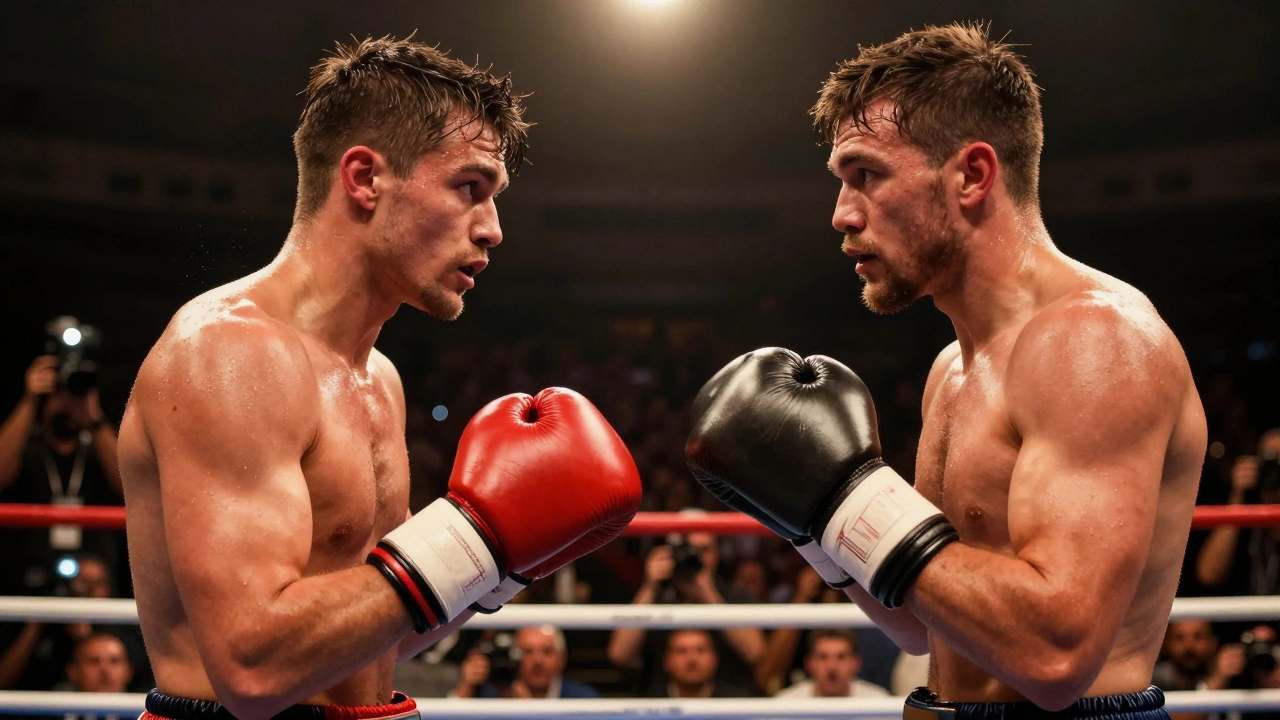
It looks like a real fight. The bell rings, the crowd roars, and two athletes trade heavy leather in the center of the ring. But if you check the official records later, you won’t find it listed under professional bouts. This is an boxing exhibition, a unique hybrid event that blurs the line between sport and spectacle. The question on everyone’s mind, especially for fans watching from the nosebleeds or the VIP box, is simple: do these fighters actually get paid?
The short answer is yes. Boxers absolutely get paid for exhibition fights. In fact, for some veterans, an exhibition can be one of the most lucrative nights of their career. However, the money doesn't come from a single paycheck handed over by a promoter. It comes from a complex web of negotiations involving appearance fees, revenue sharing, and strict regulatory constraints.
How Exhibition Money Works Differently
To understand why boxers get paid, you have to look at how an exhibition differs from a sanctioned professional bout. A standard pro fight is governed by state athletic commissions. These bodies set minimums, oversee medical checks, and ensure purses are distributed according to law. An exhibition, by definition, operates outside this framework.
Because there is no official winner or loser recorded in the books, the athletic commission often treats the event as a private contract rather than a sporting contest. This gives promoters and fighters more flexibility. They aren't bound by the same purse-splitting regulations that apply to title fights. Instead, the payout is usually negotiated directly between the fighter's camp and the event organizer.
Think of it less like a salary and more like a performance fee. You are being paid to show up, look good, and provide entertainment value. If you are a retired legend like Floyd Mayweather Jr. or Manny Pacquiao, your "performance" is worth millions because your name sells tickets. For lesser-known fighters, the fee might cover travel, training costs, and a modest profit. The key difference is that the money is guaranteed upfront, not dependent on winning a round or stopping the opponent.
The Role of Promoters and Revenue Sharing
In the world of high-profile exhibitions, the biggest payouts don't come from a fixed purse but from revenue sharing. When a superstar agrees to an exhibition, they often demand a percentage of the gross revenue. This includes ticket sales, pay-per-view buys, and sometimes even sponsorship deals tied specifically to the event.
For example, when Floyd Mayweather fought Conor McGregor in 2017, the deal was structured so that Mayweather received a massive guaranteed amount plus a significant cut of the net profits. That model has become the gold standard for modern exhibitions. Fighters with global brands leverage their social media following and fan base to negotiate these terms. They argue that without their participation, the event wouldn't happen, so they deserve a share of the pie.
However, this structure isn't available to everyone. Mid-level boxers or those returning from long layoffs typically receive a flat appearance fee. This fee is designed to compensate them for the risk and effort without breaking the promoter's budget. It’s a straightforward transaction: you fight for three rounds, you get $X amount. No percentages, no backend deals. Just cash in hand after the gloves come off.
| Feature | Sanctioned Pro Fight | Exhibition Match |
|---|---|---|
| Regulation | Strictly regulated by Athletic Commissions | Private contract; minimal oversight |
| Payout Source | Purse split + PPV points | Appearance fee + optional revenue share |
| Record Impact | Affects win/loss record | No impact on official record |
| Risk Level | High (full contact, stoppages) | Variable (often controlled pace) |

Why Do Fighters Agree to Exhibitions?
If the stakes are lower and the record doesn't change, why would a boxer step into the ring for an exhibition? The primary driver is financial security. Professional boxing is volatile. Injuries, weight cuts, and bad matchmaking can derail a career overnight. An exhibition offers a guaranteed payday with reduced physical risk. Many exhibitions are fought with larger gloves (10oz instead of 8oz) and fewer rounds (3 to 6 instead of 12). This allows older fighters to compete without taking the same pounding they would in a championship bout.
Another reason is marketing. For a fighter trying to build a brand, an exhibition against a celebrity or a cross-sport star generates massive media attention. It keeps their name in the headlines and attracts new sponsors. Think about it: fighting a UFC champion or a Hollywood actor brings a different demographic to boxing. That exposure translates into endorsement deals, which can be far more profitable than fight purses alone.
Finally, exhibitions serve as a testing ground. Young prospects might use an exhibition to gauge their skills against a known quantity without the pressure of a ranked fight. Veterans use them to stay sharp while negotiating their next big contract. It’s a strategic move, not just a cash grab.
The Controversy: Is It Real Boxing?
Not everyone loves exhibitions. Purists argue that they dilute the integrity of the sport. When the outcome doesn't matter, does the fight still count? Critics point out that fighters may hold back, turning what should be a competitive battle into a choreographed dance. This concern is valid, especially when exhibitions involve non-boxers who lack technical skill.
However, supporters counter that exhibitions keep the sport alive during slow periods. They bring casual fans into the ecosystem, exposing them to the excitement of boxing. Once hooked, these fans are more likely to attend traditional fights later. From a business perspective, exhibitions are a gateway drug to the main event. They generate buzz, fill stadiums, and create content for social media platforms.
The controversy also touches on fairness. Should a fighter who takes no official risk earn the same as someone risking their ranking and legacy? This debate fuels the negotiation process. Fighters with leverage demand higher fees to compensate for the perceived lack of prestige. Those without leverage accept lower payments to gain visibility. It’s a market-driven system, reflecting the value each participant brings to the table.
What About Non-Professional Participants?
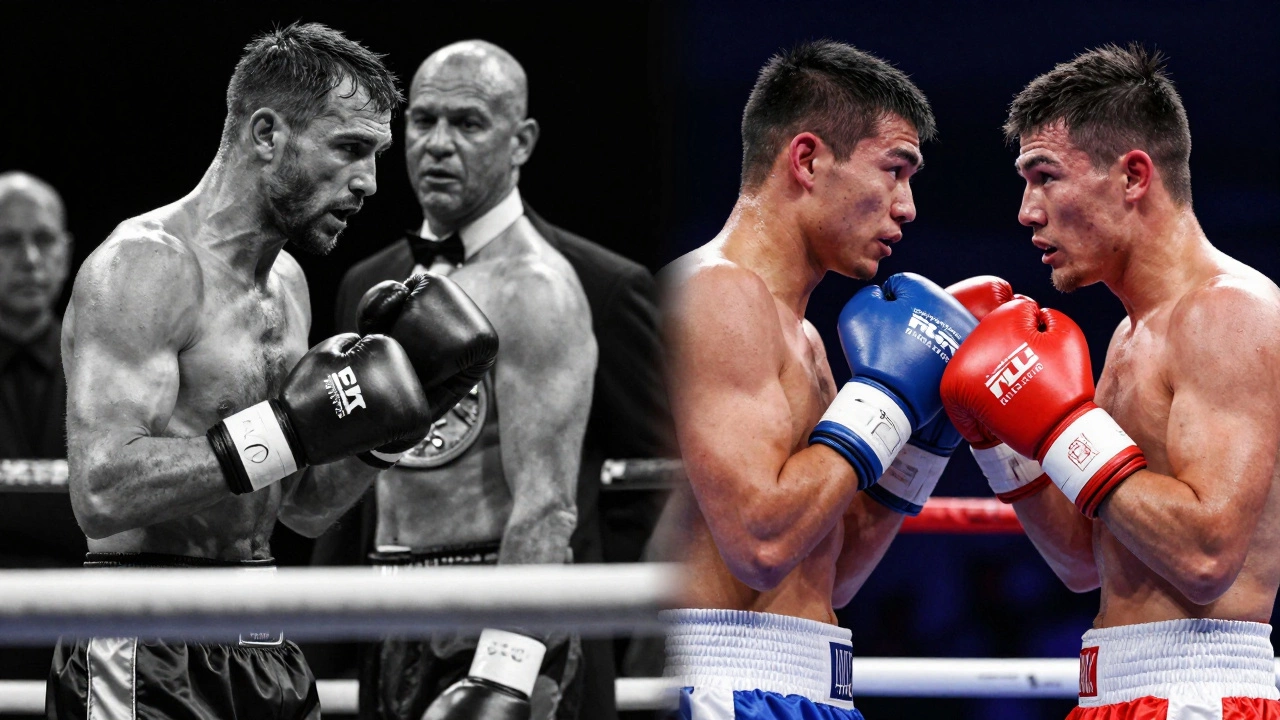
Some exhibitions feature celebrities, politicians, or athletes from other sports. Do they get paid too? Yes, but their compensation structure is different. Celebrities are often paid appearance fees similar to actors or musicians. Their value lies in their fame, not their boxing ability. Organizers pay them to draw crowds and generate publicity. In some cases, celebrities donate their earnings to charity, which adds a philanthropic angle to the event.
For professional boxers facing these celebrities, the dynamic shifts. The pro fighter might receive a smaller purse because the celebrity’s presence drives ticket sales. Alternatively, the pro might demand a higher fee for taking on an unpredictable opponent who doesn't follow boxing norms. It’s a delicate balance, requiring careful negotiation to ensure both parties feel valued.
Key Takeaways for Fans and Fighters
Understanding how exhibitions work helps demystify the business side of boxing. Here are the core points to remember:
- Payment is Guaranteed: Unlike pro fights where purses can be withheld due to disputes, exhibition fees are usually paid upfront or immediately after the event.
- No Official Record: Wins and losses in exhibitions do not count toward a boxer’s professional record. This protects rankings and titles.
- Revenue Sharing is Common: Top-tier fighters negotiate for a percentage of gate receipts and PPV buys, maximizing their earnings potential.
- Lower Physical Risk: Exhibitions often feature modified rules, such as fewer rounds and larger gloves, reducing long-term health impacts.
- Marketing Value: Beyond the immediate paycheck, exhibitions boost a fighter’s brand, leading to future opportunities in endorsements and media.
So, the next time you see a boxer stepping into the ring for an exhibition, remember that they’re not just doing it for fun. They’re making a calculated business decision. Whether it’s for the quick cash, the brand exposure, or the chance to compete without the pressure of a title shot, exhibitions play a vital role in the modern boxing economy. And yes, they definitely get paid for it.
Do boxers lose their ranking if they lose an exhibition fight?
No, exhibition fights do not affect a boxer's official ranking or record. Since the results are not submitted to athletic commissions, wins and losses are not recorded. This allows fighters to compete without jeopardizing their standing in the sport.
How much do boxers typically earn from an exhibition?
Earnings vary widely based on fame and negotiation power. Unknown fighters might earn a few thousand dollars as an appearance fee. Superstars like Floyd Mayweather or Manny Pacquiao can earn tens of millions through revenue-sharing deals. There is no standard rate, as each contract is privately negotiated.
Are exhibition fights safer than professional bouts?
Generally, yes. Exhibitions often use larger gloves (10oz vs 8oz) and limit the number of rounds (3-6 rounds). Fighters may also agree to a lighter pace to avoid serious injury. However, any full-contact sport carries inherent risks, and accidents can still happen.
Can a boxer turn an exhibition win into a professional opportunity?
While the win itself doesn't count officially, a strong performance in an exhibition can attract attention from promoters and managers. It serves as a showcase of skill and marketability, potentially leading to contracts for sanctioned professional fights.
Why do athletic commissions allow exhibitions?
Athletic commissions regulate exhibitions to ensure safety standards are met, even though the results aren't official. They require medical exams and licensed referees to protect participants. Allowing exhibitions helps keep the sport vibrant and accessible to broader audiences.