What is Sport Equipment Used For? A Practical Guide
 Oct, 8 2026
Sport Equipment Function Finder
Select your primary concern or activity type below to see which aspect of sports equipment matters most for you.
Select your goal and equipment types, then click "Analyze Gear Needs" to see recommendations based on the article's principles.
You might think sport equipment is just about looking cool or having the latest gadget. But here’s the truth: it exists for two main reasons-performance and protection. Without the right gear, you’re either playing worse than you could, or you’re risking a trip to the hospital. It’s that simple.
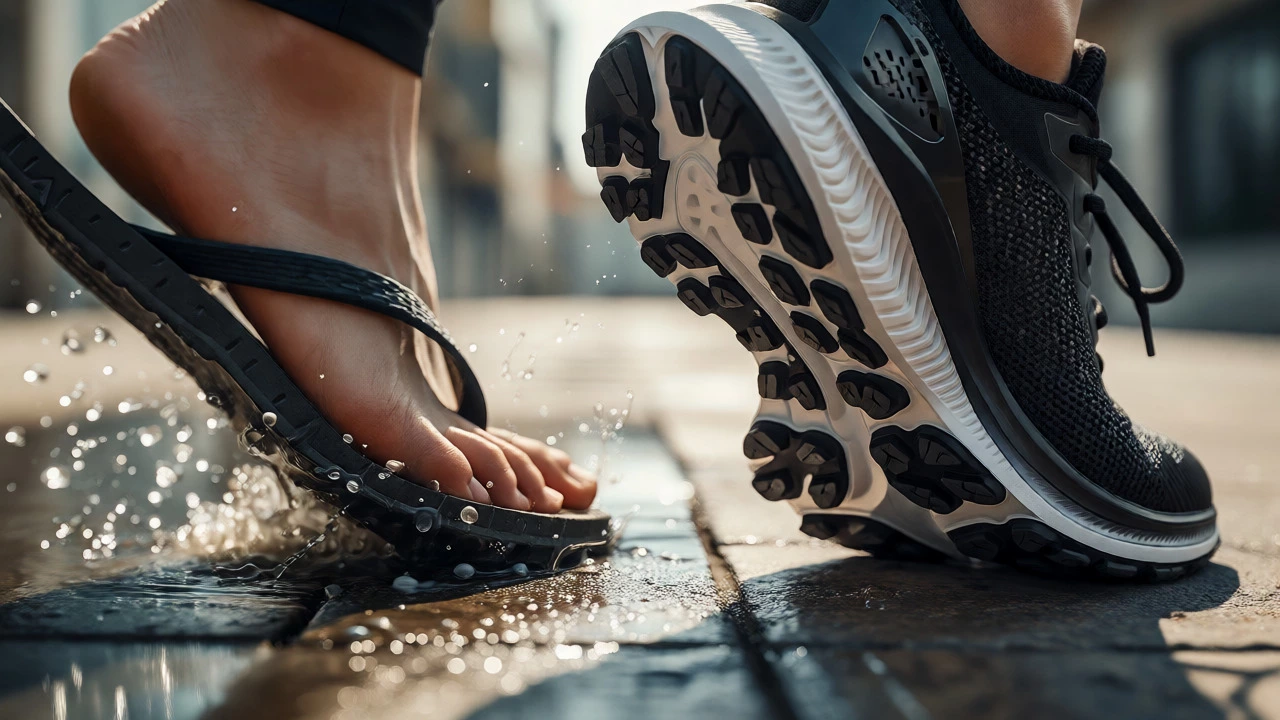
Think about running in flip-flops versus proper sports shoes. The flip-flops let your foot slap the pavement with every step, sending shockwaves up your shins. The running shoe absorbs that impact, stabilizes your arch, and propels you forward. One is footwear; the other is engineering designed to keep you moving. This article breaks down exactly what different types of gear do, why they matter, and how to choose them without getting ripped off by marketing hype.
The Core Functions of Sport Equipment
At its most basic level, sport equipment serves three critical jobs. First, it enhances human capability. A tennis racket doesn’t just hit a ball; it amplifies the force you generate and allows for spin control that your hand alone can’t achieve. Second, it ensures fairness and standardization. If everyone used a different size basketball, the game would be chaos. Third, and often overlooked, it mitigates risk. Helmets, pads, and supportive braces aren’t optional extras-they are barriers between minor mistakes and major injuries.
When you buy gear, you’re buying into these functions. Are you paying for speed? Safety? Or precision? Understanding this helps you cut through the noise. For example, a carbon-fiber bicycle frame isn’t just light; it’s stiff, meaning less energy is lost when you pedal. That’s a performance gain. A padded cycling shorts isn’t just soft; it reduces friction and pressure on sensitive areas during long rides. That’s comfort and endurance.
Performance Enhancement: Doing More With Less Effort
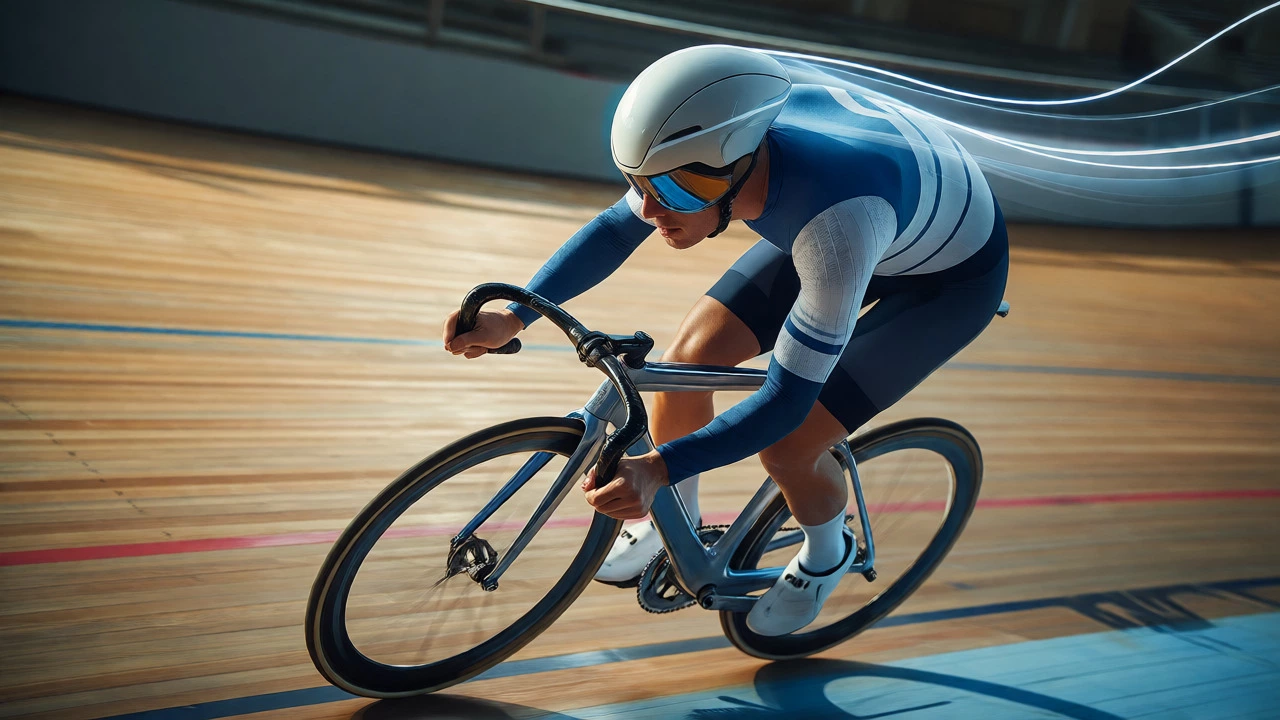
Most athletes want to go faster, jump higher, or throw further. Equipment makes this possible by optimizing biomechanics. Take swimming goggles. They don’t make you swim faster directly, but they allow you to see clearly underwater, which means better navigation, fewer collisions, and more efficient stroke timing. Similarly, aerodynamic helmets in cycling reduce drag, letting you maintain higher speeds with the same power output.
| Sport | Equipment | Performance Benefit |
|---|---|---|
| Cycling | Aero Helmet | Reduces wind resistance by up to 10% |
| Tennis | Graphite Racket | Increases swing speed and control |
| Running | Carbon Plate Shoes | Improves energy return and efficiency |
| Golf | Precision Irons | Enhances shot accuracy and distance control |
Notice the pattern? The equipment works *with* your body, not against it. When choosing performance gear, look for features that align with your specific goals. If you’re a beginner runner, you don’t need elite racing spikes. You need durable cushioning. If you’re an advanced cyclist, weight savings matter more than durability.
Safety and Injury Prevention: The Unsung Heroes
Here’s where many people get lazy. They skip the helmet because “it’s just a short ride.” Or they wear old, worn-out cleats because “they still fit.” Big mistake. Sports like rugby, football, and boxing involve high-impact collisions. Without proper protective gear, you’re vulnerable to concussions, fractures, and ligament tears.
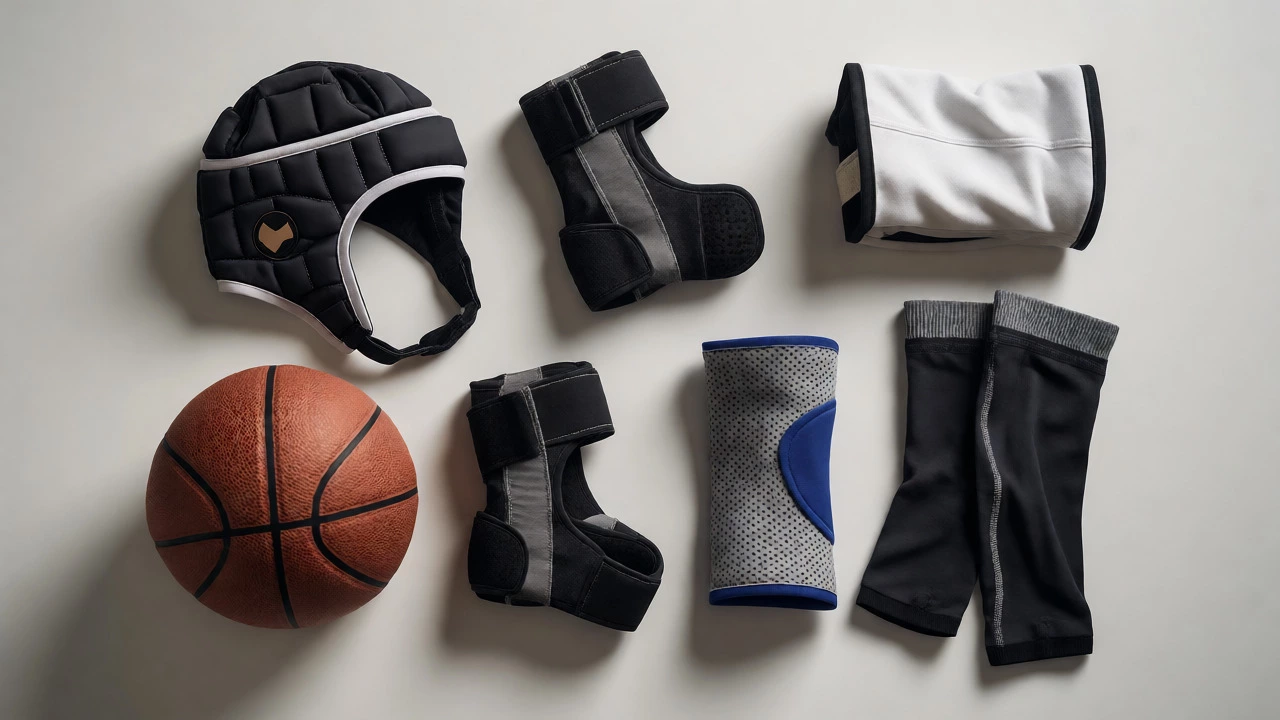
Consider a rugby scrum cap. It doesn’t prevent all head injuries, but it significantly reduces the risk of cuts, abrasions, and cauliflower ear. In contact sports, even minor improvements in protection can extend your career by years. Similarly, ankle braces in basketball limit excessive inversion, reducing the chance of sprains. These aren’t crutches; they’re insurance policies.
Don’t underestimate non-contact sports either. Tennis elbow is real. Plantar fasciitis is common. Proper wristbands, knee sleeves, and arch supports help manage repetitive stress. If you play regularly, your joints take a beating. Gear helps distribute load and support weak points before they fail.
Standardization and Fair Play
Imagine a soccer match where one team uses a slightly larger ball. Advantage? Chaos. Sport equipment ensures a level playing field. Governing bodies like FIFA, World Rugby, and the International Tennis Federation set strict specifications for dimensions, weight, and materials. This standardization means skill-not equipment advantage-determines the winner.
For casual players, this matters too. Using regulation-sized balls and nets helps you develop muscle memory that translates to competitive settings. If you practice with a heavy basketball, your shooting form will adjust incorrectly. Stick to standard specs unless you’re training for specific strength adaptations.
Comfort and Endurance: Why It Matters
Discomfort kills motivation. If your socks bunch up, your shirt chafes, or your gloves sweat out, you’ll quit early. Modern fabrics wick moisture, regulate temperature, and reduce friction. Moisture-wicking jerseys keep you dry, preventing blisters and skin irritation. Compression garments improve blood flow, aiding recovery and reducing fatigue during long sessions.
Fit is everything. Ill-fitting equipment causes pain and restricts movement. Always try before you buy if possible. Check for range of motion, secure fastenings, and breathable materials. Comfort isn’t luxury; it’s functionality.
Choosing the Right Gear: A Quick Checklist
- Assess Your Level: Beginners need durability and forgiveness. Experts need precision and responsiveness.
- Identify Risks: High-impact sports demand robust protection. Low-impact sports prioritize comfort and efficiency.
- Check Standards: Ensure equipment meets relevant safety certifications (e.g., CE, ASTM).
- Test Fit: Try it on. Move around. Does it hinder or help?
- Budget Wisely: Spend more on safety-critical items (helmets, shoes) and less on aesthetic add-ons.
Remember, the best equipment is the one that disappears-you forget you’re wearing it because it works so well. Whether you’re hitting the courts in Sydney or training for a local marathon, matching gear to purpose keeps you safe, efficient, and ready to perform.
Do I really need specialized shoes for each sport?
Yes, generally. Running shoes are designed for forward motion, while basketball shoes provide lateral support for side-to-side movements. Wearing cross-trainers for intense running can lead to injuries due to inadequate cushioning or stability for repetitive impacts.
Is expensive equipment always better?
Not necessarily. Expensive gear often offers marginal gains in weight or material quality. For beginners, mid-range options usually provide sufficient performance and durability. Invest in high-end gear only when you’ve identified specific limitations in your current setup.
How often should I replace my sports equipment?
It depends on usage and type. Running shoes typically last 500-800 kilometers. Helmets should be replaced after any significant impact or every 5 years, regardless of visible damage. Regularly inspect gear for wear and tear, especially protective padding and structural components.
Can improper equipment cause injuries?
Absolutely. Poorly fitted shoes can cause blisters, bunions, or shin splints. Incorrect racket tension leads to tennis elbow. Ill-fitting helmets increase concussion risk. Always ensure equipment fits correctly and is maintained properly to minimize injury risks.
What is the most important piece of equipment for beginners?
Footwear. No matter the sport, your feet bear the brunt of the activity. Investing in well-fitted, sport-specific shoes provides foundational support, comfort, and injury prevention, making them the highest priority for new athletes.