What Food Makes You Fit? A Practical Guide to Fueling Your Body
 Aug, 30 2026
Fitness Food Fuel Calculator
Stop guessing what to eat. Calculate your optimal protein intake and see how common fitness foods stack up against your goals.
Your Stats & Goals
Daily Targets
GeneralEnter your details and click calculate to see your personalized targets.
Recommended Nutrient-Dense Foods
Click on foods to add them to your meal plan simulation below.
Meal Plan Simulation
You’ve probably heard the phrase "abs are made in the kitchen" more times than you can count. It’s annoying because it feels like a cliché, but it’s also frustratingly accurate. You can run ten kilometers every morning and lift heavy weights three times a week, but if your diet is full of processed sugar and empty calories, you’re fighting an uphill battle against biology. The truth is, there isn’t one magic superfood that turns you into an athlete overnight. Instead, fitness comes from a consistent pattern of eating nutrient-dense foods that support energy, recovery, and body composition.
So, what actually makes you fit? Is it chicken breast? Avocado toast? Kale smoothies? The answer depends on your goal. If you want to build muscle, you need different fuel than someone trying to shed fat or improve endurance. Let’s break down exactly what to put on your plate, why it works, and how to make it taste good enough that you’ll stick with it long-term.
The Core Principle: Nutrient Density Over Calorie Counting
Most people start their fitness journey by obsessing over calories. They buy a scale, weigh every gram of rice, and starve themselves until they’re miserable. While calorie balance matters for weight management, it doesn’t tell the whole story about health and performance. Nutrient density is the amount of beneficial nutrients (vitamins, minerals, fiber, protein) per calorie in a food. High-nutrient-density foods keep you fuller longer, stabilize blood sugar, and provide the raw materials your body needs to repair tissue.
Think of your body like a high-performance car. You wouldn’t put cheap, watered-down fuel in a Ferrari just because it’s cheaper. Similarly, putting junk food in your body might provide quick energy, but it lacks the micronutrients required for optimal engine function. When you focus on nutrient density, you naturally reduce intake of inflammatory ingredients like refined sugars and trans fats, which often hinder recovery and cause energy crashes.
Protein: The Building Block of Fitness
If there’s one macronutrient you cannot ignore, it’s protein. Whether you’re trying to lose weight or gain muscle, protein is non-negotiable. It’s the primary structural component of your muscles, skin, hair, and enzymes. Without adequate protein, your body breaks down muscle tissue for energy, slowing your metabolism and making you look "skinny fat" rather than fit.
Lean Protein refers to protein sources low in saturated fat and high in essential amino acids. Aim for 1.6 to 2.2 grams of protein per kilogram of body weight daily if you are active. Here are some top-tier options:
- Chicken Breast: The classic staple for a reason. It’s versatile, affordable, and packs about 31g of protein per 100g cooked serving with minimal fat.
- Eggs: Often called nature’s multivitamin. The yolk contains choline, vitamin D, and healthy fats, while the white is pure protein. Eating the whole egg is generally recommended unless you have specific dietary restrictions.
- Greek Yogurt: Choose plain, unsweetened varieties. It has nearly double the protein of regular yogurt and contains probiotics that support gut health, which is surprisingly linked to immune function and mood.
- Lentils and Beans: Great plant-based options that also deliver fiber. Fiber slows digestion, keeping you satiated and preventing insulin spikes.
A common mistake is eating too little protein at breakfast. Switching from cereal or toast to eggs or a protein shake can significantly improve satiety throughout the day, reducing the urge to snack on biscuits later.
Carbohydrates: Fuel for Performance
Carbs get a bad rap. Low-carb diets became popular because they work quickly for short-term weight loss, largely due to water loss. But if you want to be fit-meaning energetic, strong, and capable of intense activity-you need carbohydrates. Carbs are your body’s preferred source of energy for high-intensity exercise. Running out of glycogen (stored carbs) leads to fatigue, brain fog, and poor workout performance.
The key is choosing complex carbohydrates over simple sugars. Complex carbs digest slowly, providing a steady stream of energy rather than a spike and crash.
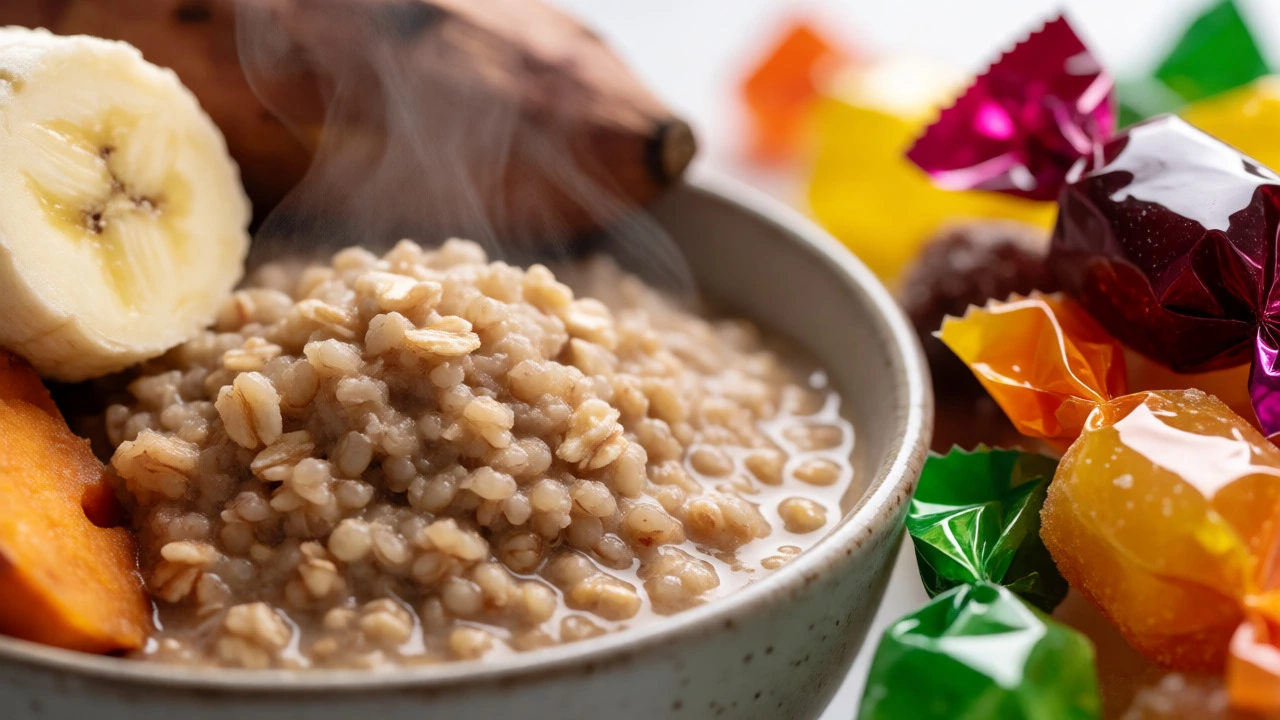
| Food Source | Type | Best Time to Eat | Benefit |
|---|---|---|---|
| Oats | Complex | Breakfast / Pre-workout | Sustained energy, high fiber |
| Bananas | Simple/Complex mix | Pre/Post-workout | Quick electrolytes, easy digestion |
| Sweet Potatoes | Complex | Dinner / Lunch | Vitamin A, stable blood sugar |
| Candy Bar | Simple | Rarely | Instant sugar, no nutrients |
Timing matters here. Eat denser carbs around your workouts when your muscles are most receptive to glucose uptake. At other times, especially if you are sedentary, you might rely more on vegetables and fruits for your carb intake to manage total calories without feeling deprived.
Healthy Fats: Hormonal Health and Satiety
Fat doesn’t make you fat; excess calories do. In fact, cutting fat too aggressively can crash your hormones, particularly testosterone, which is crucial for muscle maintenance and drive. Healthy fats also help absorb fat-soluble vitamins (A, D, E, K) found in many vegetables.
Monounsaturated Fats are healthy fats found in olive oil, avocados, and nuts that support heart health and reduce inflammation. Include these in your daily rotation:
- Avocados: Rich in potassium and monounsaturated fats. Half an avocado provides significant creaminess and satisfaction to meals.
- Extra Virgin Olive Oil: Use it for dressings or low-heat cooking. It’s packed with antioxidants and anti-inflammatory compounds.
- Fatty Fish: Salmon, mackerel, and sardines are rich in Omega-3 fatty acids. Omega-3s are critical for reducing exercise-induced inflammation and supporting joint health.
- Nuts and Seeds: Almonds, walnuts, chia seeds, and flaxseeds. Be careful with portions-a handful is plenty, as they are calorie-dense.
Don’t fear the yolk in your eggs or the skin on your salmon. These natural fats are part of the package that makes the food nutritious and satisfying.
Hydration: The Forgotten Nutrient
You can survive weeks without food but only days without water. Dehydration reduces physical performance by up to 10% before you even feel thirsty. Water is involved in every metabolic process, including fat burning and muscle contraction.
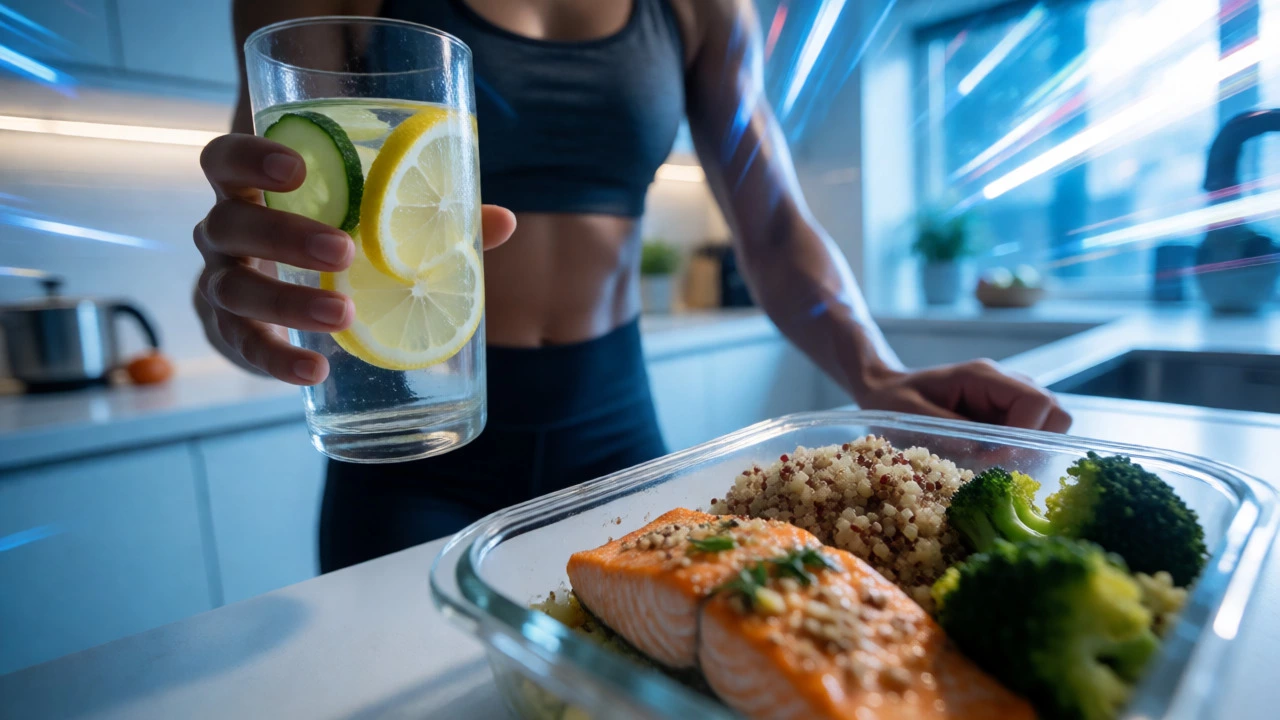
Aim for at least 2.5 to 3 liters of water daily, adjusting for sweat loss during exercise. Coffee and tea count toward hydration, but don’t rely solely on them due to mild diuretic effects. If you find plain water boring, add lemon slices, cucumber, or mint. Electrolytes (sodium, potassium, magnesium) become important if you sweat heavily. A pinch of sea salt in your water post-workout can help replenish what you lost.
Putting It Together: Sample Day of Eating
Knowing what to eat is half the battle; knowing how to combine it is the other half. Here’s a realistic example of a day’s meal plan for someone focused on general fitness and lean muscle maintenance.
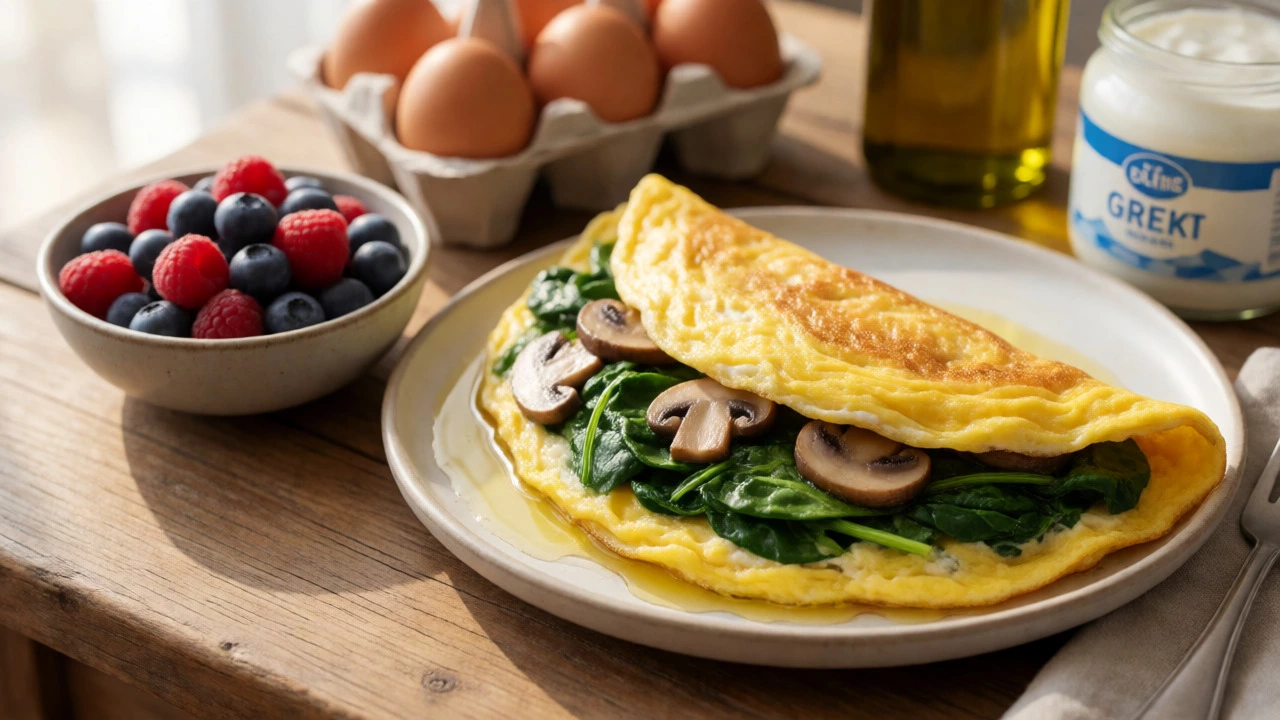
- Breakfast: Omelet with three eggs, spinach, and mushrooms, cooked in a teaspoon of olive oil. Side of berries. This provides high protein, healthy fats, and antioxidants.
- Lunch: Grilled chicken salad with mixed greens, quinoa, cherry tomatoes, cucumber, and an olive oil vinaigrette. Balanced macros with high volume for satiety.
- Snack: Greek yogurt with a tablespoon of almonds and a drizzle of honey. Bridges the gap between lunch and dinner without spiking insulin too much.
- Dinner: Baked salmon with roasted sweet potatoes and steamed broccoli. Omega-3s, complex carbs for recovery, and fiber.
This isn’t rigid. Swap the salmon for tofu, the chicken for turkey, or the sweet potato for brown rice. Flexibility prevents burnout.
Pitfalls to Avoid
Even with good intentions, certain habits sabotage fitness progress. Watch out for liquid calories-juices, sodas, and fancy coffees can add hundreds of invisible calories. Also, beware of "health halos." Just because a bar says "organic" or "gluten-free" doesn’t mean it’s low in sugar or high in protein. Always check the label.
Another trap is perfectionism. One pizza night won’t ruin your progress, just like one salad won’t make you fit. Consistency beats intensity. If you eat well 80% of the time, you’ll see results. Trying to be perfect 100% of the time usually leads to quitting entirely.
FAQ
Do I need supplements to get fit?
No, you don't strictly need them. Whole foods should always come first. However, supplements like whey protein can be convenient for hitting protein targets, and creatine is well-researched for improving strength and power output. Vitamin D is also worth considering if you live in a region with limited sun exposure, such as parts of Australia during winter.
Is eating late at night bad for fitness?
Not necessarily. Total daily calorie intake and macronutrient balance matter more than timing. However, eating large, heavy meals right before bed can disrupt sleep quality, which indirectly affects recovery and hunger hormones. Try to finish large meals 2-3 hours before sleeping.
Can I eat fruit if I'm trying to lose weight?
Yes, absolutely. Fruit contains natural sugars, but it also brings fiber, water, and micronutrients. The fiber slows sugar absorption. Unless you are on a very strict ketogenic diet, moderate fruit consumption supports overall health and satisfies sweet cravings without the added sugars found in desserts.
How much water should I drink during a workout?
Sip water regularly throughout your session. For workouts under an hour, plain water is usually sufficient. For sessions lasting longer than 60-90 minutes, or if you sweat profusely, consider adding electrolytes to prevent cramping and maintain performance.
Are processed meats like deli ham okay for fitness?
Generally, no. Processed meats often contain high levels of sodium, nitrates, and preservatives, and lower quality protein compared to fresh cuts. Occasional consumption is fine, but relying on them as a primary protein source can increase inflammation and water retention.