What Are the 7 Majors in Cycling? A Guide to the Grand Tours and Classics
 Oct, 29 2026
Cycling Majors Explorer
Click on any race below to reveal detailed information about its prestige, location, and unique challenges.
Select a race to view details
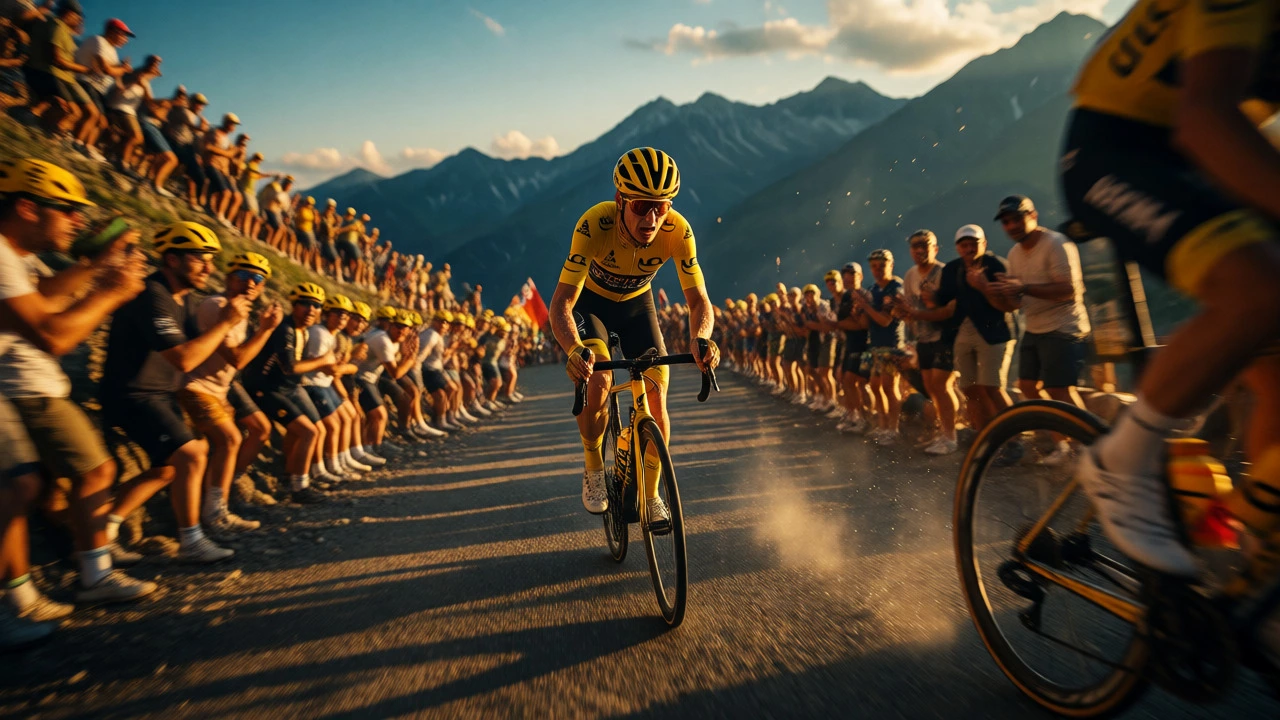
Imagine standing on the cobblestones of Paris-Roubaix, mud splattering your face while thousands scream your name. Or picture yourself cresting Alpe d'Huez in the yellow jersey, legs burning after three weeks of racing. These aren't just dreams-they're the defining moments of professional cycling's biggest stages. But here's the thing: there isn't really a single list of "7 majors" that everyone agrees on. The term gets thrown around loosely, mixing up the three Grand Tours with the five prestigious one-day races known as the Monuments. If you're trying to understand what makes a race truly major, you need to look at history, prestige, and sheer difficulty.
The Big Three: Grand Tours
When people talk about the most important events in cycling, they almost always start with the Grand Tours. These are multi-stage races lasting three weeks each, testing endurance more than any other discipline. There are only three of them, and winning even one puts a rider in the history books forever.
Tour de France is the undisputed king. Founded in 1903, it’s the oldest and most prestigious Grand Tour. Winning the yellow jersey means you’ve conquered mountains, time trials, and sprint finishes across France (and occasionally neighboring countries). Riders cover roughly 3,500 kilometers over 21 stages. It’s not just a race; it’s a cultural phenomenon watched by millions globally.
Then there's the Giro d'Italia. Held in May, this Italian counterpart focuses heavily on brutal mountain passes in the Dolomites and Alps. The pink jersey (maglia rosa) goes to the overall winner. Many riders use the Giro as a warm-up for the Tour, but some specialists dedicate their entire careers to conquering Italy’s punishing climbs.
Finally, we have the Vuelta a España. This Spanish tour takes place in August and September. Historically seen as the "third wheel," it has gained massive respect in recent years due to its steep, short climbs and unpredictable weather. The red jersey (maillot rojo) is just as coveted as the others. Egan Bernal’s dramatic comeback win in 2024 proved the Vuelta can deliver heart-stopping drama.
The Five Monuments: One-Day Legends
If Grand Tours test stamina, the Monuments of Cycling test nerve. These are the five oldest and hardest one-day races. They don’t have stage winners or jerseys; there’s just first place and everyone else. Collecting all five is considered the holy grail for road racers.
- Milan-San Remo: Known as "La Primavera," this is the longest race on the pro calendar, stretching nearly 300km. It usually ends in a sprint, making it tricky for climbers.
- Tour of Flanders: Set in Belgium, this race features cobbled hills called "muren." It’s chaotic, muddy, and favors strong classics specialists who can handle rough terrain.
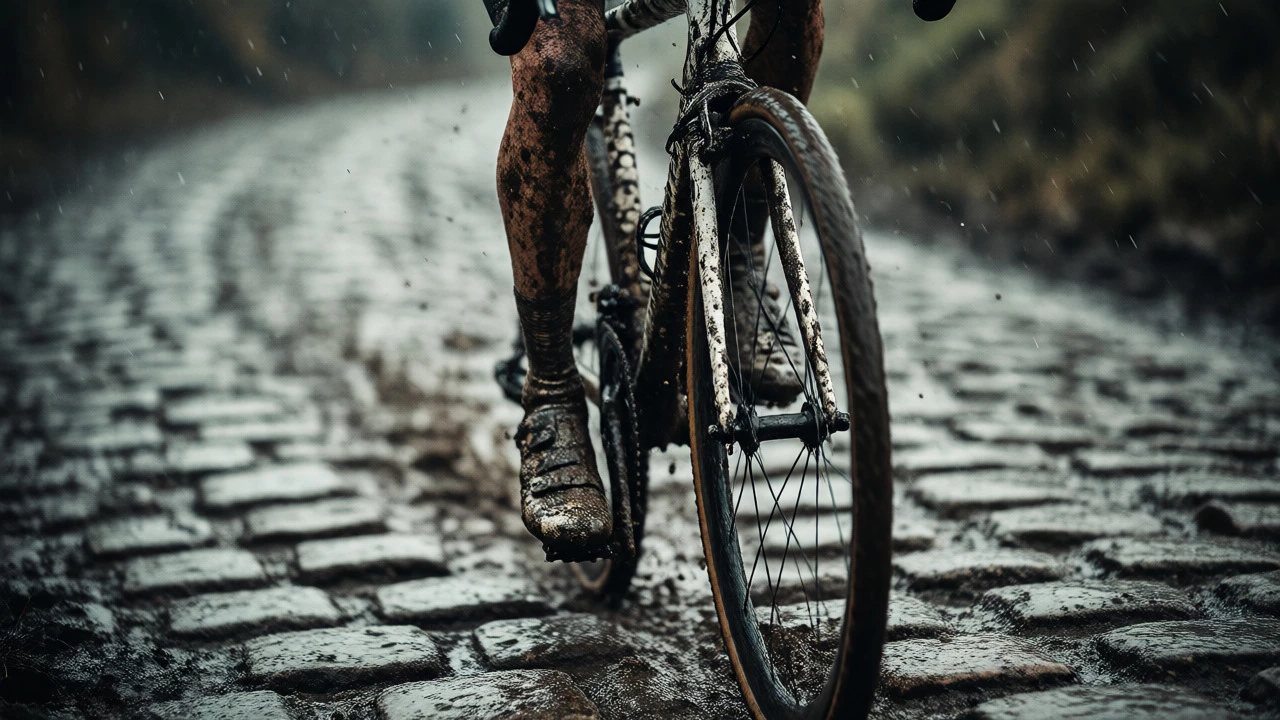
- Paris-Roubaix: The "Hell of the North" is famous for its pavé sectors-sections of ancient cobblestones that shake bikes apart. Finishers get a stone plaque from the velodrome where they cross the line.
- Liege-Bastogne-Liege: The oldest classic, held in April. It features long, steady climbs in the Ardennes region. Pure climbers often shine here because the hills last several kilometers.
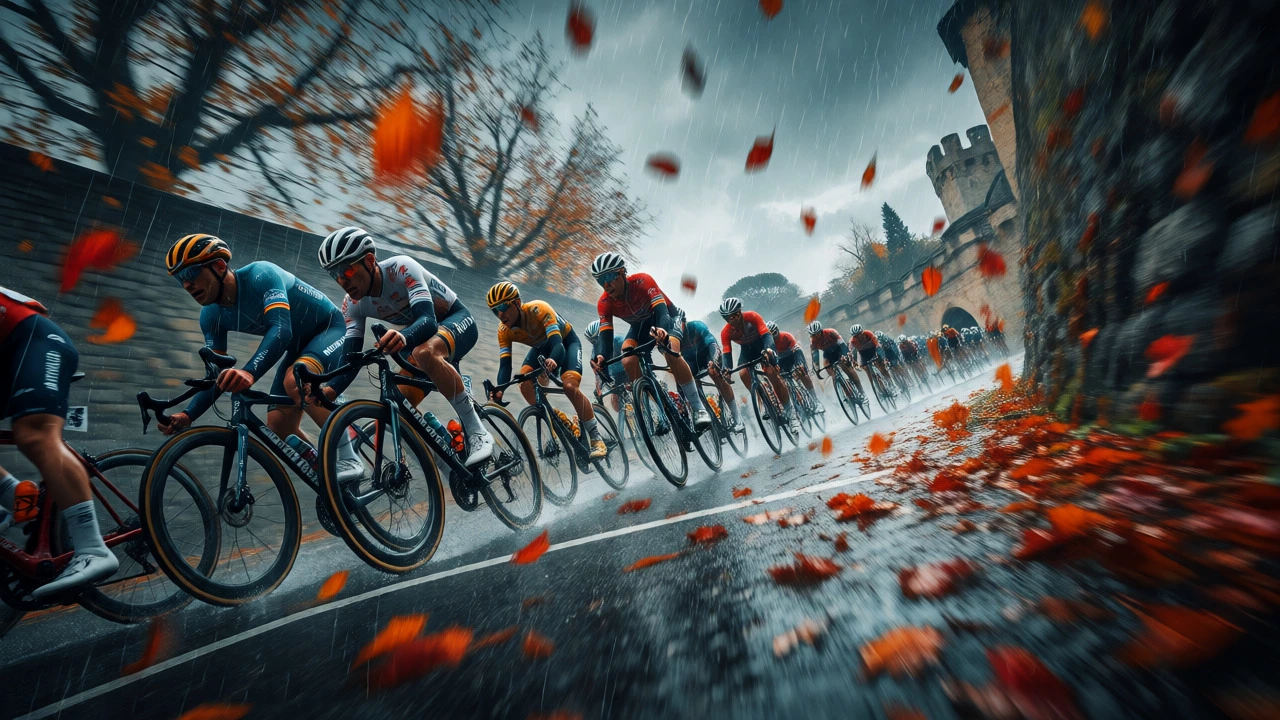
- Il Lombardia: Also called "The Race of the Falling Leaves," this autumn classic in Italy combines technical descents with steep ascents like the Madonna del Ghisallo. It’s the final Monument of the season.
| Race Name | Type | Location | Key Feature | Jersey/Prize |
|---|---|---|---|---|
| Tour de France | Grand Tour | France | Prestige & Global Reach | Yellow Jersey |
| Giro d'Italia | Grand Tour | Italy | High Mountain Climbs | Pink Jersey |
| Vuelta a España | Grand Tour | Spain | Steep, Short Climbs | Red Jersey |
| Milan-San Remo | Monument | Italy | Longest Pro Race | Winner Only |
| Tour of Flanders | Monument | Belgium | Cobbled Hills | Winner Only |
| Paris-Roubaix | Monument | France | Pavé Cobblestones | Stone Plaque |
| Liege-Bastogne-Liege | Monument | Belgium | Ardennes Climbs | Winner Only |
| Il Lombardia | Monument | Italy | Autumn Finale | Winner Only |
Why These Races Matter More Than Others
You might wonder why the World Championships or smaller week-long races don't make this list. It comes down to tradition and consistency. The UCI World Championship changes location every year and uses different courses, which makes it harder to build a legacy around specific skills. In contrast, the Monuments happen in the same places with similar challenges year after year. Riders study these routes for decades. Think of Tom Boonen, who won Paris-Roubaix four times-that kind of dominance requires deep local knowledge that generic world titles don't demand.
Also, the media coverage for these seven events dwarfs everything else. When Tadej Pogačar attacks on a climb during the Tour de France, it trends worldwide. When he wins a minor race in Poland, it barely makes the news outside of cycling forums. Visibility drives sponsorship money, which drives team budgets, which determines which races teams prioritize sending their best riders to. It’s a cycle of prestige that reinforces the status of these majors.
How to Watch and Follow the Majors
If you want to dive into watching, timing is key. The season follows a logical flow. Spring brings the Monuments, starting with Milan-San Remo in March. Then come the cobbled classics in April. Summer belongs to the Grand Tours: Giro in May-June, Tour in July, and Vuelta in August-September. Il Lombardia closes out the classics in October.
Streaming options vary by country. In Australia, Stan Sport covers most European races. In the US, Peacock and NBC Sports hold rights. Europe varies by nation, with Eurosport being the dominant broadcaster. Don't rely solely on TV highlights; live radio commentary offers incredible insight into tactics that cameras miss. Apps like FloBikes or GCN+ provide comprehensive archives if you miss a stage.
Common Misconceptions About "Major" Races
One big myth is that all big races are equal. They’re not. A win at the Tour de France carries more weight than a win at the Critérium du Dauphiné, even though Dauphiné is tough. Another misconception is that Grand Tours are only for climbers. Sprinters play crucial roles too, fighting for green jerseys and stage wins. Mark Cavendish, despite being a pure sprinter, is considered a legend because of his record-breaking Tour stage victories.
Also, people often confuse "Classics" with "Monuments." All Monuments are Classics, but not all Classics are Monuments. Races like Gent-Wevelgem or Amstel Gold Race are prestigious, but they lack the historical weight of the top five. Knowing this distinction helps you appreciate why certain victories feel bigger than others.
Are there exactly 7 major cycling races?
Not officially. The term "majors" is informal. However, fans generally group the three Grand Tours (Tour de France, Giro d'Italia, Vuelta a España) and the five Monuments (Milan-San Remo, Tour of Flanders, Paris-Roubaix, Liege-Bastogne-Liege, Il Lombardia) together as the most prestigious events. That makes eight, not seven, but the confusion often arises because people forget one or mix categories.
Which is harder: a Grand Tour or a Monument?
They test different attributes. Grand Tours require exceptional endurance and recovery over 21 days. Monuments require explosive power, tactical sharpness, and resilience against bad weather and crashes in a single day. Many greats specialize in one but rarely both.
Can a rider win all seven major races?
No rider has ever won all three Grand Tours and all five Monuments in their career. Eddy Merckx came closest, winning all three Grand Tours and all five Monuments, but he did so over many years. Modern specialization makes this nearly impossible today.
What is the most prestigious cycling race?
The Tour de France is widely considered the most prestigious. Winning it defines a career. Among one-day races, Paris-Roubaix holds special reverence due to its brutality and unique finish in the Roubaix Velodrome.
Do women have equivalent major races?
Yes. Women now compete in the Tour de France Femmes, Giro d'Italia Donne, and La Vuelta Femenina. The Women's Monuments also exist, including Strade Bianche, Tour of Flanders, Paris-Roubaix, Liège-Bastogne-Liège, and Il Lombardia, mirroring the men's calendar closely.