How to Lose Fat ASAP: The No-BS Guide to Rapid Results
 Nov, 16 2026
Rapid Fat Loss Calculator
Enter your details below to get your personalized nutrition targets for losing fat ASAP without wrecking your metabolism.
You want results now. Not in three months, not after the holidays, but as soon as possible. You’ve probably tried skipping meals or running until your knees scream, yet the scale barely moves. Here is the hard truth: losing fat fast isn’t about magic pills or extreme starvation. It’s about manipulating biology with precision. If you are willing to be uncomfortable for a few weeks, you can strip body fat efficiently without wrecking your metabolism. But you need to stop guessing and start executing.
The Math Behind Melting Fat
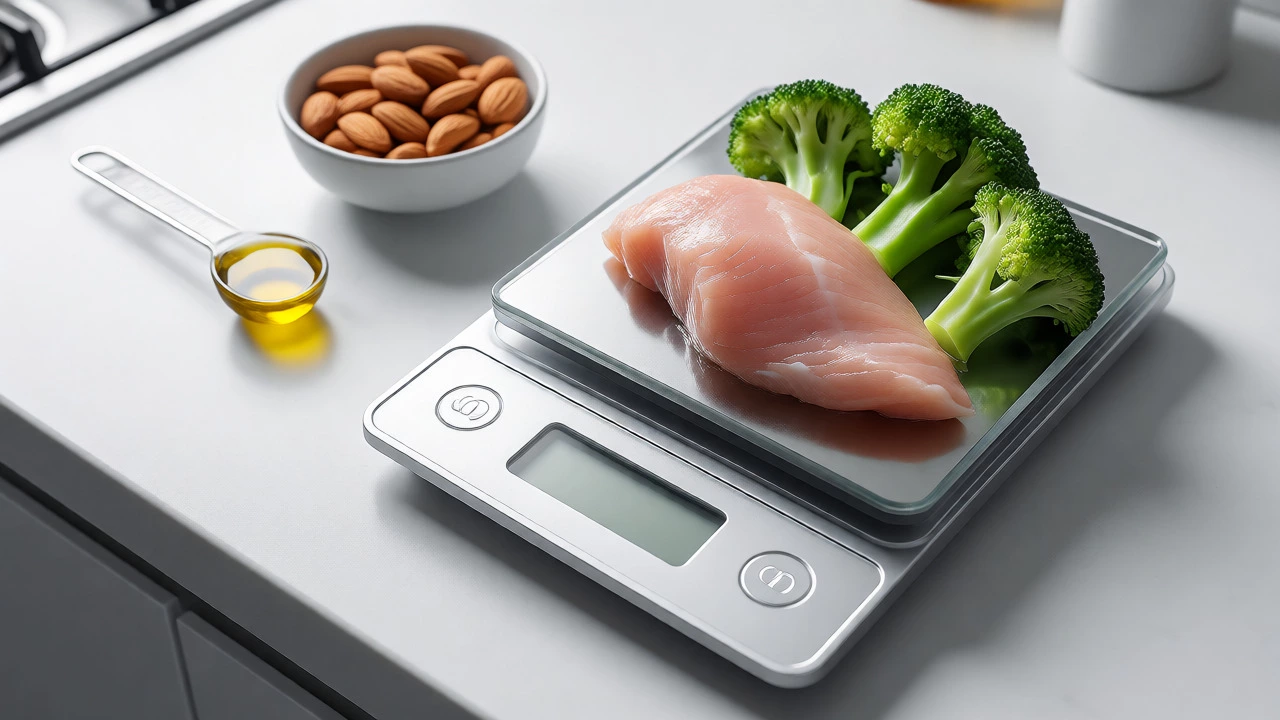
Fat loss is non-negotiable math. You cannot out-train a bad diet. To lose fat, you must consume fewer calories than you burn. This is called an energy deficit. For most people, cutting 500 calories below their maintenance level results in losing about half a kilogram of fat per week. Want it faster? Aim for a larger deficit, but don’t go crazy. Drop too low, and your body panics, holding onto every gram of fat while burning muscle for fuel. Caloric Deficit is a state where daily energy intake is lower than total daily energy expenditure (TDEE), forcing the body to use stored fat for energy. To calculate this quickly, take your body weight in kilograms and multiply by 33. That’s a rough estimate of your maintenance calories. Subtract 500 from that number. That’s your target. If you weigh 80kg, aim for roughly 2,140 calories. Track this using an app like MyFitnessPal or Cronometer for at least two weeks. Guessing doesn’t work. People consistently underestimate how much they eat by 30% or more. A handful of nuts looks small but packs 300 calories. A splash of olive oil adds another 120. Precision matters when speed is the goal.
Prioritize Protein to Protect Muscle
When you cut calories, your body looks for easy energy sources. Unfortunately, muscle tissue is metabolically expensive, so your body wants to break it down first. This ruins your shape and slows your metabolism. The fix? Eat protein. High protein intake keeps you full and signals your body to keep muscle intact while burning fat. Aim for 1.6 to 2.2 grams of protein per kilogram of body weight. If you weigh 70kg, that’s between 112g and 154g of protein daily. Spread this across four meals. Why? Your body has a limit on how much protein it uses for muscle synthesis at once. Eating 150g in one sitting wastes some potential benefit. Instead, have 40g at breakfast, lunch, dinner, and a snack. Good sources include chicken breast, white fish, egg whites, lean beef, tofu, and whey isolate. Avoid fatty cuts of meat if you’re in a rush; they add unnecessary calories. Protein also has a high thermic effect. Your body burns up to 30% of the calories in protein just digesting it. Compare that to carbs (5-10%) or fats (0-3%). You literally burn more calories eating steak than you do eating rice.
Lift Heavy Weights to Boost Metabolism
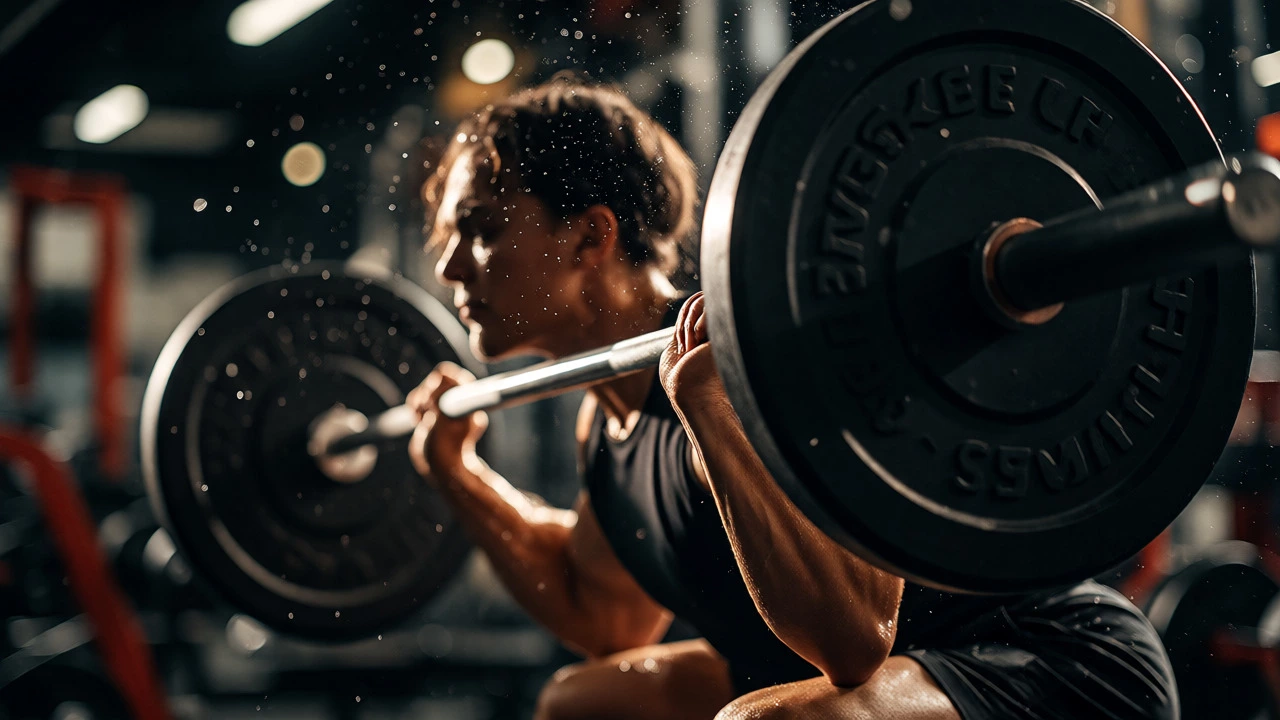
Cardio is popular for fat loss, but lifting weights is superior. Why? Cardio burns calories while you do it. Lifting weights burns calories during the workout and creates an "afterburn" effect where your metabolism stays elevated for hours as muscles repair. Plus, building muscle increases your resting metabolic rate. More muscle means you burn more calories sitting on the couch. Focus on compound movements. These exercises use multiple joints and muscle groups, recruiting maximum muscle fiber. Squats, deadlifts, bench presses, overhead presses, and pull-ups are your best friends. Forget isolation exercises like bicep curls for now. They don’t move enough weight to trigger significant metabolic change. Train three to four times a week. Keep rest periods short-under 90 seconds-to keep your heart rate up. This turns your strength session into a hybrid cardio-strength workout. Use progressive overload. Try to lift slightly heavier or do one more rep each week. If you aren’t getting stronger, you aren’t stimulating muscle retention. Resistance Training is exercise that causes muscles to contract against external resistance to increase muscular strength, endurance, and hypertrophy. Don’t fear heavy weights. Women won’t bulk up overnight due to lower testosterone levels. Men will look denser, not bulky, because they are in a caloric deficit. You are sculpting, not bulking.
Add HIIT for Maximum Calorie Burn
If you have extra time, add High-Intensity Interval Training (HIIT). This involves short bursts of all-out effort followed by brief recovery periods. Unlike steady-state jogging, which takes an hour to burn 400 calories, a 20-minute HIIT session can torch the same amount. It’s efficient and brutal. Try this simple protocol: Sprint for 30 seconds, walk for 60 seconds. Repeat for 15 minutes. Do this twice a week after your weight sessions or on separate days. Don’t do it before lifting; you’ll be too tired to lift heavy. Save HIIT for post-workout or off-days. Be careful not to overdo it. Too much HIIT spikes cortisol, the stress hormone. High cortisol can cause water retention and make you feel puffy, masking fat loss. Two sessions a week are plenty. Listen to your body. If your joints ache or sleep suffers, dial back the intensity.
Manage Water Weight and Bloating
Sometimes you lose fat, but the scale doesn’t move because you’re holding water. Sodium, carbohydrates, and stress cause water retention. Carbs hold water in muscles (glycogen stores). When you cut carbs drastically, you drop water weight quickly. This is why low-carb diets show immediate results-it’s mostly water. If you want to look leaner fast, manage sodium. Keep it under 2,300mg a day. Drink plenty of water-3 to 4 liters daily. Paradoxically, drinking more water helps flush out excess sodium and reduces bloating. Cut out processed foods, which are loaded with hidden salt and preservatives. Stick to whole foods. They naturally balance electrolytes. Also, check your sleep. Poor sleep raises ghrelin (the hunger hormone) and lowers leptin (the satiety hormone). You’ll crave sugar and junk food if you sleep less than seven hours. Fix your sleep hygiene, and your appetite controls itself. No willpower required.
The Role of NEAT in Daily Movement
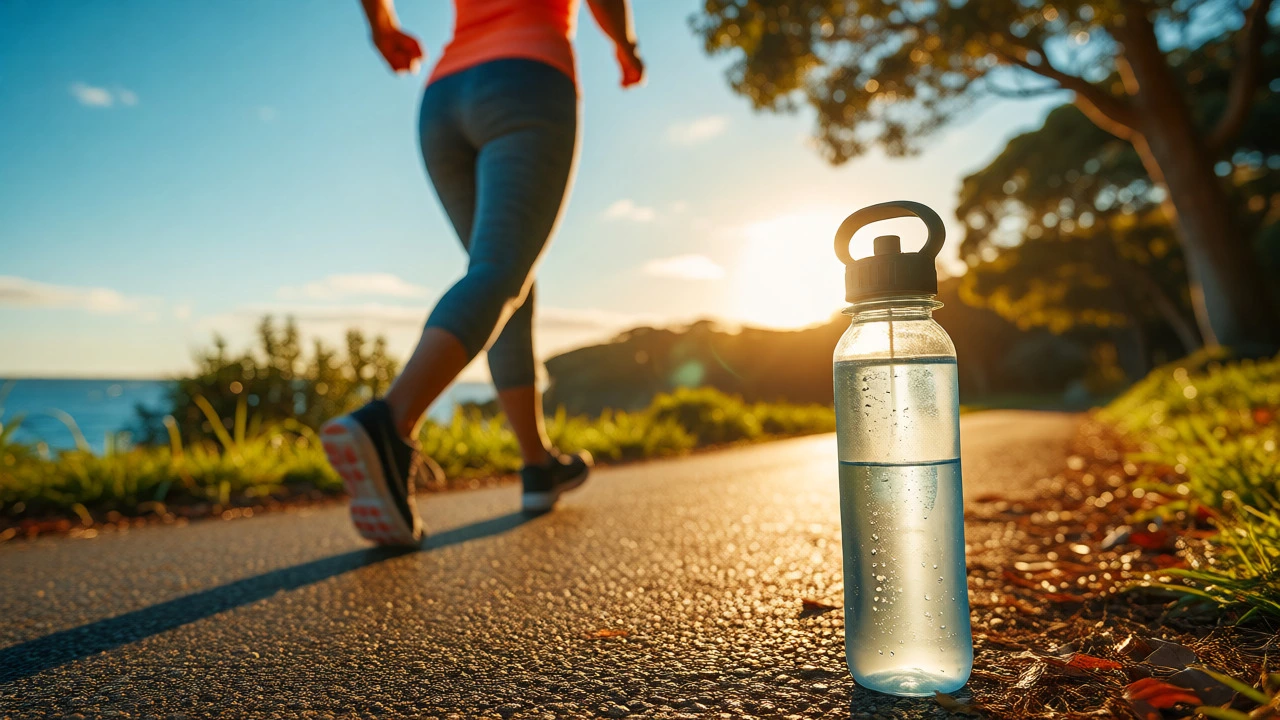
Non-Exercise Activity Thermogenesis (NEAT) accounts for all movement outside formal exercise. Walking, standing, fidgeting, cleaning. For many people, NEAT makes up a huge chunk of daily calorie burn. Sitting at a desk all day kills fat loss progress. Aim for 10,000 steps a day. This sounds cliché, but it works. Walking is low-stress, doesn’t spike hunger, and burns significant calories over time. Take calls while walking. Park further away. Take the stairs. These small changes add up to hundreds of calories burned weekly. In Sydney, we have great weather year-round. Use it. Walk to the local shops instead of driving. Your body was designed to move, not sit.
| Method | Speed of Results | Muscle Retention | Sustainability |
|---|---|---|---|
| Starvation Diet | Very Fast | Poor (High Muscle Loss) | Low (Rebound Likely) |
| Steady-State Cardio Only | Slow | Moderate | Moderate |
| High Protein + Strength + Deficit | Fast | Excellent | High |
| Keto / Low Carb | Fast (Initial Water Drop) | Variable | Medium (Social Difficulties) |
Avoid Common Pitfalls
Stop weighing yourself multiple times a day. Weight fluctuates based on hydration, bowel contents, and hormonal cycles. Weigh yourself first thing in the morning, after using the bathroom, and take the average over a week. Look for trends, not daily blips. Don’t rely on "fat-burning" supplements. Caffeine helps performance, but green tea extract or CLA won’t melt pounds if your diet is messy. Save your money for good quality food and gym membership. Finally, be patient with stubborn areas. Men store fat in the belly; women in hips and thighs. These areas are often the last to slim down. Genetics dictate where you lose fat first. You can’t spot-reduce belly fat by doing crunches. Crunches build muscle underneath the fat. You still need the overall calorie deficit to reveal the abs.
Your Weekly Plan
- Monday: Full Body Strength (Squat focus) + 10k Steps
- Tuesday: Upper Body Strength (Push/Pull) + 10k Steps
- Wednesday: Active Recovery (Walk/Yoga) + 10k Steps
- Thursday: Lower Body Strength (Deadlift focus) + 10k Steps
- Friday: Upper Body Strength + HIIT (15 mins)
- Saturday: Long Walk or Hike + 10k Steps
- Sunday: Rest + Meal Prep for next week
Can I lose fat without going to the gym?
Yes, but it is harder. Gym access allows for progressive overload with weights, which preserves muscle better. Without a gym, you can use bodyweight exercises (pushups, squats, lunges) and household items for resistance. However, tracking calories becomes even more critical since you burn fewer calories through intense lifting.
How much water should I drink to lose fat?
Aim for 3 to 4 liters per day. Drinking water before meals can reduce calorie intake by making you feel fuller. Adequate hydration also supports kidney function, helping to filter out waste products from fat breakdown.
Is intermittent fasting necessary for fast fat loss?
No. Intermittent fasting is just a tool to help control calorie intake. It works for some people by restricting the eating window, making it easier to skip snacks. If you prefer three square meals, stick to them. Total calories matter more than timing.
Why am I not losing weight despite exercising?
You are likely eating back the calories you burned. Exercise increases hunger, leading to unconscious snacking. Also, beginners often gain muscle while losing fat, keeping weight stable. Measure waist circumference and take photos to track true fat loss rather than relying solely on the scale.
What are the best foods to eat for rapid fat loss?
Focus on volume eating: leafy greens, cruciferous vegetables (broccoli, cauliflower), lean proteins (chicken, turkey, white fish), and berries. These foods are high in fiber and water but low in calories, allowing you to eat large portions without exceeding your calorie budget.