Boxing Blows Explained: Names, Types, and Techniques
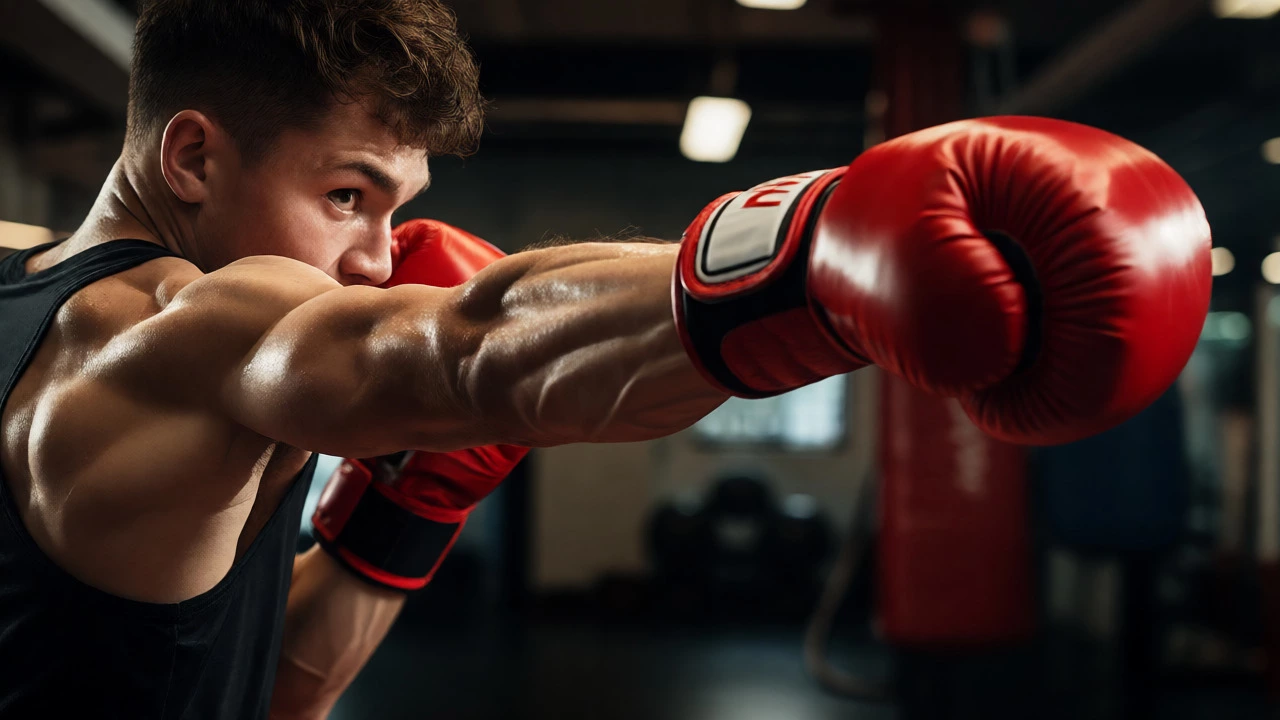 Oct, 11 2026
Boxing Punch Identifier & Combo Builder
Current Combination
Punch Reference Guide
| Notation | Name | Hand | Trajectory | Primary Target |
|---|
*Note: Notation assumes an Orthodox stance (left hand lead). For Southpaws, swap left/right hands but keep the trajectory logic identical.
You’re watching a fight on TV. The commentator yells, "Oh! What a beautiful left hook to the liver!" You nod along, but deep down, you’re thinking: Wait, what exactly is a left hook? How is it different from an uppercut? If you’ve ever felt confused by the rapid-fire names thrown around in the ring, you aren’t alone. Understanding boxing blows, or more commonly known as boxing punches, is the first step to truly appreciating the sweet science.
Boxing isn’t just about throwing hands wildly. Each strike has a specific name, a distinct trajectory, and a strategic purpose. Whether you are a beginner looking to join your local gym in Sydney or a fan trying to decode the action at the arena, knowing the vocabulary changes everything. Let’s break down the essential punches, why they are named that way, and how they fit into a fighter’s arsenal.
The Four Core Punches Every Fighter Must Know
At the heart of boxing lie four fundamental strikes. These are the building blocks for every combination, defense, and counter-attack you will see in professional matches. While there are dozens of variations, mastering these four gives you 90% of the offensive capability you need.
| Punch Name | Trajectory | Primary Target | Key Mechanic |
|---|---|---|---|
| Jab | Straight line (lead hand) | Face, eyes, nose | Speed and reach; measures distance |
| Cross | Straight line (rear hand) | Chin, temple | Power generated from hip rotation |
| Hook | Arcing horizontal path | Temple, jaw, ribs | Elbow bent at 90 degrees; rotational power |
| Uppercut | Vertical upward arc | Chin, solar plexus | Rising from below; disrupts forward momentum |
The Jab: Your First Line of Defense and Offense
The jab is a straight punch thrown with the lead hand (left hand for orthodox fighters, right for southpaws). It is often misunderstood as a weak tap, but in skilled hands, it is the most important weapon in boxing. Why? Because it keeps opponents at bay. Think of it like a fence post-you use it to keep the other person away while you look for an opening.
Unlike power shots, the jab relies on speed and snap. A good jab doesn’t necessarily hurt; it blinds. By targeting the bridge of the nose or the eyes, a fighter can obscure their opponent's vision, making it hard to see incoming attacks. It also acts as a measuring tool. If your jab lands comfortably, you know you are within range for harder hits. If it falls short, you need to move in.
The Cross: The Power Shot
If the jab is the scout, the cross is the soldier. Thrown with the rear hand, this punch travels in a straight line across the body, hence the name. The power here comes from the ground up. You push off your back foot, rotate your hips, and drive your shoulder forward.
The cross is typically aimed at the chin or the side of the head. Because it involves significant body rotation, it leaves you momentarily open if you miss. This is why you rarely see a lone cross. It usually follows a jab. The sequence-jab, then cross-is the most common combination in history because the jab sets up the timing for the cross.
The Hook: The Angle Changer
Most beginners struggle with the hook. They think it’s a swinging motion, like a baseball bat. It’s not. A proper hook is a compact, rotational punch where the elbow stays fixed at roughly 90 degrees. The fist travels in a semi-circle toward the side of the head.
This punch is deadly because it bypasses the guard. When a fighter raises their gloves to protect their face, the sides of the head become vulnerable. A well-timed hook to the temple can shut off the lights instantly. Hooks can be thrown with either hand, but the lead hook is particularly tricky to master because it requires shifting weight forward without losing balance.
The Uppercut: The Inside Threat
When fighters get close, straight punches lose their leverage. That’s when the uppercut shines. This punch rises vertically from below, aiming for the chin or the soft tissue under the ribcage. It exploits the gap between an opponent’s elbows when they try to hug or clinch.
Uppercuts are notorious for causing knockouts to the body. A sharp shot to the solar plexus forces the air out of the lungs, creating a sensation akin to being winded. However, throwing an uppercut exposes your own chin, so it must be used strategically, often after slipping a punch or ducking under a swing.
Beyond the Basics: Advanced Strikes and Variations
Once you grasp the core four, you’ll start hearing terms like overhand, smash, and check hook. These aren’t random slang; they describe specific technical adjustments.
The overhand right is a looping punch that arcs over the top of the opponent’s guard. Fighters like Mike Tyson and Deontay Wilder have built careers on this single strike. It looks messy, almost like a haymaker, but when timed correctly, it generates massive force by using gravity and body weight. Unlike the cross, which goes straight through, the overhand drops onto the target.
Then there is the check hook. This is a defensive maneuver disguised as an offense. Imagine your opponent charges at you. Instead of backing away, you pivot on your front foot, turning sideways while throwing a hook. You effectively spin out of their way while landing a shot on their advancing jaw. It’s a high-IQ move that turns their aggression against them.
Don’t forget the smash or shovel hook. This is a hybrid between a hook and an uppercut. The arm is angled downward, allowing the fighter to land heavy shots on the body or inside the guard. It’s less flashy than a headshot but brutal in its efficiency.
Why Do We Call Them "Blows"?
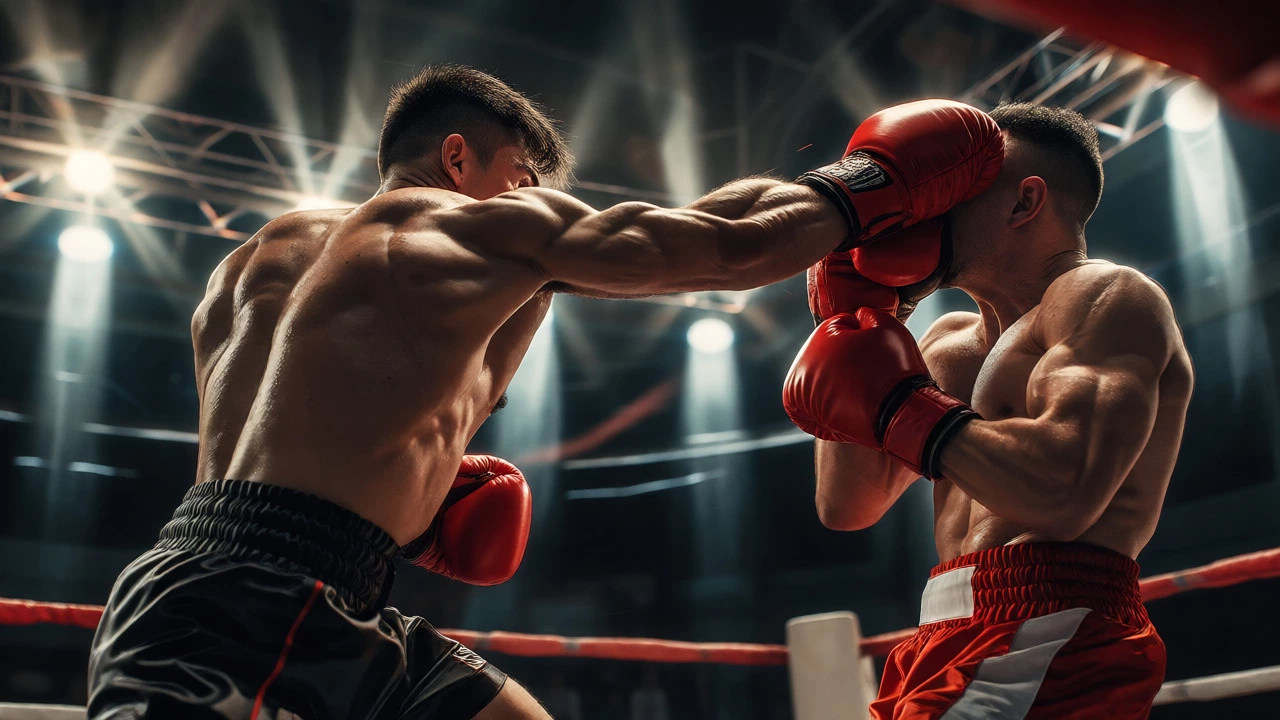
You might wonder why the title asks about "blows" rather than just "punches." In combat sports, the term blow is a broader category that includes any strike delivered with the fist. Technically, a slap or a hammer fist could be considered a blow, though they are illegal in modern Olympic-style boxing.
The distinction matters because of scoring. Judges score clean, effective punches. A "clean blow" means the knuckles made contact with the allowed area (front and sides of the head above the cheekbone, and the torso). If a fighter throws a wild swing that grazes the ear, it might not count. If they throw a precise jab that snaps the head back, it scores. Understanding this helps you watch fights differently. You stop watching for volume and start watching for precision.
Common Mistakes Beginners Make With Naming
One frequent error is confusing the "one-two" with the "one-three." In boxing notation, numbers often correspond to punches:
- 1: Jab
- 2: Cross
- 3: Lead Hook
- 4: Rear Hook
- 5: Uppercut
So, a "1-2" is a jab-cross. A "1-3" is a jab-hook. Many new boxers call a rear hook a "back hook," which is technically correct but rarely used in coaching shorthand. Coaches want brevity. During a heated match, shouting "throw the three!" is faster than "throw the lead hook."
Another mistake is misidentifying the angle. A punch thrown horizontally is a hook. A punch thrown diagonally upward is an uppercut. If you throw a punch that curves too much, it becomes a "swing," which judges penalize for lack of technique. Keeping your punches tight and direct is key to both scoring and power generation.
How to Practice Identifying Blows
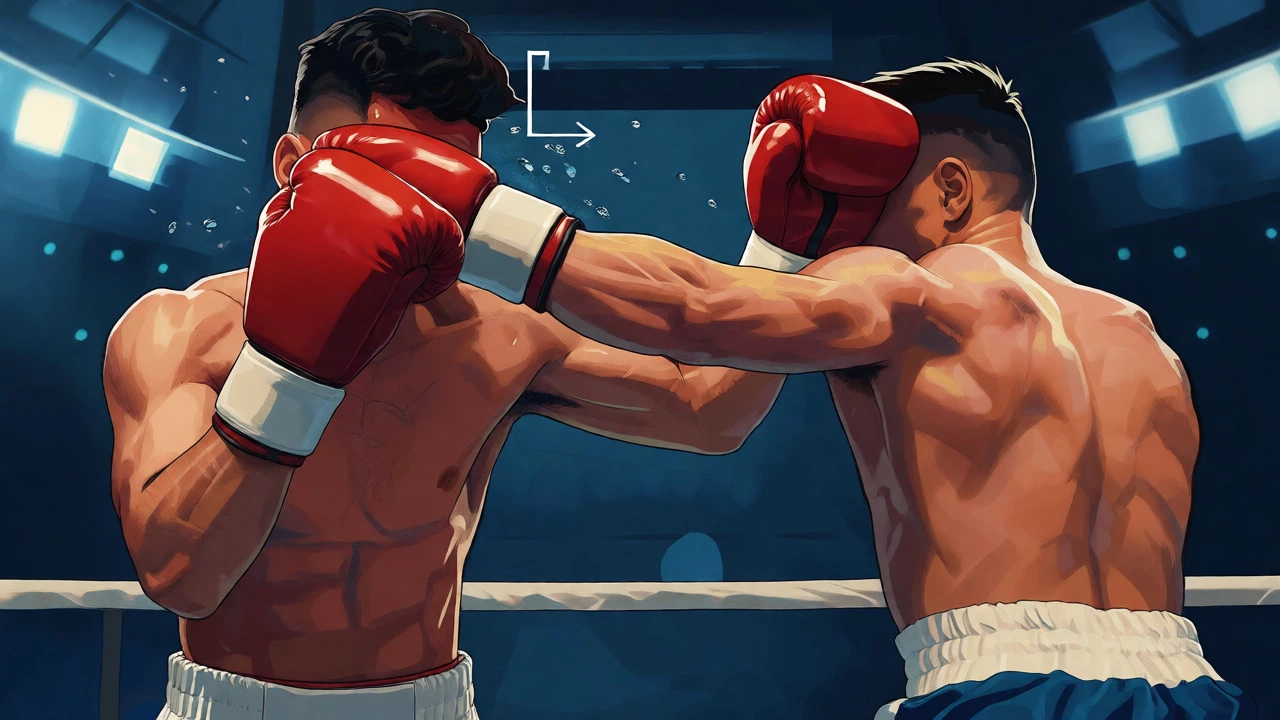
You don’t need to wear gloves to learn the names. Start by watching replays of classic fights. Look for slow-motion clips of Muhammad Ali or Floyd Mayweather. Pause the video when a punch lands. Ask yourself: Was it straight? Did it curve? Did it come from below?
Try shadowboxing in front of a mirror. Throw a jab and watch your shoulder alignment. Throw a hook and ensure your elbow isn’t dropping. If you can’t feel the mechanics, you won’t recognize them in others. Physical engagement cements the theoretical knowledge.
For those training in Sydney, many gyms offer introductory classes that focus heavily on form before sparring. Don’t rush the process. Learning to throw a crisp jab takes months, not minutes. But once you do, you’ll realize that boxing is less about brute strength and more about geometric precision.
Related Concepts: Defense and Counters
Understanding blows is incomplete without understanding how they are countered. Every punch has a weakness. The jab can be slipped to the outside. The cross can be parried. The hook can be blocked with the forearm.
Counter-punching is the art of responding immediately after evading a blow. For example, if an opponent throws a wide overhand right, you duck under it and fire a left hook to the body. This transition from defense to offense is where the sport becomes chess-like. You aren’t just reacting; you are predicting.
What is the difference between a jab and a cross?
The primary difference lies in which hand throws them and their purpose. The jab is thrown with the lead hand (left for orthodox) and focuses on speed, range-finding, and blinding the opponent. The cross is thrown with the rear hand (right for orthodox) and focuses on power, utilizing full body rotation to deliver a heavier impact to the chin or temple.
Why is the uppercut considered dangerous?
The uppercut is dangerous because it targets vulnerable areas like the chin and solar plexus from an unexpected vertical angle. It works best when fighters are in close quarters, where straight punches lack leverage. A solid uppercut to the body can cause intense pain and temporary paralysis of the diaphragm, making it difficult for the opponent to breathe.
Are all punches called "hooks" the same?
No. While all hooks share a similar arcing trajectory, they differ by hand and target. A lead hook is thrown quickly to catch opponents off guard, often targeting the temple. A rear hook is slower but carries more power due to greater body mass involvement. Additionally, hooks can be aimed at the head or the body (liver shot), each requiring slight adjustments in height and angle.
What does "clean blow" mean in scoring?
A "clean blow" refers to a punch that lands squarely on the legal target area (front/sides of head and torso) with the knuckle part of the glove, without being blocked or deflected. Judges award points based on clean, effective punches. Wild swings that graze the opponent or land on the arms generally do not score, even if they look powerful.
Can I learn boxing punches without a coach?
You can learn the basic mechanics and names on your own using mirrors and online resources. However, correcting subtle errors in hip rotation, foot placement, and wrist alignment is difficult without feedback. A coach ensures you develop safe habits, preventing injuries like wrist strains or shoulder impingements that often result from poor form.