Why Are Hokas So Great? The Science Behind the Hype
 Oct, 26 2026
Hoka Shoe Finder & Fit Calculator
Answer a few questions about your running habits and physical needs to find the perfect Hoka model from our guide.
1. What is your primary use?
2. Do you have any specific issues?
3. Your Running Style
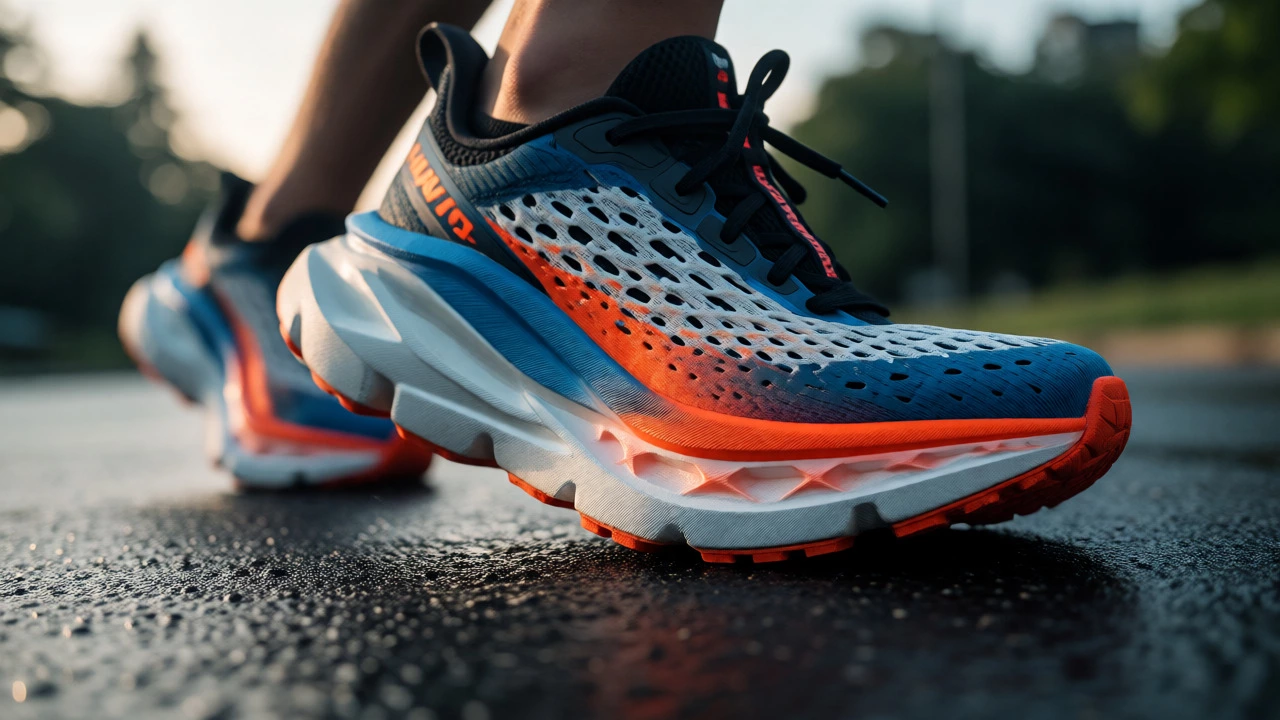
You see them everywhere now. On the start lines of major marathons, in local park loops, and even on the feet of people just walking to the coffee shop. They look like marshmallows that gained structural integrity. But Hoka isn't just a trend or a fashion statement; it is a legitimate engineering shift in how we think about impact absorption. If you've ever wondered why half your running club switched from traditional thin-soled racers to these chunky platforms, the answer lies in physics, not marketing fluff.
The core appeal of Hoka is simple: they remove pain. Not just the immediate discomfort of a hard pavement strike, but the cumulative fatigue that builds up over miles. This article breaks down exactly why these shoes work, who they are actually for, and whether you should join the cult of the big sole.
Understanding the Maximalist Design Philosophy
To understand why Hokas feel different, you have to look at what came before. For decades, running shoe orthodoxy favored minimalism. The logic was that less material meant more ground feel, stronger foot muscles, and better form. Then came the maximalist revolution, spearheaded by Hoka One One, founded in 2009 in Annecy, France. Their founders, Jean-Luc Diard and Nicolas Mermoud, were former Salomon executives who wanted to help downhill trail runners reduce impact without sacrificing speed.
They achieved this by increasing stack height-the amount of foam between your foot and the ground-while keeping the weight surprisingly low. A typical modern Hoka Clifton might have a stack height of 33mm in the heel, compared to the 10-15mm found in traditional racing flats. That extra foam does one critical job: it dissipates kinetic energy before it reaches your joints.
| Feature | Traditional Runner | Hoka (e.g., Bondi/Clifton) |
|---|---|---|
| Stack Height | Low (8-15mm) | High (29-33mm+) |
| Weight | Light to Moderate | Moderate (optimized for volume) |
| Drop | Variable (0-12mm) | Consistent Low Drop (4-8mm) |
| Primary Benefit | Ground Feel & Speed | Impact Protection & Comfort |
The Meta-Rocker: Why You Don't Feel Like a Clown
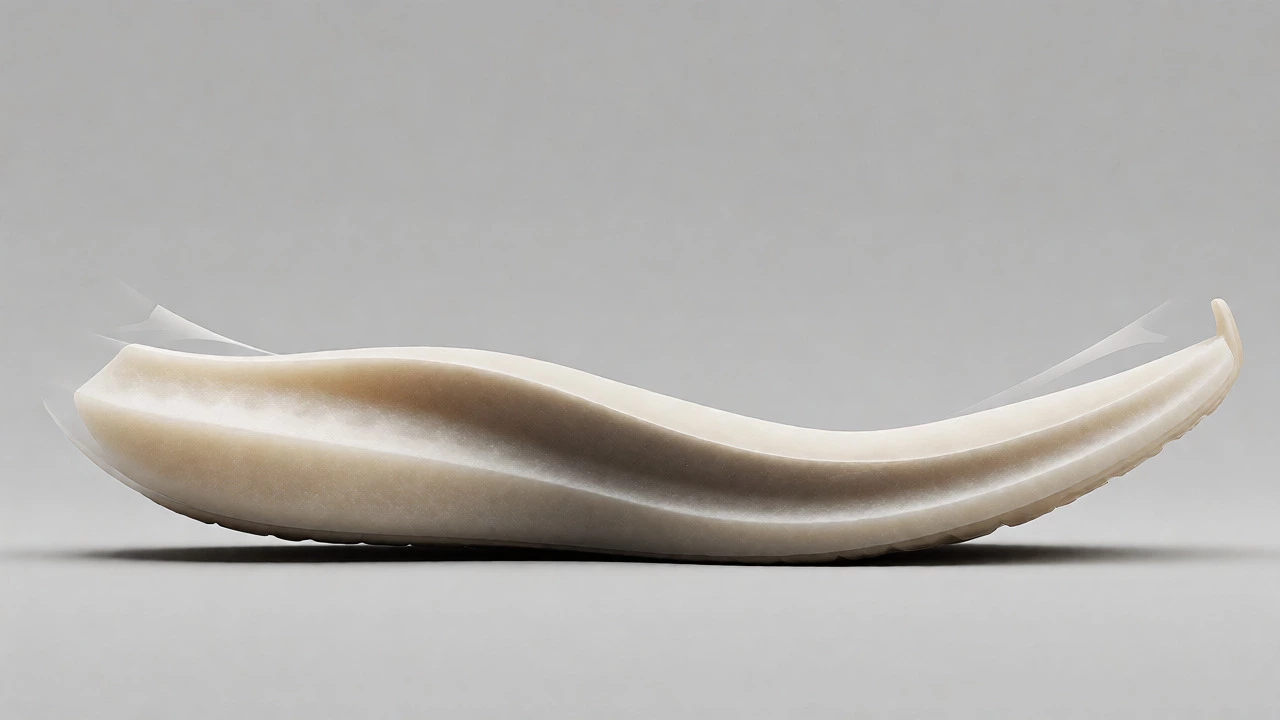
If you only had thick foam, you'd feel unstable, like you're running on pillows. The secret sauce that makes Hokas great is the Meta-Rocker. This is a specific geometric design where the sole curves upward at both the toe and the heel. Instead of your foot rolling flatly across the ground, the curved shape guides your gait through a smooth transition from heel strike to toe-off.
This design reduces the strain on your calves and Achilles tendon. When you run in a flat shoe, your calf muscles have to work harder to push off. With the rocker geometry, the shoe does some of that mechanical work for you. It creates a "rolling" sensation that feels effortless once you get used to it. Many runners report that their legs feel significantly fresher after long runs because the calf pump is reduced.
Cushioning Technology: EVA Foam Done Right
Not all foam is created equal. Hoka uses a proprietary blend of EVA (Ethylene-Vinyl Acetate) foam that balances softness with durability. In earlier models, the foam could compress too quickly, losing its bounce after 200 miles. However, recent iterations, such as those in the Mach 6 or Skyward X, utilize lighter, more resilient foams that maintain their properties longer.
The key here is density distribution. Hoka places softer foam in the heel for shock absorption during landing and slightly firmer foam in the forefoot for propulsion. This gradient ensures that while you land softly, you don't sink so deep into the shoe that you lose energy return when pushing off. It’s a delicate balance that requires precise manufacturing tolerances.
Who Actually Needs Hokas?
While everyone can wear them, certain groups benefit disproportionately. If you fall into any of these categories, the "greatness" of Hoka becomes immediately apparent:
- Runners with Joint Pain: If you suffer from knee arthritis, plantar fasciitis, or shin splints, the high stack height acts as a buffer against repetitive impact stress.
- Heel Strikers: Most recreational runners land on their heels. Hokas are engineered specifically to protect this landing zone, whereas minimalist shoes often punish heavy heel strikers.
- Recovery Runners: After a hard track session or race day, your legs need easy miles. A pair of Hoka Bondis allows you to log mileage without taxing your musculoskeletal system.
- Standing Professionals: Nurses, teachers, and retail workers stand for hours. The comfort level rivals dedicated work boots but with athletic aesthetics.
The Downsides: It's Not All Perfect
No shoe is magic. There are reasons some runners avoid Hokas, and you should know them before buying. First, stability. Because the center of gravity is higher, there is a slight risk of ankle rolls if you run on uneven terrain or have weak ankles. While Hoka has widened the base of many models to counteract this, it remains a consideration for trail runners or those with a history of sprains.
Second, the "mushy" feeling. Some runners hate the lack of proprioception-the body's ability to sense its position in space. If you rely on feeling every pebble to adjust your stride, Hokas might feel disconnected. Finally, width issues. Hoka tends to run narrow in the midfoot but wide in the toe box. If you have a high arch or a narrow heel, you might experience slippage unless you choose a model with a secure lockdown system, like the Hoka Arahi.

How to Choose Your First Pair
Don't just grab the brightest colorway. Match the model to your use case. Here is a quick guide to the most popular lines:
- Hoka Clifton: The daily trainer. Balanced cushioning, lightweight, versatile. Best for 5Ks to marathons.
- Hoka Bondi: Maximum cushion. Heavier, but the softest ride available. Ideal for recovery days and standing all day.
- Hoka Mach: Lightweight and responsive. Less rockered, more flexible. Good for tempo runs and faster paces.
- Hoka Speedgoat: The trail king. Aggressive lugs for grip, protective plate for rocks. Essential for off-road runners.
When trying them on, wear your running socks. Walk around the store. Notice if your heel slips. Check that your toes have room to wiggle. Remember, feet swell during exercise, so leave a thumb's width of space at the front.
The Verdict: Is the Hype Real?
Yes, the hype is real, but it's grounded in tangible biomechanical advantages. Hokas solve a specific problem: how to run comfortably despite the harsh realities of asphalt and human physiology. They aren't necessarily faster for elite sprinters who need stiffness, but for the vast majority of runners logging 20-50 miles a week, they offer a superior balance of protection and performance.
If you are tired of waking up with sore knees or feeling like your legs are lead weights after a 10k, switching to a max-cushioned platform like Hoka could change your relationship with running. It turns a painful chore into something sustainable. And sustainability is the most important metric in any training plan.
Do Hoka shoes make you slower?
For most recreational runners, no. The increased cushioning reduces fatigue, allowing you to maintain pace for longer. However, for short, explosive sprints, the added weight and softness can slightly decrease energy return compared to stiff carbon-plated racers. For distances over 5k, the comfort usually outweighs the minor weight penalty.
Are Hoka shoes good for plantar fasciitis?
Yes, many podiatrists recommend them. The thick midsole absorbs shock that would otherwise travel up the plantar fascia, and the rocker geometry reduces the stretch placed on the arch during toe-off. Models like the Bondi and Gaviota are frequently cited for relief.
How long do Hoka shoes last?
Typically 300 to 500 miles. The outsole rubber is durable, but the foam will eventually compress and lose its rebound properties. If you notice the shoe feels "dead" or flat, it's time to replace them, even if the tread looks fine.
Can I wear Hokas for walking?
Absolutely. In fact, they are among the most popular shoes for walkers and nurses due to the extreme comfort and support. The rocker motion aids in smooth walking strides, reducing strain on the lower back and hips.
Why do my ankles feel unstable in Hokas?
This is common when transitioning from low-profile shoes. The higher stack height raises your center of gravity. To mitigate this, strengthen your ankle stabilizers and ensure you are choosing a stable model like the Arahi or Gaviota rather than a neutral one like the Clifton if you overpronate.