What to Yell Before Hitting a Golf Ball: Etiquette & Safety
 Aug, 16 2026
Golf Safety Call Advisor
Select your shot parameters below to find the most appropriate safety call and timing recommendation.
You’re standing on the first tee. The crowd is quiet. You swing. And just as your club head approaches the ball, someone two groups ahead shouts, “Fore!” You freeze, flinch, and miss your shot. Or worse, you hit it into a cart path because you were startled.
That moment defines why we yell before hitting a golf ball. It isn’t about intimidation; it’s about communication. In a sport where projectiles travel at over 100 miles per hour and players are scattered across hundreds of acres, a simple vocal warning is the primary safety mechanism. But what exactly should you say? Is “Fore” the only option? And when do you actually need to use it?
The Standard Call: Why “Fore” Wins
Fore is the universal verbal warning used in golf to alert other players that a ball is in flight. While its exact origin is debated-some trace it to the French word for “forward,” others to an old military command-the term has become the global standard. If you play anywhere from Australia to Scotland, shouting “Fore” ensures everyone understands the threat without needing to process complex sentences.
Why does this specific word work better than others? It’s short, sharp, and distinct. It cuts through wind and ambient noise. Unlike “Watch out” or “Ball coming,” which require the listener to identify the direction of the danger, “Fore” is a pure alert signal. Once heard, the player knows to look up and track the ball. This efficiency saves milliseconds, which is all you have when a 4-iron is descending from 150 yards away.
When to Use the Warning: Timing is Everything
Knowing what to say is easy; knowing when is where most amateurs fail. The rule of thumb is simple: yell after you make contact with the ball, but while the ball is still low enough to be dangerous.
- Drivers: Wait until the ball leaves the ground and starts climbing. Yelling too early (during the swing) causes confusion because the ball hasn't been struck yet. Yelling too late means the ball is already high and far, reducing the urgency.
- Irons and Wedges: These balls fly lower and faster relative to their distance. You should yell almost immediately upon impact, especially if there are players downrange within 100 yards.
- Putts and Chips: Usually, no yell is needed unless you are playing a very tight hole or there is a player directly behind you who might not see the ball roll toward them.
If you hesitate, you risk the “double fore” scenario, where one player yells, another hears it but doesn't see the ball, and then a third player yells again. This creates chaos. The goal is a single, clear alert that gives the next group time to raise their hands and watch the ball pass overhead.
Situational Variations: When “Fore” Isn’t Enough
Golf is played in diverse environments, and sometimes “Fore” needs modification based on context. Here is how professionals and experienced amateurs adjust their calls:
| Scenario | Recommended Call | Reasoning |
|---|---|---|
| Standard Shot Downrange | “Fore!” | Universal, quick, indicates ball is in air. |
| Ball Likely to Roll Back Toward Tee | “Coming back!” or “Rolling back!” | “Fore” implies forward motion. Players may look up instead of checking behind them. |
| Close Range (Under 30 Yards) | “Careful!” or “Short!” | Less urgency needed; warns of proximity rather than projectile speed. |
| Wind-Blown Shot | “Fore! Drifting left!” | Adds directional cue if the ball is moving significantly off-line. |
Notice the distinction between “Fore” and “Coming back.” If you hit a slice that hooks back toward the previous group, yelling “Fore” might cause them to look up at the sky, missing the ball rolling along the ground at shin height. Specificity prevents injury and maintains pace of play.

Common Mistakes That Break Etiquette
Even when you know the right words, execution matters. Here are the pitfalls that frustrate fellow golfers:
- The Silent Swing: Hitting a driver without any sound. This is considered rude because it assumes everyone is watching your swing. Always provide a verbal cue.
- The Late Yell: Shouting “Fore” only after the ball has landed. At that point, the danger has passed, and the shout is unnecessary noise.
- The Mumbled Fore: Speaking under your breath. Wind carries sound, but it also scatters it. Project your voice clearly. It doesn’t need to be a scream, but it must be audible 50-100 yards away.
- Failing to Acknowledge:** When someone yells “Fore” for you, acknowledge it by raising your hand. This signals to the hitter that you are aware and tracking the ball, preventing them from worrying about whether you heard them.
Regional Differences and Cultural Nuances
While “Fore” is dominant globally, local customs can vary. In some parts of Europe, particularly France, you might hear “Attention” or “Gardez-vous” (watch out). In Japan, “Chūi” (caution) is common. However, in international tournaments and most clubs worldwide, English terms prevail due to the sport's historical roots.
In Australia, where I live, the culture is relaxed but safety-conscious. We tend to be more casual with our language, so you might hear “Look out!” or even a whistle blow from a caddie. Yet, the core principle remains: warn the person before the ball reaches them. If you are visiting a course abroad, observe the locals. Listen to what they say before they swing. Mimic their tone and timing. It shows respect and helps you blend in.
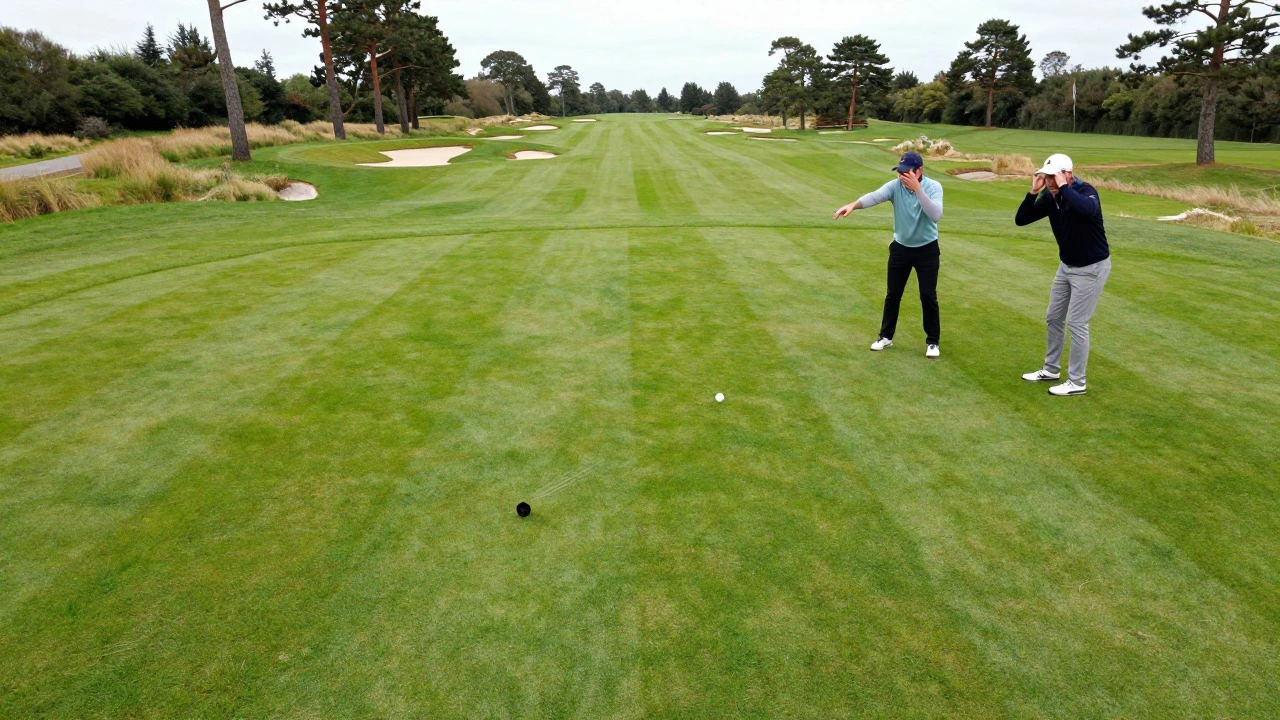
What If No One Is Around?
A frequent question among beginners: Do I really need to yell if the course is empty? The answer is yes. Habit formation is critical. If you only yell when people are present, you will forget to do it during solo practice rounds or early morning games. Then, when a friend joins you, you’ll be caught off guard. Make the call part of your pre-shot routine, regardless of audience size. It builds muscle memory for the ritual of safe play.
FAQ
Is “Fore” the only acceptable word to use?
No, but it is the most efficient. Other phrases like “Watch out” or “Ball” are acceptable if used consistently. However, “Fore” is shorter and less likely to be confused with other sounds on the course. Stick to one primary word to avoid confusing your playing partners.
Do I need to yell for every single shot?
Generally, yes, for full swings. For putts and very short chips where the ball cannot travel far, it is optional unless someone is directly in the line of fire. The key is assessing the potential range and danger level of the shot.
What should I do when I hear “Fore”?
Stop swinging immediately. Raise your hand to show you are aware. Look up and track the ball until it lands or passes safely. Do not turn around quickly, as this can cause you to lose balance or step into the ball's path.
Does the volume of my voice matter?
Yes. The sound needs to carry to the next group, which is typically 50 to 100 yards away. A firm, projected voice is sufficient. Screaming is unnecessary and can be distracting, but whispering is ineffective.
Is there a penalty for not yelling “Fore”?
There is no official USGA or R&A rule penalty for failing to yell. However, it is a strict breach of etiquette. Consistent failure to warn others can lead to social exclusion from groups and complaints to club officials, potentially affecting your membership status in private clubs.