What Happens to Your Body in the 48 Hours After a Half Marathon
 Oct, 22 2026
Half Marathon Recovery Timeline
Click on each phase below to see what is happening inside your body and how to optimize your recovery.
You just crossed the finish line. The adrenaline is still humming through your veins, you’ve got a medal around your neck, and you feel like you could run another ten kilometers right now. But don’t let that feeling fool you. The race isn’t over until your body has fully processed what you just asked it to do. A half marathon-21.1 kilometers or 13.1 miles-is a significant physiological stressor. It’s not as brutal as a full marathon, but it’s long enough to tear down muscle fibers, deplete energy stores, and trigger systemic inflammation. What happens in the next two days determines whether you bounce back quickly or spend the weekend limping around like an old man.
| Timeframe | Primary Physiological State | Symptoms You Might Feel | Key Recovery Action |
|---|---|---|---|
| 0-2 Hours | Glycogen Depletion & Fluid Loss | Thirst, lightheadedness, hunger | Rehydrate with electrolytes, eat carbs/protein |
| 2-24 Hours | Inflammation Onset & Micro-tears | Mild stiffness, fatigue, mental fog | Light movement, sleep, anti-inflammatory foods |
| 24-48 Hours | Delayed Onset Muscle Soreness (DOMS) Peak | Significant pain, reduced range of motion | Active recovery, foam rolling, hydration |
The Immediate Crash: Glycogen Depletion and Fluid Balance
Within minutes of stopping, your body shifts from performance mode to survival mode. During a Half Marathon, your muscles burned through most of their stored glycogen. Think of glycogen as your body’s emergency fuel tank. For a run of this distance, especially if you weren’t perfectly fueled beforehand, that tank is nearly empty. If you feel shaky or unusually hungry, that’s your blood sugar trying to stabilize. Simultaneously, you’re likely dehydrated. Even if you drank water during the race, sweat loss often exceeds intake. This isn’t just about thirst; it affects your heart rate and cognitive function. You might notice your heart rate stays elevated longer than usual after resting. This is normal. Your cardiovascular system is working overtime to cool you down and flush out metabolic waste products like lactate, though lactate clears relatively quickly compared to other markers of fatigue. Your immediate job? Replenish. Aim for a mix of carbohydrates and protein within 30 to 60 minutes. A banana and a handful of nuts, a chocolate milk, or a turkey sandwich works well. Don’t just drink plain water; you’ve lost sodium and potassium. Electrolyte drinks are smarter here than pure H2O because they help your cells actually absorb the fluid rather than just passing it through your bladder.
The Next Morning: When DOMS Kicks In
You go to bed feeling surprisingly good. Maybe you even stretch lightly. Then you wake up the next morning, try to get out of bed, and realize you can barely bend your knees. Welcome to Delayed Onset Muscle Soreness, commonly known as DOMS. This isn’t caused by lactic acid buildup-that myth died years ago. DOMS results from microscopic tears in your muscle fibers caused by the repetitive impact and eccentric loading of running downhill or decelerating.
This soreness typically peaks between 24 and 72 hours post-exercise. For a half marathon, expect day two to be the worst. Walking downstairs becomes a tactical operation. Your quadriceps and calves will feel tight and tender to the touch. This pain is actually a sign that adaptation is happening. Your body is repairing those micro-tears, making the muscle fibers stronger and more resilient for next time. However, pushing through sharp pain is dangerous. Dull ache? Fine. Sharp, stabbing pain? Stop and assess.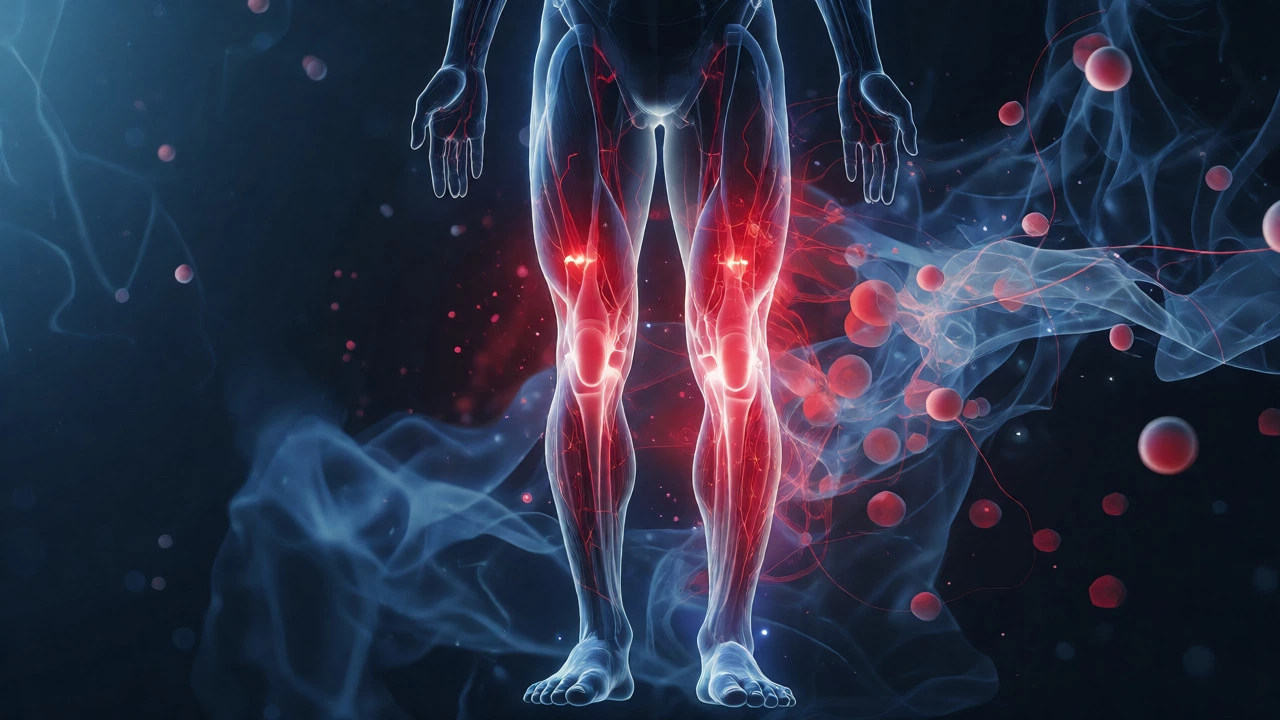
Inflammation and Immune System Suppression
Here’s something runners often ignore: your immune system takes a hit after intense endurance events. Exercise immunology research shows that for 3 to 72 hours after a hard effort like a half marathon, your body enters an "open window" where susceptibility to upper respiratory tract infections increases. Why? Intense exercise diverts resources away from immune surveillance to handle tissue repair and energy restoration. You might feel slightly under the weather-sore throat, mild congestion, or just general lethargy. This is your body prioritizing repair over defense. To mitigate this, avoid crowded, poorly ventilated spaces immediately after the race if possible. Wash your hands frequently. Prioritize sleep above all else. Sleep is when your body releases growth hormone, which drives tissue repair. If you only get six hours of sleep the night before the race and five hours the night after, you’re extending your recovery timeline unnecessarily.
Hormonal Fluctuations and Mental Fatigue
Racing triggers a massive release of cortisol and adrenaline. Once the race ends, those levels drop, sometimes abruptly. This hormonal crash can leave you feeling emotionally flat, irritable, or surprisingly depressed. Some runners experience "post-race blues," a sense of emptiness after months of training culminate in a single event. It’s real, and it’s physiological. Additionally, central fatigue plays a role. Your brain gets tired too. Neurotransmitters involved in motivation and motor control are depleted. You might find yourself staring at your phone without reading anything, or forgetting simple tasks. This mental fog usually clears within 48 hours as your neurochemistry rebalances. Be patient with yourself. Don’t schedule high-stakes work presentations or complex problem-solving tasks for the day after your race if you can help it.

Active Recovery vs. Complete Rest
A common question: should you stay on the couch or move? The answer is nuanced. Complete immobility can actually stiffen joints and slow circulation, which delays the removal of inflammatory markers. However, running again is off the table for at least three to five days. Instead, focus on active recovery. Walk gently for 15-20 minutes. Swim easy laps if you have access to a pool-the hydrostatic pressure helps reduce swelling. Use a foam roller on your calves, quads, and hamstrings, but keep the pressure moderate. Aggressive rolling on freshly damaged tissue can cause more harm than good. Focus on mobility drills rather than strength training. Gentle yoga flows that emphasize hip openers and spinal twists can alleviate lower back tension, which often spikes due to altered gait patterns during fatigue.
Nutrition Strategy for Faster Repair
Eating correctly in these 48 hours accelerates healing. Beyond the initial carb-protein combo, focus on anti-inflammatory nutrients. Omega-3 fatty acids found in salmon, mackerel, or walnuts help modulate the inflammatory response. Tart cherry juice has shown promise in studies for reducing DOMS markers and improving sleep quality due to its natural melatonin content. Avoid alcohol for at least 24 hours. Alcohol inhibits protein synthesis, meaning your muscles won’t repair as efficiently. It also dehydrates you further and disrupts REM sleep, which is crucial for cognitive recovery. If you must celebrate, limit yourself to one drink and hydrate aggressively alongside it.
How long does it take to fully recover from a half marathon?
While the acute soreness (DOMS) peaks at 48 hours and subsides by day 4-5, full physiological recovery, including complete glycogen resynthesis and muscle fiber repair, typically takes 7-10 days. Most runners can resume light jogging after 3-4 days and return to normal training volume within two weeks.
Is it normal to gain weight after a half marathon?
Yes, temporary weight gain of 1-2 kg is common. This is primarily due to increased water retention caused by muscle inflammation and glycogen storage (each gram of glycogen binds 3-4 grams of water). It is not fat gain and will resolve naturally as inflammation decreases.
Should I stretch immediately after finishing?
Static stretching immediately after a race is generally discouraged as muscles are warm and pliable but prone to injury if forced. Instead, walk slowly for 10-15 minutes to bring heart rates down gradually. Save static stretching for later in the day or the following morning when tissues are less stressed.
Why do my feet hurt so much after the race?
Foot pain is often due to soft tissue trauma from repeated impact, leading to swelling in the plantar fascia or metatarsals. Blisters may also form if shoes were slightly loose. Elevate your feet and apply ice packs for 15-minute intervals to reduce swelling and numb pain.
Can I run the next day?
It is generally recommended to take at least 2-3 days off from running. Running on severely damaged muscle fibers increases the risk of compensatory injuries, such as shin splints or knee strain. If you must move, stick to low-impact activities like cycling or swimming.