What Foods Decrease Stamina? Top Culprits to Avoid
 Nov, 12 2026
Stamina Drain Simulator
Select the foods you plan to eat before your workout or busy day to see their estimated impact on your stamina.
Your Estimated Stamina Level
You’re halfway through your workout, or maybe you’re just trying to get through the afternoon slump, and suddenly your legs feel like lead. Your focus drifts, your heart rate spikes unnecessarily, and you wonder: why do I have zero gas in the tank? You might blame lack of sleep or poor training, but often, the culprit is sitting on your plate. Certain foods sabotage your stamina faster than a skipped warm-up.
It’s not always about calories. It’s about how your body processes fuel. Some items cause rapid blood sugar crashes, others trigger inflammation that slows you down, and some simply take too long to digest, diverting blood flow away from your muscles. If you want to sustain effort-whether you’re running a 5K in Sydney or pushing through a workday-you need to know what to cut out. Let’s break down the specific foods that drain your energy and explain exactly why they’re working against you.
The Sugar Spike and Crash Cycle
We all love a quick fix. A candy bar before a run seems like good idea because it tastes great and gives an instant buzz. But here’s the physiological reality: simple sugars cause a sharp spike in blood glucose. Your pancreas panics and dumps insulin into your bloodstream to manage the surge. This process clears the sugar from your blood quickly, often leaving you with less energy than you started with. This is the "crash."
When this happens during physical activity, your muscles are starved of stable fuel. Instead of steady ATP production, you get erratic bursts followed by fatigue. Common offenders include sodas, fruit juices (without fiber), pastries, and white bread. These refined carbohydrates lack the structural complexity needed for slow release. If you eat a donut at 10 AM, you’ll likely hit a wall by noon. The fix isn’t to eliminate carbs entirely, but to choose complex sources like oats or sweet potatoes that provide a steady drip rather than a flood.
High-Fat Meals That Slow You Down
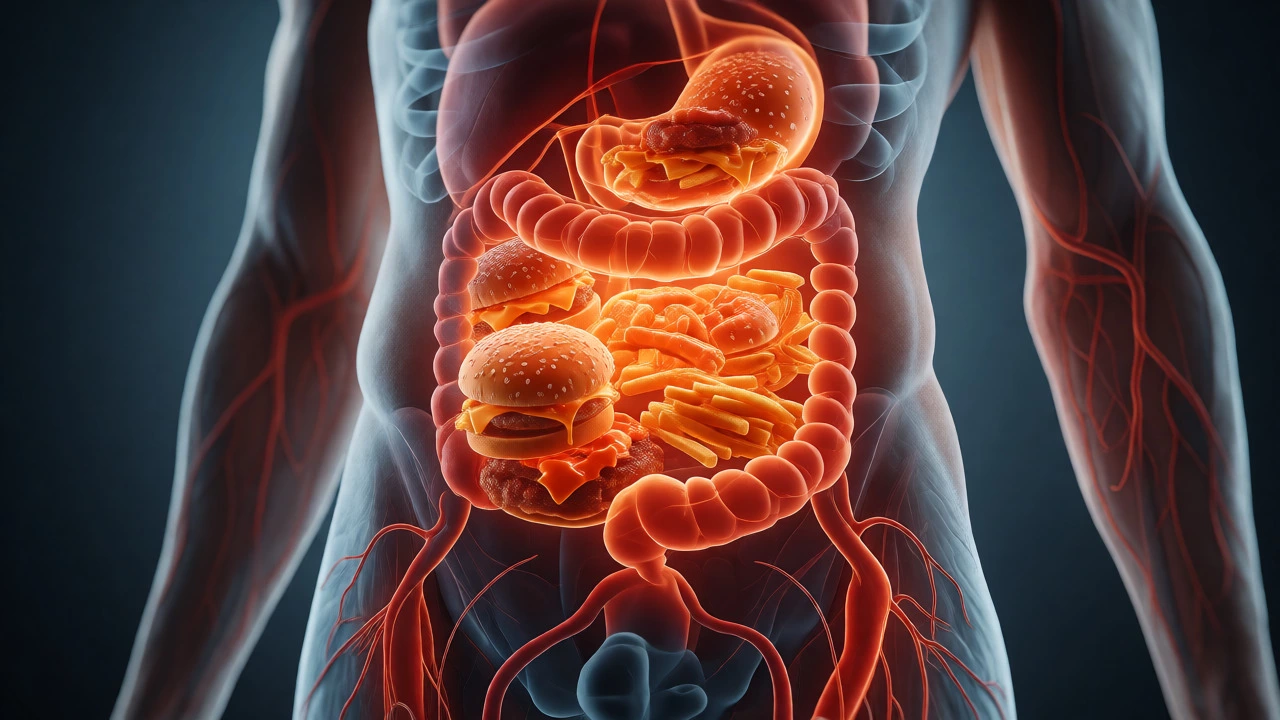
Fat is essential for hormone production and long-term energy storage, but timing matters. High-fat meals are notoriously difficult to digest. When you eat a greasy burger or heavy cream-based pasta, your body directs significant blood flow to your gastrointestinal tract to handle the digestion process. This phenomenon, known as postprandial somnolence, leaves less oxygen-rich blood available for your skeletal muscles.
If you eat a high-fat meal two hours before exercise, you might still be digesting when you start moving. This can lead to sluggishness, cramping, and a feeling of heaviness. Trans fats found in processed snacks and fried foods are particularly bad because they promote systemic inflammation. Inflammation impairs mitochondrial function-the powerhouses of your cells-making it harder for your body to convert food into usable energy. If you’re training in the morning, keep breakfast light and low in fat. Save the avocados and nuts for after your session.
Alcohol: The Hidden Stamina Killer
Let’s be honest: alcohol tastes good. But physiologically, it’s a toxin that disrupts almost every system related to performance. First, it dehydrates you. Alcohol inhibits vasopressin, a hormone that helps your kidneys retain water. Dehydration reduces blood volume, which means your heart has to beat faster to pump the same amount of oxygen to your muscles. This increases perceived exertion, making easy tasks feel hard.
Beyond hydration, alcohol interferes with sleep quality. While it might help you fall asleep, it fragments REM cycles, preventing deep restorative rest. Poor sleep directly correlates with reduced glycogen replenishment and slower reaction times. Furthermore, alcohol metabolism takes priority over other metabolic processes. Your liver stops processing nutrients efficiently to clear the alcohol, meaning vitamins and minerals aren’t absorbed as effectively. For athletes, even moderate drinking can reduce endurance capacity for up to 24 hours.
Processed Meats and Sodium Overload
Delis are convenient, but processed meats like bacon, sausages, and hot dogs are loaded with sodium and preservatives like nitrates. While sodium is necessary for electrolyte balance, excessive amounts from processed sources can throw off your fluid balance. Too much sodium without adequate water intake leads to cellular dehydration, causing muscle cramps and early fatigue.
Nitrates and nitrites, used to preserve color and flavor, have been linked to oxidative stress in some studies. Oxidative stress damages cells and impairs recovery. Additionally, these meats are often high in saturated fats, bringing us back to the digestion issue mentioned earlier. A breakfast of bacon and eggs might leave you feeling bloated and lethargic during a mid-morning gym session. Opt for lean proteins like chicken breast, turkey, or plant-based options like lentils, which offer protein without the inflammatory baggage.
Dairy Sensitivities and Bloating
Dairy isn’t inherently bad for everyone, but lactose intolerance is extremely common among adults globally. If you lack sufficient lactase enzyme, consuming milk, cheese, or yogurt causes fermentation in the gut. This produces gas, bloating, and discomfort. Imagine trying to run or cycle while your stomach feels like a balloon; it’s distracting and physically limiting.
Even if you aren’t fully intolerant, dairy can increase mucus production in some individuals, leading to congested breathing. For endurance athletes, clear airways are critical. If you notice phlegm buildup or digestive distress after eating yogurt, try switching to lactose-free alternatives or plant-based milks like almond or oat. Monitor how your body reacts. Personal tolerance varies, so track your symptoms. If dairy makes you feel heavy or stuffy, it’s decreasing your effective stamina regardless of its nutritional profile.
Caffeine Dependency and Adrenal Fatigue
Coffee is a staple for many fitness enthusiasts, and rightly so-it boosts alertness. However, overconsumption creates a dependency loop. Caffeine blocks adenosine receptors, masking feelings of tiredness rather than eliminating them. Once the caffeine wears off, the accumulated adenosine floods your system, causing a severe energy dip.
Relying on caffeine to push through workouts masks underlying fatigue. If you’re constantly needing three cups to function, your adrenal glands may be struggling to regulate cortisol levels. High chronic cortisol breaks down muscle tissue and stores visceral fat, both of which negatively impact stamina. Timing is key: consume caffeine 30-60 minutes before exercise, not throughout the day. And remember, coffee is a diuretic. Without proper water intake, it exacerbates dehydration, further draining your endurance.
Artificial Sweeteners and Gut Health
Zero-calorie drinks seem like a smart choice for weight management, but artificial sweeteners like aspartame, sucralose, and saccharin can mess with your gut microbiome. Emerging research suggests these additives alter bacterial diversity in the intestines. A healthy microbiome is crucial for nutrient absorption and immune function. When gut health declines, inflammation rises, and energy levels drop.
Some people also experience headaches or nausea from certain sweeteners, which obviously hinders performance. If you drink diet soda before a workout and feel queasy, it’s not in your head. Try replacing these beverages with plain water, sparkling water with lemon, or diluted natural juice. Your body prefers whole-food sources of sweetness because they come packaged with fiber and micronutrients that support sustained energy release.
| Food Category | Primary Mechanism of Energy Loss | Timeframe of Effect | Better Alternative |
|---|---|---|---|
| Simple Sugars | Insulin spike leading to hypoglycemia (crash) | 1-2 hours post-consumption | Oats, Quinoa, Bananas |
| High-Fat Foods | Diverts blood flow to digestion; slows gastric emptying | 2-4 hours post-consumption | Lean Protein, Low-Fat Carbs |
| Alcohol | Dehydration, disrupted sleep, inhibited nutrient absorption | Up to 24 hours | Water, Electrolyte Drinks |
| Processed Meats | Sodium imbalance, oxidative stress from nitrates | Immediate to 4 hours | Fresh Chicken, Fish, Legumes |
| Dairy (if sensitive) | Bloating, increased mucus, digestive discomfort | During consumption | Lactose-Free Milk, Almond Milk |
How to Rebuild Stamina Through Diet
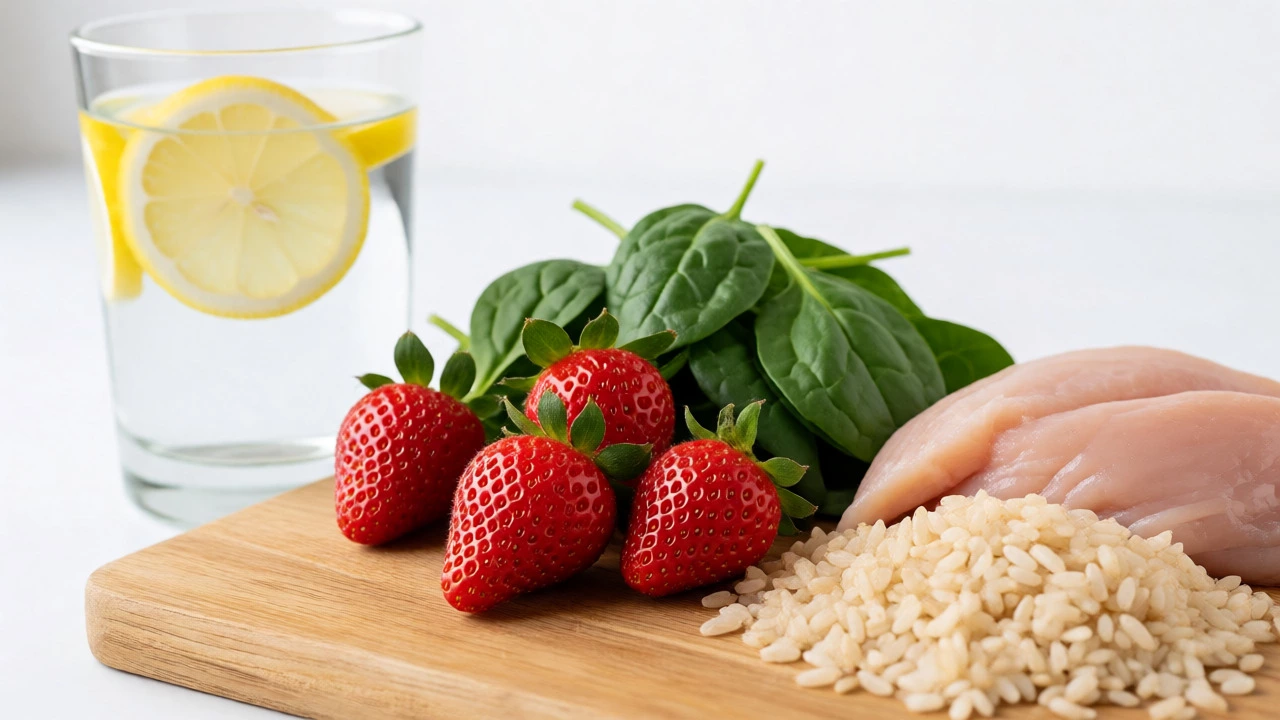
Knowing what to avoid is half the battle. The other half is knowing what to eat. To boost stamina, focus on foods that stabilize blood sugar and reduce inflammation. Start with complex carbohydrates: brown rice, whole grains, and vegetables. These provide a steady stream of glucose to your muscles. Pair them with lean proteins to support muscle repair and satiety.
Hydration is non-negotiable. Even mild dehydration (1-2% body weight loss) significantly reduces endurance. Drink water consistently throughout the day, not just when you’re thirsty. Add electrolytes if you sweat heavily. Finally, incorporate anti-inflammatory foods like berries, leafy greens, and fatty fish rich in Omega-3s. These combat the oxidative stress caused by intense exercise, helping you recover faster and perform better next time.
Experiment with timing. Eat your largest meal 3-4 hours before intense activity. Have a small snack 30-60 minutes prior if needed. Keep a food diary for two weeks. Note what you ate, how you felt during exercise, and your overall energy levels. Patterns will emerge. Maybe you discover that a banana pre-workout works wonders, but a granola bar leaves you sluggish. Data beats guesswork.
Does eating late at night affect next-day stamina?
Yes, it can. Eating large, heavy meals close to bedtime forces your body to prioritize digestion over rest. This can disrupt sleep quality, reducing the restoration needed for optimal energy levels the following day. Aim to finish eating 2-3 hours before sleeping.
Can spicy food decrease stamina?
For some people, yes. Spicy foods can cause acid reflux or gastrointestinal distress during exercise. If you experience heartburn or stomach upset after eating spicy dishes, it can distract you and limit physical performance. Test your tolerance before important events.
Is fasting beneficial for stamina?
Intermittent fasting can improve metabolic flexibility, allowing the body to use fat for fuel more efficiently. However, if not managed correctly, it can lead to low blood sugar and dizziness during high-intensity efforts. Beginners should approach fasting cautiously and ensure adequate hydration.
Do gluten-free diets increase stamina?
Only if you have celiac disease or non-celiac gluten sensitivity. For those individuals, removing gluten reduces inflammation and digestive issues, leading to improved energy. For the general population, there is no evidence that gluten-free diets enhance athletic performance or stamina.
How does dehydration specifically lower stamina?
Dehydration decreases blood volume, forcing the heart to work harder to pump blood. This raises core body temperature and increases the perception of effort. Muscles receive less oxygen and nutrients, leading to quicker fatigue and reduced coordination.