What Country Invented Golf? The Scottish Origins Explained
 Nov, 5 2026
Golf Origins Timeline & Myth Buster
Historical Timeline
Romans play paganica, hitting a feather-stuffed leather ball with a bent stick. Disconnected from modern golf lineage.
Song Dynasty players use curved sticks to hit balls into ground holes. The game dies out without evolving into a global sport.
Dutch traders bring kolf concepts to Europe. Likely influenced early Scottish variants but distinct in rules and terrain.
King James II bans "the Gouff" because it distracts men from archery practice. The first definitive written record of golf in Scotland.
King James IV buys clubs and commissions custom balls, signaling royal patronage and cementing golf as a national pastime.
Society of St Andrews Golfers codifies rules. This group becomes the R&A, establishing the global standard for the game.
John Reid, a Scottish immigrant, founds Saint Andrew's Golf Club in Yonkers, NY, importing equipment directly from Scotland.
Myth Buster Quiz
Click on each statement to reveal the truth based on historical evidence.
Why Links Matter
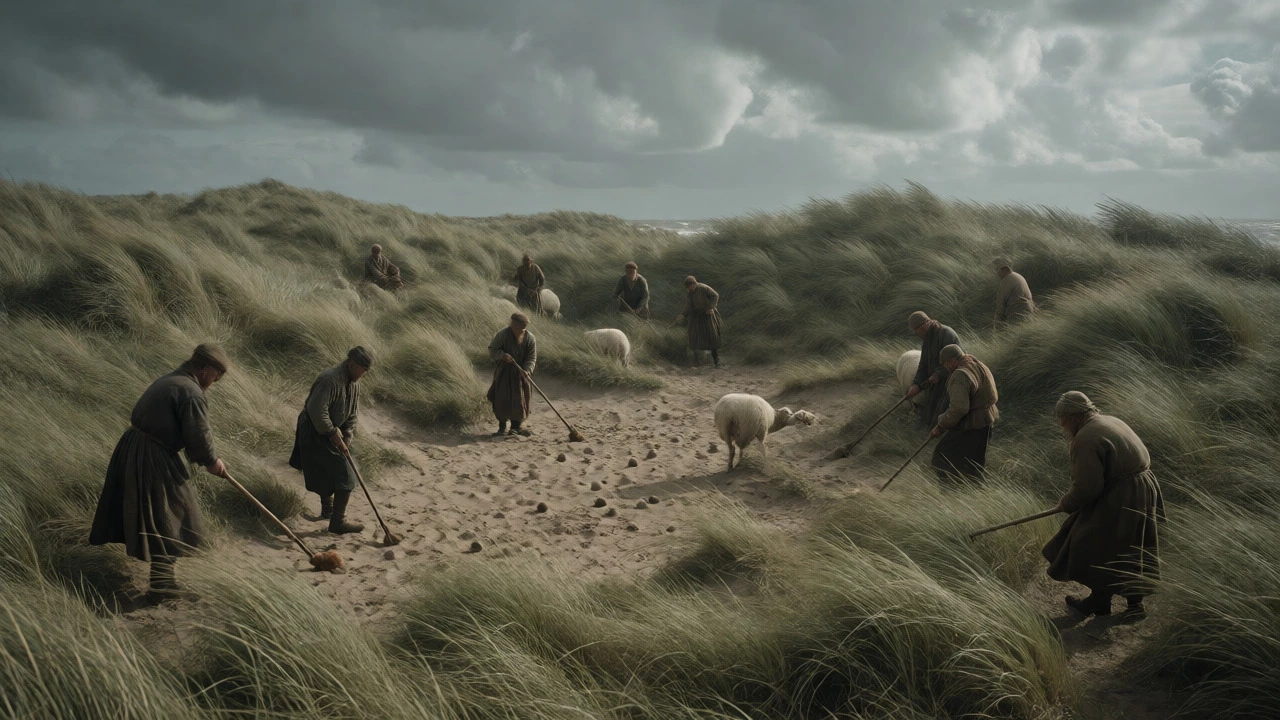
The term "Links" refers to sandy coastal land in Scotland unsuitable for farming. Sheep created the original "holes," shaping the game's natural hazards and challenging wind conditions.
You might think golf started in the manicured clubs of America or the high-end resorts of Dubai. But if you dig into the archives, the answer is surprisingly simple and deeply rooted in one specific place: Scotland. While other cultures had stick-and-ball games centuries earlier, the game we recognize today-with its 18 holes, standardized rules, and club structures-was born on the windswept links of East Lothian and Fife.
This isn't just a trivia fact for your next pub quiz. Understanding where golf came from changes how you view the sport. It explains why certain traditions persist, why the R&A still holds such power, and why the "Old Course" at St Andrews remains the spiritual home of the game, even though it wasn't technically the first. Let's clear up the myths and look at the actual timeline.
The Great Debate: Scotland vs. China vs. Rome
Before we crown Scotland as the inventor, we have to address the elephant in the room: other countries claim similar games. You've probably heard that the Chinese played chuiwan during the Song Dynasty (960-1279 AD). They used curved sticks to hit a ball into holes dug in the ground. Sounds familiar, right?
But here is the critical distinction: chuiwan died out. It didn't evolve into a global sport with continuous rulebooks. Similarly, the Romans played paganica, hitting a feather-stuffed leather ball with a bent stick. Again, interesting, but disconnected from modern golf. There is no documented line of transmission from these ancient games to medieval Europe that leads directly to what Scotsmen were playing in the 1400s.
What happened in Scotland was different. It wasn't an import; it was an evolution. Historians point to the Dutch game kolf as a possible influence, brought over by trade ships. But the Scots took this concept, adapted it to their unique coastal geography-the "links" land-and created something entirely new. They added the challenge of wind, uneven terrain, and natural hazards like bunkers (which were originally just sheep holes!). This adaptation is what makes Scotland the true birthplace of the modern game.
Why Scotland? The Geography Factor
You can't talk about the invention of golf without talking about dirt. Specifically, sandy soil near the sea. In the Middle Ages, Scottish farmers couldn't grow crops on the coastal dunes because the salt spray killed everything except tough marram grass. These areas became known as "links."
Sheep grazed these links, creating small depressions in the sand. Early players realized they could use these natural hollows as targets. Instead of building elaborate courses, they simply played from one natural hole to the next. This organic development meant that golf didn't need architects initially; it needed wind and sand. The rugged, unpredictable nature of the Scottish coast forced players to develop creativity and adaptability-skills that remain central to the sport today.
| Game Name | Origin Location | Time Period | Key Feature | Connection to Modern Golf |
|---|---|---|---|---|
| Paganica | Rome | 1st Century AD | Feather-stuffed leather ball | Weak; game disappeared before influencing Europe |
| Chuiwan | China | 960-1279 AD | Hitting ball into ground holes | Controversial; no proven link to European games |
| Kolf | Netherlands | 13th Century | Stick and ball on ice/land | Strong; likely influenced early Scottish variants |
| Golf | Scotland | 15th Century | Links land, natural hazards, 18-hole standard | Direct ancestor of all modern golf |
The First Written Record and Royal Bans
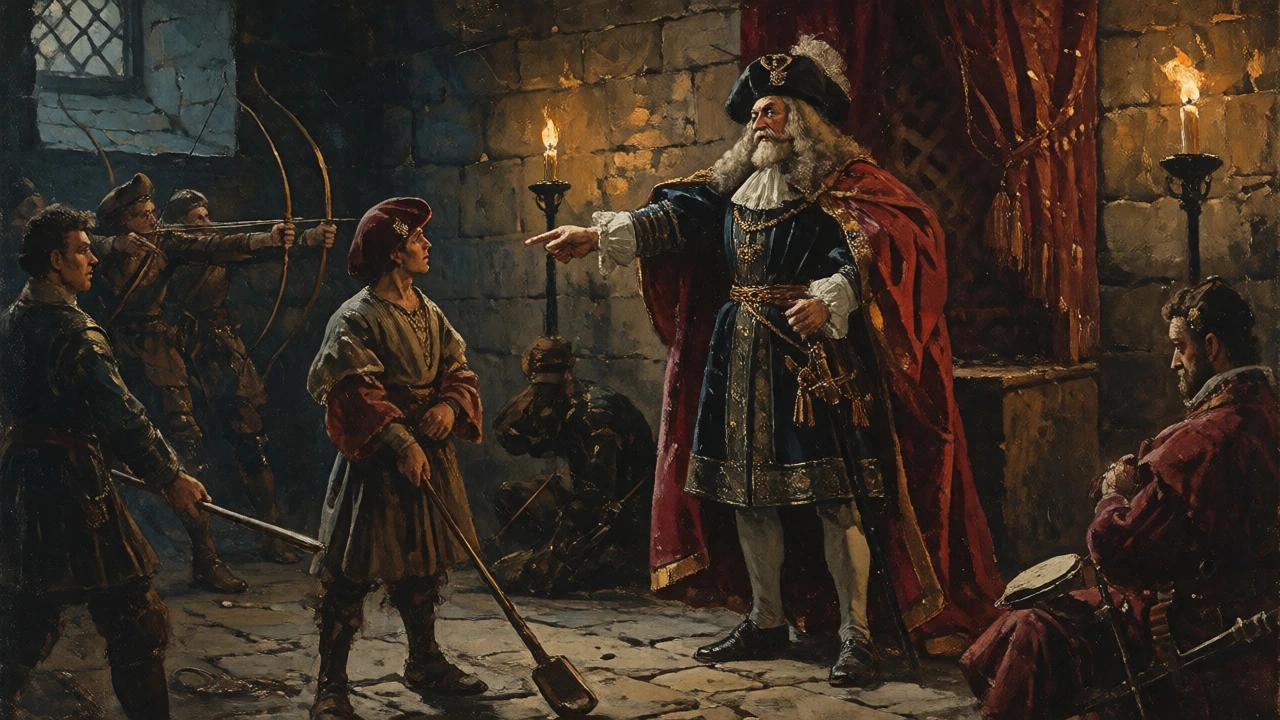
If you want proof, look at the law books. The earliest definitive reference to golf in Scotland appears in 1457. King James II passed an act banning the game. Why would a king ban a leisure activity? Because it was distracting men from practicing archery, which was crucial for national defense against England.
The act stated that "no man play at the Gouff" under pain of forfeiture. Note the spelling: Gouff. This linguistic clue ties back to the Dutch kolf or possibly the French coup (stroke), but the context is undeniably Scottish. The ban failed, of course. People loved the game too much. By 1502, King James IV himself bought a set of clubs, signaling royal approval. He also commissioned the first custom-made golf balls from a local bowyer, John Bowmaker, in Edinburgh. This shift from ban to patronage cemented golf's status as a national pastime.
St Andrews: Not the First, But The Most Important
Here is a common misconception: many people believe St Andrews was the first golf course. It wasn't. Historical records show golf being played in Musselburgh, Leith, and North Berwick well before St Andrews gained prominence. In fact, the Old Course at St Andrews only began developing into a formal layout in the early 1500s.
So why does everyone associate golf with St Andrews? Because it became the center of gravity for the sport. In 1754, twenty-two golfers met at the Society of St Andrews Golfers to codify the rules. This group eventually became the Royal and Ancient Golf Club of St Andrews (the R&A) after receiving a royal charter in 1834. The R&A didn't just play golf; they wrote the rulebook that the rest of the world followed. For decades, if you wanted to know if your drop was legal or how to handle a water hazard, you looked to St Andrews.
Furthermore, the 18-hole standard emerged here. Originally, the course had 22 holes. Players found this tedious, so they combined some holes, resulting in the 18-hole round we know today. When the United States Golf Association (USGA) formed later, they adopted the R&A's standards. So while Scotland invented the game, St Andrews standardized it.
How Golf Spread From Scotland To The World
If you are wondering how a Scottish niche hobby became a global billion-dollar industry, blame the British Empire. During the 19th century, Scottish soldiers, diplomats, and merchants traveled everywhere. Wherever they went, they built golf courses. The first golf club outside of Britain was established in India in 1829. Then came South Africa, Australia, and finally the United States.
The US story is particularly interesting. The first American golf club, the Saint Andrew's Golf Club in Yonkers, New York, was founded in 1888 by Scotsman John Reid. He imported clubs and balls from Scotland and taught his friends the game. This direct export proves the lineage. Americans didn't invent their version of golf; they imported it, then scaled it up with better resources and flatter land.
Today, while the US has more golfers than any other nation, the cultural DNA remains Scottish. Terms like "birdie," "bogey," and "eagle" have murky origins, but the etiquette, the structure of major championships (like The Open Championship, often called the British Open), and the reverence for links courses all trace back to those early Scottish pioneers.

Common Myths About Golf's Origin
Let's tackle a few persistent rumors. One popular myth claims that Mary, Queen of Scots, coined the term "caddie." Legend says she had French military cadets carry her clubs, and the Scots mispronounced "cadet" as "caddie." While charming, etymologists debate this. The word likely comes from the French caDET, but there is no solid evidence linking it specifically to Mary's reign in Scotland. Still, it's a fun story.
Another myth is that golf was always a rich person's game. Wrong. In the 15th and 16th centuries, it was played by shepherds, fishermen, and peasants. The equipment was crude-wooden clubs and feather-stuffed balls made by hand. It was the industrial revolution that changed this. In 1848, Allan Robertson and Tom Morris Sr. perfected the gutty ball (made from dried sap of the Gutta tree), making balls cheaper and more durable. Later, rubber-cored balls and steel shafts democratized the sport further, allowing mass production and wider access.
Why This History Matters Today
Does knowing Scotland invented golf change your handicap? No. But it changes your appreciation when you walk onto a links course. When you see deep bunkers and blind shots, remember that these weren't designed by an architect trying to make things hard; they evolved naturally from sheep grazing and wind erosion. When you tee off at a prestigious tournament, remember that the rules governing your swing were drafted by amateurs in a Scottish town hall in 1754.
For beginners, understanding this heritage helps demystify the sport. Golf isn't just about expensive gear and country clubs. At its core, it is a game of improvisation played on rough, natural terrain. That spirit of resilience and adaptability is the true gift Scotland gave the world.
Did China really invent golf?
While China had a similar game called chuiwan during the Song Dynasty, there is no historical evidence that it influenced the development of modern golf in Europe. The continuity of the game, rules, and culture exists solely in the Scottish tradition dating back to the 15th century.
Was St Andrews the first golf course?
No. Golf was played in places like Musselburgh and Leith before St Andrews. However, St Andrews became the most influential course because it established the standard 18-hole format and hosted the organization that wrote the official rules of golf.
Why was golf banned in Scotland?
King James II banned golf in 1457 because he believed it distracted young men from practicing archery, which was essential for national defense. The ban was largely ignored and eventually lifted as the game grew in popularity among all social classes.
Who brought golf to America?
John Reid, a Scottish immigrant, is credited with introducing golf to the United States. He founded the Saint Andrew's Golf Club in Yonkers, New York, in 1888, importing clubs and balls directly from Scotland.
What are "links" in golf?
Links refers to the sandy, coastal land near the sea in Scotland where golf originated. These areas were unsuitable for farming but perfect for grazing sheep, whose hoofprints created the original "holes." True links courses feature firm turf, deep bunkers, and minimal trees.