The Hidden Downsides of Hoka Shoes: What Runners Should Know
 Sep, 14 2026
Hoka Shoe Fit & Value Checker
Not sure if a Hoka is right for you? Answer these questions to see how well they match your needs compared to traditional trainers.
Your Profile
Select your preferences and click "Check My Fit" to see if a Hoka is worth the investment for you.
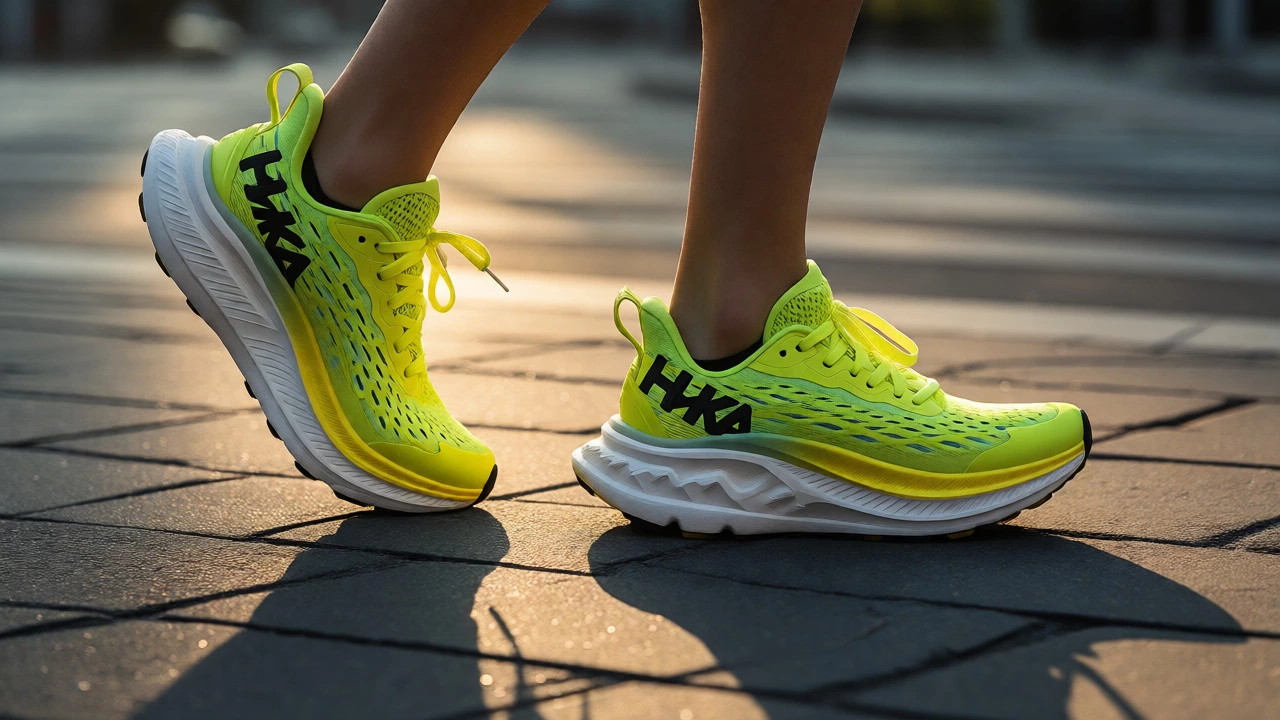
You see them everywhere. The chunky soles, the bright colors, the distinctive silhouette. Hoka has taken over the running world, and for good reason. Their maximalist cushioning feels like walking on clouds, offering a level of protection that traditional thin-soled shoes just can't match. But here’s the thing: no piece of gear is perfect. While millions of runners swear by them, there are legitimate reasons why some athletes swap out their Hokas after a few months.
If you’re considering buying a pair, or if you already own them and feel something isn’t quite right, you need to know what you’re signing up for. It’s not just about hype versus reality; it’s about biomechanics, durability, and specific use cases where these shoes might actually hold you back. Let’s break down the real cons of Hoka shoes without the marketing fluff.
The "Marshmallow" Effect and Stability Concerns
The biggest selling point of Hoka-the thick stack height-is also its biggest weakness for certain runners. When you step into a Clifton or a Bondi, your foot sits high above the ground. This creates a lever arm that can make the shoe feel unstable, especially if you have narrow feet or weak ankle proprioception (your body’s ability to sense where your joints are in space).
For trail runners or road runners who prioritize agility, this instability can be frustrating. You might find yourself wobbling slightly when turning corners at speed. Unlike a low-profile racing flat that keeps you connected to the pavement, a Hoka isolates you from the terrain. This isolation is great for joint pain but terrible for balance training. If you’re recovering from an ankle injury, this lack of feedback can sometimes hinder your retraining process because your muscles aren’t being challenged to stabilize as they would in a less cushioned shoe.
| Feature | Hoka (Maximalist) | Traditional (Minimalist/Standard) |
|---|---|---|
| Stack Height | High (30mm+) | Low to Medium (10-24mm) |
| Ground Feel | Muted / Isolated | Direct / Connected |
| Stability Risk | Higher for narrow feet | Lower / Neutral |
| Best For | Long distance, joint relief | Speed work, agility drills |
Durability Issues with Soft Foams
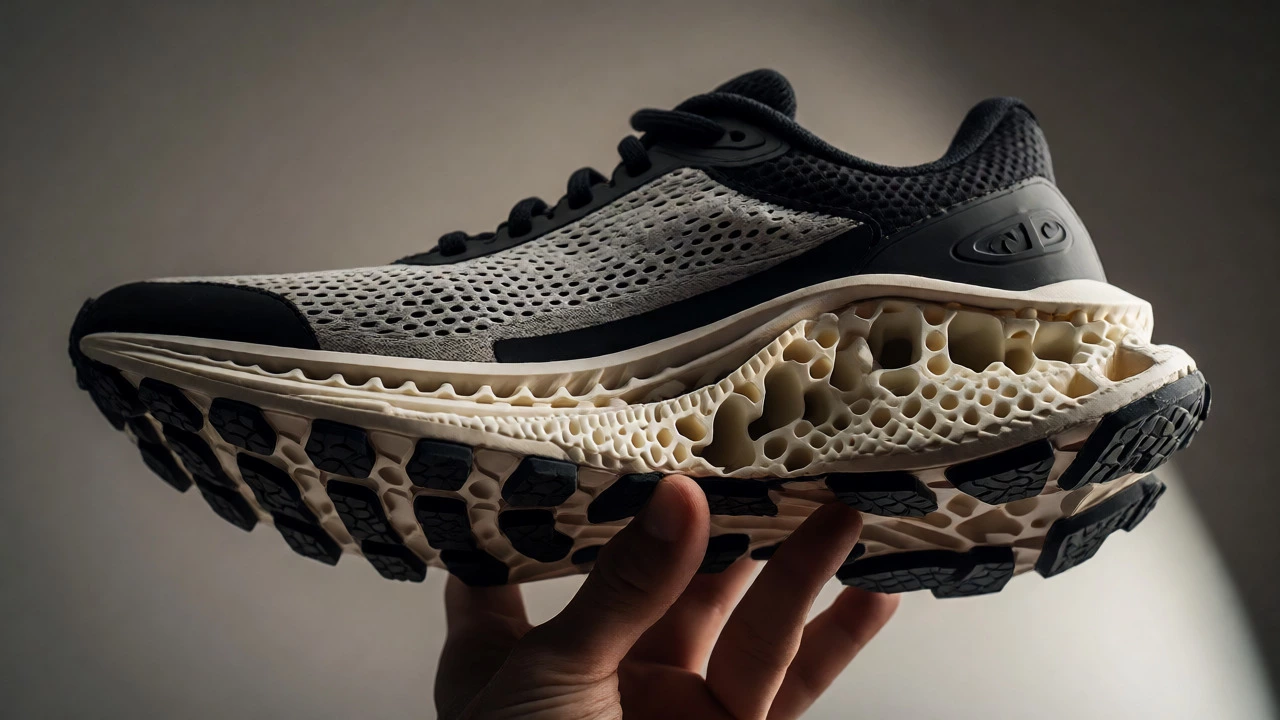
Here is a hard truth: soft foam wears out faster than dense rubber. The very material that makes Hoka shoes comfortable-often a proprietary EVA or PEBA-based foam-is prone to compression set. This means that after 300 to 400 miles, the midsole may lose its bounce and become permanently compressed, even if the outsole rubber still looks brand new.
Runners often report that their Hokas feel "dead" long before the tread is worn through. With traditional shoes made of denser materials, you get more mileage per dollar because the structure holds its shape longer. With Hoka, you are paying for comfort that degrades relatively quickly. If you run 50 miles a week, you might burn through a $160 pair of Cliftons in under six months. That’s a significant financial hit compared to a durable trainer that lasts a year.
The Weight Factor for Speed Work
Hoka has tried to fix this with models like the Mach X or Rocket X, but generally speaking, maximalist shoes are heavy. A standard daily trainer can weigh between 9 and 11 ounces (approx. 255-310 grams). For easy runs, who cares? But when you’re doing interval training or tempo runs, every ounce matters.
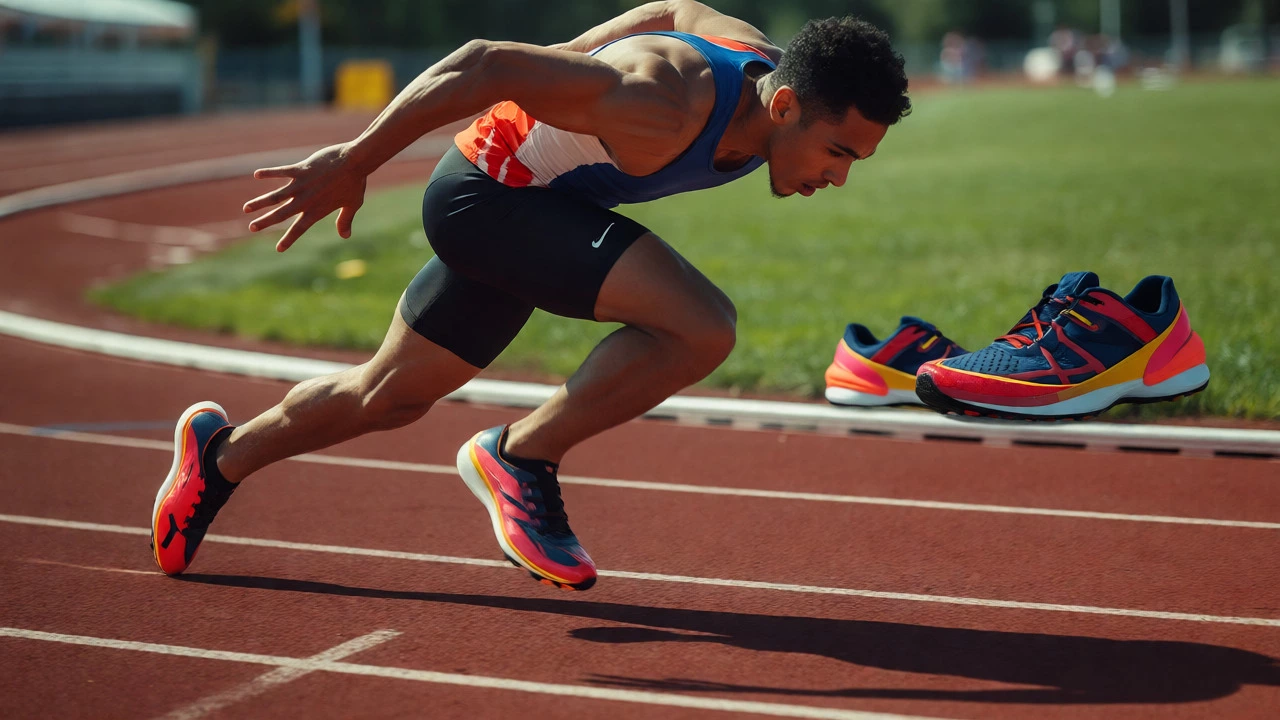
Lifting that extra weight thousands of times during a workout increases fatigue in your hip flexors and calves. Many elite runners keep a separate pair of lightweight spikes or racing flats specifically for track days because they simply cannot generate the same turnover rate in a bulky shoe. If you are a competitive runner looking to shave seconds off your personal best, wearing a standard Hoka for speed sessions is likely holding you back.
Fit Quirks: The Wide Toe Box Paradox
Hoka popularized the wide toe box, which is fantastic for preventing bunions and allowing toes to splay naturally. However, this design choice creates a fit issue for people with average or narrow feet. Your heel might fit snugly, but your forefoot swims around in the extra width.
This mismatch leads to two common problems:
- Heel Slippage: Because your foot shifts forward inside the shoe, your heel lifts off the counter with every step. This causes blisters on the back of the Achilles tendon.
- Lacing Frustration: You end up tightening the laces so much to secure the heel that you create pressure points on the top of your foot (dorsum), cutting off circulation or causing nerve pain.
While Hoka offers "Wide" versions, many users find that even these don’t solve the volume issue for low-volume feet. You essentially have to choose between a secure heel lock and a spacious toe box, rarely getting both perfectly.
Aesthetic Polarization
Let’s be honest: Hoka shoes look weird to a lot of people. The exaggerated sole curve, known as Meta-Rocker technology, gives them a clown-shoe appearance. While fashion is subjective, this aesthetic impact affects how often you wear them outside of running.
You probably won’t wear a neon-yellow Bondi to a casual brunch or a date. Most running shoes today are designed to blend in with athleisure trends, but Hokas stand out aggressively. If you value versatility in your footwear-wanting one shoe for the gym, the run, and the grocery store-Hoka might be too conspicuous for your lifestyle. They are functional tools first, fashion statements second.
Cost of Ownership
Hoka shoes are premium-priced. You’re looking at $140 to $250 depending on the model. Combine that with the shorter lifespan due to soft foam degradation, and the cost-per-mile calculation starts to sting. Compare this to a budget-friendly option like Brooks Ghost or Saucony Ride, which offer similar performance metrics but often last longer and cost less upfront.
Furthermore, because they are so popular, sales are rare. You rarely see deep discounts on current-season Hoka models unless you wait for end-of-life colorways. If you go through shoes quickly, sticking with Hoka requires a bigger annual budget for footwear than other brands.
Who Should Avoid Hoka?
Based on these cons, here is a quick checklist. You should probably skip Hoka if:
- You have narrow feet and struggle with heel slippage in wide-toe-box shoes.
- You are a sprinter or track athlete focused on maximum energy return and minimal weight.
- You prefer feeling the ground beneath you for better proprioception.
- You are on a tight budget and need shoes to last 800+ miles.
- You dislike the "clunky" visual profile of maximalist footwear.
None of this means Hoka is bad. It just means it’s specialized. Knowing the downsides helps you decide if the trade-off is worth it for your specific running style.
Do Hoka shoes cause knee pain?
Generally, no. In fact, many runners buy them specifically to alleviate knee pain. The high cushioning absorbs impact forces that would otherwise travel up to the knees. However, if the shoe is unstable for your arch type, it can alter your gait mechanics, potentially leading to secondary discomfort in the hips or lower back rather than the knees directly.
How long do Hoka shoes actually last?
Most runners get between 300 and 400 miles out of a pair of Hoka daily trainers. Due to the soft nature of the midsole foam, the cushioning properties degrade faster than the outsole rubber. You will likely feel the shoe becoming "flat" and unresponsive well before the tread is visibly worn down.
Are Hoka shoes good for walking?
Yes, they are excellent for walking, particularly for those with plantar fasciitis or arthritis. The rocker geometry promotes a smooth roll-through motion, reducing strain on the plantar fascia. However, the bulkiness might feel cumbersome for short, quick errands compared to a lighter slip-on sneaker.
Why do my heels slip in Hoka shoes?
This is usually due to the wide toe box design. If your forefoot is narrow relative to the shoe's width, your foot slides forward, causing your heel to lift. Try using a "runner's loop" lacing technique to lock the heel down, or consider sizing down half a size if you have low-volume feet.
Can I use Hoka shoes for gym workouts?
Not ideally. The soft, unstable cushioning is dangerous for weightlifting exercises like squats or deadlifts, where you need a firm, stable base. You risk rolling an ankle or losing power transfer. Stick to flat-soled shoes for lifting and save the Hokas for cardio machines or treadmill runs.