Should I Eat Before or After a Workout? The Science-Backed Guide
 Jul, 27 2026
Pre-Workout Nutrition Planner
Configure Your Session
Select your workout details and click "Get Nutrition Plan".
You’ve laced up your sneakers, you’re ready to crush it at the gym, but there’s a nagging question in the back of your mind: Should you eat before you train, or save that energy for after? It’s one of those debates that seems to change with every new fitness trend. One day, everyone is swearing by an empty stomach for fat loss; the next, they’re telling you that skipping food will make you faint on the treadmill.
The truth isn’t black and white. Your body doesn’t care about internet arguments; it cares about fuel and recovery. Whether you should eat before or after depends entirely on what kind of workout you’re doing, when you’re doing it, and what your goals are. Let’s cut through the noise and look at what actually happens inside your body so you can stop guessing and start performing.
Why Pre-Workout Nutrition Matters
Think of your muscles like a car engine. You wouldn’t drive a Ferrari on an empty tank and expect it to handle a race track, right? When you exercise, your body primarily uses two fuel sources: glycogen (stored carbohydrates) and fat. For high-intensity efforts-like sprinting, heavy lifting, or HIIT-your body prefers glycogen because it burns faster and more efficiently than fat.
If you show up to the gym with low glycogen stores, you might feel sluggish, dizzy, or just plain weak. This is often called "bonking" in cycling circles, but it happens in weight rooms too. Eating pre-workout nutrition ensures you have enough glucose circulating in your blood to power those intense bursts of activity. It’s not just about having energy; it’s about maintaining form and preventing injury. When you’re tired, your technique slips, and that’s when strains happen.
However, timing is everything here. If you eat a massive steak and potatoes an hour before running, you’re going to regret it. Digestion requires blood flow to move nutrients from your stomach to your bloodstream. Exercise requires blood flow to move oxygen to your muscles. If you do both at once, your body gets confused, leading to cramps, nausea, or that dreaded side stitch. The key is to choose foods that digest quickly and provide immediate energy without weighing you down.
| Time Before Workout | Food Type | Examples | Goal |
|---|---|---|---|
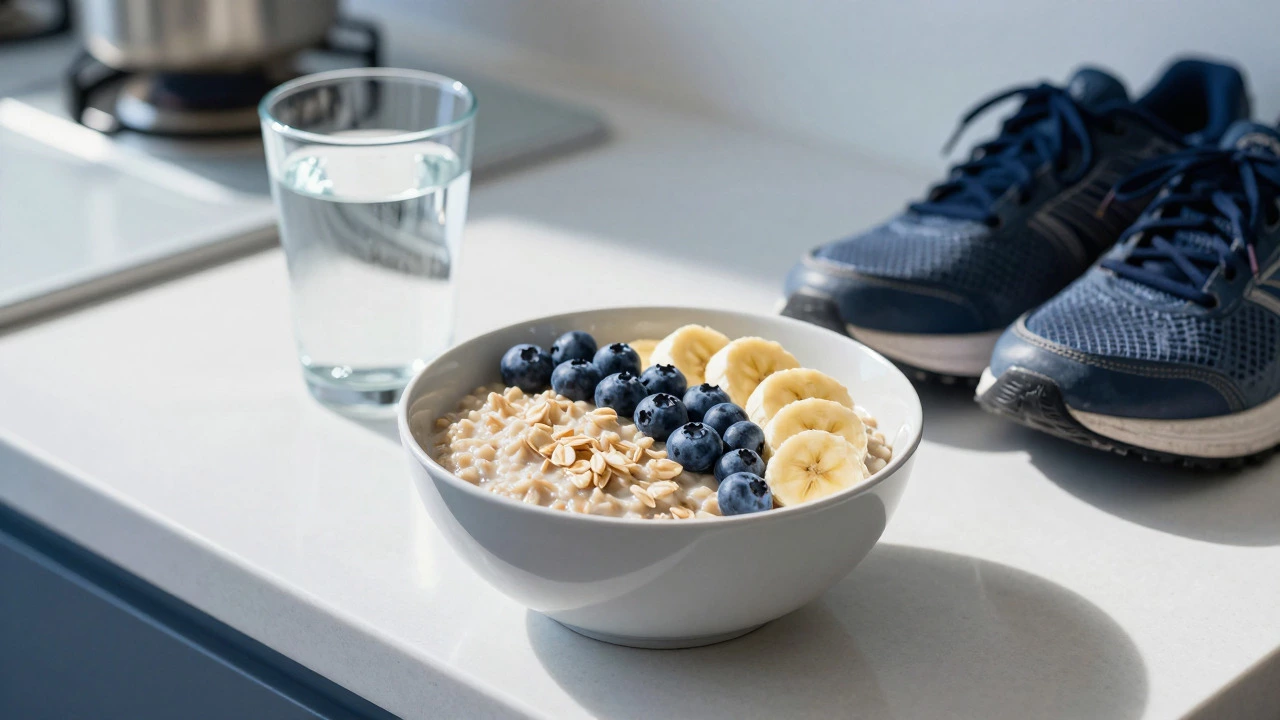
| 1-3 Hours | Balanced Meal | Oatmeal with berries, chicken and rice, whole grain toast with avocado | Sustained energy release |
| 30-60 Minutes | Simple Carbs | Banana, apple slices, rice cakes, sports drink | Quick spike in blood sugar |
| Less than 30 Minutes | Liquid/Light Snack | Energy gel, half a banana, small handful of dates | Immediate availability, minimal digestion |
The Case for Fasted Training
So, if food gives you energy, why do people talk about fasted cardio? There’s a kernel of truth there. When you haven’t eaten for several hours (usually overnight), your insulin levels are low. In this state, your body may tap into fat stores for fuel slightly more readily than it would if you had just eaten a carb-heavy meal. Some studies suggest that fasted aerobic exercise can lead to a modest increase in fat oxidation during the session itself.
But here’s the catch: burning more fat *during* the workout doesn’t necessarily mean you lose more body fat over the week. What matters most is your total calorie deficit. If you feel weak while fasting, you might lift lighter weights or run slower, which means you burn fewer calories overall. Plus, some research indicates that fasted training might break down more muscle tissue for energy, which is counterproductive if you’re trying to build strength.
Fasted training works best for low-to-moderate intensity activities, like a brisk morning walk or a light jog. It’s less ideal for heavy leg day sessions or competitive sports. If you decide to try it, listen to your body. If you feel shaky or nauseous, grab a piece of fruit. Don’t let dogma override your performance.
Post-Workout Nutrition: The Recovery Window
Once the sweat is done, the real work begins: recovery. For years, we were told about the "anabolic window"-a mythical 30-minute period after working out where you had to chug protein powder or risk losing all your gains. While that window is wider than marketers claimed, the principle behind it is solid: your muscles need raw materials to repair and grow.
During exercise, you create micro-tears in your muscle fibers. To rebuild them stronger, your body needs amino acids (from protein) and glycogen replenishment (from carbs). Protein provides the bricks; carbs provide the mortar. Without adequate post-workout nutrition, your body stays in a catabolic (breakdown) state longer, which can lead to prolonged soreness and slower progress.
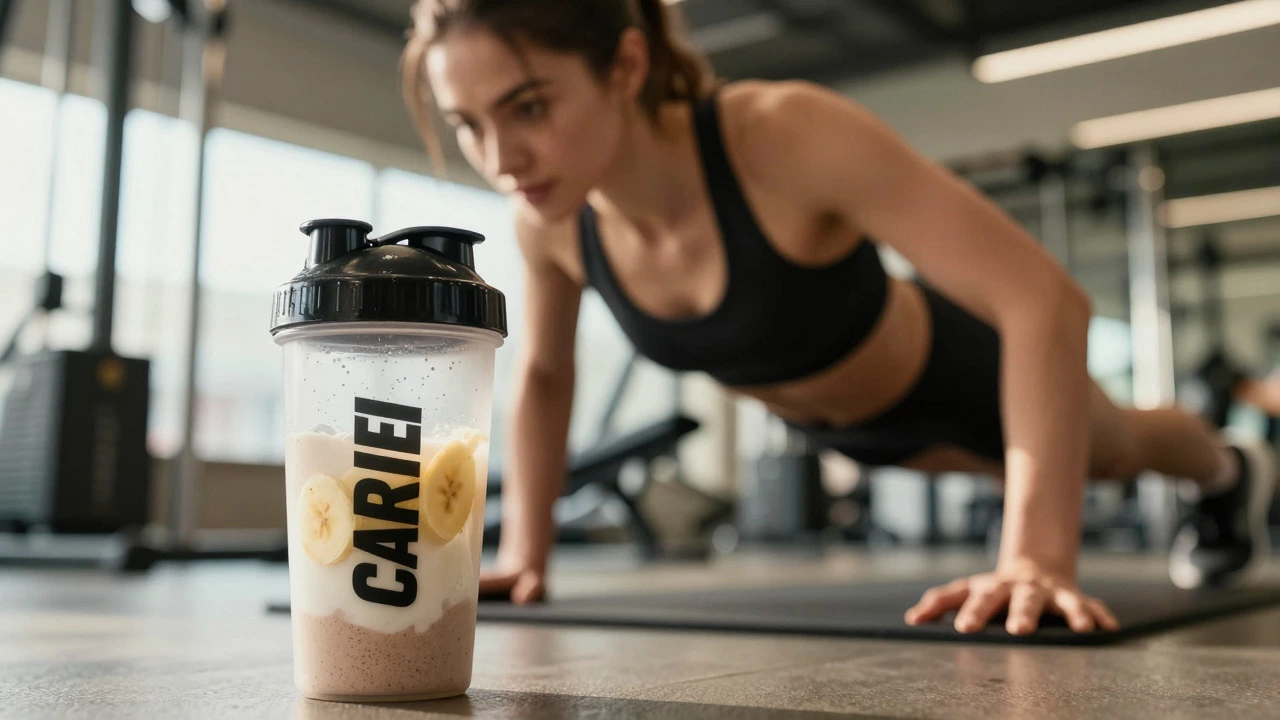
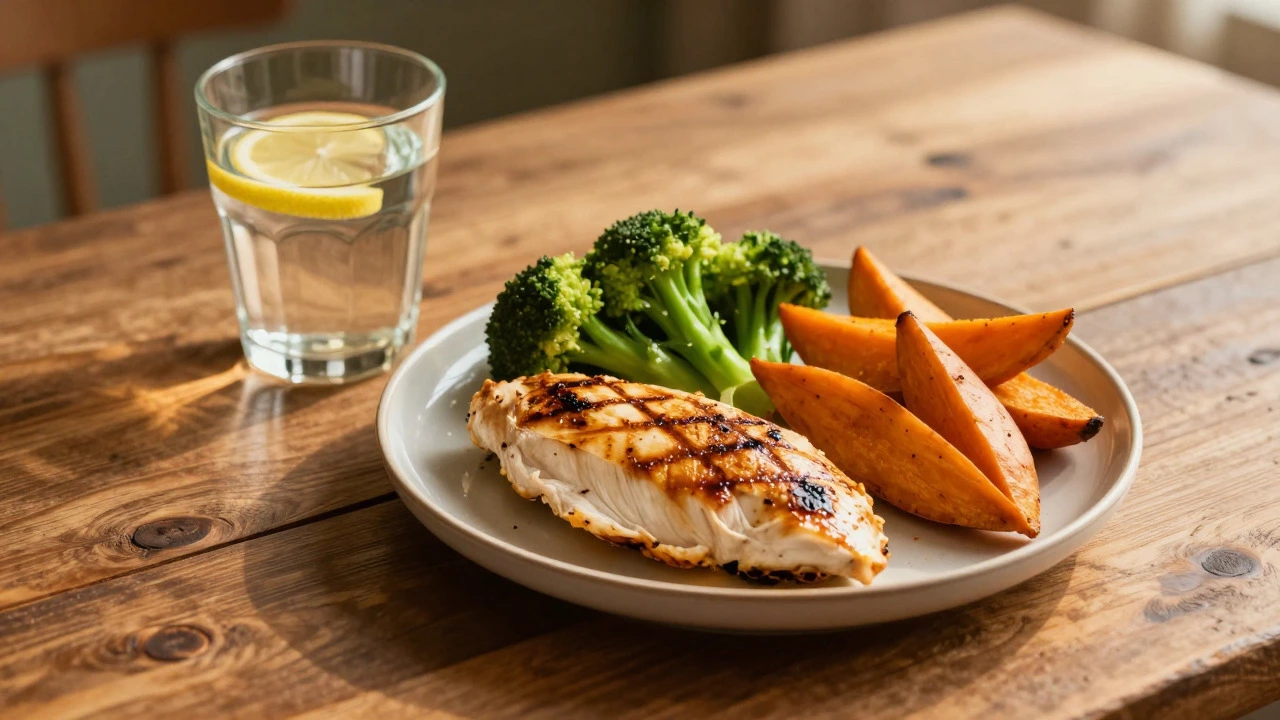
You don’t need to rush home and cook a gourmet meal immediately after dropping the barbell. But getting some nutrients into your system within one to two hours is smart. A shake with whey protein and a banana is convenient and effective. Alternatively, a meal with lean meat, sweet potato, and vegetables hits all the right notes. The exact timing is less critical than ensuring you hit your daily protein and calorie targets, but eating sooner helps kickstart the recovery process, especially if you’re training twice a day.
Matching Food to Your Workout Type
Not all workouts are created equal, and neither is their nutritional demand. A 20-minute yoga session has vastly different fuel requirements than a 90-minute marathon training run or a heavy powerlifting session. Tailoring your intake to the activity prevents overeating and under-fueling.
- Strength Training: Focus on protein and moderate carbs. You need fuel to lift heavy things and protein to repair the damage. A pre-workout snack with complex carbs (like oats) and a post-workout meal high in protein (chicken, fish, tofu) is ideal.
- Endurance Cardio (Running/Cycling): Carbohydrates are king here. Your glycogen stores deplete quickly during long sessions. Prioritize easy-to-digest carbs before and during the activity. Post-workout, focus on replenishing glycogen with carbs and some protein to aid muscle repair.
- HIIT (High-Intensity Interval Training): This is demanding on your nervous system and glycogen stores. Avoid heavy fats or fiber right before, as they slow digestion. Opt for simple carbs. Post-workout, prioritize both protein and carbs to restore energy and reduce inflammation.
- Yoga/Pilates: These are lower intensity. You likely don’t need a specific pre-workout meal unless it’s been many hours since your last meal. A light snack is sufficient if you’re hungry. Post-workout, focus on hydration and balanced nutrition rather than urgent refueling.
Hydration: The Forgotten Nutrient
We often talk about food, but water is arguably more important. Even mild dehydration (losing just 2% of your body weight in water) can significantly impair physical performance, concentration, and mood. Water regulates body temperature, lubricates joints, and transports nutrients to cells.
Don’t wait until you’re thirsty to drink. Thirst is a late-stage signal of dehydration. Aim to drink about 500ml (17 ounces) of water two hours before your workout. During exercise, sip water regularly. If you’re sweating heavily for more than an hour, consider adding electrolytes (sodium, potassium) to replace what you’re losing. Post-workout, continue hydrating to help flush out metabolic waste products and support digestion.
Common Mistakes to Avoid
Even with the best intentions, it’s easy to mess up your nutrition strategy. Here are a few pitfalls that sabotage progress:
- Eating Too Much Fiber Beforehand: Beans, broccoli, and bran cereal are healthy, but they sit in your gut. Save them for post-workout or earlier in the day.
- Neglecting Protein Intake: Carbs give you energy, but protein builds muscle. If you’re only eating bananas before and after, you’re missing half the equation.
- Overcomplicating Supplements: You don’t need expensive pre-workout powders with proprietary blends. Whole foods usually work better and cost less. Save supplements for convenience, not necessity.
- Ignoring Hunger Cues: If you’re starving, eat. If you’re full, skip the snack. Your body knows what it needs better than any generic rulebook.
Practical Tips for Busy Schedules
Life isn’t always scheduled around gym times. Sometimes you have a meeting right before your evening workout, or you wake up early and don’t have time to cook. Here’s how to adapt:
If you’re short on time before a workout, reach for liquid calories. A smoothie with milk, protein powder, and a banana digests much faster than solid food. It provides the necessary nutrients without the bloating. Keep a stash of single-serving snacks like granola bars, nuts, or dried fruit in your bag or desk drawer for emergencies.
If you miss the post-workout window because you’re stuck at work, don’t panic. Just ensure your next meal is nutrient-dense. The body is resilient. Consistency over weeks and months matters far more than perfect timing on any single day.
Is it better to eat 30 minutes or 2 hours before a workout?
It depends on the size of the meal. A large, balanced meal needs 2-3 hours to digest properly to avoid discomfort. A small, carb-focused snack can be consumed 30-60 minutes before. If you eat too close to the workout, stick to easily digestible options like fruit or sports drinks.
Can I lose more weight by working out on an empty stomach?
Fasted cardio may increase fat burning *during* the session, but total weight loss depends on your daily calorie deficit. If fasting makes you weaker, you’ll burn fewer calories overall, potentially negating the benefit. For most people, eating a small snack leads to better performance and greater total calorie expenditure.
What is the best post-workout meal for muscle gain?
A combination of high-quality protein and carbohydrates is ideal. Examples include grilled chicken with rice, a protein shake with a banana, or Greek yogurt with honey. Aim for 20-40 grams of protein and a serving of carbs to replenish glycogen stores and stimulate muscle protein synthesis.
Do I need to eat immediately after my workout?
No, the "anabolic window" is not as narrow as once thought. You have roughly 1-2 hours to consume nutrients effectively. However, if you trained fasted or did a very intense session, eating sooner can help reduce muscle breakdown and speed up recovery.
What should I avoid eating before a workout?
Avoid high-fat foods (fried foods, fatty meats), high-fiber foods (beans, cruciferous vegetables), and excessive spicy foods. These take longer to digest and can cause gastrointestinal distress, cramping, or nausea during exercise.